#LogisticsAdvice

Powering global trade: Singapore's top 5 exports in 2026

5 Mins Read
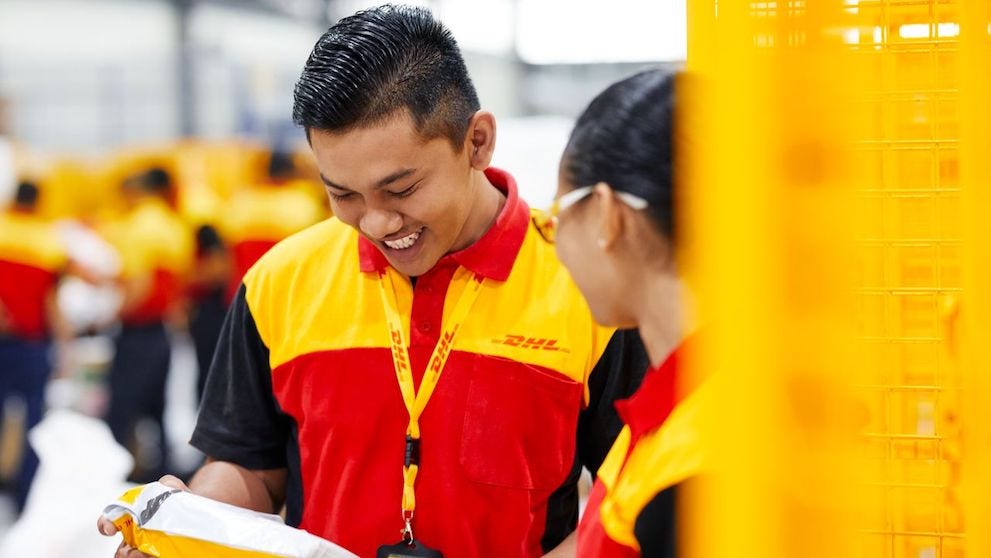
two dhl employees having a discussion in an export hub

In 2026, Singapore remains a global trade powerhouse, driven by a diversified export economy and strong international connectivity. In November 2025, the country recorded US$51.7 billion in total exports, reflecting sustained global demand for its key industries1.

Despite the implementation of US baseline tariffs in April 2025, Singapore’s non-oil domestic exports (NODX) grew by 4.8% for the year, surpassing the official 2.5% growth forecast2. The nation is now shifting from a period of ‘front-loading’ into a phase of structural AI leadership, strengthening its semiconductor and advanced manufacturing sectors – and creating a buffer against anticipated 2026 headwinds3.

1. Electronic exports

Electronic products remain the backbone of Singapore's exports, driving strong overall export growth in 2025. In December alone, electronic exports rose by 24.9% year-on-year, reinforcing why electronics consistently rank among our top exports4.

Growth was led by integrated circuits (+32.1%), telecommunications equipment (+81.4%) and disk media (+53.5%)2. This performance reflects Singapore’s critical role in the global ‘compute’ expansion. As US hyperscalers such as Amazon, Microsoft and Google scale artificial intelligence infrastructure, Singapore has become a primary supplier of backend hardware such as high-bandwidth memory (HBM) and advanced semiconductor chips. These high-value exports from Singapore are essential to powering data centers and AI workloads worldwide.

The strength of this sector is supported by robust logistics infrastructure, efficient customs processes and advanced logistics solutions that enable time-sensitive semiconductor shipments to move seamlessly across borders.

2. Non-monetary gold

In 2025, non-monetary gold emerged as a major contributor to Singapore's exports, surging by 176.8%5. Although not traditionally considered an industrial export, gold became a dominant pillar in a year marked by tariff uncertainty and geopolitical tensions.

Often described as a ‘geopolitical barometer’, gold exports reflect safe-haven demand and wealth storage strategies rather than manufacturing output. While this surge significantly boosted total export growth, it signals global market sentiment more than production strength.

Nonetheless, the efficient movement of high-value commodities reinforces Singapore’s position in global trade flows and highlights the strength of its logistics ecosystem and customs framework.

3. Specialized and handling machinery

Machinery continues to be Singapore’s top exports, reinforcing advanced manufacturing capabilities. In 2025, specialized machinery exports grew by 5.4%, supported by Singapore’s production of approximately 20% of the world’s semiconductor equipment6. As global fabrication plants expand to meet AI-driven demand, these precision systems are critical components of global chip supply chains.

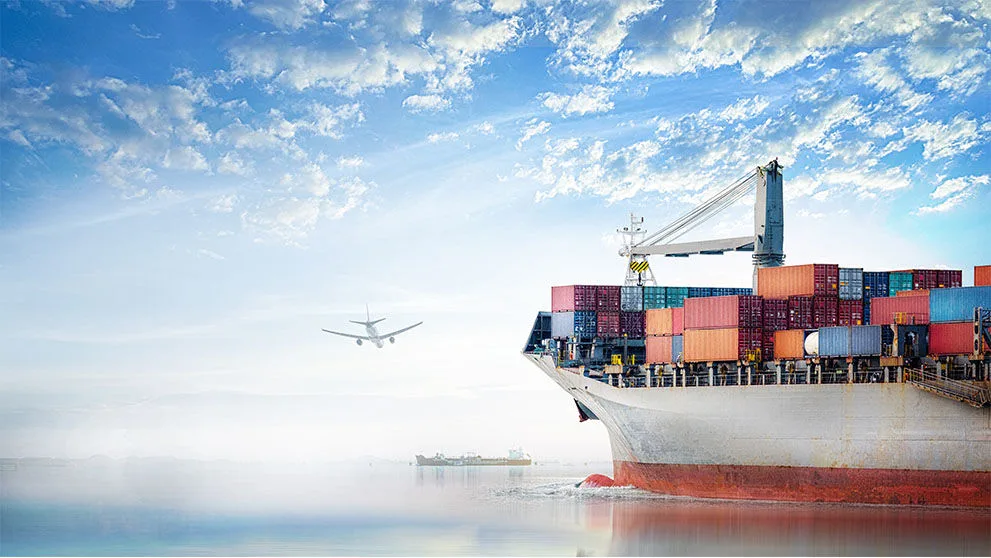
Even more notable was the 415.8% surge in handling machinery exports7. This spike reflects Singapore’s role in supplying heavy-duty lifting and material-handling equipment for large-scale regional data center and warehouse construction projects. This growth is closely linked to Singapore’s expanding transshipment strategy.

What is transhipment in shipping? It refers to the transfer of goods via an intermediate hub before reaching their final destination, such as the USA. Singapore’s location, efficient regulatory systems and lower US tariff exposure make it increasingly attractive for strategic re-routing and multi-hub manufacturing.

4. Pharmaceutical exports

Pharmaceutical exports illustrated the volatility within Singapore exports in late 2025 – often described as the ‘Pharma Crash’8. In November 2025, pharmaceutical shipments surged by 369.8% year-on-year, before declining by 7.8% in December8.

This sharp contrast was driven by ‘favorable base effects’ and shipment ‘front-loading’. Manufacturers accelerated exports from Singapore to the US ahead of the full implementation of 100% tariffs on patented drugs, resulting in an exceptional spike followed by a natural pullback8.

While the December dip weighed on short-term export growth, the fluctuation largely reflected shipment timing rather than structural weakness in Singapore’s pharmaceutical manufacturing base.

2026: The AI shield vs. the tariff shadow

Looking ahead, the outlook for Singapore exports will depend on whether AI-driven momentum can offset rising trade headwinds.

On the capacity front, 2026 will see a significant boost from Micron’s advanced high-bandwidth memory plant9 and UMC’s new fabrication facilities commencing operations10. These investments are expected to further strengthen electronics as one of Singapore's top exports.

Singapore’s competitive positioning is also enhanced by its evolving transshipment strategy. With a 10% US tariff rate, lower than many regional peers, Singapore is increasingly used for strategic re-routing and multi-hub manufacturing2. This makes transshipment a valuable tool for companies seeking to manage tariff exposure while maintaining supply chain efficiency.

However, official projections suggest growth may moderate to 0–2% in 2026 due to several risks:

  • The end of the 2025 front-loading cycle
  • Escalating US-China tensions and full implementation of sectoral tariffs
  • A potential AI investment pause as hyperscalers shift from expansion to optimization2

In this environment, exporters require logistics partners with resilient solutions, knowledge of customs regulations and Singapore-based support.

DHL Express’ role in global trade

male and female dhl employee having a discussion in the office

DHL Express, with its extensive global network and expertise in international shipping and logistics, plays a crucial role in facilitating the smooth movement of Singapore's top exports. Our suite of export services, including express delivery, customs clearance support, and end-to-end tracking, empowers businesses to navigate the complexities of international trade with confidence.
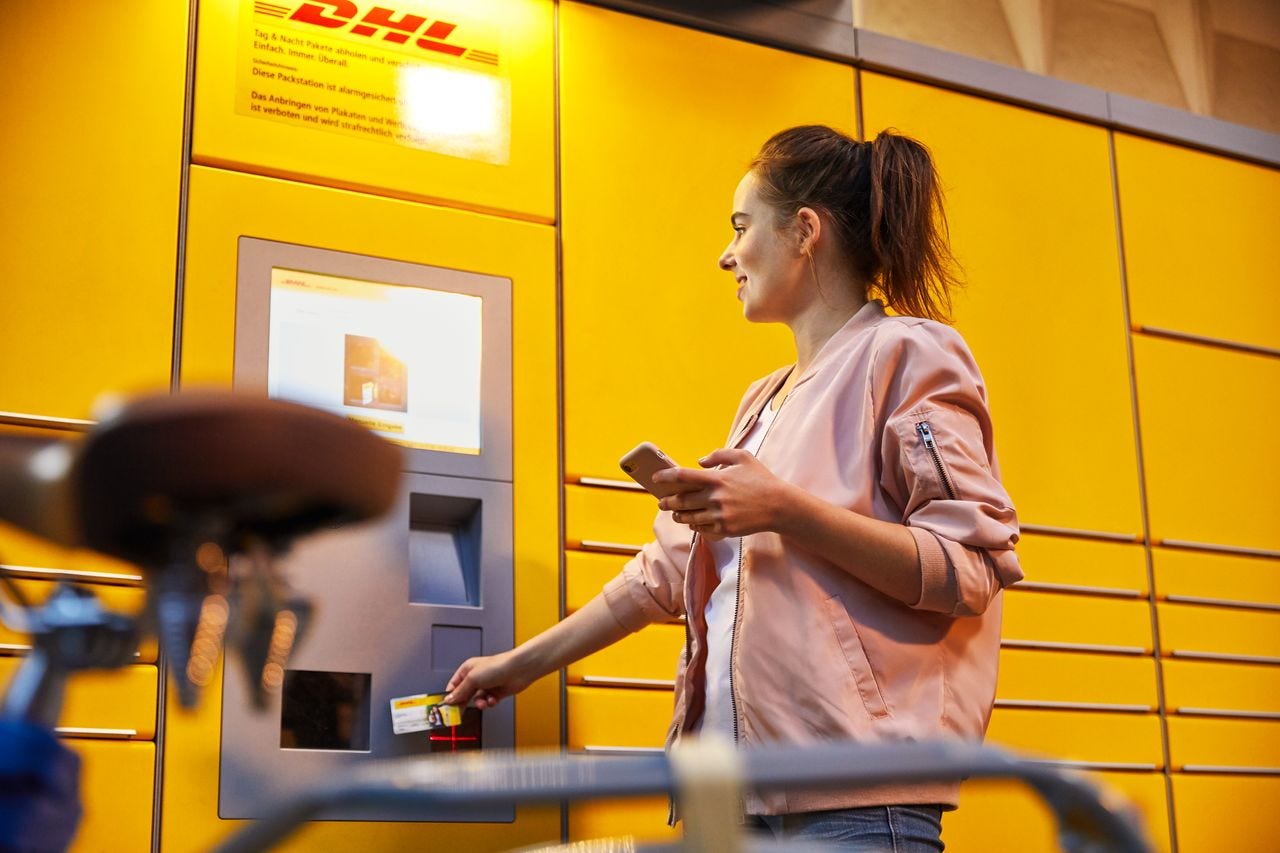
For businesses looking to export machinery and equipment, we provide heavyweight shipping and specialized handling to ensure that delicate and high-value goods are transported safely and securely. For those handling petroleum and chemical products, our expertise in dangerous goods logistics and temperature-controlled shipping ensures compliance and product integrity.

Moreover, our deep understanding of customs regulations in various countries enables us to facilitate efficient customs clearance, minimizing delays and disruptions. Our suite of free online tools and resources helps businesses prepare necessary documentation and stay informed about the latest trade regulations.

Whether you are a seasoned exporter or just starting your international journey, DHL Express is here to support your business growth.

Open a DHL Express business account today to access preferential shipping rates, scheduled pickups and dedicated support tailored to growing exporters.

Open a DHL Express business account today to access preferential shipping rates, scheduled pickups and dedicated support tailored to growing exporters.

Open an Account