1 - MIT Supply Chain Frontiers, October 2025
2 - Civil Aviation Authority of Singapore, February 2024
Sustainability is no longer a value statement; it's a business condition. Research from MIT found that 80% of firms now consider sustainability vital to their future, and companies that have made public sustainability commitments are 74% more likely to embed sustainability-related decisions into their day-to-day operations1. That shift from aspiration to integration is exactly what separates businesses building long-term resilience from those managing short-term optics.
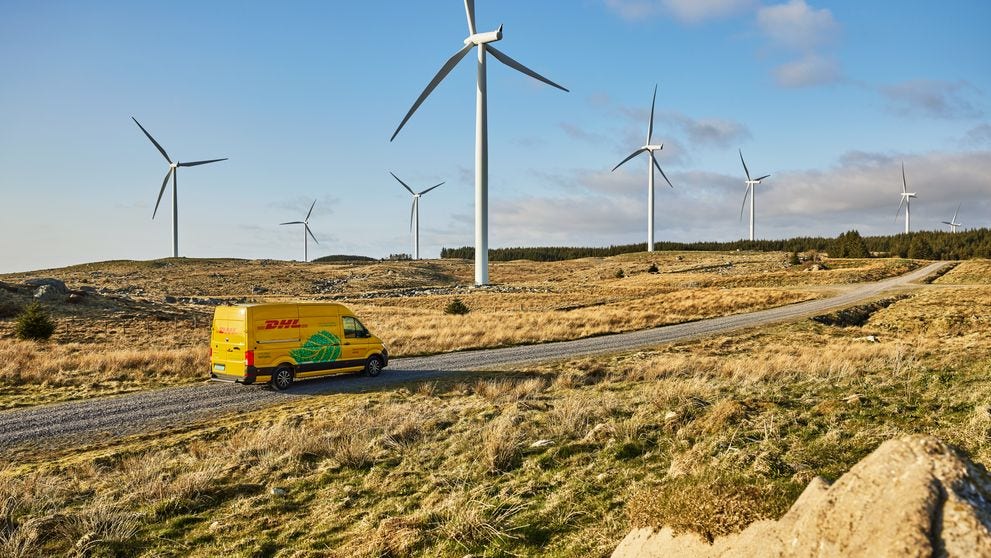
Nowhere is this shift more visible or more consequential than in logistics. The movement of goods across borders accounts for a significant share of global emissions, and the pressure to reduce that footprint is coming from regulators, customers, and investors simultaneously.
What began as a corporate social responsibility initiative has become a commercial necessity. The businesses that treated sustainability as a reputation management tool a decade ago are now navigating a landscape where it affects procurement eligibility, investor confidence, customer retention, and operational cost in equal measure. Several forces are driving this convergence:
Sustainable logistics is one of the most genuinely complex operational shifts the industry has ever had to navigate. The destination is clear, but the path there is not. Understanding where the real issues lie is what separates businesses that make credible progress from those that stay stuck at the level of stated intent.
The most fundamental challenge in sustainable logistics is a straightforward one: the dominant fuels and fleet technologies that power global freight networks today are not compatible with net-zero targets, and replacing them at scale is neither quick nor cheap.
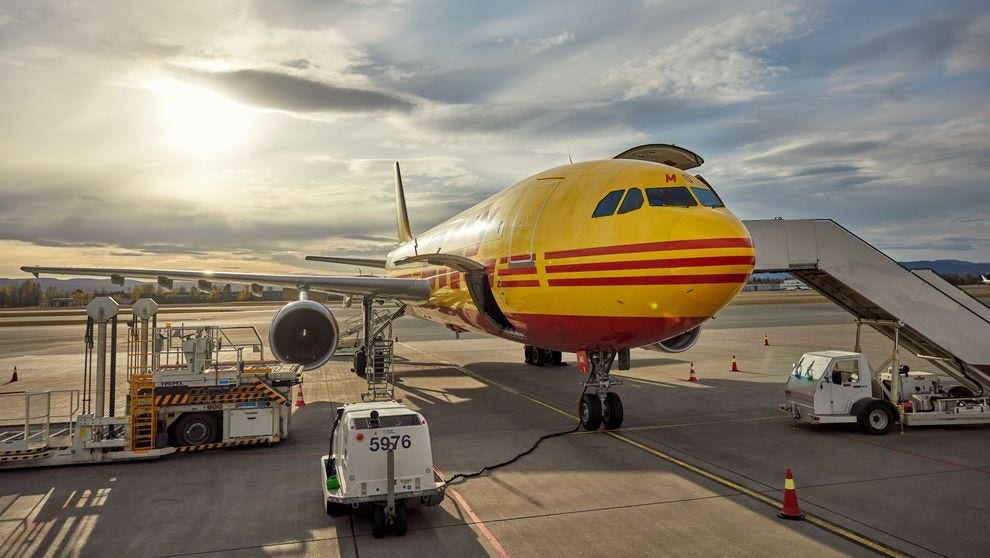
Scalable low-carbon aviation fuels remain constrained by production capacity and supply availability, and while sustainable aviation fuel (SAF) is gaining traction, it currently commands a meaningful cost premium over conventional jet fuel.
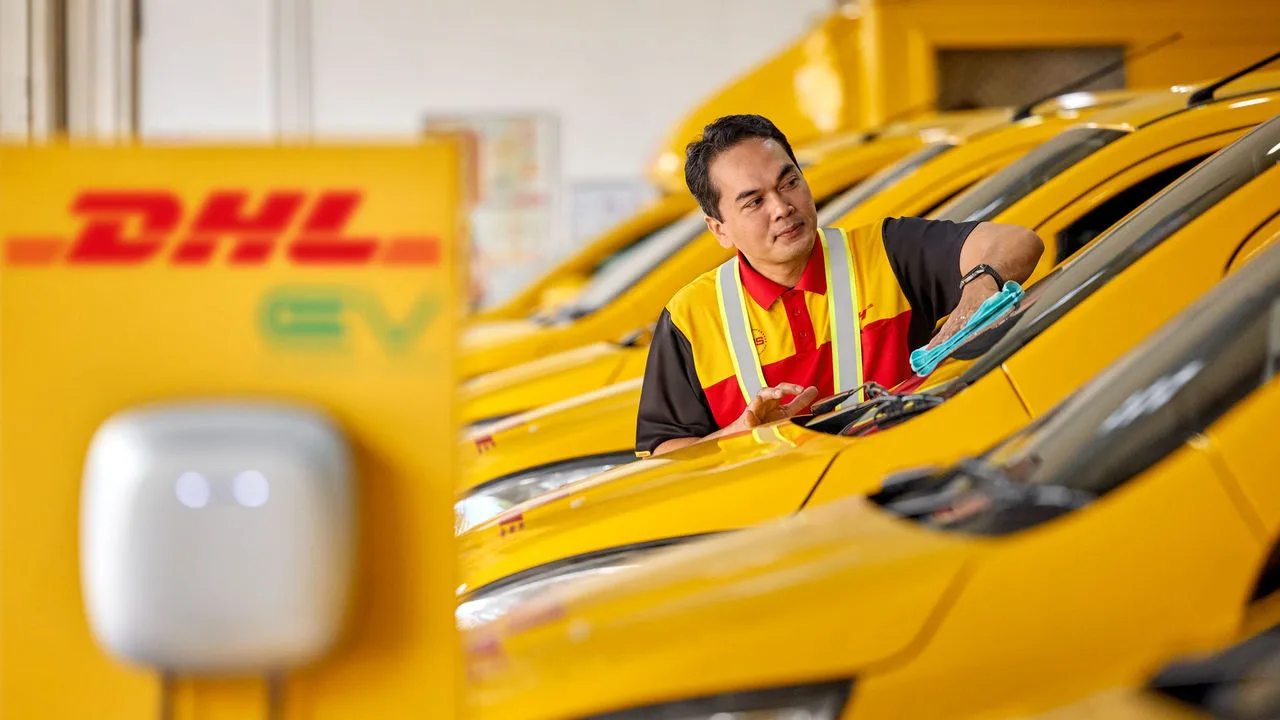
For ground operations, fleet electrification requires significant capital investment in vehicles, charging infrastructure, and the operational systems to support them. Charging capacity at logistics facilities remains a limiting factor in many markets, and the buildout required to close that gap is a long-term project.
None of this makes the transition impossible. It does mean that businesses and logistics providers alike need to plan for it with genuine financial and operational rigour, rather than treating decarbonisation as something that can be accelerated through commitment alone.
For many businesses, the harder problem isn't reducing emissions; it's accurately measuring them in the first place. This is particularly true for multi-market shippers operating across complex, fragmented supply chain logistics, where the data needed to build a credible emissions picture spans multiple providers, transport modes, and geographies. Understanding the structure of emissions is the starting point:
Scope 3 is where the measurement challenge is most acute. When your emissions are generated by someone else's operations, visibility depends entirely on the quality of data your partners can provide. Without standardized reporting and verified methodology, businesses are left building emissions estimates on incomplete foundations. In an environment where ESG disclosures are increasingly scrutinized, that gap carries real risk.

The sustainability agenda in logistics isn't static; it's being actively redefined by new technologies, shifting policy frameworks, and changing commercial expectations. For businesses shipping internationally, and for Singapore-based operators in particular, these developments are close to home and increasingly hard to ignore.
Sustainable aviation fuel is fuel produced from renewable sources, including waste materials, agricultural residues, and used cooking oil, that can reduce lifecycle emissions significantly compared to conventional jet fuel. Understanding why SAF matters starts with the scale of the problem it addresses: aviation accounts for a substantial share of total logistics emissions, and its effect on the industry's overall carbon footprint makes it one of the most important variables to tackle. For that reason, SAF represents one of the most viable near-term pathways to meaningful decarbonisation without compromising operational capability.
The importance of this is especially pronounced in express logistics, where the speed expectations that define the sector make aviation non-negotiable. Unlike surface freight, where electrification and alternative fuels are advancing more rapidly, global air express has fewer low-carbon alternatives, making SAF adoption not just desirable, but strategically important. That progress is already visible at a regional level: SAF activity linked to flights operating through Singapore Changi Airport2 demonstrates that aviation decarbonisation is taking shape within the region's own infrastructure, not just in distant markets.
DHL Express supports SAF adoption directly through GoGreen Plus, which allows customers to opt into carbon-reduced shipping backed by verified SAF investment. This gives businesses a practical, accessible mechanism to reduce the aviation-related emissions embedded in their logistics operations, without changing how they ship.
The way businesses think about emissions compensation is changing and the direction of travel is away from offsetting alone, toward insetting as the more credible standard. The benefits of that shift are becoming increasingly clear, both for the environment and for the businesses making the transition.
The distinction matters to customers. As sustainability scrutiny has intensified, offsetting has come under pressure for being too detached from the source of the problem. Insetting is increasingly viewed as a more direct and credible response because the reduction happens within the same system generating the emissions, not outside it.
DHL Express's GoGreen Plus approach reflects this shift. By enabling customers to reduce emissions through SAF integration within the DHL network, it connects sustainability investment directly to shipping activity. For businesses working toward verified emissions targets, this is more than a philosophical preference, it's a more defensible position for ESG reporting purposes, delivered without any compromise to delivery reliability or speed.
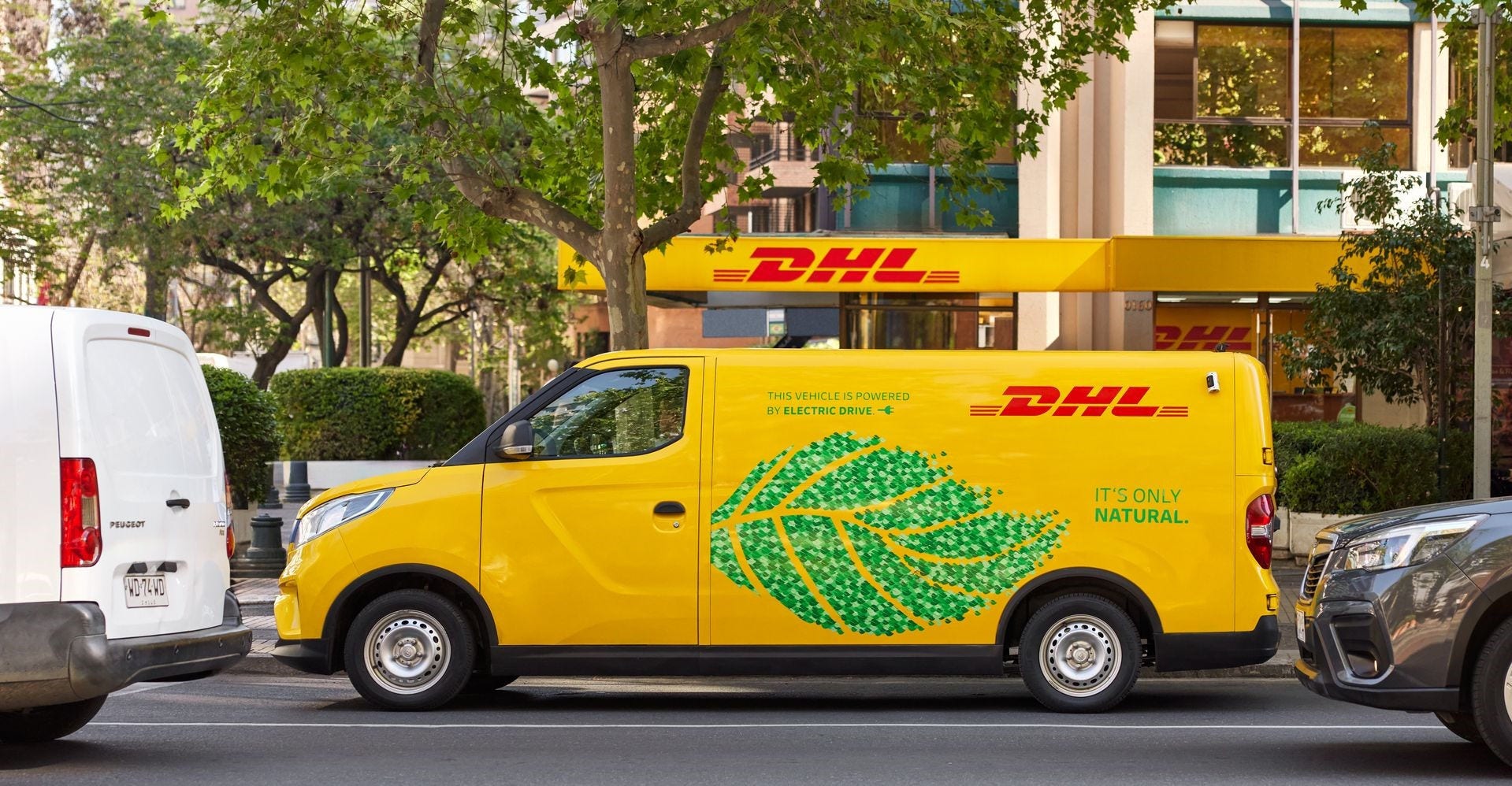
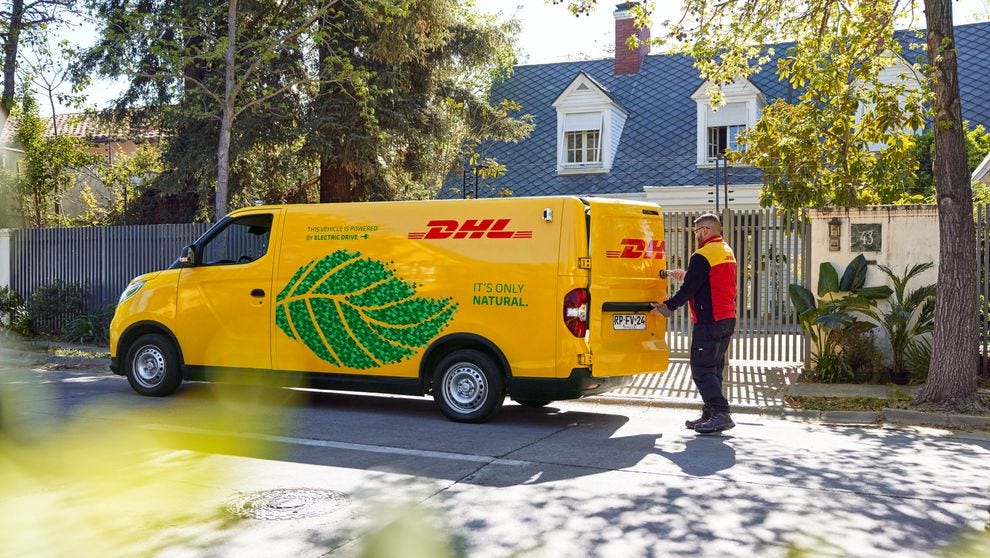
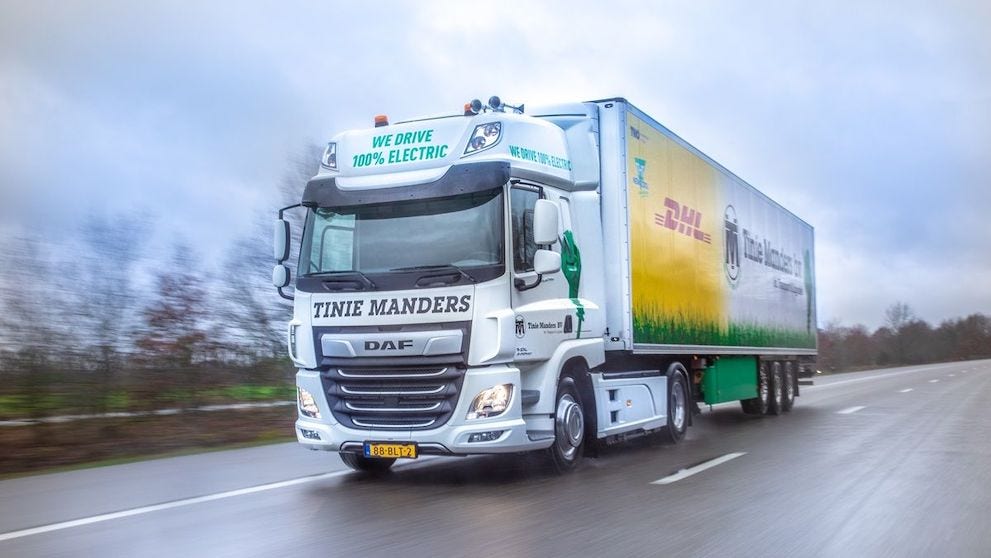
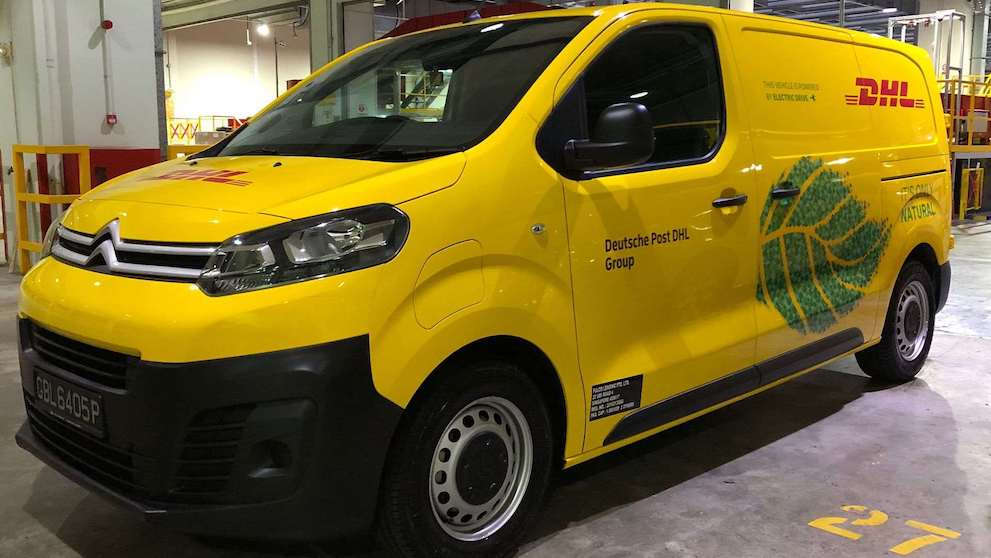
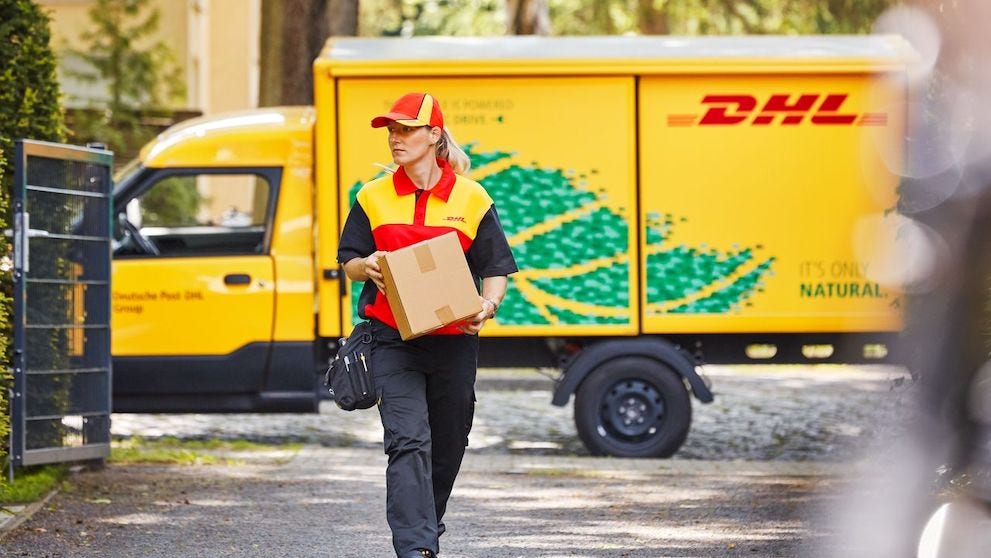
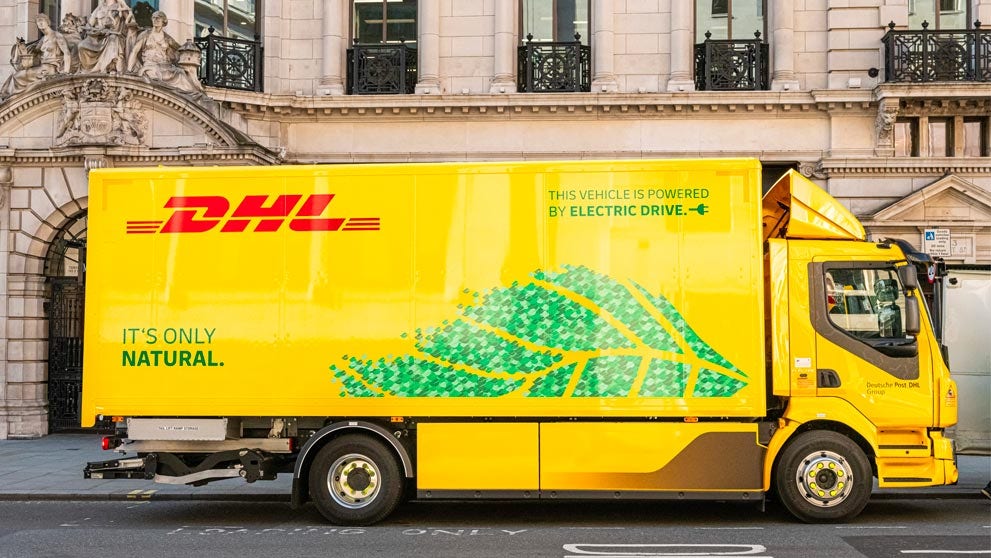
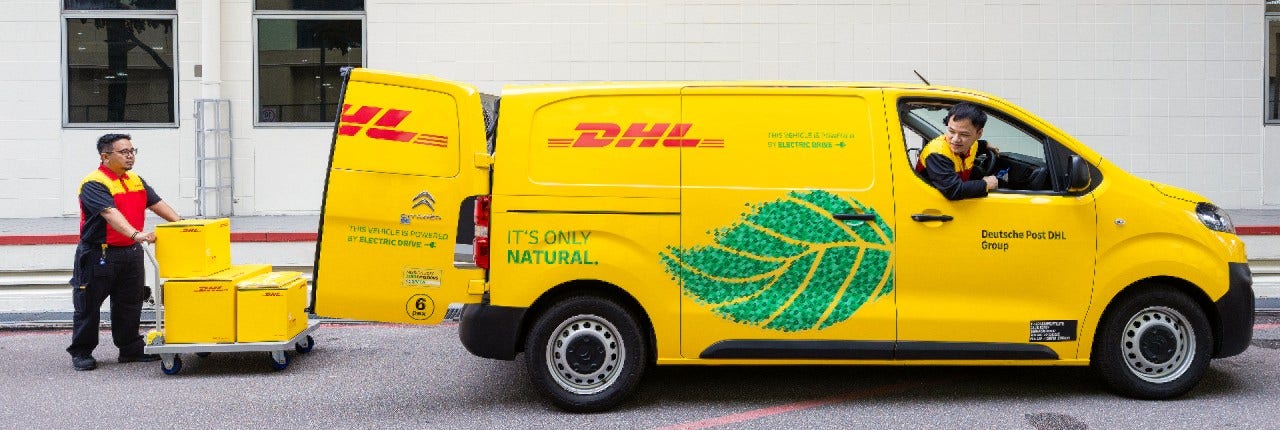
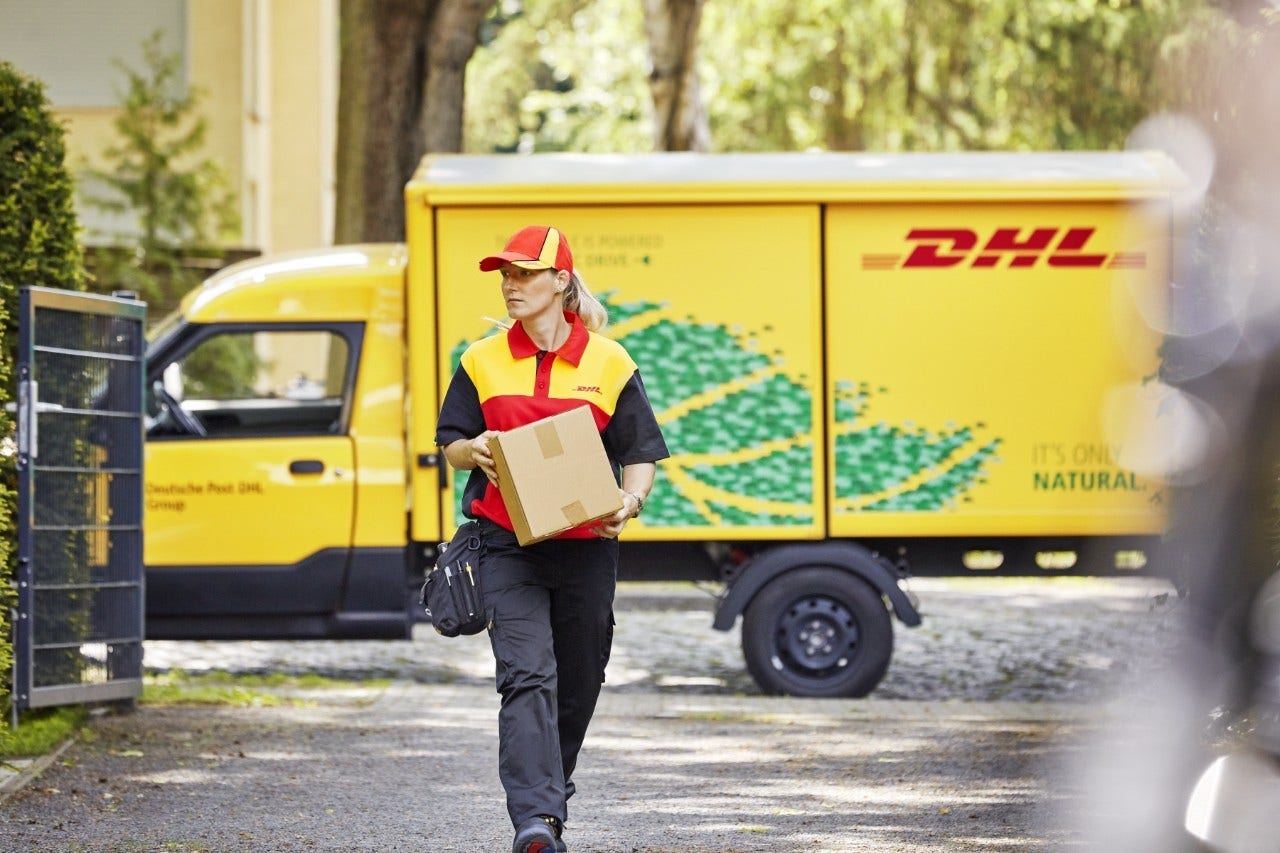
Electric vehicles (EVs) are playing an increasingly central role in building more sustainable urban logistics networks, and three factors are converging to make that a widespread reality:
Packaging sits at the intersection of logistics efficiency and environmental responsibility, and as e-commerce volumes continue to grow, so does the packaging waste and disposal burden that comes with them. What arrives in a box is no longer the only thing customers notice; how it arrives matters too. The trend toward sustainable packaging is now firmly embedded in customer expectations, not trailing behind them.
Sustainable packaging today typically encompasses recyclable materials that reduce landfill contribution, right-sizing to eliminate excess volume and lower shipping weight, and Forest Stewardship Council (FSC)-certified packaging, which guarantees that materials have been sourced from responsibly managed forests. Together, these elements reduce the environmental footprint of every shipment without requiring businesses to fundamentally redesign their packing processes, and DHL Express has made that accessibility tangible.
By moving toward recyclable materials and FSC-certified packaging boxes, DHL Express makes it easier for businesses to adopt better practices without the operational complexity of building new packaging systems from scratch. For shippers looking to strengthen their sustainability credentials, this is one of the most accessible entry points available.
One of the most significant shifts in sustainable logistics in recent years isn't a technology, it's an access story. Sustainability scales faster when it becomes easier for everyday shippers to participate, and that accessibility is being built through partnerships and expanded service touchpoints that bring sustainable options within reach of businesses of all sizes.
DHL Express has extended access to sustainable logistics solutions through broader packaging availability and expanded touchpoints for carbon-reduced shipping options, including GoGreen Plus. Rather than sustainability being a specialist capability reserved for large enterprises with dedicated logistics teams, these developments mean that a growing business shipping internationally can make meaningful environmental choices within the same platform they already use to manage shipments. The friction of going green is decreasing and that is, arguably, one of the most important developments in making logistics sustainability a mainstream commercial reality rather than a niche pursuit.
1 - MIT Supply Chain Frontiers, October 2025
2 - Civil Aviation Authority of Singapore, February 2024


 Share
Share