#LogisticsAdvice


 Share
Share
Sustainability in pharma packaging: Single-use vs. reusable shippers
4 Mins Read
Share
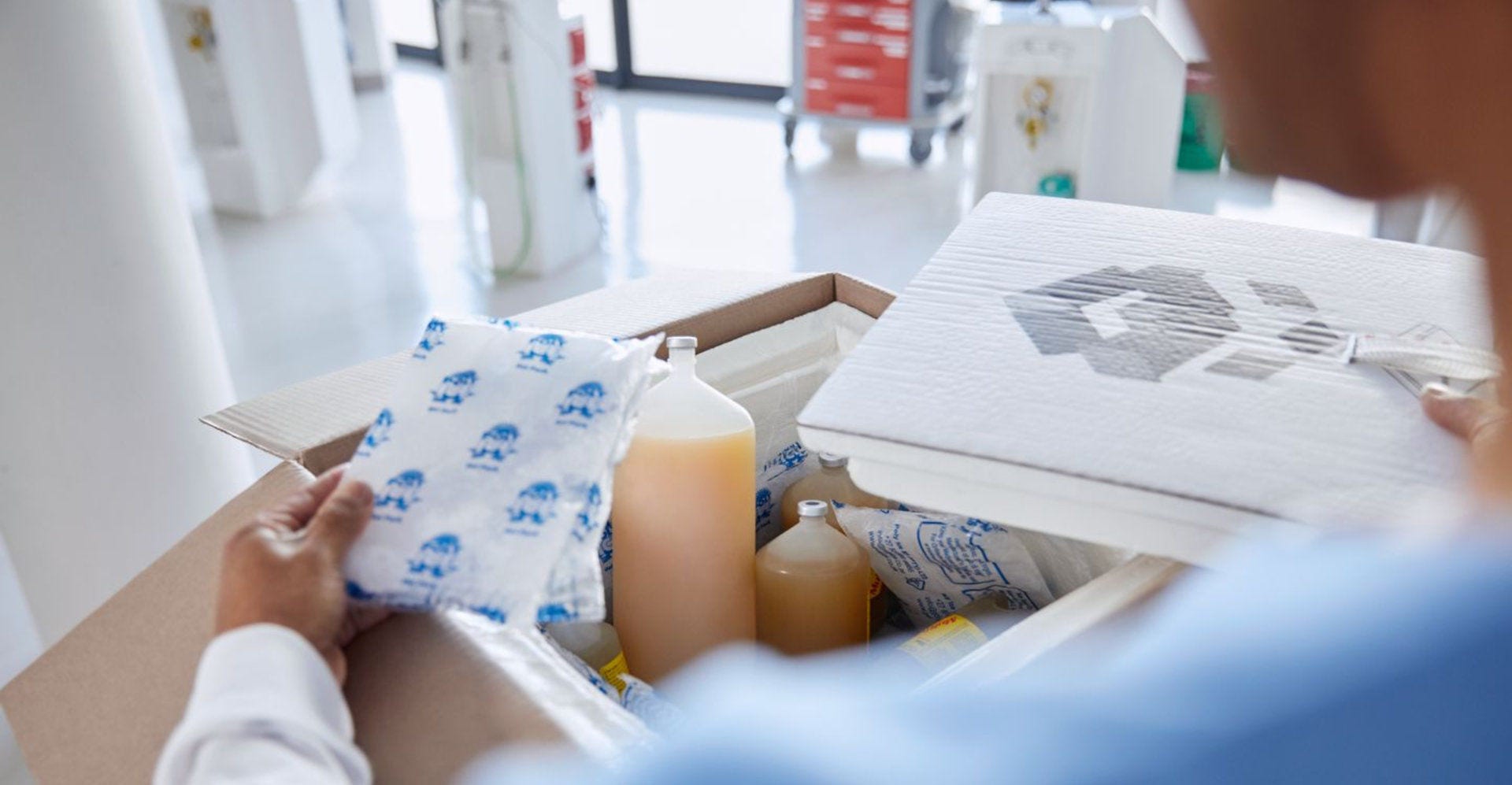
The pharmaceutical and life sciences industries are under growing pressure to rethink how products move across borders. As biologics, vaccines and temperature-sensitive therapies dominate pipelines, the spotlight has turned to sustainable pharma packaging and cold chain logistics for both performance and reusability. The choice of packaging supplies is no longer a purely operational decision; it has become a strategic one that affects compliance, ESG reporting and long-term supply chain resilience.
This guide breaks down the realities of single-use vs reusable pharma packaging, helping stakeholders evaluate environmental impact, operational trade-offs and readiness for international shipping in a lower-carbon future.
The shift toward sustainable pharmaceutical packaging
Momentum behind sustainable pharma packaging containers continues to accelerate as manufacturers, logistics providers and regulators align around decarbonization goals. For APAC hubs like Singapore, where pharmaceuticals are manufactured, packaged and exported globally, shipping choices represent one of the largest controllable levers for emissions reduction.
Three main forces are driving this shift:
- The increasing regulatory pressure around recyclable pharmaceuticals packaging, material traceability and waste reduction.
- ESG commitments are moving from high-level pledges to measurable action, with packaging emissions now included in Scope 3 reporting.
- Risk mitigation has become critical as high-value biologics demand tighter thermal control and stronger chain-of-custody protection during international shipping.
Single-use shippers: Convenience vs. environmental cost
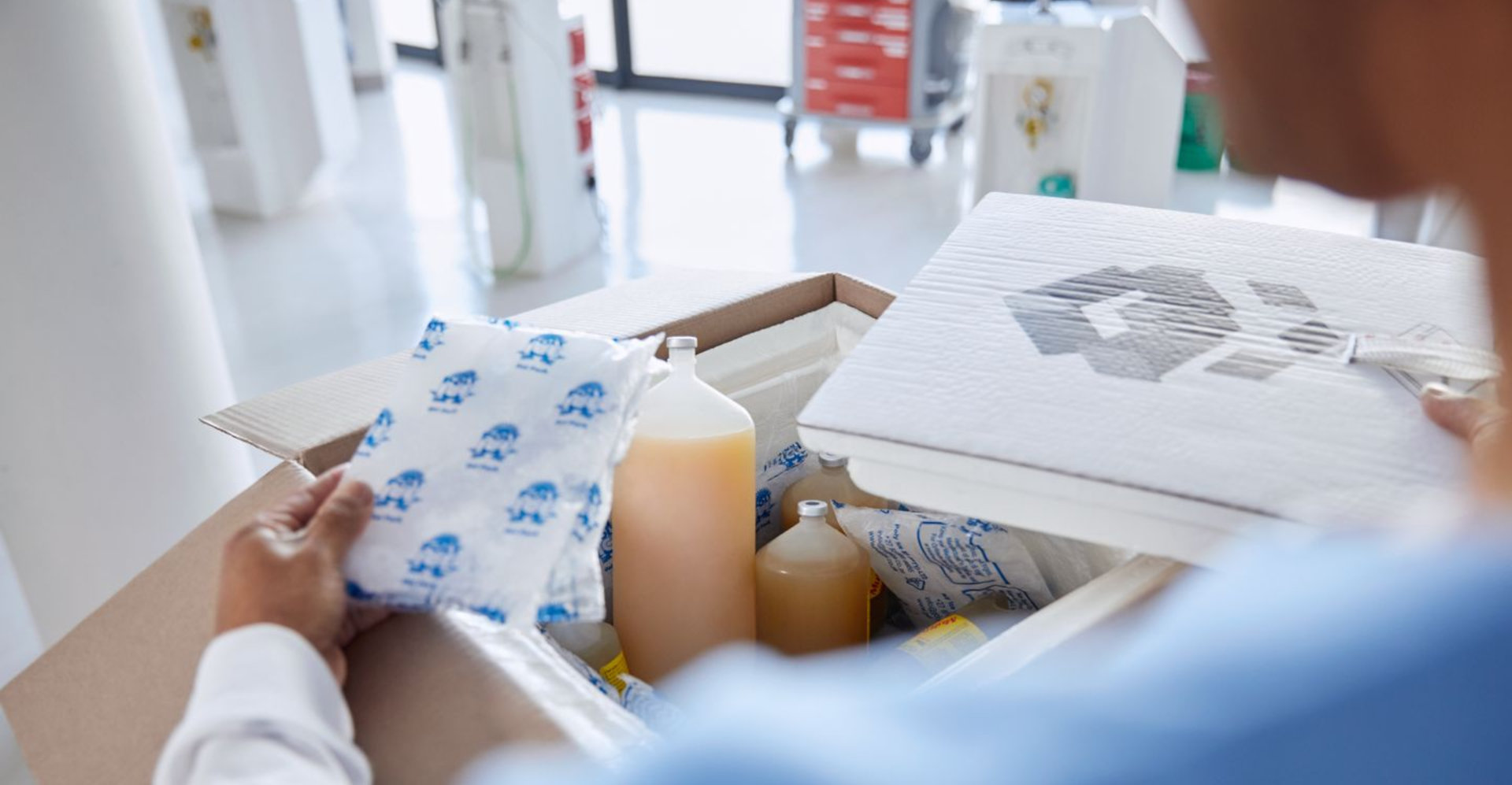
Traditional pharmaceutical packaging has long relied on single-use passive containers made from expanded polystyrene (EPS) or polyurethane (PUR). These packaging solutions remain common across clinical trials, low-volume lanes and hard-to-reach destinations.
Advantages
- Cost predictability: Unit pricing is relatively low, making budgeting straightforward for infrequent shipments.
- Simplified exports: Because they are designed for one-way movement, there is no need for reverse logistics, which simplifies exports to remote or one-off destinations.
- Scalability: During sudden demand spikes, pharmaceutical packaging suppliers can quickly scale production of single-use pharmaceutical containers.
Drawbacks
- Non-biodegradable waste: EPS and PUR generate high volumes of non-biodegradable waste, much of which ends up in landfills or requires specialized disposal. From a lifecycle perspective, single-use pharma packaging generates substantially higher emissions, with temperature-controlled logistics inefficiencies costing the pharmaceutical industry billions annually.1
- Performance: Performance can also vary, as many single-use systems offer limited thermal duration, increasing risk during delays or extended customs clearance.
Reusable shippers: Embracing a circular economy model
Reusable pharmaceutical containers represent a fundamental shift toward sustainable, circular supply chains. These systems are built for durability and repeated use, typically incorporating advanced vacuum-insulated panels (VIPs) and phase change materials (PCMs) to maintain strict temperature ranges over extended periods.
Advantages
- Sustainability: Reusable pharma packaging offers a clear advantage. A single unit can be reused 70 times or more, reducing post-consumer waste by up to 95%.
- Insulation: Superior insulation allows for longer transit times, enabling some lanes to shift away from air toward lower-emission transport modes.
- Long-term cost savings: Over time, organizations with predictable shipping volumes often see meaningful cost savings, driven by fewer failures, less product loss and optimized routing.
Drawbacks
- Operational complexity: Reusable packaging requires closed-loop logistics, including retrieval, inspection, cleaning and revalidation.
- Higher upfront investment: The initial cost is also significantly higher, although rental and leasing models have made sustainable pharma packaging more accessible for mid-sized shippers.
For organizations shipping regularly on established trade lanes, these challenges are often outweighed by performance and sustainability gains.
Comparison: Single-use vs. reusable pharma packaging
Environmental impact
From a technical standpoint, the contrast between single-use and reusable solutions is clear. Single-use systems typically generate higher levels of waste and CO₂ emissions, while reusable and recyclable systems are designed to minimize environmental impact.
Thermal duration
The thermal duration of single-use packaging averages 24 to 48 hours, compared to 120 hours or more for reusable designs.
Logistics flow
Logistics flow also differs: single-use pharma packaging follows a linear, one-way path, whereas reusable models operate in a closed-loop system. Security features in reusable packaging are often more advanced, incorporating smart sensors and real-time monitoring.
As a result, single-use solutions tend to suit one-off or irregular shipments, while reusable systems perform best on high-volume, repeatable lanes.
Checklist: is your pharma packaging ready for 2026?
As the sustainable pharmaceutical packaging market grows, compliance and performance requirements are becoming more stringent. A practical pharmaceutical packaging checklist can help assess readiness:
- Thermal validation is essential to ensure the shipper meets Good Distribution Practice (GDP) standards for the required temperature range.
- Tamper-evident features should be applied to protect product integrity throughout transit. Smart monitoring, including temperature, shock and location tracking, is increasingly expected for high-value therapies.
- Materials should be clearly labelled to support recycling or responsible disposal.
- All required documentation, including Safety Data Sheets for PCM or dry ice, must accompany the shipment to avoid delays during international shipping.
Under GDP standards, maintaining product integrity and supply chain security for temperature-sensitive pharmaceuticals requires documented control and traceability throughout the shipping process.2
DHL Singapore: Leading sustainable pharma logistics and packaging trends
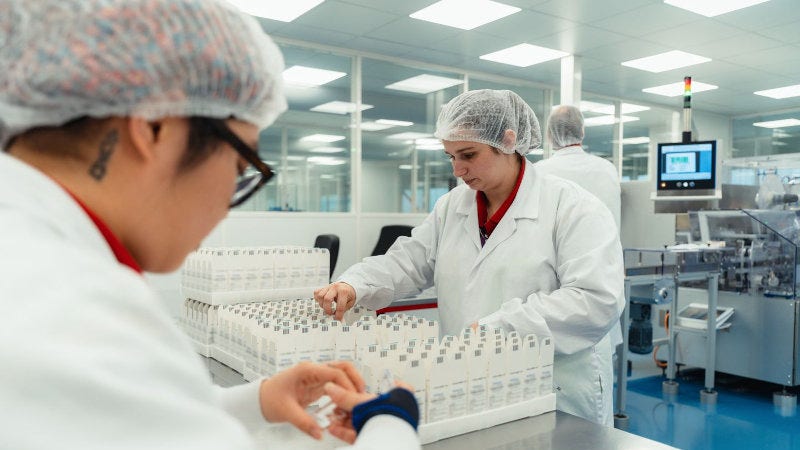
With sustainable pharmaceutical packaging evolving to become the industry standard rather than the exception, aligning packaging strategy with specialty pharma logistics is essential. Whether evaluating single-use vs reusable pharma packaging or scaling a circular model across global lanes, the right partner can make a huge difference.
DHL Express Singapore supports life sciences shipments through a specialized healthcare network built for sensitive pharmaceuticals. GoGreen Plus helps reduce packaging-related emissions using Sustainable Aviation Fuel, while reverse logistics simplifies the return and refurbishment of reusable shippers. End-to-end visibility is supported by tools such as DHL LifeTrack®, which enables real-time monitoring of temperature-sensitive products.
Optimize your pharma packaging for performance, compliance and sustainability.
Ship with confidence using DHL Express solutions built for temperature-sensitive pharmaceuticals.
Open an Account
Share
Similar Stories