Sustainability is no longer just a “nice to have” for businesses – it’s fast becoming a core part of how they compete and grow. From rising customer expectations to tightening regulations, SMEs are under increasing pressure to reduce their environmental impact while still running efficiently and profitably.
The good news? Reducing your business's carbon footprint doesn’t have to be complex. With the right approach, even small businesses can take meaningful action – and see real benefits along the way.
This article walks you through the key steps, with practical solutions that support long-term, sustainable growth.
How can SMEs reduce their carbon emissions?
For U.S. small and medium-sized businesses (SMEs), adopting sustainable practices isn't just about environmental responsibility. It can also deliver meaningful business benefits.
Building trust with customers and partners
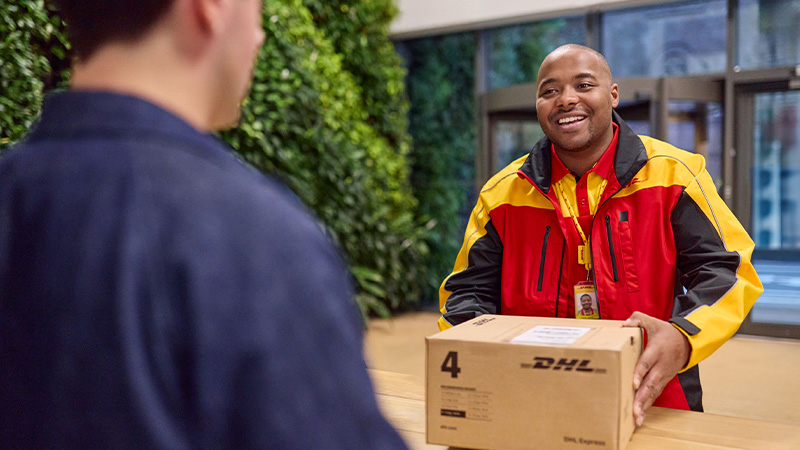
Today's customers are increasingly interested in supporting businesses that demonstrate a commitment to sustainability. By taking visible steps to reduce carbon emissions, SMEs can strengthen brand reputation, build trust, and create deeper connections with customers and business partners who share those values.
Reducing operating costs through efficiency
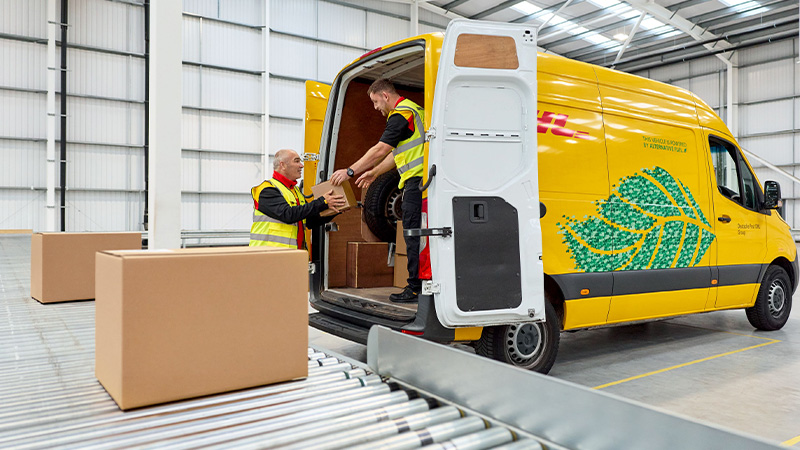
Reducing emissions often begins by identifying areas where energy and resources are being used inefficiently. Improving energy management, reducing waste, and streamlining operations can help lower costs while supporting sustainability goals, a win-win for growing businesses.
Meeting supplier and procurement expectations
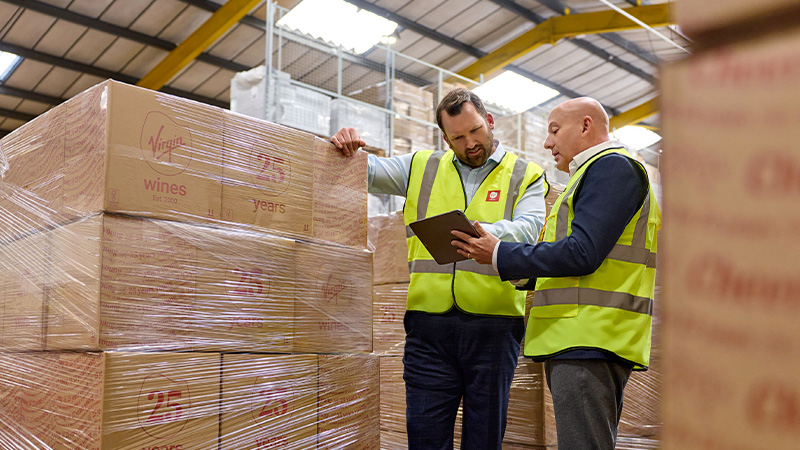
Many larger organizations now evaluate the sustainability efforts of the companies they work with. Demonstrating progress toward reducing emissions can help SMEs remain competitive, strengthen supplier relationships, and meet evolving procurement requirements.

Preparing for future environmental regulations
Environmental regulations continue to evolve across the U.S. and globally. Taking proactive steps today can help businesses stay ahead of changing requirements, reduce risk, and better position themselves for future growth, especially when expanding into new markets.
What are the best ways for SMEs to reduce carbon emissions?
The good news is that reducing emissions doesn't have to happen all at once. Whether you're just getting started or building on existing initiatives, these practical steps can help move your business forward.
Reduce energy use in day-to-day operations
Energy efficiency is often one of the easiest and most impactful places to begin.
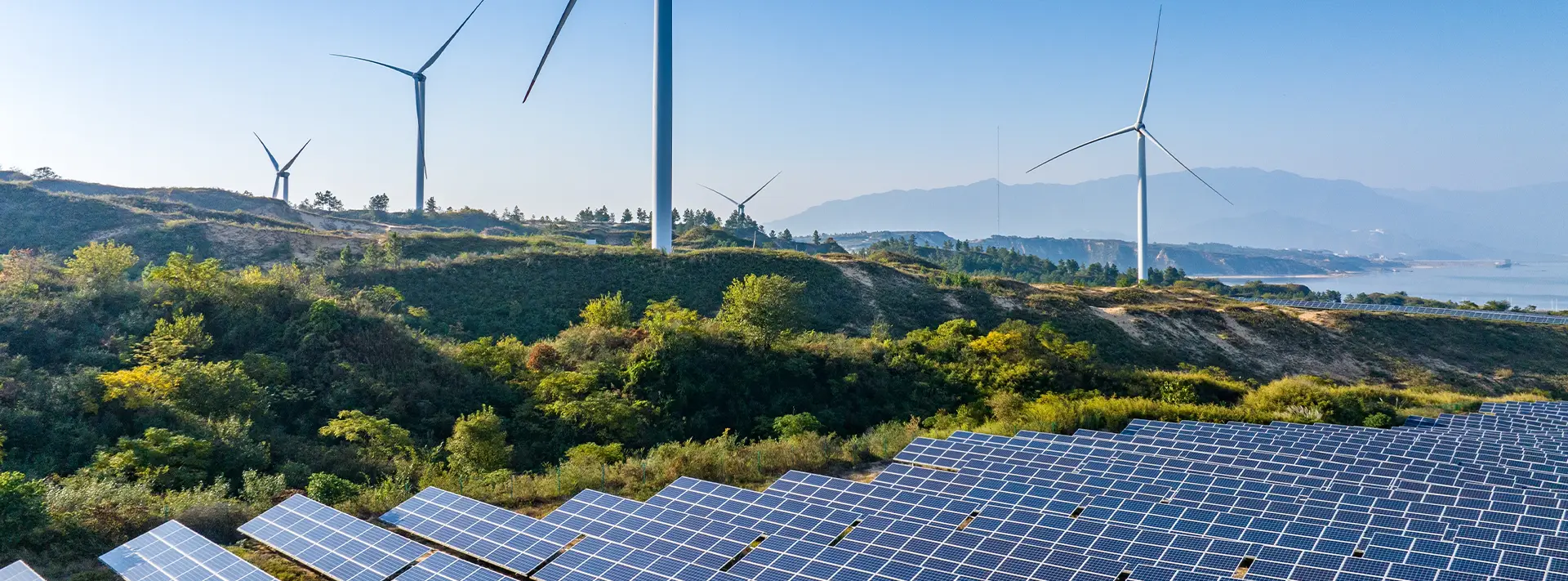
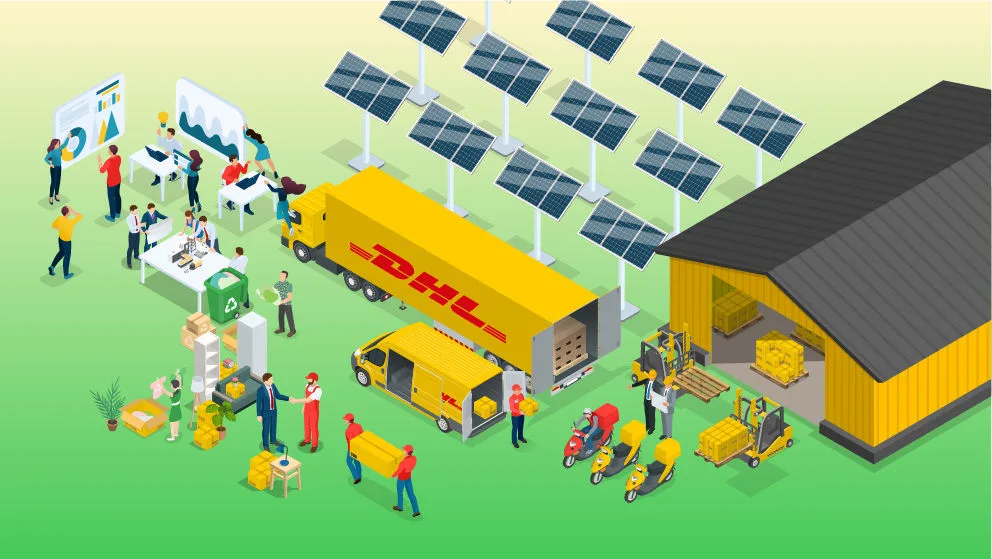
Simple upgrades, such as switching to LED lighting or ENERGY STAR® certified equipment, can reduce energy consumption and operating costs. Many businesses are also exploring renewable energy options through local utility providers or investing in solar energy where feasible.
As your company grows, adopting a more formal energy management approach can help identify additional savings opportunities and support continuous improvement.
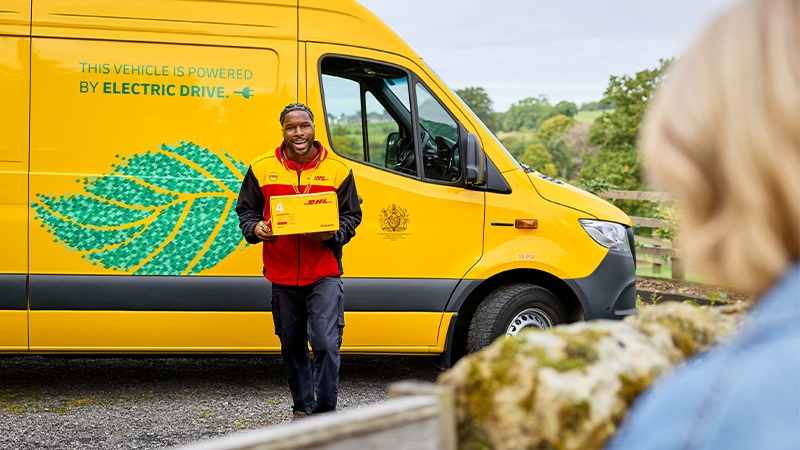
Improve logistics, transport, and shipping efficiency
For many SMEs, transportation and shipping represent a significant portion of their carbon footprint.
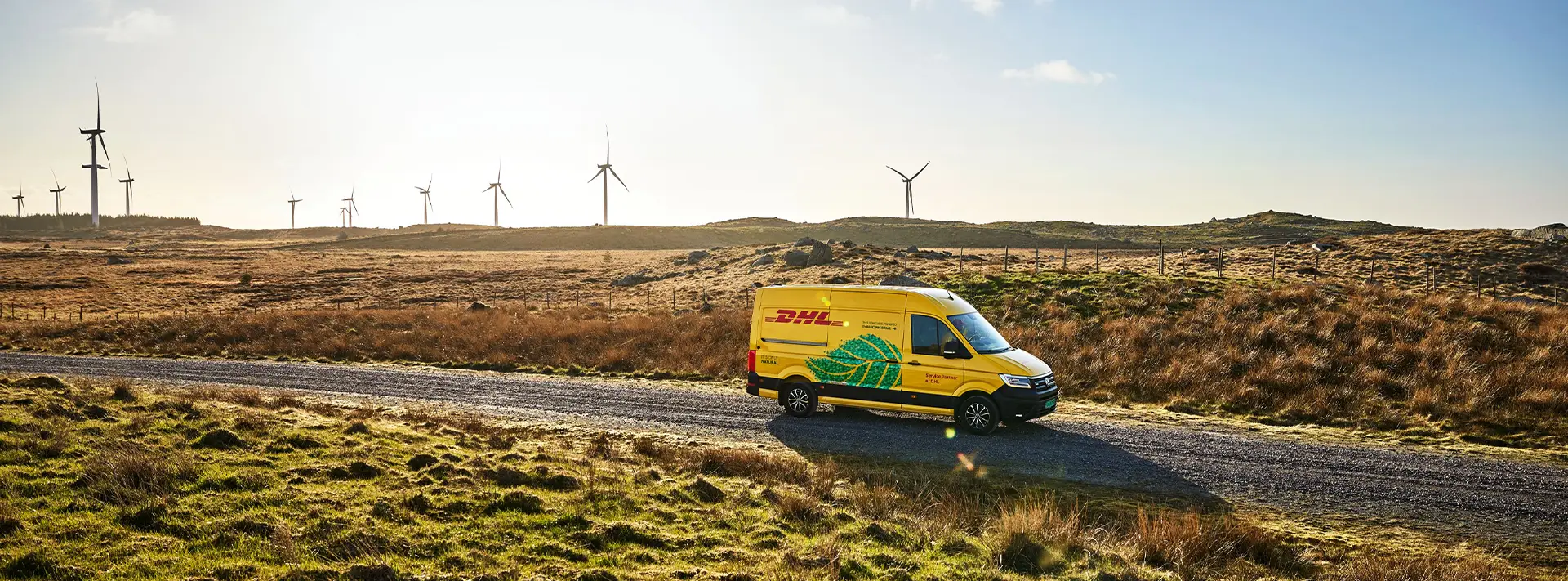
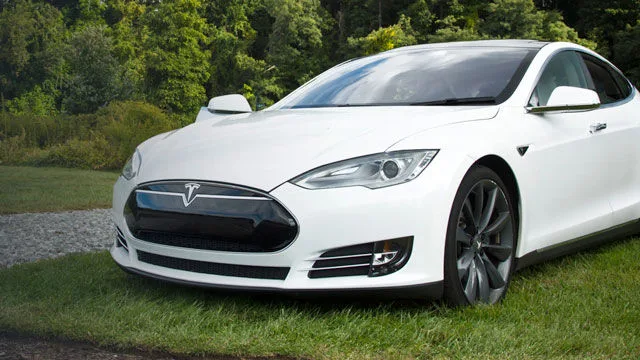
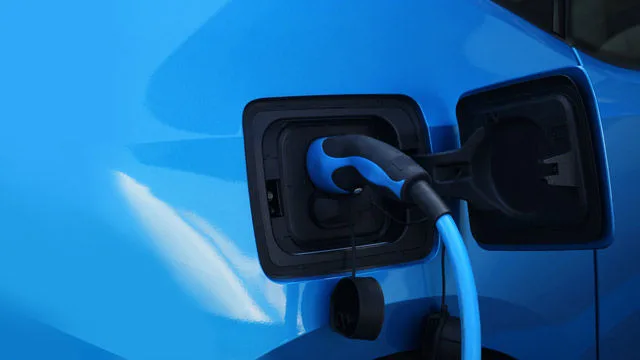
Businesses operating vehicle fleets may benefit from transitioning to electric or hybrid vehicles. Route optimization and improved delivery planning can also reduce fuel consumption while increasing efficiency.
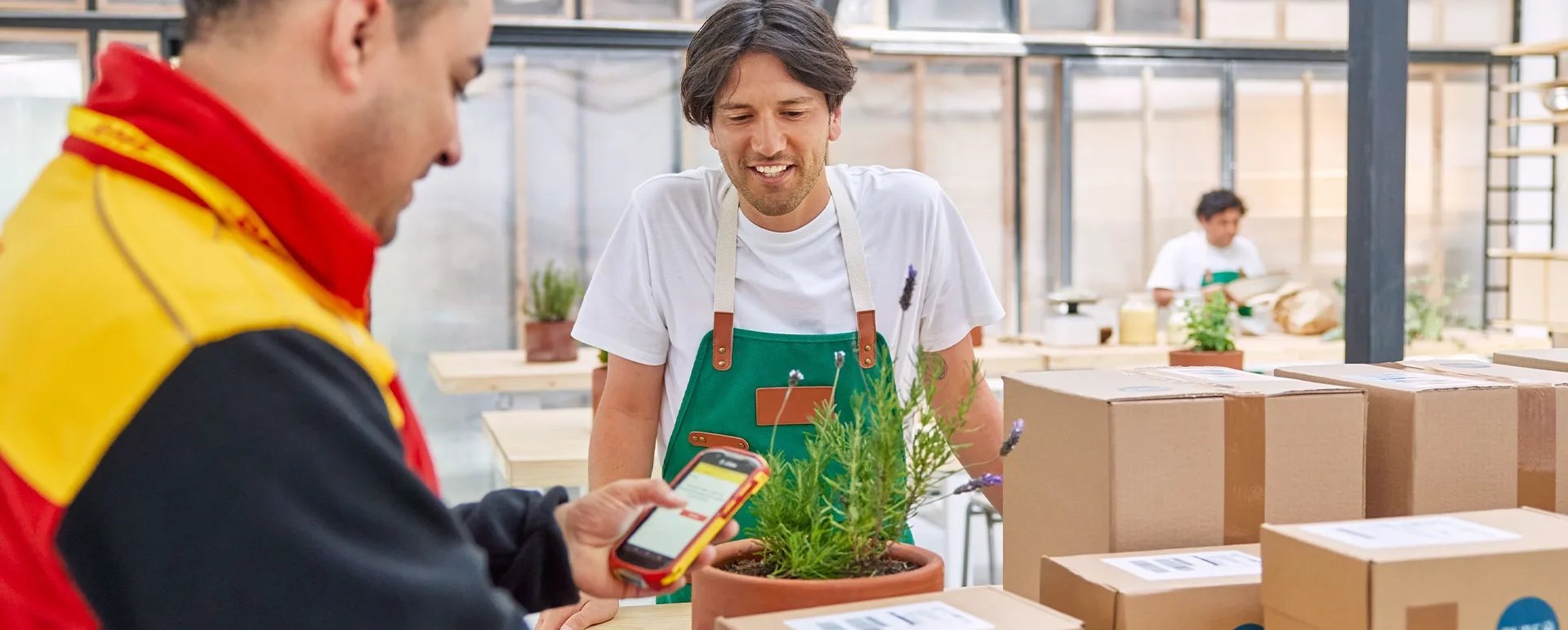
When shipping products, selecting a logistics partner with sustainable transportation solutions can make a meaningful difference. DHL Express' GoGreen Plus service helps businesses reduce shipment-related emissions through the use of Sustainable Aviation Fuel (SAF), providing a practical way to support sustainability goals without changing shipping processes.
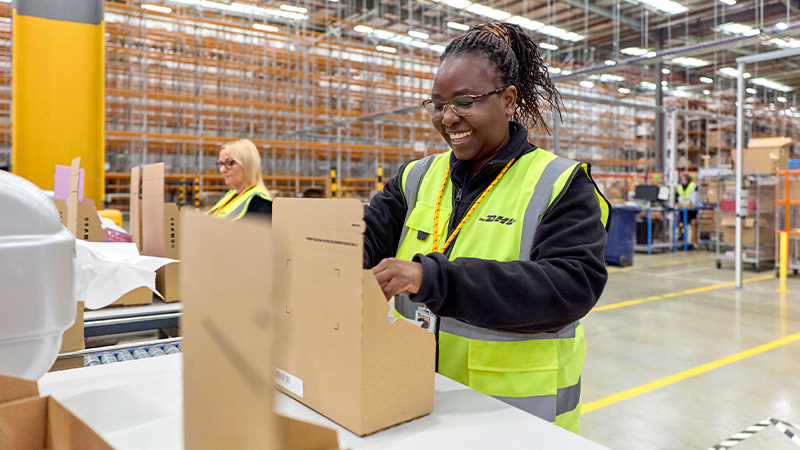
Use more sustainable materials and packaging
Packaging presents another opportunity to reduce environmental impact.
Many SMEs are incorporating recycled materials, recyclable packaging, and reusable options into their operations. Reducing unnecessary packaging and selecting appropriately sized shipping materials can also help decrease waste, lower shipping weights, and reduce transportation-related emissions.
Sustainable packaging solutions can help businesses balance environmental goals with product protection and customer experience.

Reduce waste and encourage sustainable workplace habits
Not all sustainability initiatives require significant investment.
Simple actions such as encouraging reusable water bottles, adding clearly marked recycling stations, and choosing environmentally friendly cleaning products can reduce waste and foster a more sustainable workplace culture.
These everyday habits can help create long-term behavioral changes and encourage employees to identify additional sustainability opportunities across the business.
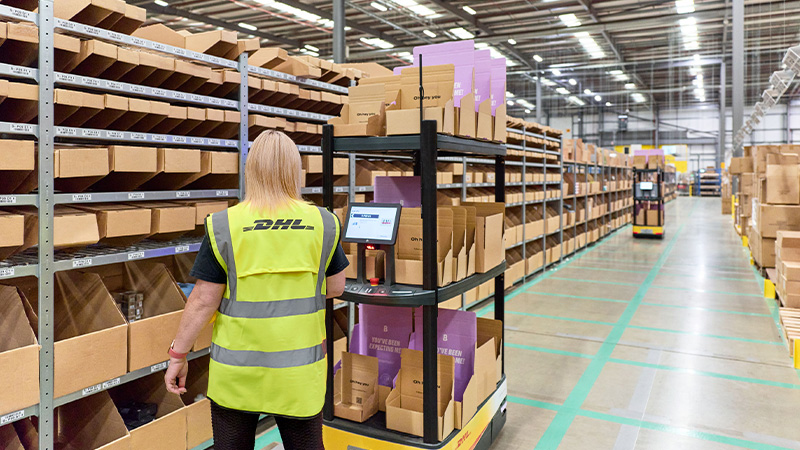
Use standards, data, and technology to optimize emissions
Technology can play an important role in helping SMEs reduce emissions while improving overall performance.
Automation, AI-powered analytics, inventory management tools, and route optimization software can help businesses reduce waste, improve operational efficiency, and make more informed decisions. Better visibility into business operations often leads to lower emissions and stronger business outcomes.
Reducing your carbon emissions is a journey
Sustainability is an ongoing process, not a one-time initiative. Whether you're upgrading to energy-efficient equipment, optimizing packaging, or exploring more sustainable shipping solutions, every step contributes to long-term progress.
By partnering with DHL Express, SMEs can access tools, expertise, and more sustainable shipping options that help balance business growth with environmental responsibility, both domestically and internationally.
How can shipping be more sustainable?
Businesses can reduce shipping-related emissions by optimizing delivery routes, consolidating shipments, and utilizing solutions such as DHL Express GoGreen Plus, which leverages Sustainable Aviation Fuel (SAF).
*GoGreen Plus is a value-added service to a DHL shipment contributing to decarbonization measures within DHL’s logistics network. By using alternative fuels and/or technologies DHL reduces the usage of fossil fuels in the mode of transport used for the GoGreen Plus shipment. This does not necessarily mean that the specific shipment is physically transported with the assets using these fuels or technologies. Further information, e.g. on concrete decarbonization measures is available here.


 Share
Share
Similar Stories