Robotic systems use highly sensitive sensors and logic boards that are vulnerable to shocks and continuous vibrations. Specialised shipping setups protect these delicate calibrations during international transport.


 Share

It's 6:00 AM, and your million-dollar assembly line starts in four hours. But your high-precision robotic arm is stuck in transit with a compromised sensor. Now your engineers are sitting idle, and the clock is still running. Here's how to ship automated systems without wrecking the sensitive calibration inside them.
Sensitive sensors and optical lasers lose their precise alignment from even minor vibrations during shipping. A shift of just a fraction of a millimetre means you're looking at expensive recalibration the moment the equipment arrives at your facility.
We can carry equipment containing lithium batteries under the applicable IATA Packing Instructions, such as PI967 and PI970 Section II, subject to a contractual agreement. The Packing Instruction that applies depends on the battery type and how the cells are configured within the equipment.
Programmable logic boards can't handle much movement. Fast express routes involve fewer handling steps, which can help limit some of the risks that arise in transit.
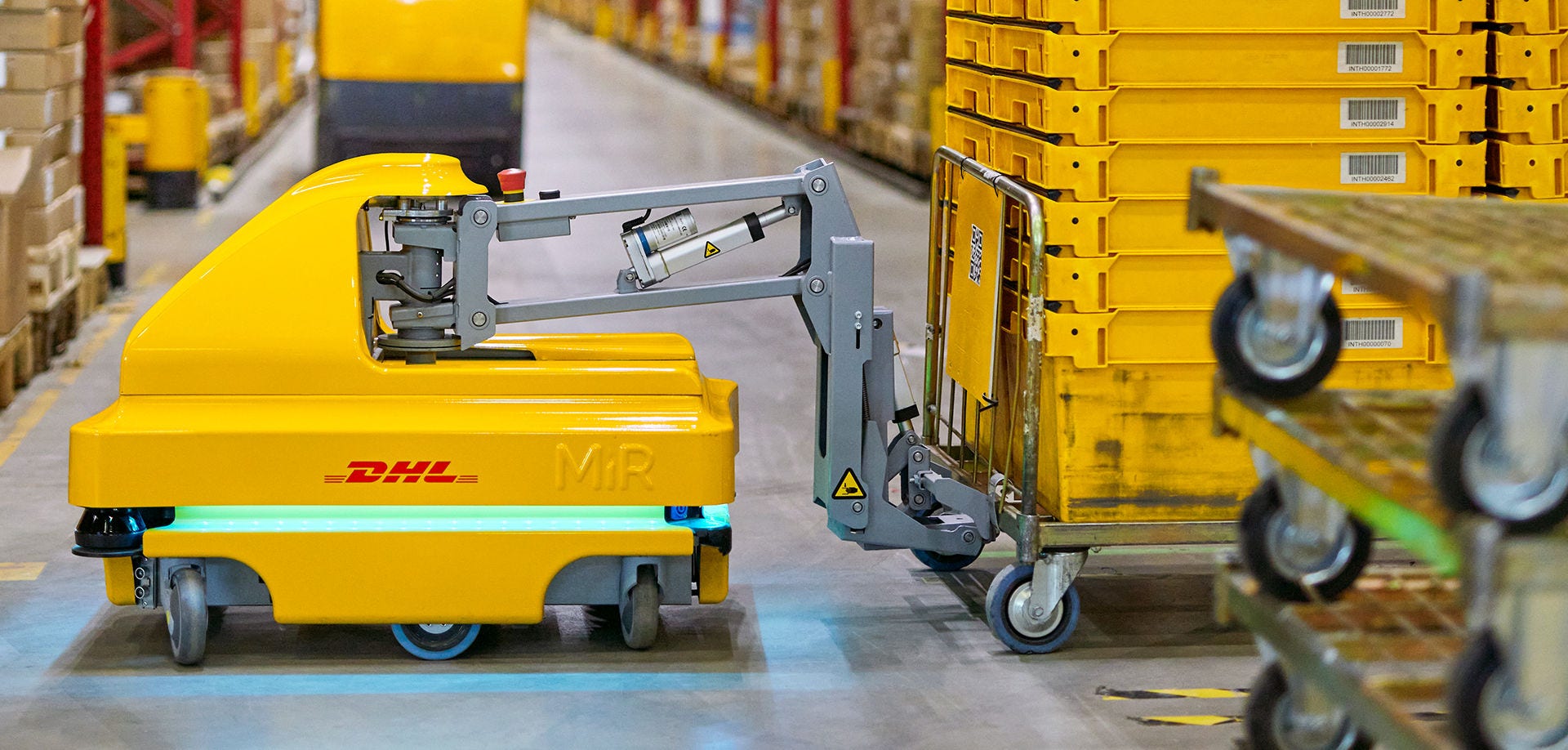
How quickly you need to implement automation depends on your local workforce and production goals. High-wage regions use robots to fill staffing gaps and make warehouses safer. In fast-growing industrial zones like those in Vietnam, the same machines are used to boost output and maintain consistent production quality.
Fast air shipping helps keep critical assembly line upgrades on schedule. If you need missing processors or sensor kits, DHL Express 12:00 gets them to your engineers early in the day, which can support your team in receiving components when they are needed.
Regional Market Driver | Primary Operational Priority | Ideal Automation Solution |
|---|---|---|
High Labour Costs | Lower physical overheads and improve warehouse safety | Automated Guided Vehicles (AGVs) |
Personnel Shortages | Maintain consistent operational capacity in key facilities | Autonomous mobile picking systems |
Volume Expansion | Increase total daily production throughput and consistency | High-speed multi-axis robotic arms |
Setting up these lines takes real knowledge of your local market, which for many businesses in Vietnam means scaling manufacturing capacity. Manufacturing's share of the workforce in high-income countries is projected to fall from 11.4% to 8.3% by 2050, according to a Center for Global Development study, and automation is precisely what's being developed to fill that gap. Moving these systems by air can support faster deployment in some cases.

Multi-functional robots often run into classification questions. Their combination of mechanical, optical, and computing parts makes them hard to classify, and one robotic arm can fall under several different tariff codes depending on its primary application. An inaccurate declaration can lead to requests for inspection or additional information while your documentation is reviewed.
My Global Trade Services (MyGTS) helps your compliance team check tariff definitions and build a solid documentation trail before your shipment even flies. Checking your codes early helps you prepare complete and consistent documentation before you ship.
Getting your paperwork ready early helps reduce friction at the border. For some types of industrial machinery, this can include registering for a State Quality Inspection, depending on the product type, its HS classification, and the Vietnamese regulations that apply. Where it is required, that process checks the equipment against the relevant National Technical Regulations (QCVN). Preparing your documentation accurately the first time helps reduce avoidable issues later in the project.
Shipping advanced robotics takes real physical protection and accurate customs documentation. DHL Express offers shipping support and tools to help you prepare your shipment information, including Dangerous Goods handling for battery-powered components and MyGTS for classification before you ship.
Contact DHL Express today to discuss the shipping requirements for your automation project.
Robotic systems use highly sensitive sensors and logic boards that are vulnerable to shocks and continuous vibrations. Specialised shipping setups protect these delicate calibrations during international transport.
When importing to Vietnam, the HS classification for a robotic arm depends on the specific equipment, its function, and the tariff rules that apply, because these machines combine mechanics, computers, and optical sensors. Your shipments need to meet the applicable Vietnamese requirements and standards, and the relevant declaration information needs to be prepared in full.
DHL Express transports batteries integrated within robotic machinery under IATA Packing Instructions such as PI967 and PI970 Section II, subject to a contractual agreement. Acceptance is subject to the applicable dangerous goods requirements and conditions of carriage.
You can use My Global Trade Services (MyGTS) to check Harmonised System codes for multi-functional hardware before you ship. Having the correct tariff classifications helps you prepare complete and consistent declaration documentation.
Yes, using time-definite options like DHL Express 12:00 lets you get replacement processors and sensors during morning hours, which can support your team in receiving components within the timeframe your operation needs.
Share