Separating your physical store stock from your website inventory can lead to double handling, higher storage fees, and lost sales. Consolidating inventory data across channels helps you connect your sales channels and manage orders more centrally.


 Share

Your online store might indicate an item is out of stock, while your physical shop shelf suggests otherwise. This kind of disconnect could be costing you sales, storage fees, and may affect the customer experience. Consolidating your inventory data helps you allocate each order from the most suitable location with stock available.
When your online store lacks visibility into what is on your physical shelves, you may unfortunately have to inform a digital customer that an item is out of stock, while that very same product sits unsold in your brick-and-mortar outlet.
According to IHL Group research reported by Chain Store Age in September 2025, global inventory distortion (the combined cost of stockouts and overstocks) cost retailers approximately $1.73 trillion in the past year. Asia-Pacific alone accounted for $642 billion of that, which represents more than a third of the worldwide total.
This lack of synchronisation often compels merchants to hold redundant backup stock in centralised facilities, which in turn inflates storage fees. By integrating your sales channels, you can release that tied-up capital and move towards running a leaner operation.
When you are handling hundreds of individual orders, the costs of fragmented handling and shipping can accumulate quickly. These are some of the main sources of that potential waste:
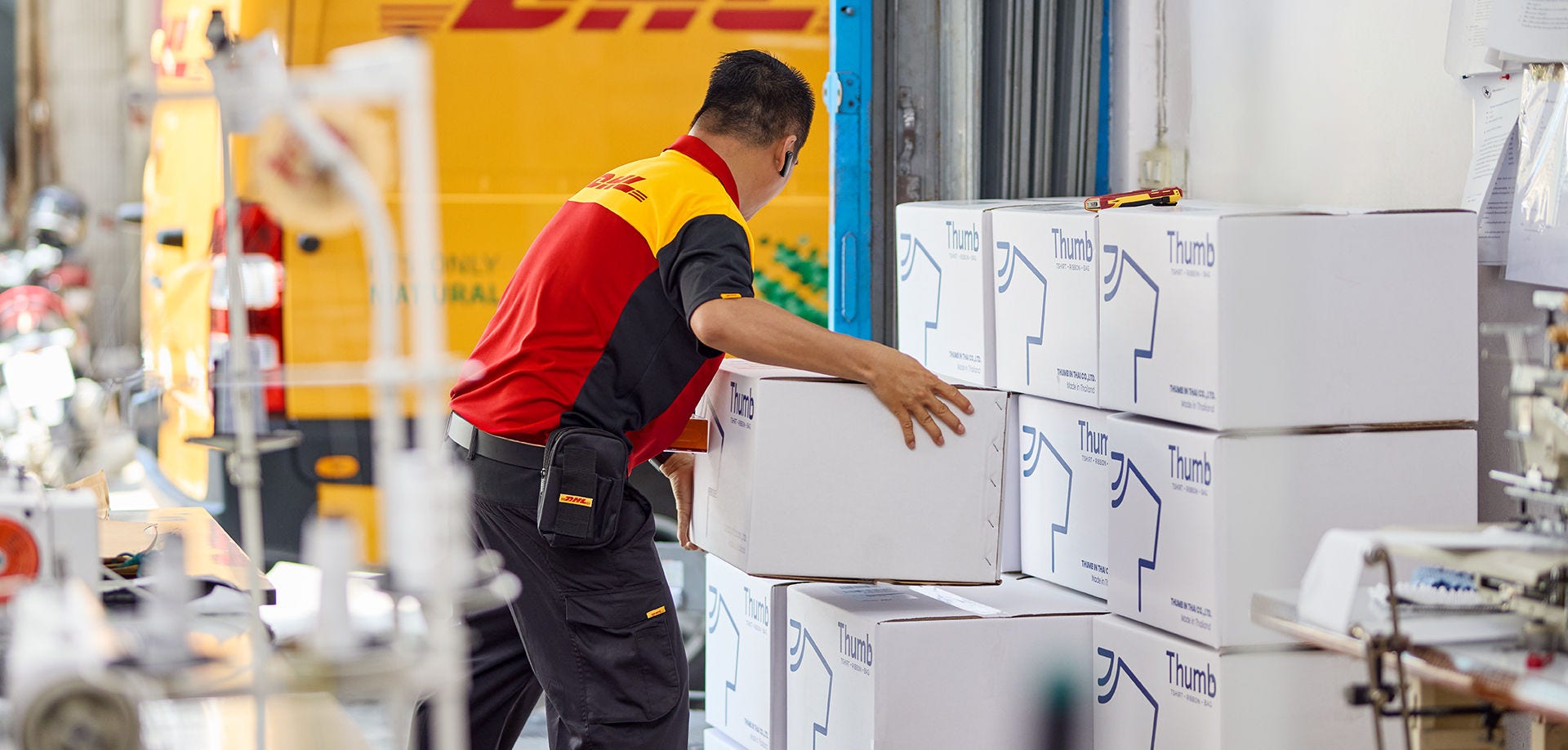
The Ship from Store model can be effective because your physical shops are usually closer to urban customers than a centralised warehouse might be. If you have retail staff pick and pack web orders from stock already held in store, transit times could potentially drop quite quickly.
This approach also puts your floor space and staff to work during quieter periods, and shipping from high-street locations can reduce regional distribution delays. In some cases this model can meaningfully shorten handling and delivery times, depending on the destination, the service selected and the pickup timing.
A fixed daily pickup schedule, like our Dedicated Pickup and Dedicated Delivery services, means you can ship international orders straight from the store counter instead of coordinating transport runs to a distant warehouse. Capacity can come under greater pressure during the Tet Nguyen Dan holiday period, which can make handling orders at the point of sale a useful source of additional flexibility, especially if you're managing outbound freight from a major hub like Ho Chi Minh City.
You can start with these key steps:
In mature markets like Singapore, click and collect services can only work effectively with a unified inventory system that synchronises actual store stock with the inventory shown on your website.
If a customer arrives at your store and their pre-ordered item isn't there, brand loyalty can be negatively impacted. DHL Express Worldwide supports the international shipment of stock to retail stores for replenishment, helping local collection points stay stocked.
Consumer expectations can vary widely by geography. In Vietnam, while click and collect is growing, many customers still prefer cash-on-delivery or the flexibility of collecting from designated convenience stores and local collection points. It is advisable to research these preferences before finalising your fulfilment approach.
Here is a comparison of how they stack up against each other:
Fulfilment Model | Inventory Source | Delivery Destination | Key Benefit |
|---|---|---|---|
Standard E-commerce | Centralised Warehouse | Customer Home | Maximises central stock control and simplifies bulk packing |
Ship from Store | Retail Shop Floor | International Customer | Reduces transit distances by shipping from the nearest physical shop |
Click and Collect | International Inbound | Local Retail Branch | Eliminates residential delivery fees and drives physical foot traffic |
You can integrate regional digital platforms by connecting your inventory database to them through APIs. This lets you synchronise product, stock and order information across your sales channels, wherever your customers happen to be shopping. In some regions, this means utilising all-in-one 'super apps' that are used for instant delivery, social browsing, and mobile payments.
Your omnichannel strategy should aim to connect these platforms to your physical stores to capture those active digital shoppers. For orders from social commerce or super app storefronts, the DHL Express Mobile App and On Demand Delivery let buyers choose a safe place or a new date, which helps to cut down on failed delivery attempts.
That flexibility can also help to build trust with first-time international buyers. If you are managing outbound freight, you can link your backend to popular local platforms such as Zalo or Grab.
These are some common demands this strategy can address:
Shipping an order from a local shop to an international buyer means the order will be subject to the customs rules of both the export and import markets, whether you are fully prepared for that or not. If you get the tariff classification, valuation, or import restrictions wrong, this can lead to border delays, which may affect your store ratings and increase customer service complaints.
Every international package requires the same level of regulatory care as a large shipment from a warehouse, no matter how small the order. My Global Trade Services (MyGTS) helps merchants calculate duty rates and check import restrictions before shipping, helping you prepare for the customs requirements of each market.
The de minimis threshold, the value below which duties and taxes may not be charged, applies based on the destination market's rules rather than your own. These thresholds vary by market and have been revised in several countries in recent years, so confirm what currently applies before you ship. For your own export declaration process from Vietnam, you can consult the Vietnam Customs Department, under the Ministry of Finance. Using the Duty Tax Paid billing service helps ensure applicable duties and taxes are paid by the shipper upfront.
When dispatching specialised items such as those with built-in electronics, your packaging needs to meet the applicable packing and air transport requirements for that item. It is good practice to run through this list before every cross-border sale:
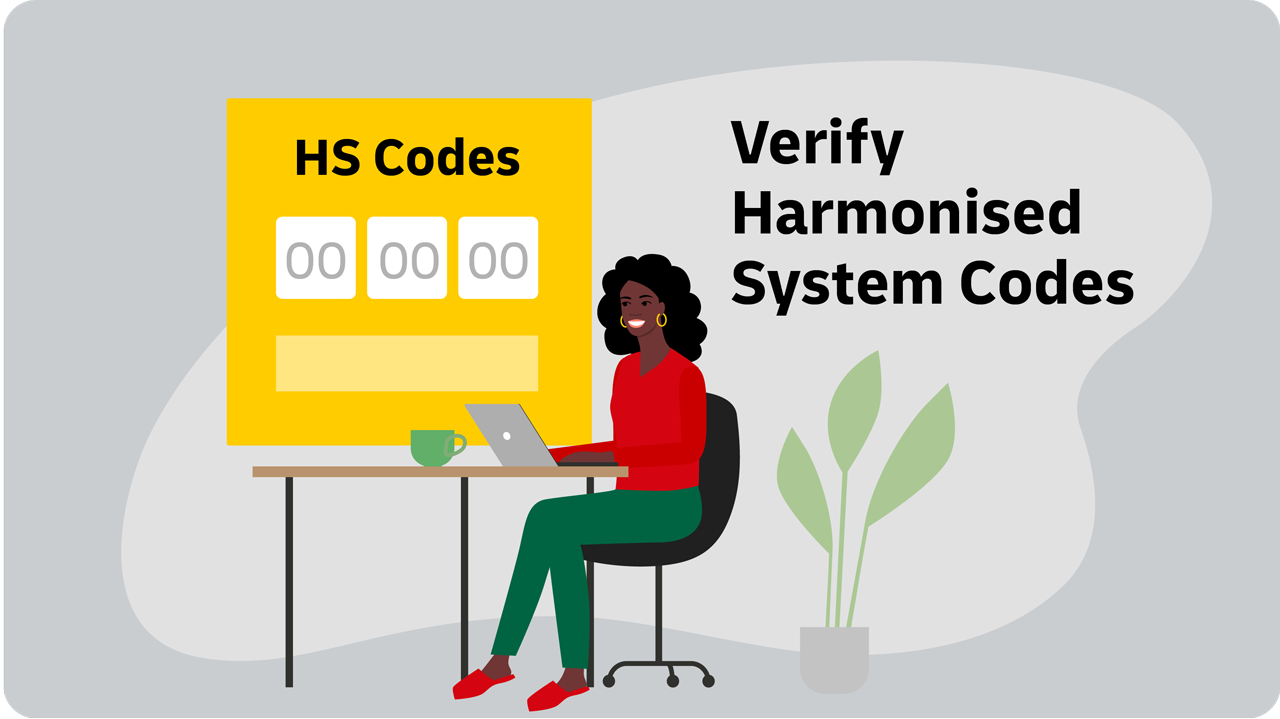
Verify Harmonised System Codes: Use MyGTS to find the correct trade codes for every item on your shop shelves.
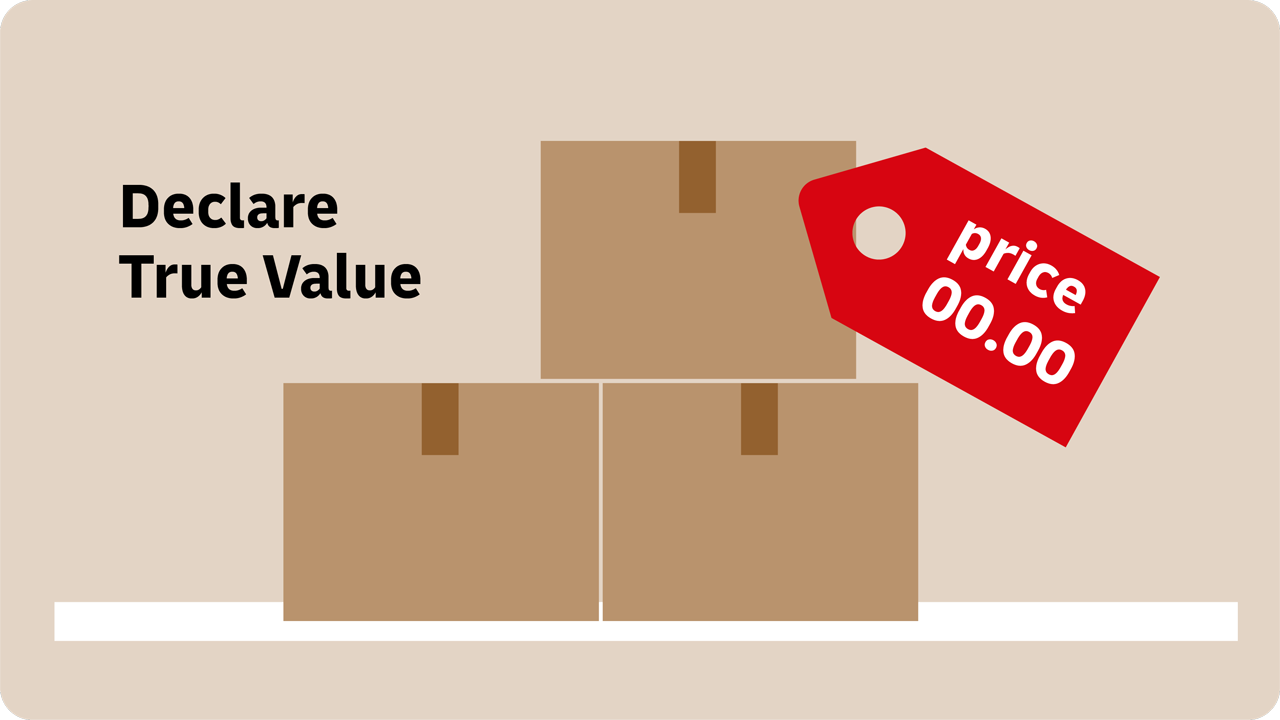
Declare True Value: Make sure the commercial invoice matches the exact purchase price paid by the online customer.
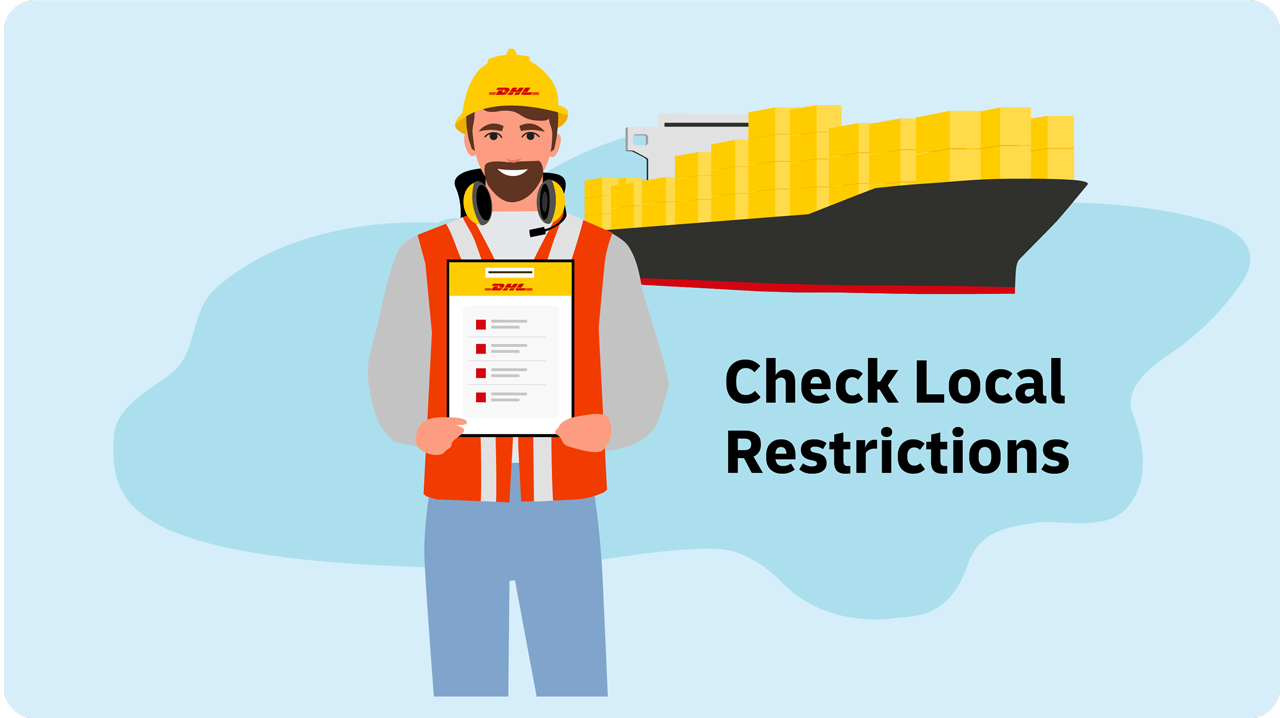
Check Local Restrictions: Identify if destination markets require special permits for specific consumer goods.
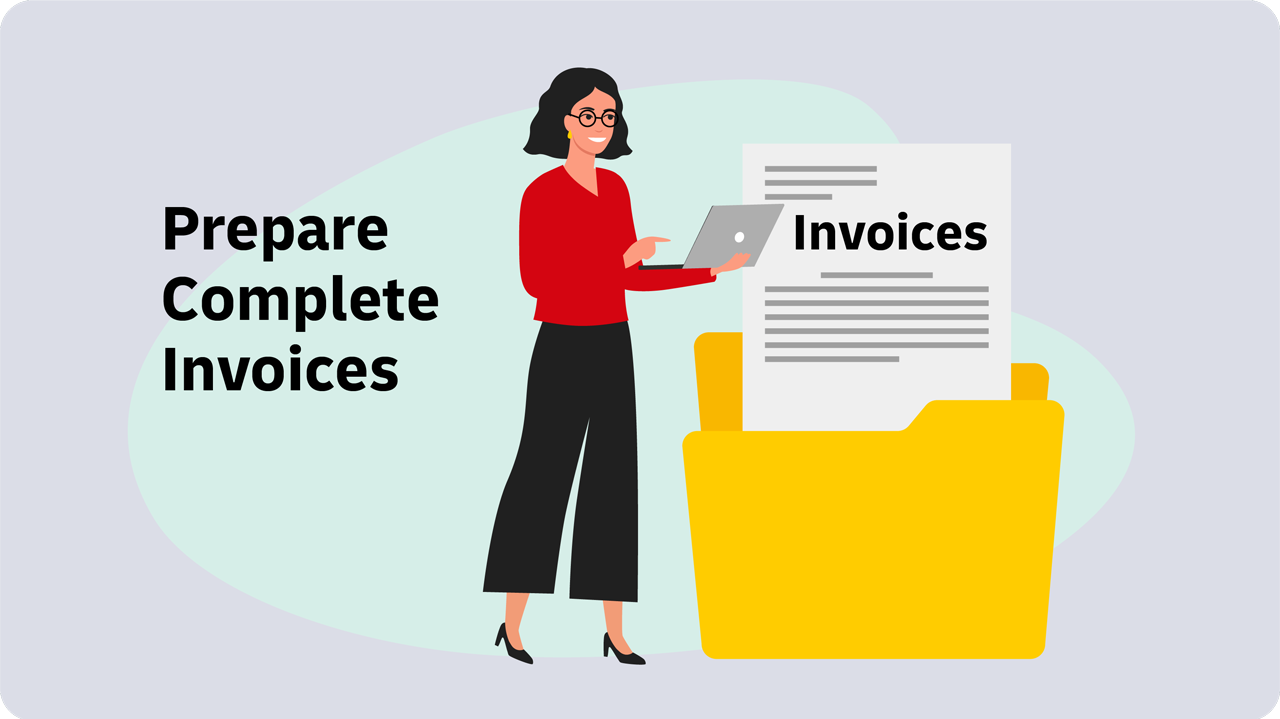
Prepare Complete Invoices: Provide detailed descriptions of goods instead of vague terms like 'gift' or 'sample'.
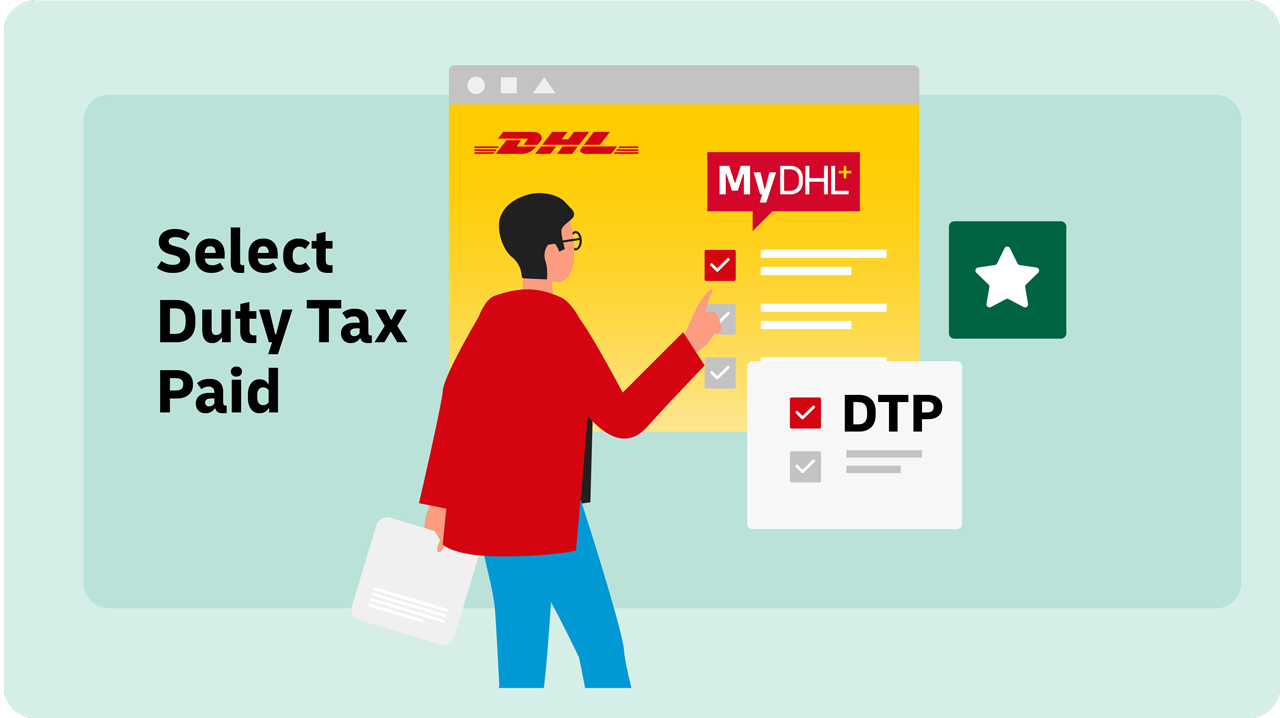
Select Duty Tax Paid: Choose the DTP billing option in MyDHL+ to help keep the final delivery frictionless for the end consumer.
Connecting your physical retail outlets to your online platform can create a unified inventory network that helps to lower storage fees and speed up international delivery. We support that shift with tools like MyGTS for customs preparation, alongside fixed daily pickup and delivery services direct from your retail counter.
You can speak to a DHL Express specialist today to find out more about integrating your e-commerce channels and connecting your physical stores to international customers.
Separating your physical store stock from your website inventory can lead to double handling, higher storage fees, and lost sales. Consolidating inventory data across channels helps you connect your sales channels and manage orders more centrally.
Physical shops are often located closer to urban customers than centralised warehouses are, which means web orders can be picked and packed from stock already held in store. We support that model with Dedicated Pickup and Dedicated Delivery direct from your retail counter, which can cut transit times and put quiet in-store hours to better use.
An effective click and collect service requires precise real-time stock updates to avoid customer disappointment at the pickup counter. DHL Express Worldwide supports the international shipment of stock to retail stores for replenishment.
Your omnichannel strategy should connect with popular regional platforms to capture mobile-first consumers, wherever they may be shopping from. The DHL Express Mobile App and On Demand Delivery let buyers manage their final delivery preferences directly, which can reduce failed delivery attempts and help build trust with first-time international shoppers.
Incorrect documentation on international shipments can cause border delays and create unexpected costs for your customers. MyGTS can help you check import restrictions and calculate duty rates before dispatch, and the Duty Tax Paid billing option helps ensure applicable duties and taxes are paid by the shipper upfront.
Share