#LogisticsAdvice



 Share
Share
Cross-Border Trade in South Africa: How SARS Customs Works and How to Stay Ahead
Share
South Africa's cross-border trade market is full of potential. Whether you're a small business owner importing stock from China, a manufacturer sourcing raw materials from across the SADC region, or an e-commerce seller shipping locally made goods to international customers, the opportunity is real. But so is the complexity.
Between SARS customs duties, import VAT, HS codes, and electronic declarations, the process can feel overwhelming. The good news? It doesn't have to be. Once you understand how the system works, you can plan smarter, avoid costly mistakes, and move goods with confidence. And with the right logistics partner behind you, it becomes easier still.
How SARS Calculates Customs Duties and Taxes
Every customs transaction in South Africa comes down to three things: the customs value of your goods, the correct Harmonised System (HS) code, and the applicable duty rate for that classification.
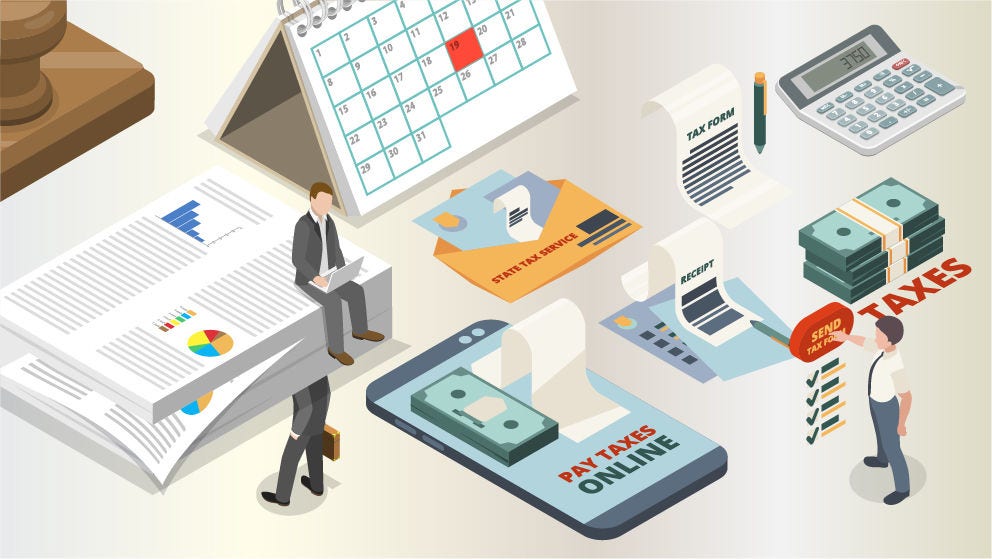
The customs value is typically the cost of your goods plus shipping and insurance, what SARS uses as the base for all its calculations. The HS code, drawn from a schedule of over 8,690 tariff lines, tells SARS exactly what your product is, which in turn determines the duty rate that applies. Once your customs broker files the electronic SAD500 declaration and SARS accepts it, duties and import VAT must be settled before your goods are released.
Import VAT currently sits at 15% and is calculated on the customs value plus the duty amount. It's a logical system, but it demands precision at every step. One incorrect figure, one misclassified product, and you're looking at delays, or a bill you weren't expecting.
Why Your Documentation Has to Be Right
Here's where most shipment delays actually originate: paperwork. Specifically, incomplete, inaccurate, or inconsistent paperwork.
Your commercial invoice and packing list form the foundation of your customs documentation. The invoice is the source of truth that SARS uses to calculate duties, verify compliance, and assess risk. If it's missing fields, contains vague product descriptions, or doesn't align with the electronic declaration submitted to SARS, your shipment can be held.
Since April 2025, SARS has tightened its digital controls significantly. All invoice details must now align precisely with the electronic export or import declaration. A mismatch between your paperwork and your eDeclaration data is one of the most common reasons shipments get flagged for inspection, and that can add anywhere from 5 to 14 days to the clearance process.
Getting it right the first time isn't just good practice. It's essential.
The Real Cost of a Customs Delay
Most importers and exporters think about duties and broker fees when calculating costs. What they often overlook is the cost of delays.
Storage charges at South African ports and airports can run between R500 and R2,000 per day, and they start accumulating quickly once the free storage period ends. A shipment held for two weeks due to a missing certificate of origin, for example, could rack up storage fees that far exceed what a customs broker would have cost from the outset.
Proactive preparation, gathering all required documents before your goods arrive, is one of the most cost-effective things you can do. A small investment upfront saves significant money and stress down the line.
Smart, Legal Ways to Reduce What You Pay at Customs
High import costs don't have to be a fixed expense. There are several legitimate strategies that can meaningfully reduce what you owe.
Use trade agreements. Importing from SADC or SACU member countries can slash or eliminate duties entirely, provided you hold a valid Certificate of Origin. If you're sourcing from within the region, this is worth investigating.
Consider bonded warehousing. Storing inventory in a bonded warehouse lets you defer duty and VAT payments until goods are released for local distribution. For seasonal stock or slow-moving inventory, this is a powerful cash flow tool.
Claim VAT relief where you qualify. If you're using imported goods for manufacturing or re-exporting them, you may be eligible for tax relief schemes. Check with your customs advisor to see what applies to your business.
Audit your HS codes. Misclassification is one of the most common, and most costly, customs mistakes. Double-checking your tariff codes can prevent accidental overpayment and reduce the risk of penalties.
Right-size your packaging. Smaller, lighter boxes reduce your shipping costs, which directly lowers the customs value SARS uses to calculate duties and VAT. It's a simple change that adds up over time.
DHL On Demand Delivery: Control at the Last Mile
Once your goods clear customs, the focus shifts to getting them where they need to go, reliably, and on your terms. That's where DHL's On Demand Delivery (ODD) service comes in.
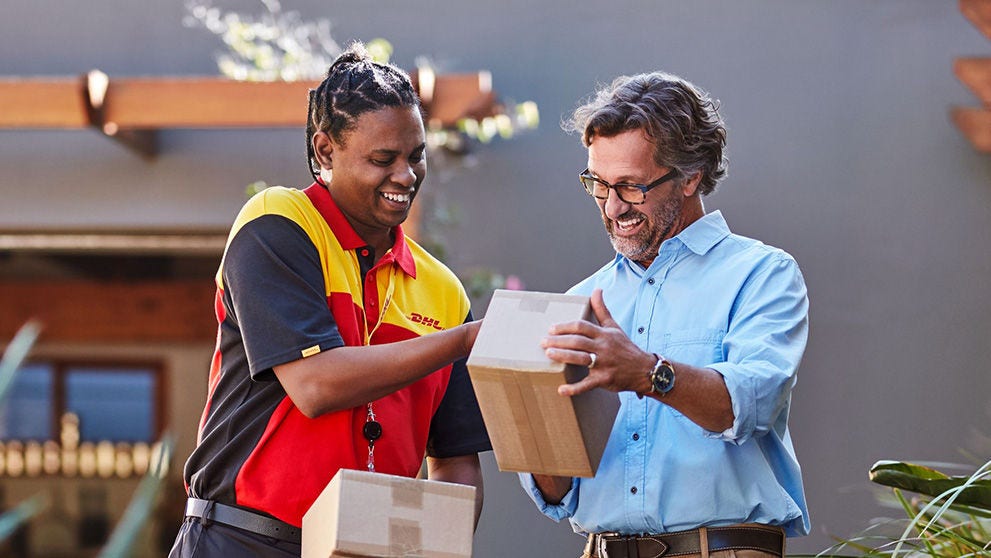
ODD puts delivery control in the hands of the recipient. Through the platform, you can receive real-time shipment alerts at every stage of the journey, change your delivery date, redirect your shipment to an alternative address, or collect from a nearby DHL Service Point or locker. Going away? Place your shipment on vacation hold so nothing gets missed. You can even arrange delivery to a neighbour, concierge, or security guard.
It's a flexible, convenient layer of last-mile control that takes the uncertainty out of receiving international shipments, something anyone who has waited at home all day for a delivery will appreciate.
Why the Right Logistics Partner Makes All the Difference
Customs regulations don't stand still. Rules change, new requirements are introduced, and destination-specific details, like including a consignee's Tax Identification Number on a Bill of Lading for certain markets, can catch even experienced traders off guard.
Working with a knowledgeable logistics partner like DHL reduces the risk of errors, minimises delays, and ensures you're always operating with the most current regulatory information. Whether you're importing for the first time or managing a high-volume cross-border operation, that kind of expert support makes a measurable difference.
With SARS continuing to tighten digital controls and expand enforcement, the margin for error is getting smaller. Businesses that treat customs compliance as a foundation, not an afterthought, are the ones that move goods faster, avoid unnecessary costs, and build more reliable supply chains.
Ship Smarter with DHL South Africa
Navigating SARS customs doesn't have to be overwhelming. Understand how duties are calculated, get your documentation right, and take advantage of the tools and strategies available to manage your costs.
South African cross-border trade is rich with opportunity. DHL South Africa is here to help you access it, combining deep customs expertise, reliable international logistics, and flexible last-mile delivery through On Demand Delivery to give you more control at every stage of the journey. Whether you're just starting out or looking to sharpen an existing operation, open a DHL Express Business Account and experience the difference that the right partner makes.
Frequently Asked Questions
High customs costs don't have to be a fixed line on your balance sheet. With the right approach, there are legitimate, tried-and-tested ways to bring those costs down, and they're worth knowing about.
Leverage SADC or SACU trade agreements. If you're sourcing goods from member countries within the Southern African Development Community or the Southern African Customs Union, you could qualify for significantly reduced, or even zero, duty rates. The key requirement is a valid Certificate of Origin. Get that right, and you could be saving a meaningful amount on every shipment.
Use a bonded warehouse. This is one of the smarter cash flow tools available to South African importers. A bonded warehouse lets you store your goods duty- and VAT-free until you're actually ready to release them into the local market. You're not paying upfront for stock that's sitting on a shelf, which, in a tight economy, makes a real difference.
Downsize your packaging. It might seem like a small thing, but it adds up. SARS factors your shipping costs into the overall taxable value of your goods, so leaner, lighter packaging directly reduces what you owe. It's one of the simplest cost-saving adjustments you can make.
Once your shipment clears customs, the last thing you want is to be stuck waiting around for a delivery that doesn't fit your schedule. That's exactly the problem DHL On Demand Delivery (ODD) solves.
Through real-time alerts and a straightforward online platform, ODD puts you in control of how and when your parcel arrives. You can reschedule to a date that works better for you, redirect the delivery to a different address, your office, a family member, wherever makes sense, or authorise the courier to leave it with a neighbour, concierge, or security guard. Going away? You can place your shipment on a vacation hold and pick things up when you're back. Prefer to collect it yourself? Simply choose a nearby DHL Service Point or secure locker at your convenience.
It's delivery on your terms, not ours.
SARS uses a combination of three elements to work out what you owe on an international shipment, and understanding each one helps you plan ahead.
The Customs Value is the starting point. This isn't just the purchase price of your goods. It includes the product cost, shipping fees, and insurance, all rolled into one figure.
The HS Code is a standardised tariff classification code that identifies exactly what your product is. Different products attract different duty rates, so getting this right matters.
Import VAT is applied at the standard South African rate of 15%, calculated on the combined total of your customs value and the applicable duty amount.
Put those three together, and you have your total tax liability. The good news is that with the right preparation, accurate documentation, correct classification, and a reliable logistics partner, there are no nasty surprises.
Yes. When you ship internationally with DHL Express, customs clearance is managed as part of our service, so you're not navigating that process alone.
What's worth noting is that import duties, taxes, and any destination-country charges are not included in your shipping rate. These are determined by local authorities, and depending on your shipment terms, they may be payable by either the sender or the recipient. Our team will always keep you informed so there are no unexpected costs along the way.
If duties or taxes are due on your shipment, DHL Express will notify you with clear, straightforward payment instructions, no confusion, no chasing.
For once-off shippers or recipients, you'll receive an email or SMS with a secure link to pay online through DHL's On Demand Delivery (ODD) system. If you're a DHL business account holder, duties and taxes will be invoiced through DHL MyBill after delivery, unless they've been prepaid or charged to the recipient upfront.
Either way, the process is designed to be as simple and transparent as possible.
Share
Similar Stories