Incoterms are more than just a line item on your sales contract. For South African exporters and importers, they set the ground rules for who carries the risk, who’s responsible for the cargo, and how far your freight forwarder’s reach actually goes.
Get this wrong, and you could end up paying to insure goods you no longer own, or footing the bill for a shipping leg that was never your problem to begin with.
What Are Incoterms?
Think of Incoterms as the global playbook: eleven standard trading terms published by the International Chamber of Commerce, now in their 2020 edition. Each Incoterm comes with a checklist: ten duties for the seller, ten for the buyer. They spell out delivery points, risk transfer, who books the shipping, who handles insurance and paperwork, and who coughs up for customs clearance.
A few 2020 changes matter: DAT is now called DPU, insurance requirements for CIP got a bump, and FCA got a tweak to help with those on-board bills of lading needed for some letters of credit.
But here’s the catch: Incoterms don’t actually transfer ownership, set your price, or decide how you get paid. That’s the job of your sale contract.
The Four Sea Freight Incoterms
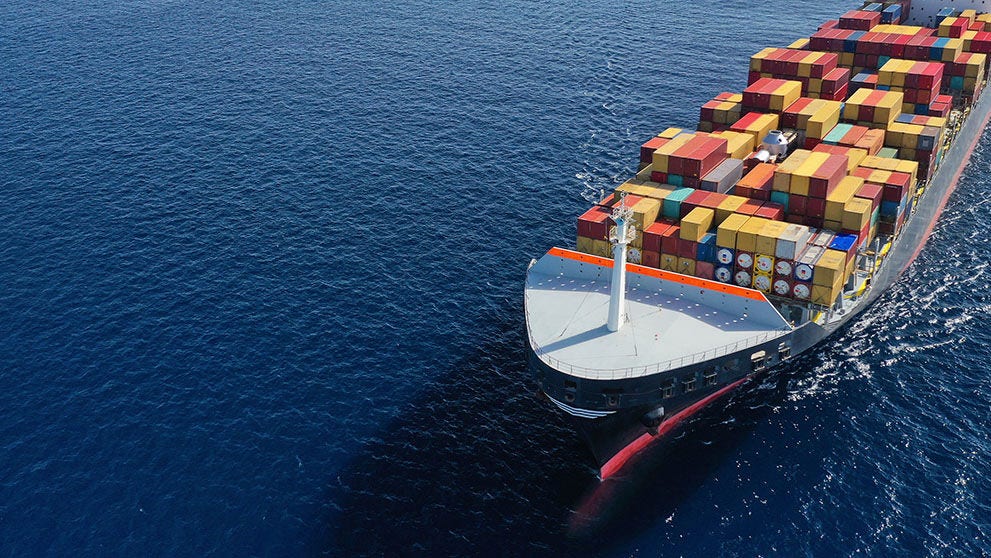
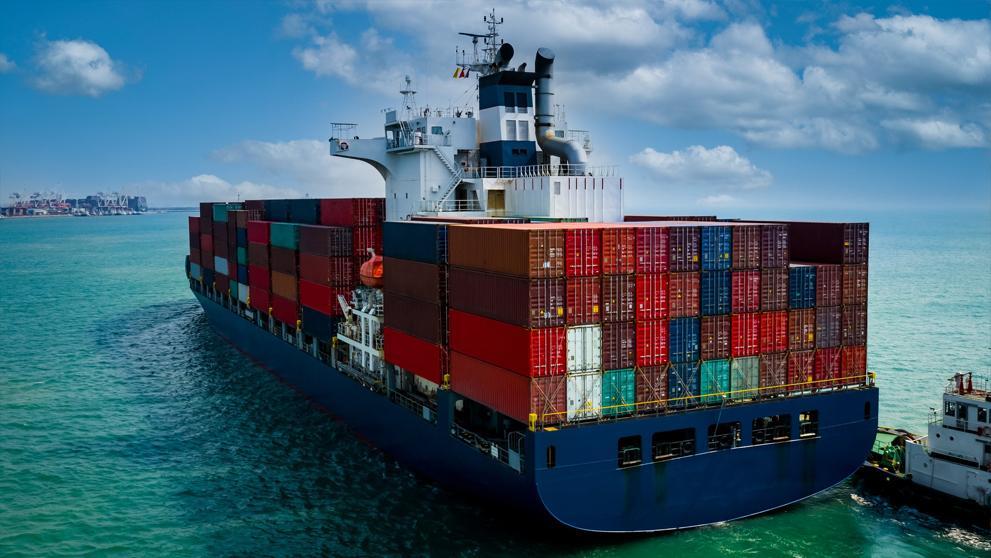
Of the eleven, just four are meant for pure sea or inland waterway transport. Save these for when your goods travel port-to-port by ship.
FAS (Free Alongside Ship): You drop the goods next to the vessel at the port. Classic for bulk loads moving out of places like Saldanha or Richards Bay.
FOB (Free On Board): Once your cargo is on the ship, risk moves to the buyer. The buyer sorts out the main carriage, a favourite for those with solid shipping contacts.
CFR (Cost and Freight): You pay to get the goods to the destination port, but risk jumps to the buyer as soon as the goods are shipped.
CIF (Cost, Insurance and Freight): Like CFR, but you also arrange insurance. It’s the go-to for letter of credit deals, since the buyer gets the full landed cost upfront.
CFR and CIF often trip people up. You might be paying to get goods all the way to Rotterdam or Hamburg, but your risk ended back in Durban.
The C rules catch people out. Delivery and destination are deliberately different points, so under CFR and CIF you carry the freight cost to Rotterdam or Hamburg while the risk has already left you at Durban.
Why Containers Change the Game
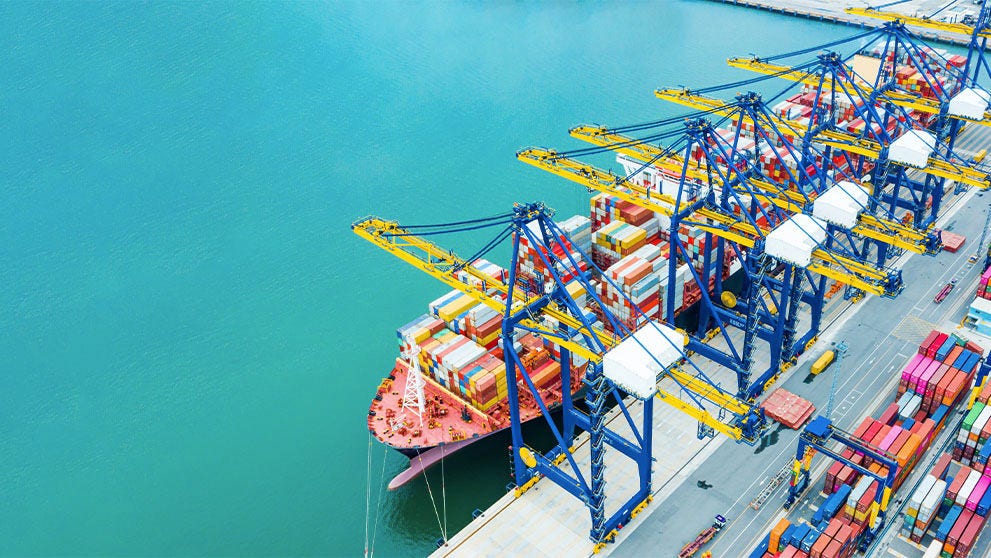
Here’s the thing: the sea-only Incoterms work best for bulk or breakbulk cargo, not containers. Containers usually hit the yard days before loading, leaving sellers on the hook for risks they can’t control. That’s why the ICC recommends using FCA for containers, and terms like CPT, CIP, DAP, DPU or DDP for air or multimodal shipments. Still, many South African exporters stick to FOB, mostly because letters of credit ask for an on-board bill of lading. The 2020 update to FCA was designed to close this gap.

How Your Incoterm Shapes Your Freight Forwarding
With F rules, the buyer picks the carrier, so your freight forwarder’s job stops at the port. With C and D rules, you’re in charge of the carriage, meaning your forwarder handles the main leg (and sometimes more).
This single choice decides whether you get to control routes, schedules, and consolidation, or simply hand over your goods and cross your fingers.
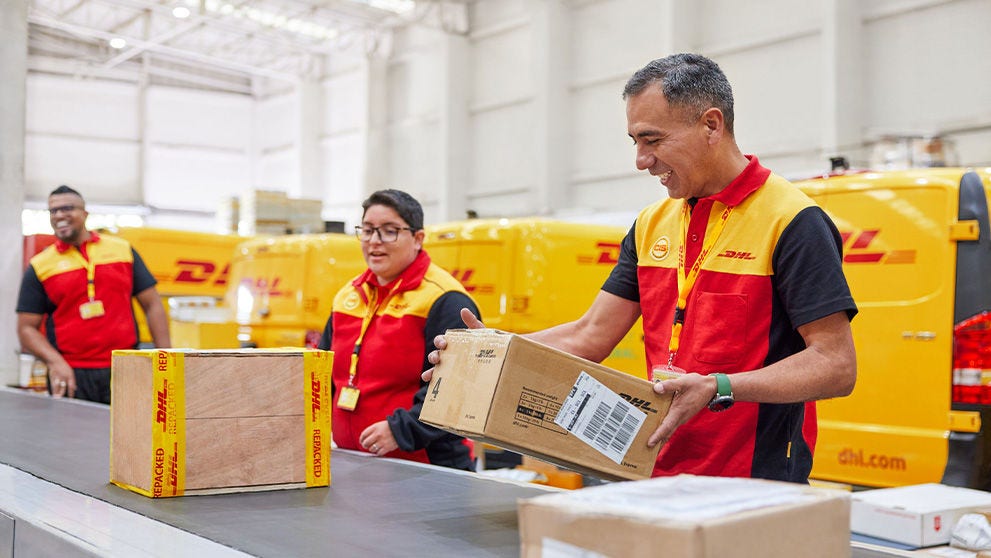
Selling on C or D terms is where a forwarder like DHL shines. Whether you’re shipping full containers (FCL) or smaller loads (LCL), DHL Global Forwarding offers flexible solutions. For exporters bundling orders from several suppliers, consolidation options keep things cost-effective. With myDHLi Quote + Book, you get instant FCL and LCL rates, and can add customs clearance and insurance in a single booking, making CIF and DDP paperwork a breeze, all in one place.
Be sharp about cargo insurance. Both CIF and CIP require cover for at least 110% of the contract value, but CIP asks for broad “all risks” cover (Institute Cargo Clauses A), while CIF’s minimum is much narrower (Clause C). Don’t assume every CIF policy gives you full protection. Many-a South African exporter has learned that lesson the hard way.
Getting More from Your Incoterm
Always be specific about your ports. “CIF Europe” isn’t a thing. Name the exact port. Decide upfront if you want to be the one booking the carriage, because that’s what gives you leverage on routing and rates. Review your Incoterm choices every year, based on real claims data, not just what your first customer suggested.
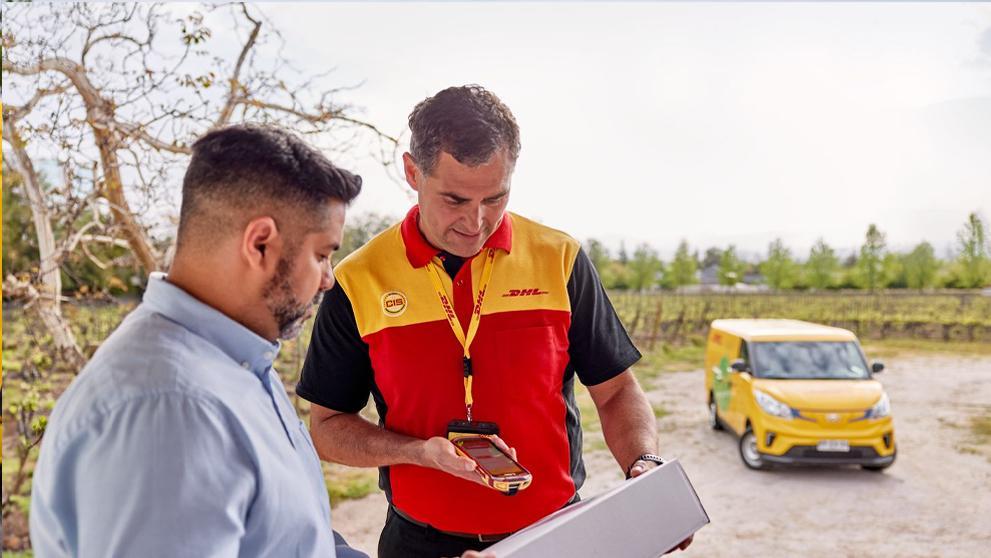
Running your shipments through a DHL business account makes life easier. You get better rates, consolidated billing, expert customs support, and end-to-end shipment tracking, all the benefits of a world-class logistics partner, right here in South Africa.
FAQs
A good freight forwarder is more than just someone who books space on a vessel or plane. Depending on your needs, the right partner will take care of everything from transport arrangements and customs paperwork to consolidating shipments, securing cargo insurance, and giving you real-time visibility on your goods, even when they’re moving between different carriers. It pays to work with a forwarder who’s familiar with your specific route and shipping method. That local know-how can make all the difference, helping you avoid surprises and keeping your supply chain running smoothly. Want the full story? Take a look at What Is a Freight Forwarder? A Complete Guide for Importers and Exporters
Yes, DHL Express handles the customs clearance process as part of its international shipping services. However, any import duties, taxes, or other government charges imposed by the destination country are not included in the shipping rate and may need to be paid by the shipper or receiver.
Customs duties and taxes on imports are calculated based on several key factors:
HS Code: The Harmonized System (HS) code that classifies the product
Declared Value: The item's value plus insurance and shipping (CIF value)
Country of Origin: Where the goods were manufactured
Destination Country's Rules: Local tariffs, VAT, and other taxes
Each country has its own formulas and requirements. If you're looking for a customs duties and taxes calculator to estimate costs in advance, try the Pre-Shipment Planner on DHL Express' Global Trade Services (MyGTS).


 Share
Share

Similar Stories