Black Friday is a great time to pick up a bargain and get a head start on festive-season shopping. In South Africa, Black Friday 2026 falls on Friday, 27th November, followed by Cyber Monday on 30th November.
As online shopping activity increases, though, so do attempts to take advantage of busy, distracted shoppers. You may receive a message claiming that your parcel is delayed, your address is incomplete or a small payment is required before delivery. It may look convincing, but it could be a phishing attempt designed to steal your banking details or personal information.
A few simple checks can help you shop with greater confidence and avoid an expensive mistake.
Great Deal or Clever Scam? Four Black Friday Traps to Avoid
Fraudsters often use familiar shopping and delivery scenarios to make fake websites, promotions and messages appear genuine. Here are four common scams to watch for during the Black Friday rush.
1. The Online Store Offering an Unbelievable Price
You spot a popular smartphone, television or designer item at a fraction of the price advertised by other South African retailers. The website looks professional, displays high-quality product images and may even feature glowing customer reviews.
The catch is it could be a copycat store created to collect payments and personal information without ever delivering the goods.
Before buying, check the website address carefully. Look for credible contact details and read independent customer reviews on platforms not controlled by the retailer. Take extra care with social media adverts that direct you to unfamiliar online stores. If the price seems far too good to be true, there’s a good chance it is.
2. The DHL Delivery Message Asking for Another Payment
An SMS, WhatsApp message or email appears to come from DHL. It claims that your parcel cannot be delivered because your address is incorrect, customs charges are outstanding or a small redelivery fee must be paid. The message includes a link that asks you to make a payment or enter personal information. That link may open a fake DHL website designed to capture your card details, online banking credentials or one-time PIN (OTP).
Legitimate customs duties and taxes may apply to international shipments. Still, you should always confirm that the payment request relates to a parcel you’re expecting before paying anything.
3. The Giveaway With Strings Attached
Fraudsters may impersonate well-known retailers, couriers and consumer brands with offers of free vouchers, shopping rewards or expensive prizes. You might be told that you’ve won a competition or qualified for an exclusive Black Friday reward.
To claim it, you’re asked to submit personal details, pay an administration fee or share an OTP.
Check the promotion on the brand’s official website or verified social media accounts. Never share your banking PIN, account password or OTP to claim a prize. A legitimate company will not ask for this information.
4. The Customer Service Number That Connects You to a Scammer
When an order is delayed, it’s natural to search online for the retailer’s or courier company’s contact number. Scammers know this and may publish fake numbers in search results, paid adverts and social media posts.
When you call, a fraudster may pose as a customer service representative and ask for payment details, account information or remote access to your device. Use contact details found on the company’s official website or in an order confirmation you know is genuine. Don’t assume that a phone number is legitimate simply because it appears near the top of a search page.
Before You Pay: Know What a Genuine DHL Notification Looks Like
DHL Express may contact customers by email, SMS or WhatsApp with shipment updates. Recipients may also receive payment instructions when import duties or taxes are due on an international shipment.
For eligible shipments where the recipient is responsible for these charges, customers in South Africa may receive an email or SMS containing a secure payment link through DHL’s On Demand Delivery service. The exact process depends on how the shipment was booked and who has been assigned responsibility for the charges. A genuine request should relate to an actual shipment and include its Air Waybill (AWB) number. That’s the tracking reference linked to your parcel.
Instead of tapping the link in the message, enter the AWB number manually on DHL’s official tracking page. Check that the shipment exists and that the information matches the delivery you’re expecting.
Don’t trust a message solely because it contains a familiar sender name, DHL logo or tracking number. Fraudsters can copy branding and include convincing shipment details. Always verify the request independently.

Five Red Flags That Should Make You Pause
Some phishing messages are easy to spot
Others are carefully written to resemble everyday delivery notifications. Watch for these warning signs:
Unfamiliar links: Be cautious of shortened URLs, misspelt website addresses or links that don’t belong to DHL. A DHL logo on the page does not make the link legitimate.
Suspicious sender details: An unfamiliar phone number, unexpected international country code or generic sender name deserves a closer look.
Requests for sensitive information: Never provide your online banking password, card PIN, account login details or OTP through a delivery notification.
Pressure to pay immediately: Threats that your parcel will be destroyed, returned or withheld unless you pay within minutes are meant to create panic. Stop and verify the request before taking action.
Missing or unverifiable shipment information: A payment request without a valid AWB number is suspicious. If a number is provided, check it through DHL’s official tracking service rather than using the link in the message.
Received a Suspicious Message? Here’s What to Do
If something doesn’t feel right, don’t interact with the message until you’ve confirmed that it’s genuine.
Don’t click links or open attachments. Avoid using an unexpected message to track a parcel, update your address or make a payment.
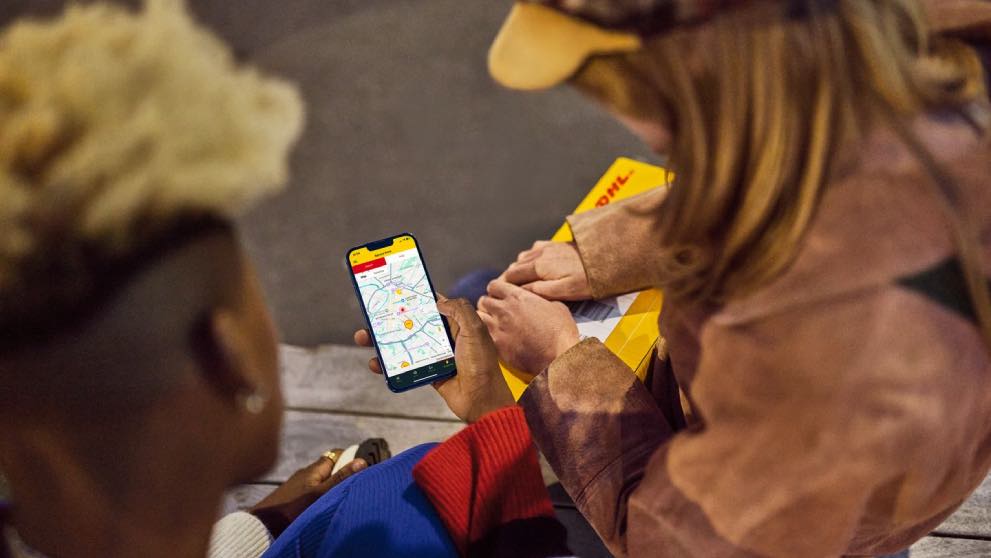
Check the shipment independently. Visit DHL’s official Track and Trace page and enter the AWB number yourself. If you don’t have one, contact the retailer or sender and ask for the correct tracking reference.
Verify payment requests. Confirm that the AWB number matches your shipment before paying duties or taxes. If you’re still unsure, contact DHL through its official channels.
Report the message. Suspected fraudulent emails, SMS messages, websites and social media accounts can be reported to phishing@dhl.com.
For a suspicious SMS, include a screenshot and the sender’s phone number. For a suspicious email, attach the original message where possible rather than simply forwarding it. This preserves technical information that may help with the investigation. Social media posts and accounts impersonating DHL can be reported to the same email address.
If you’ve already shared banking details or made a payment, contact your bank immediately. Ask the bank to secure the affected cards or accounts and advise you on the next steps.
Enjoy the Black Friday Rush Without the Unwelcome Surprise
Black Friday 2026 gives South African shoppers plenty of opportunities to save, but no bargain is worth risking your personal information or hard-earned money.
Check unfamiliar online stores before buying. Verify unexpected payment requests. Track parcels through official channels. And if a DHL-branded message seems suspicious, don’t reply, click its links or make a rushed payment.
For businesses managing higher order volumes during the festive shopping season, reliable tracking and clear delivery updates can also help customers distinguish genuine notifications from scams. Explore DHL Express shipping services and consider opening a DHL Express Business Account to support your business deliveries.
Yes. If you’re receiving an eligible international shipment and are responsible for paying customs duties or taxes, DHL Express may contact you by SMS or email with payment instructions. The message should refer to a genuine shipment and include the relevant Air Waybill (AWB) number.
Before making a payment, check the shipment details and follow DHL’s secure process for paying duties on parcels entering South Africa.
Start by checking the sender and confirming that the message includes a valid AWB number. You can then enter that number on DHL’s official tracking page to verify the shipment and check its status online.
Be wary of unfamiliar links, requests for passwords or banking details, and messages pushing you to pay immediately. Scammers often create a false sense of urgency, so take a moment to check before clicking or paying.
Send a screenshot of the suspicious SMS, together with the sender’s phone number, to phishing@dhl.com, DHL’s dedicated fraud-reporting mailbox. If you’ve received a suspicious email, attach the original message where possible. This preserves the technical information DHL may need to investigate it.
If something doesn’t look right, don’t click the link or make a payment until you’ve verified the shipment independently.


 Share

Similar Stories