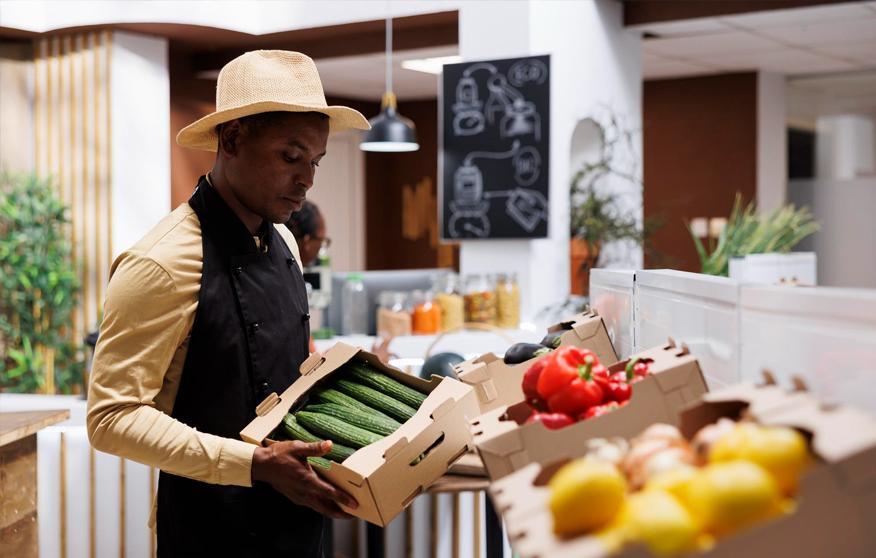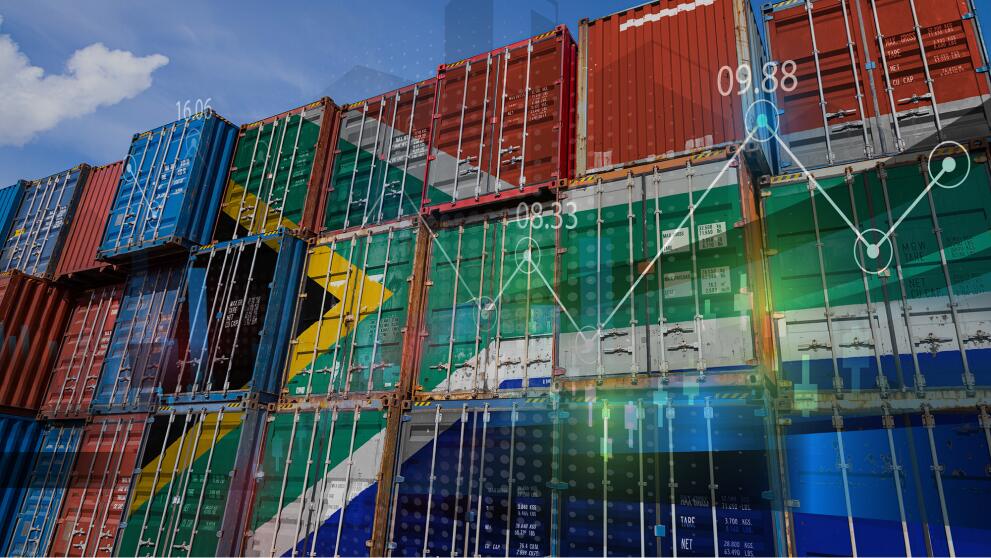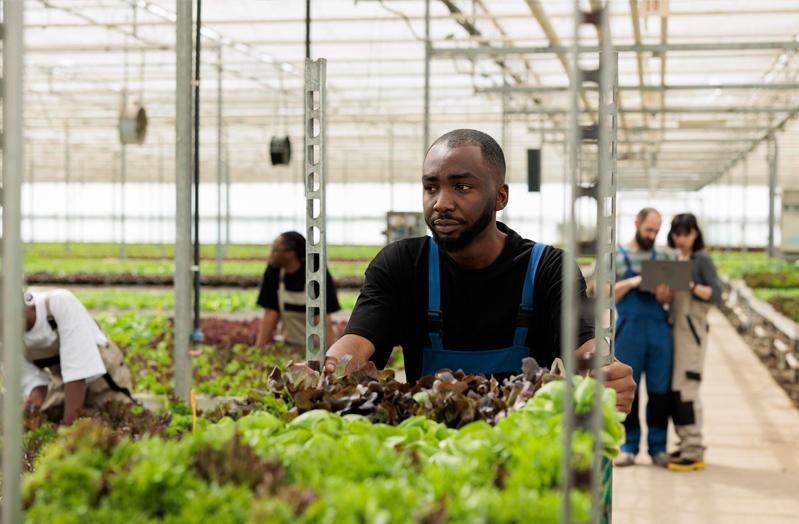
South Africa’s produce is world-class. From the citrus groves of the Western Cape to the flower farms of the Highveld and the rows of exotic veggies headed for European stores, it’s no secret that global markets are hungry for what our farmers grow.
Our agri sector already plays a serious role in exports, and worldwide demand for fresh, safe, and traceable African produce is only climbing. But stepping up from selling locally to exporting abroad? That’s a journey, and the prep work involved is often underestimated by first-timers.
The good news is, you don’t have to go it alone. With the right advice and a logistics partner who gets agri exports, the process is more straightforward than you think. Here’s how to get your farm export-ready, plus, how DHL AgriExpress can help you deliver your best to the world, every time.
Start Right: Get Your Registrations Sorted
Before you even think about packing that first box, there’s paperwork to handle. You’ll need to register as an exporter with the South African Revenue Service (SARS), which gives you a customs client number and exporter registration number, both are non-negotiable for export declarations. Your farm or packhouse also needs to be registered as a Food Business Operator (FBO), and your production units must have the correct PUC and PHC codes. These aren’t just bureaucratic hurdles; they’re the backbone of a transparent, traceable export setup that import countries can trust.
Traceability and Packhouse Controls: Your Reputation Depends On It
Exporting isn’t just about what you grow, but about how you handle, pack, and label it.
International buyers and authorities want to trace every box back to its roots, right down to the orchard or block it came from. Every carton that leaves your farm has to be marked correctly: origin, class, exporter, packhouse details, and a date code. If you’re using wooden packaging, it must meet the ISPM 15 standard, stamped with the IPPC mark. Get these systems running smoothly from the start, and you’ll avoid headaches like rejections or border holdups, plus, you’ll show new markets you mean business.
Documents and Plant Health Requirements: The Paper Trail You Can’t Skip
This is where most new exporters feel the pressure. Exporting fresh produce comes with a checklist of documents for every shipment: commercial invoice, packing list, certificate of origin, import permit, phytosanitary certificate, customs invoice, and either an airway bill or bill of lading. Some markets want extra paperwork, too.
The phytosanitary certificate is crucial. Issued by the plant health authority, it proves your shipment meets the destination’s plant health standards. No certificate? Your goods could be detained, rejected, or destroyed, simple as that. Requirements vary, so check what each market needs long before harvest time.
Market Access: Know the Rules Before You Grow
Every export destination has its own protocols, think residue limits, pest requirements, and approved varieties. The EU, UK, and USA each play by their own rules, and they’re strict about them. Figure out these requirements early and plan your production accordingly. Staying up to date with the Perishable Products Export Control Board (PPECB) and your industry body is a smart move for any serious exporter.
DHL AgriExpress: Keeping It Fresh, Every Step of the Way
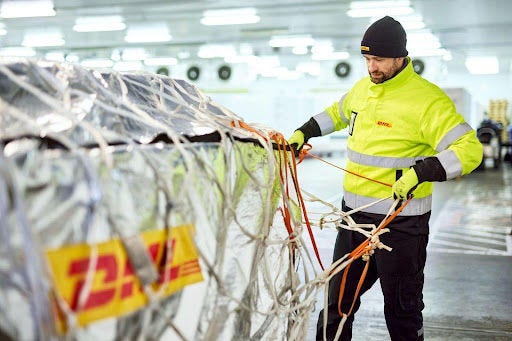
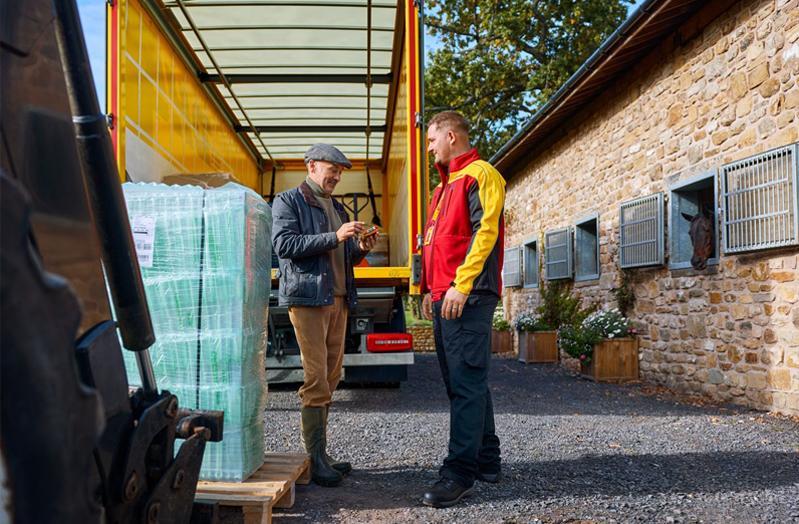
Once your paperwork, traceability, and compliance are sorted, it’s time to get your produce to market, fast, fresh, and in top condition. DHL AgriExpress is built for this job. It’s a dedicated courier service for South African agriculture, offering rapid, reliable, door-to-door delivery to international markets. With certified food boxes, freshness solutions, and eco-friendly packaging, your produce arrives looking (and tasting) as good as it did on your farm. You get real-time tracking from pick-up to delivery, and customs expertise to help you avoid border delays.
When it comes to perishables, speed and reliability aren’t optional, they’re the difference between a valuable sale and a wasted harvest.

Your Quick First-Shipment Checklist
Before you send off your first export shipment:
Register with SARS and make sure your FBO, PUC, and PHC codes are up to date.
Check the import requirements for your target country, residue limits, documentation, protocols.
Set up your packhouse traceability and carton marking systems.
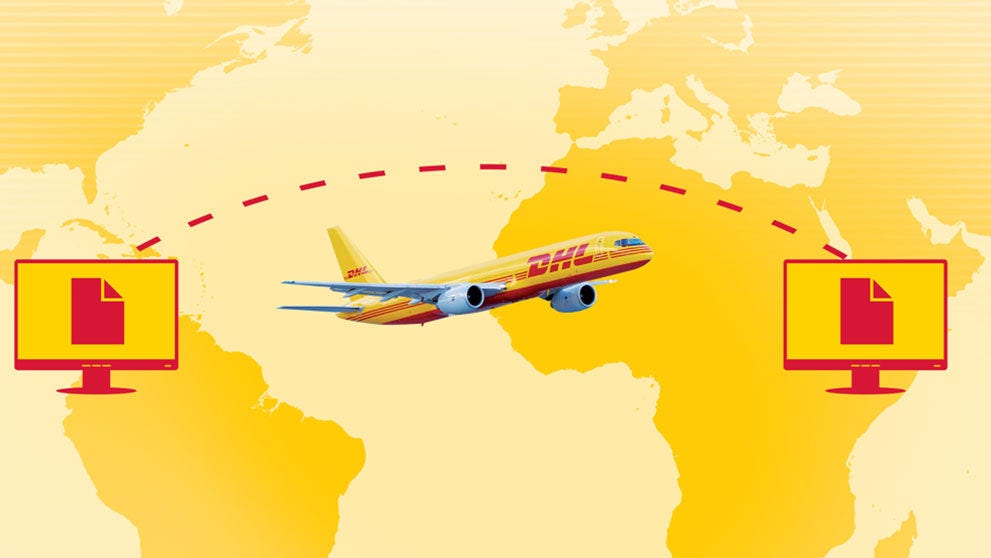
Prepare all export documents, including your phytosanitary certificate.
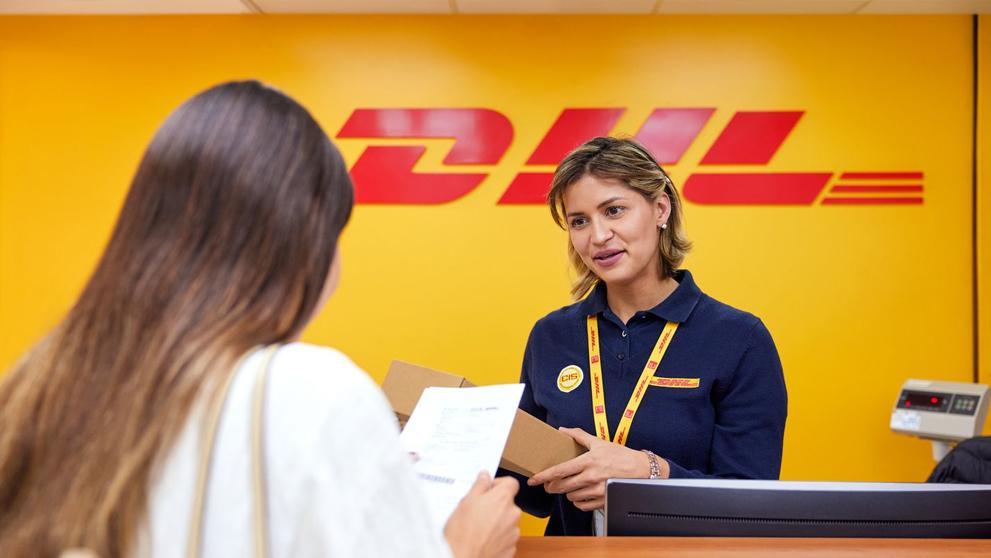
Talk to a DHL AgriExpress specialist to finalise your logistics plan and make sure your first consignment moves smoothly from your farm to your customer’s door.
Your Road to Global Markets Starts Here
South African farmers already have what it takes to compete internationally, top-quality produce and a reputation that’s growing year by year. What sets successful first-time exporters apart isn’t just what’s in the box, but the groundwork behind it. Every step, from paperwork and traceability to cold-chain logistics, matters.
DHL AgriExpress isn’t just a courier, it’s your partner for taking South African produce to the world. With dedicated support, real-time tracking, and a service designed for the demands of fresh exports, you’ve got a professional, reliable route to global markets. Ready to go global? Open a DHL AgriExpress business account today and start planning your first shipment.


 Share
Share

Similar Stories