#ShippingWithDhl



 Share
Share
Keep Your Business Moving: Tracking Cargo from Asia and Europe Through the Suez Canal
Share
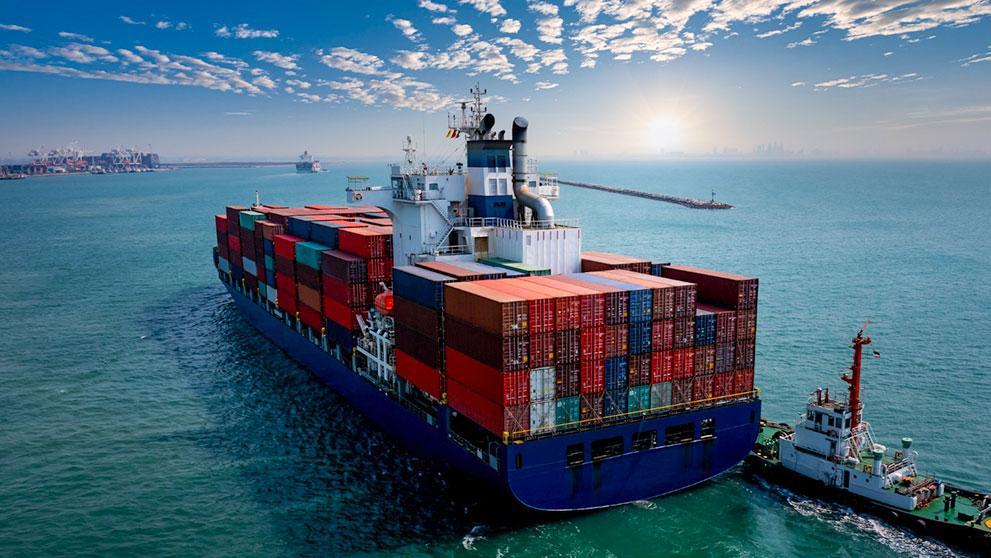
For South African companies sourcing goods from Asia or Europe, the Suez Canal isn’t just a distant waterway, it’s the critical connector that keeps your supply chain humming. This narrow Egyptian channel links the Mediterranean Sea to the Red Sea, slicing nearly 7,000 kilometres off every trip compared to the old route around the Cape.
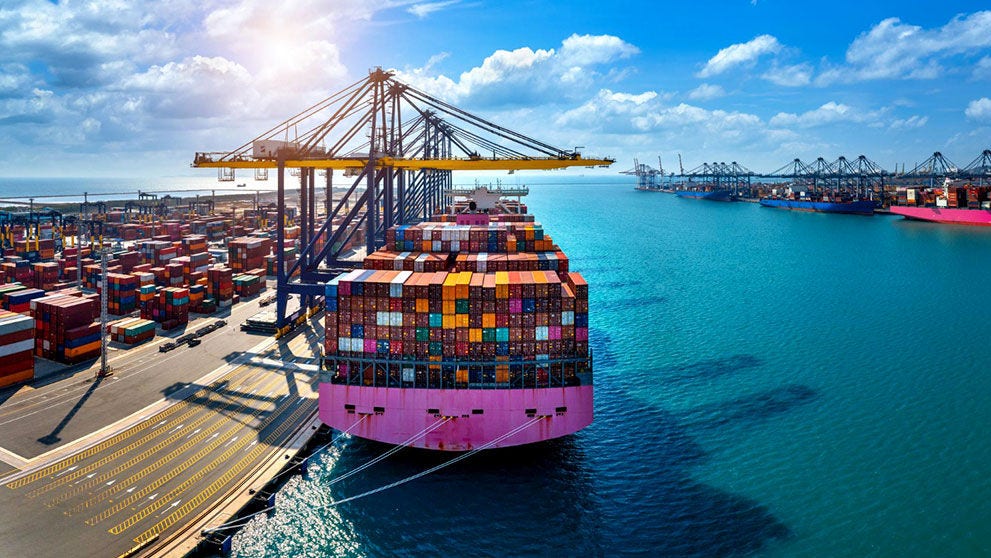
It’s no wonder most container ships travelling between East and West prefer this shortcut. When everything’s smooth sailing, your cargo arrives on time, costs stay steady, and business ticks along. But just one snag, a stalled ship or unexpected unrest, can trigger a domino effect of delays, reroutes, and rising costs. The best defence? Knowing exactly where your shipment is, every step of the way.
Start With the Right Tracking Number
Before you can check on your cargo, you’ll need the correct reference. For most sea freight, that’s your DHL waybill or tracking number, think of it as your shipment’s digital thumbprint. Your supplier or freight forwarder should send this through as soon as your goods are dispatched. Using DHL’s online tracking tools couldn’t be simpler: pop your number into the DHL tracking page and you’ll get real-time updates without needing to log in or create an account. Bear in mind, tracking details usually appear within 24 to 48 hours after your shipment hits the system. If your reference doesn’t show results right away, don’t stress, get in touch with your shipper or freight forwarder. There’s often a short lag before the first scan, and a quick call can clear things up fast.
Tracking Your Cargo Along the Suez Route
Tracking an ocean container is a bit trickier than watching a local parcel zip across South Africa. For shipments passing through the Suez Canal, you’ll rely on a mix of carrier updates, alerts from your freight forwarder, and schedules set by the Suez Canal Authority (SCA). The SCA runs a tight operation. Ships are grouped into northbound and southbound convoys, each with set entry times and guided by expert pilots along the canal’s 193-kilometre stretch. Vessels don’t just cruise through on a whim, they follow a strict timetable. DHL’s sea freight tracking gives you status updates, key location milestones, and timestamps as your cargo makes its way along the route. While ocean freight updates aren’t as rapid-fire as express deliveries, you’ll still be able to keep an eye on progress and spot any snags early.

Understanding Transit Times, Costs, and Delays
On a typical day, it takes between 12 and 16 hours to transit the Suez Canal. The passage is open year-round, handling more than 50 ships daily. Even so, tight schedules and heavy traffic mean that a bit of bad weather or a technical hiccup can cause delays.
Transit fees are set by the SCA and depend on things like the vessel’s tonnage, type, direction, and size. Extra charges can crop up for pilotage, mooring, tugboats, or urgent bookings. You may not see these costs spelled out, but they’re baked into your overall freight rate and can shift quickly, especially if there’s a spike in demand or instability in the region. This explains why ocean freight rates from Asia can rise unexpectedly, even if nothing seems amiss at your end.
Expect the Unexpected
Incidents like the Ever Given grounding in 2021, a single ship blocking the canal for nearly a week, highlight how global trade can grind to a halt in an instant. More recently, security issues in the Red Sea have forced carriers to detour around the Cape of Good Hope, adding both distance and time to journeys.
If your cargo is rerouted, prepare for an extra 6,000 to 7,000 kilometres and a possible 10 to 14-day delay. Fuel costs and insurance rates will also climb. The solution? Build slack into your supply chain planning, keep enough inventory to handle a two-week delay, and work with a freight partner who can pivot quickly if things change. Make sure your cargo insurance is up to date, especially given the unique risks along the Suez route.

Why Partner With DHL?
When it comes to peace of mind, it pays to work with a logistics provider who’s got the Suez Canal down to a fine art.
DHL’s global tracking tools, sea freight expertise, and proactive network management give South African importers the visibility and support needed to stay a step ahead, no matter what’s happening on the shipping lanes.
Track Smart, Stay Ahead
At the end of the day, tracking cargo through the Suez Canal is about sticking to a few good habits: always have your tracking number ready, watch for updates on DHL’s platform, listen for early alerts from your forwarder, and plan for the odd curveball. The Suez Canal is one of trade’s great shortcuts, but it’s your foresight and preparation that keep your business moving, even when the world gets choppy.
Frequently Asked Questions
Tracking your DHL Express parcel is quick and hassle-free. Start by finding your tracking number, it's usually on your shipping label, receipt, or the confirmation email from the sender. Head over to the DHL Tracking Tool, punch in your tracking number, and you'll instantly see:
Where your shipment is right now
When you can expect it to be delivered
A full scan history and regular location updates
If your tracking number’s gone missing, it’s best to reach out directly to the sender or retailer, they’ll be able to help you get back on track.
To keep tabs on cargo moving through the Suez Canal, you’ll need the waybill or tracking number from your supplier or freight agent. Plug this number into DHL’s online tracking platform and get real-time updates as your shipment moves through each milestone. Just a heads-up: tracking events can take a day or two (24–48 hours) to show up after dispatch, so don’t panic if you don’t see immediate updates.
DHL Express offers speedy, time-definite deliveries to over 220 countries and territories. In most cases, your package will be delivered by the next possible business day, though actual transit times depend on where your shipment starts, where it’s headed, and which DHL service you’ve chosen.
If you’re planning ahead, you can use DHL’s online tools to get an estimate on rates and delivery times. Already sent a parcel? The DHL Tracking Tool will show you up-to-the-minute delivery status and the expected arrival date.
Disruptions or instability in the Suez Canal can throw a spanner in the works for South African imports. When vessels need to detour around the Cape of Good Hope instead, the journey gets roughly 6,000 to 7,000 kilometres longer. That means your delivery could take an extra 10 to 14 days to reach its final destination.
On a typical day, a cargo vessel will transit the Suez Canal in just 12 to 16 hours, moving from one end of the 193-kilometre waterway to the other. The process is tightly managed by the Suez Canal Authority, with ships travelling in organised northbound or southbound convoys, making for a smooth and efficient passage.
Share
Similar Stories