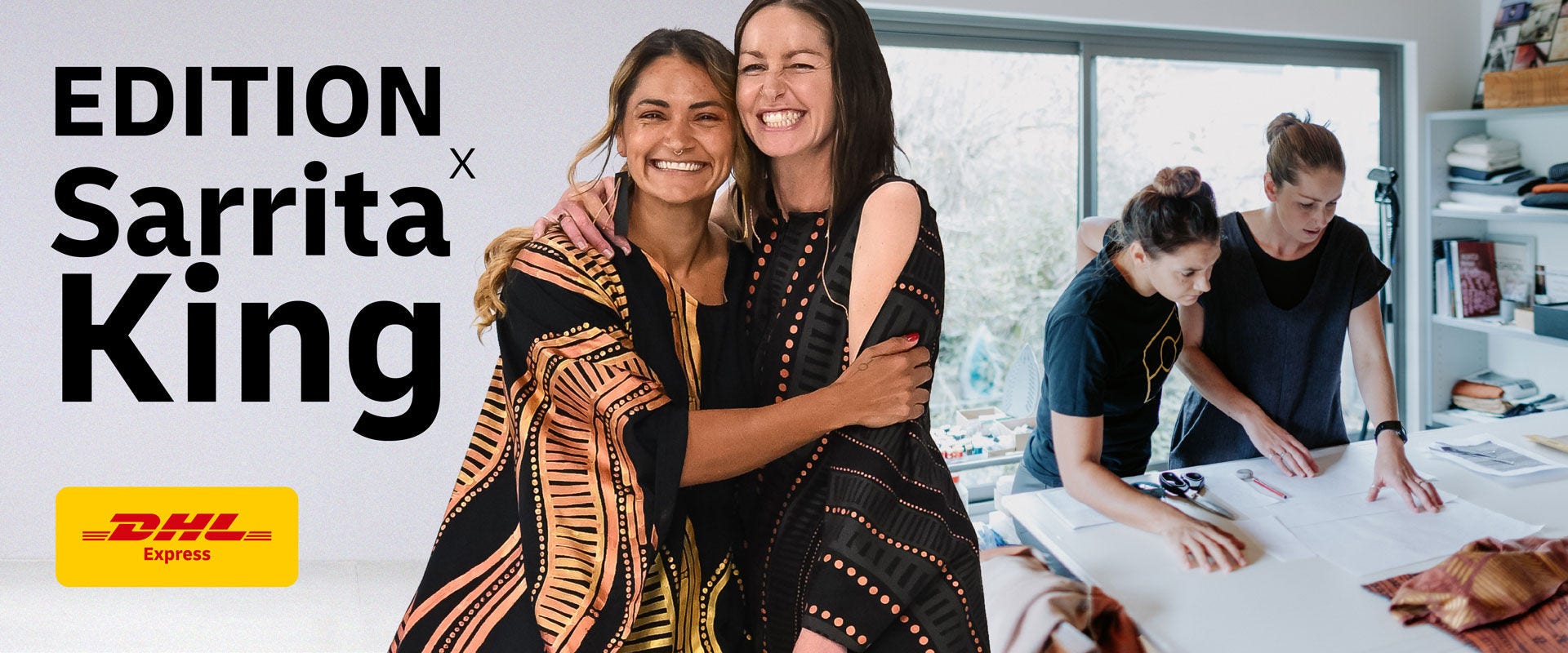
Rooted in culture, community and storytelling, Waanyi/Gurindji sisters Tarisse and Sarrita King have channelled their shared heritage and artistic vision into KingKing, a fashion label celebrating contemporary Indigenous design through wearable art. Based on Larrakia Country and proudly 100% Blak-owned, Blak-led and Blak-designed, the brand draws inspiration from nature, family and lived experience to create pieces designed to be treasured beyond seasonal trends. For our 2026 New Gen Designer Spotlight, we spoke with the sisters about their creative journey, key learnings from Australian Fashion Week's New Generation Runway, and the partnerships helping them share local stories with a global audience.
Tell us about your brand
We are Waanyi/Gurindji women, mothers, and sisters, Tarisse and Sarrita King. We are a 100% Blak-owned, Blak-led, and Blak-designed business based on Larrakia Country. With 20 years of experience as Aboriginal artists, our world has expanded from canvas into fashion.
We are passionate creatives, dedicated to bringing our vision to life through our lived experience of growing up in Darwin, connected to culture and community.
Inspired by nature and our families' stories, we are dedicated to creating affordable products that can be worn with pride by mob and allies alike.
What inspired you to become a fashion designer and start your own label?
Throughout our art career, we have always created products featuring our artwork. Naturally, we experimented with fashion along the way.
Sarrita commissioned a custom jumpsuit, which quickly became a hit. From there, she released the Cerise Pants, and the collection continued to grow into the garments you see today.
Our dad has always been a fashion enthusiast, even having custom leather pieces made more than 30 years ago. He used to dream of our artwork being printed on garments, and we believe he has certainly played a role in shaping our journey.
What was your biggest learning in the lead up to the New Generation Runway show at Australian Fashion Week?
Having a clear vision, strong communication, a solid plan, and established manufacturing pathways is really important.
We have learned so much about organisation and the importance of ensuring every aspect of the business is working to a clear timeline.
Because we are sisters and live so far apart, it has given us a greater understanding of how well we work together. We have also learned that we need to plan everything at least a year in advance to take advantage of the opportunities that present themselves to us.
How do you incorporate sustainable practices in your work?
The majority of our clothing is 100% cotton. We also only produce what we need and not in mass quantities. I think, as Indigenous designers, we have to think about the landscapes we are inspired by. We don't follow quick trends either. Our pieces are for everyday wear, not just a season. Our new swimwear is also made from recycled plastic.
What’s the best piece of advice you’ve received that you’d share with an aspiring designer?
Stay true to your style and what makes your brand unique. Don't chase trends. Your authenticity is what makes your brand stand out.
Learn the business side of being creative, and most importantly, be patient and consistent. You want everything you put out there to be high quality.
Success takes time, so make sure you have a good foundation before you grow, as it's harder to implement when you're time-poor.
How important are partnerships like DHL in shaping the future of fashion?
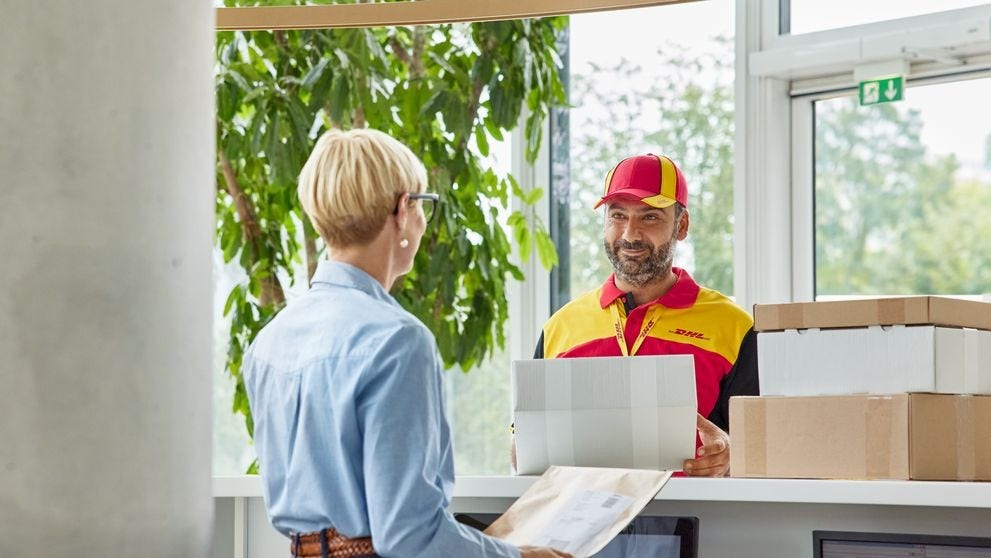
Partnerships with companies like DHL are integral to small fashion businesses like ours because they have the global network and expertise that help level the playing field. As a small First Nations business, having a trusted partner means we can focus on creating meaningful designs and sharing our culture, while knowing our products can reach customers across Australia and around the world. It's partnerships like these that help small brands grow, create new opportunities, and prove that local stories can have a global impact.
How important is having a reliable logistics partner, and how has it impacted your ability to meet deadlines, scale, and deliver on your creative vision?
Having a reliable logistics partner is essential for us. It gives us confidence to meet deadlines, scale as we grow, and focus on our creative vision, knowing our customers will receive their orders on time, wherever they are in the world.


 Share
Share
Similar Stories