Robotic systems use highly sensitive sensors and logic boards that are vulnerable to shocks and vibrations. Specialised shipping protects these delicate calibrations during international transport.


 Share
Share

It's 6:00 AM and your million-dollar assembly line starts in four hours. But your high-precision robotic arm is stuck in transit with a compromised sensor. Now your engineers are sitting idle, and the clock is ticking. Here's how to ship automated systems without wrecking their internal calibration.
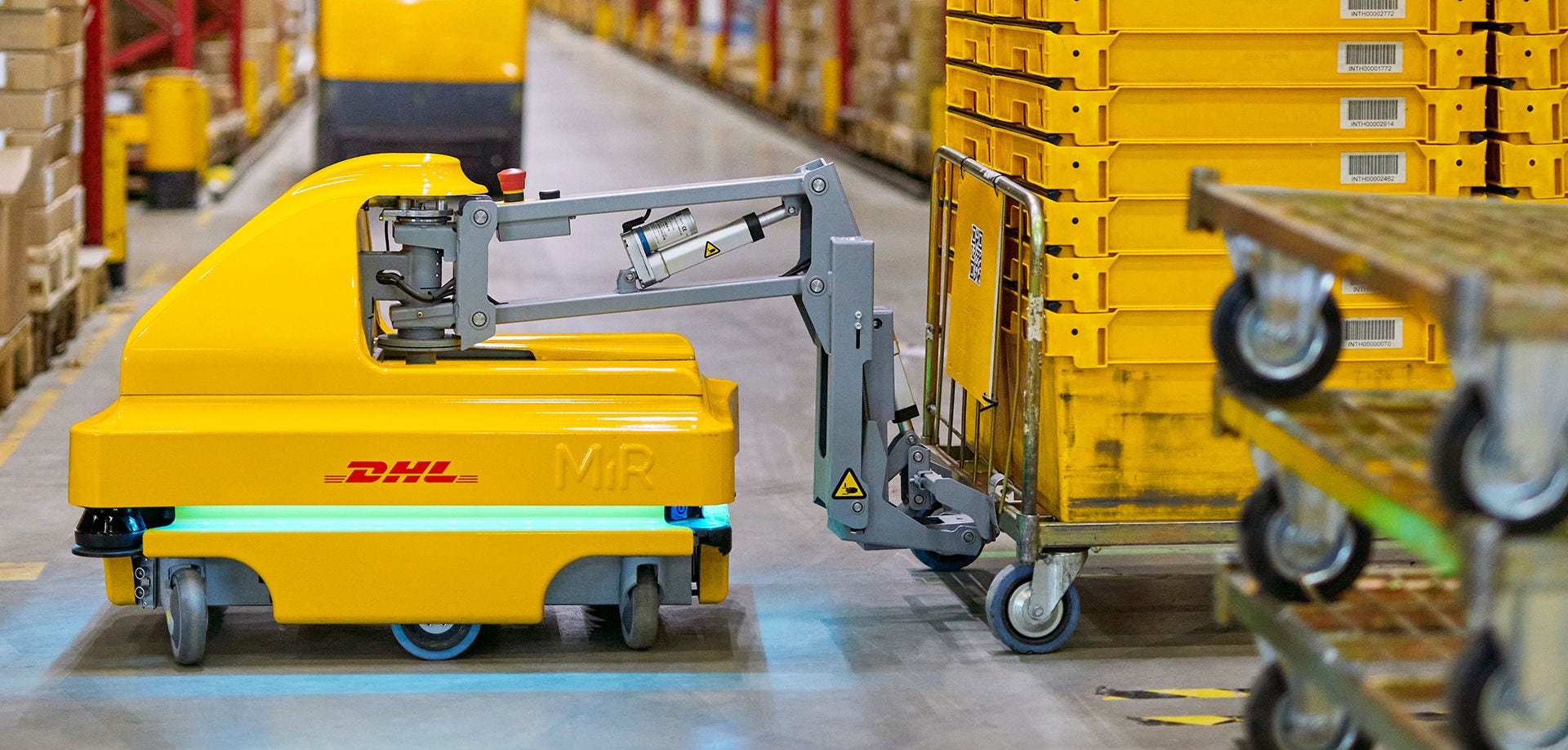
Sensitive sensors and optical lasers can lose alignment from minor vibrations in transit. A shift of just a fraction of a millimetre means expensive recalibration the moment the equipment arrives.
How DHL Express protects your equipment in transit
We also handle components with built-in lithium battery backup cells. This is done under strict Dangerous Goods handling rules like PI967 and PI970 Section II, subject to a contractual agreement. These rules cover the exact safety requirements high-capacity power units need.
The three biggest hazards in transit
Programmable logic boards can't handle much movement. Our fast express routes mean fewer handling steps, so there's less chance of damage along the way.
How fast you need automation depends on your local workforce. High-wage regions like Australia use robots to fill staffing gaps and make warehouses safer. Fast-growing industrial zones use the same machines to boost output and keep production consistent.
How DHL Express keeps your rollout on schedule
Fast air shipping keeps critical assembly upgrades on track. DHL Express 12:00 gets missing processors or sensor kits to your engineers early in the day, so you're not paying for idle hours on the factory floor.
How the three regional drivers compare
Regional Market Driver | Primary Operational Priority | Ideal Automation Solution |
|---|---|---|
High Labour Costs | Lower physical overheads and improve warehouse safety | Automated Guided Vehicles (AGVs) |
Personnel Shortages | Maintain consistent operational capacity in key facilities | Autonomous mobile picking systems |
Volume Expansion | Increase total daily production throughput and consistency | High-speed multi-axis robotic arms |
Setting up these lines takes real knowledge of your local market to counter engineering and skilled labour shortages. Manufacturing's share of the workforce in high-income countries is projected to fall from 11.4% to 8.3% by 2050, according to a Center for Global Development study, and automation is what's being built to fill that gap. Moving these systems by air keeps you ahead of that shift without pausing your production line.

Multi-functional robots often get held up at the border. Their mix of mechanical, optical, and computing parts makes them hard to classify. One robotic arm can fall under several different tariff codes depending on its main use. Get the classification wrong, and you're looking at holds, storage fees, and costly audits from the Australian Border Force (ABF).
How MyGTS simplifies classification
My Global Trade Services (MyGTS) helps your compliance team check tariff definitions and build a solid documentation trail before your shipment flies. Check your codes early to cut clearance times and avoid classification penalties.
Three steps to simplify customs clearance
Getting your paperwork ready early cuts friction at the border. For example, making sure your equipment has the necessary RCM certification before it leaves the factory prevents compliance holds on arrival. Even one day of delay can cost you tens of thousands of dollars in installation penalties, so it's worth getting your paper trail right the first time.
Shipping advanced robotics takes real physical protection and accurate customs documentation. We support that with specialised Dangerous Goods handling for battery-powered components and My Global Trade Services (MyGTS) for classification before you ship.
Contact a DHL Express specialist today to keep your system integration on schedule.
Robotic systems use highly sensitive sensors and logic boards that are vulnerable to shocks and vibrations. Specialised shipping protects these delicate calibrations during international transport.
Robotic arms often fall under complex multi-component classifications because they combine mechanics, computers, and optical sensors. Your shipments need to meet Australian electrical safety requirements, such as having the Regulatory Compliance Mark (RCM), and carry correct tariff codes to pass ABF inspections.
DHL Express transports high-capacity batteries integrated within your robotic machinery under Dangerous Goods handling rules like PI967 and PI970 Section II, subject to a contractual agreement. This lets your automated systems travel safely across our global air network.
You can use My Global Trade Services (MyGTS) to check Harmonised System codes for multi-functional hardware before you ship. Having the correct tariff classifications helps customs officials process your paperwork without long inspections.
Yes, using time-definite options like DHL Express 12:00 lets you get replacement processors and sensors during the morning. This keeps your engineering team productive and your factory running.
Share