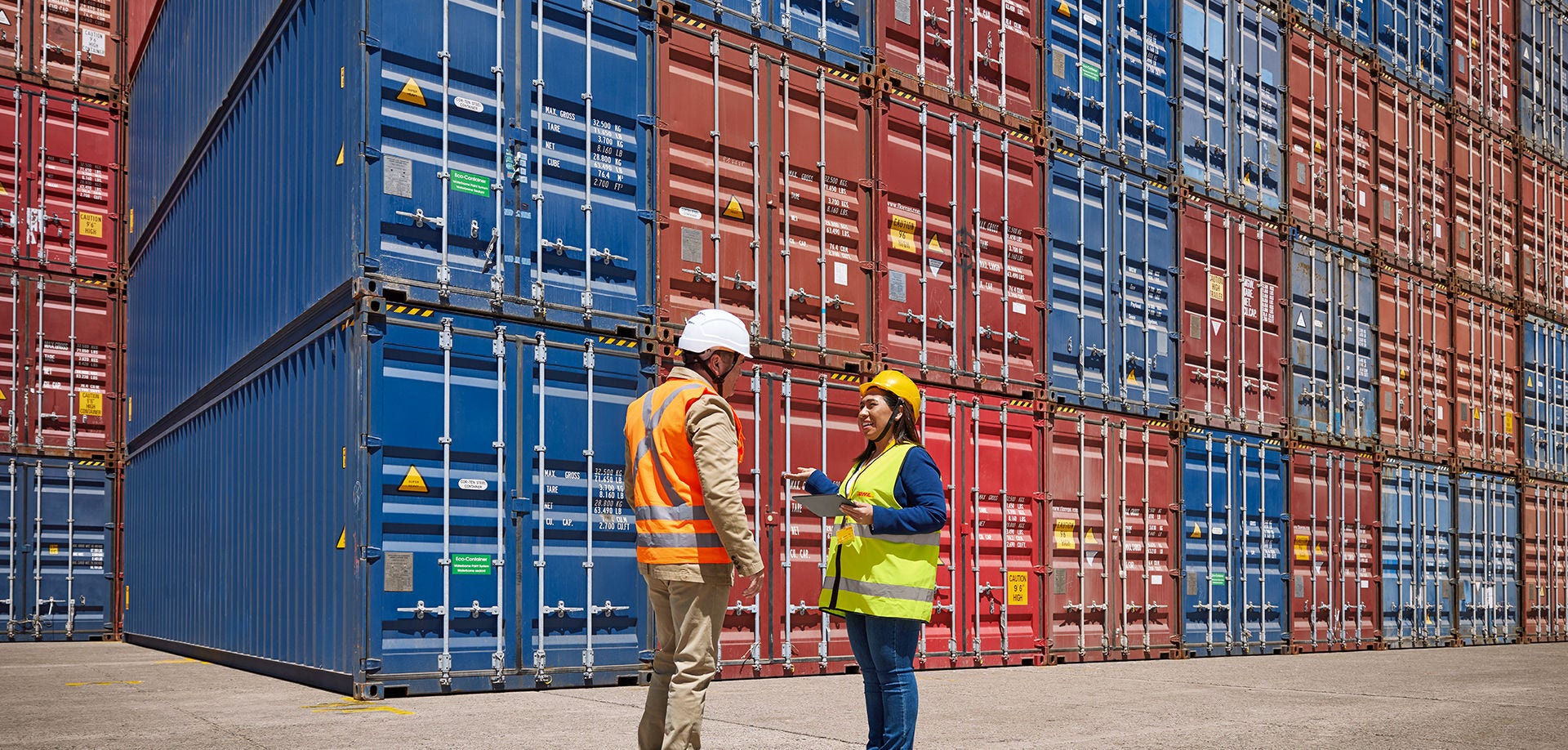
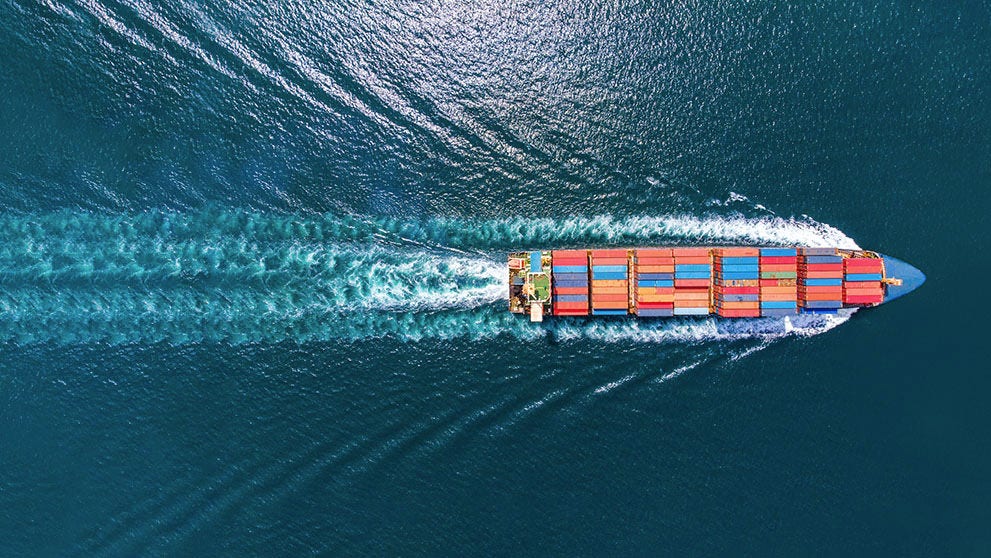
Weather gets most of the attention, but it's rarely the only thing behind a congested port. Labour disputes, equipment shortages, and infrastructure capacity constraints at major hubs can back up shipping schedules just as badly.
Regional weather hazards still amplify these existing pressures. Extreme storms can force ports to halt loading operations entirely, and even a short closure at an already-stretched hub can take weeks to clear.
Where this hits hardest, market by market
In Australia, industrial action has caused significant and well-documented disruptions at major container ports, creating backlogs that affect the whole country. On top of this, severe weather events like summer storms on the east coast can shut down operations with little notice. Capacity also tightens during the peak pre-Christmas shipping season, which gets worse when combined with the widespread business shutdowns over the New Year period.
When does express air shipping make financial sense?
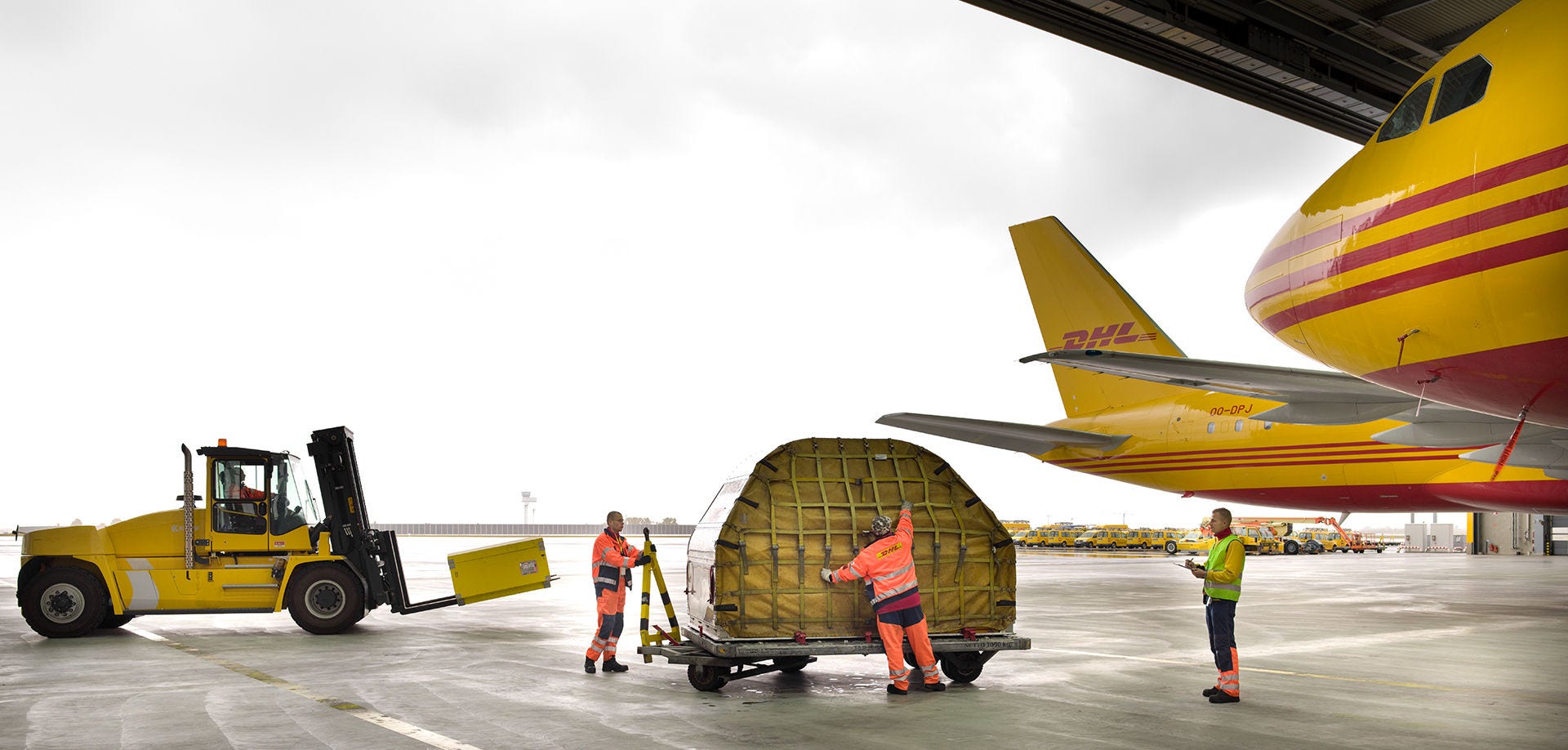
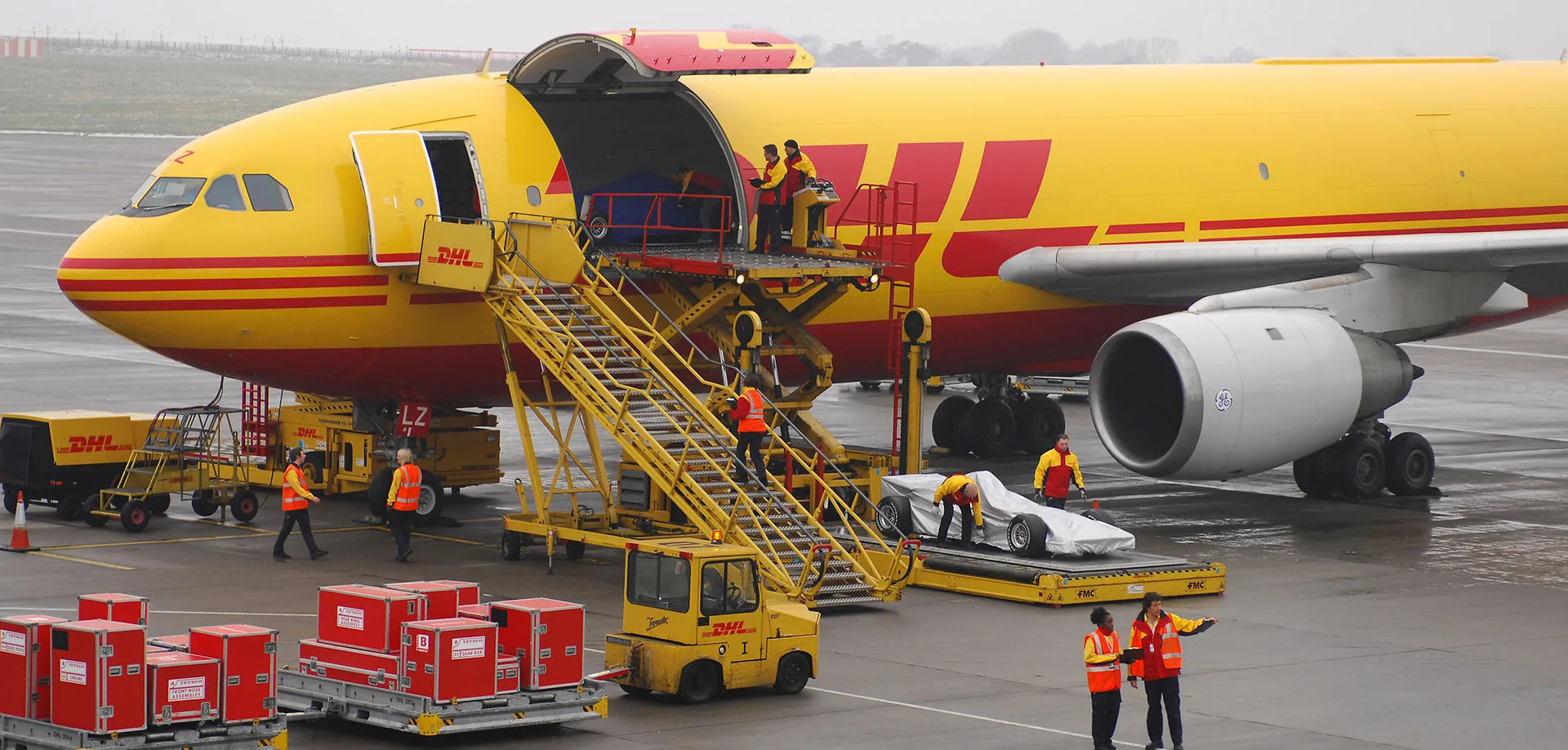
Air redirection makes financial sense when the cost of production downtime or contract penalties exceeds the premium price of air freight. Paying a higher shipping rate is often cheaper than letting a factory floor stand idle. Meeting a seasonal retail launch date can matter more to your market share than the extra cost.
How MyDHL+ helps you run the numbers
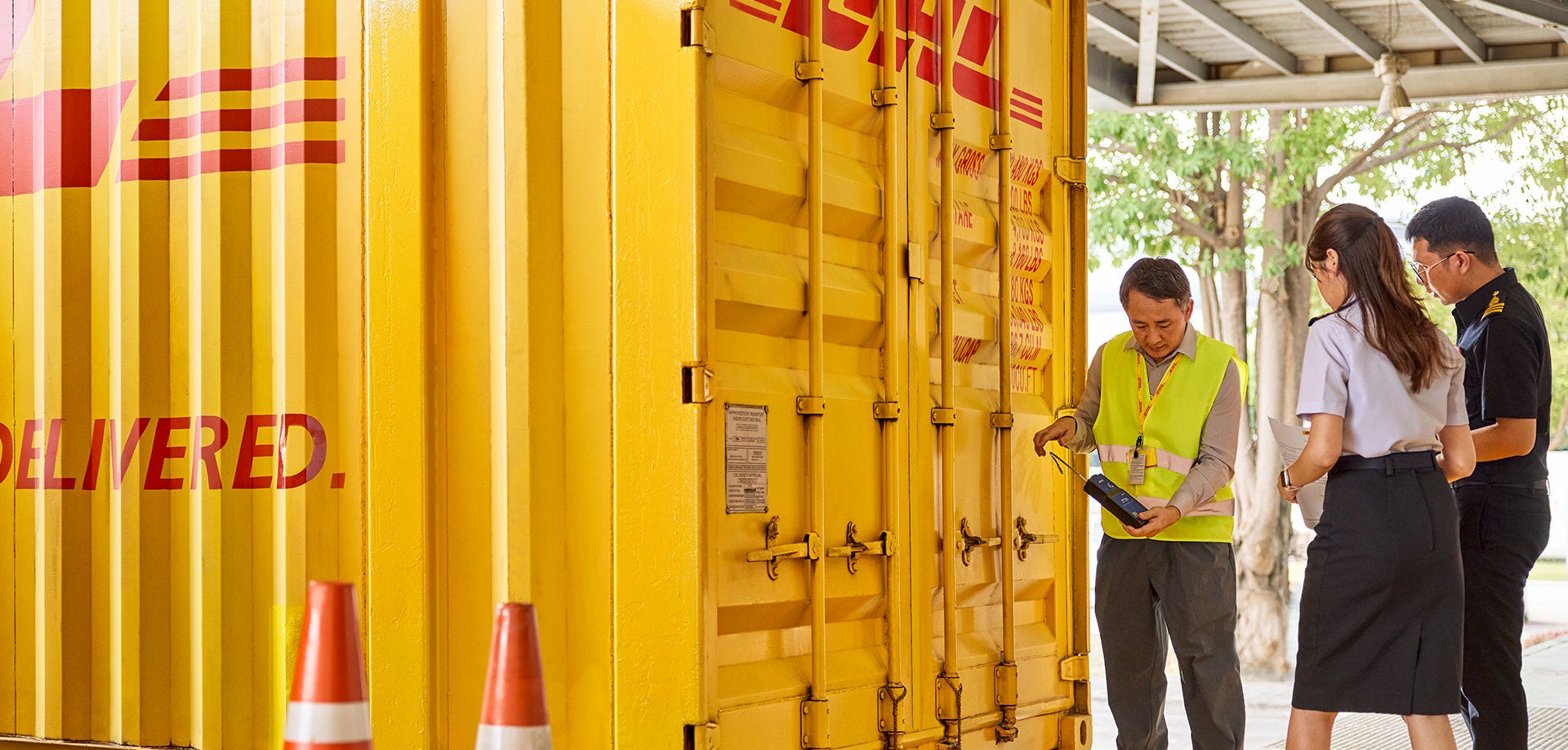
Clear calculations inside MyDHL+ give shipping managers transparent pricing to run a rapid cost-benefit assessment. Comparing real-time rates this way supports quick decisions the moment your ocean cargo is delayed.
Three scenarios where the maths favours air
These are the situations where the premium usually pays for itself:
Financial Scenario
| Operational Impact
| Strategic Benefit
|
|---|
Emergency Parts
| Sourcing broken machinery components
| Reduces expensive factory stoppages
|
High-Value Launches
| Moving premium electronics via air
| Helps avoid missing seasonal sales windows
|
SLA Penalties
| Shipping urgent goods via air
| Helps you avoid heavy non-compliance fines
|
A penalty of over AUD 150 per day for a single delayed container can erase your product margin fast once you run the numbers.
Bypass maritime bottlenecks before they start
Congestion never really left the picture after COVID put it on the map, and which port gets hit next is only getting harder to predict. Relying on congested seaports exposes your business to expensive delays and stockouts you can plan around instead of absorbing. We can support that shift with tools like MyDHL+ for real-time rate comparison and high-priority air express options for the shipments that can't afford to wait.
Open a DHL Express account today to build your air express contingency plan before the next port bottleneck hits.
Frequently Asked Questions