The bullwhip effect is when small changes in car buyer demand create massive order swings as they move up the supplier layers. This distortion leads to large parts shortages, high inventory costs, and sudden factory stops.


 Share
Share

Your competitor's parts are on the factory floor. Yours are stuck in customs. A single missed delivery window can shut down an assembly line that costs more per minute than your entire shipment is worth. We keep parts moving with the kind of speed this volatility demands. Here's how to build a logistics strategy that absorbs the bullwhip effect instead of getting crushed by it.
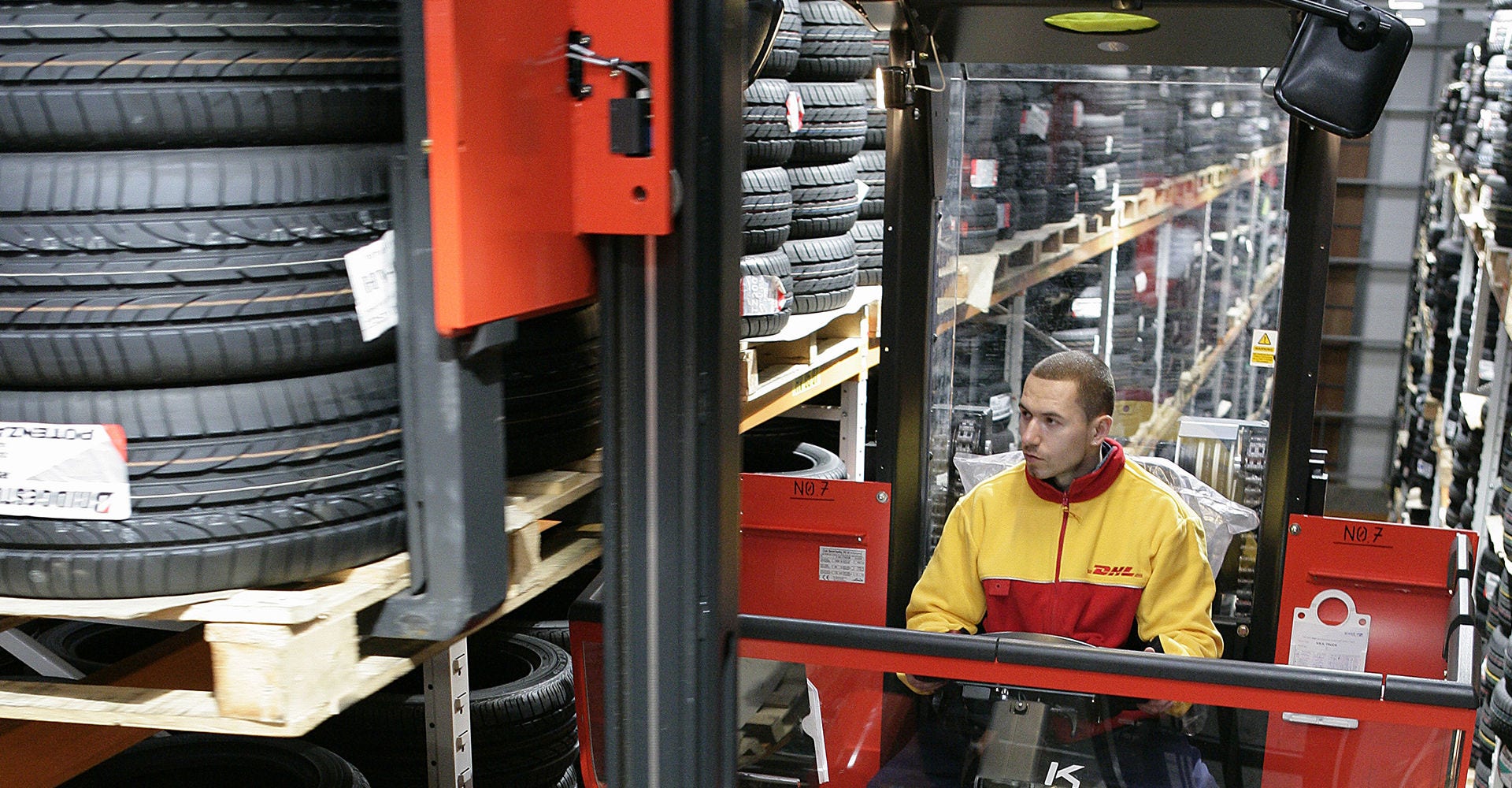
This chain reaction is the bullwhip effect, first identified by MIT researcher Jay Forrester in 1958. A small 5 to 10% shift in consumer demand can snowball into swings of 40% or more by the time it reaches manufacturers. For automakers, one brand trimming its orders can send Tier 1 suppliers into a panic, forcing a choice between expensive excess inventory or a sudden factory shutdown.
How DHL Express helps you respond
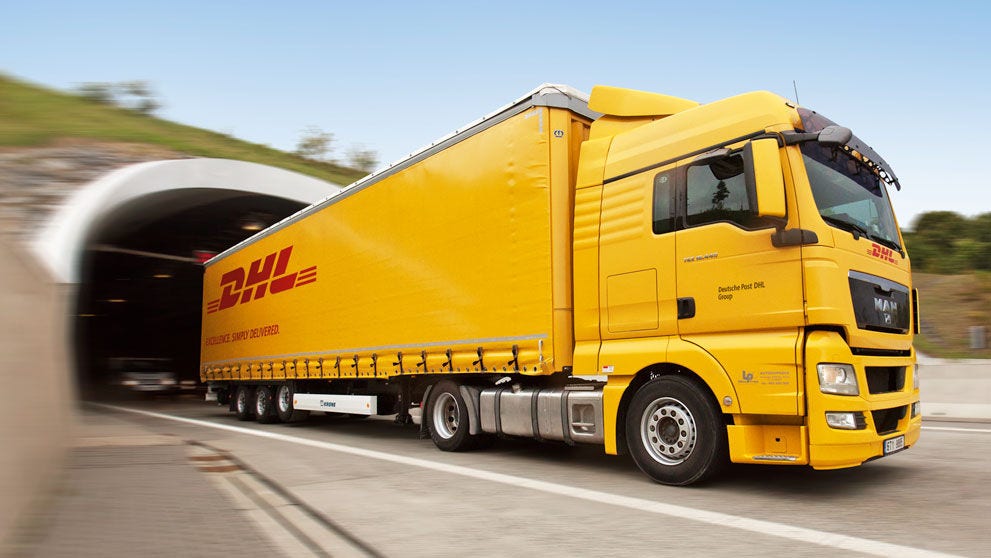
You can't rely on slow bulk shipping when order patterns fluctuate this fast. DHL Express Worldwide gives you a fast route for urgent parts, especially if you're shipping out of a hub like Melbourne's industrial precincts, so you can ship emergency components straight to your assembly points the moment plans change.
What forecasting distortion costs you
According to Siemens' True Cost of Downtime 2024 research, an hour's downtime in a large automotive plant now costs around $2.3 million, or roughly $639 per second. This is one of the highest downtime costs of any manufacturing sector.
A single expedited air shipment to cover an unplanned parts gap can cost AUD 720 more than standard freight, but that's a fraction of what an hour of line downtime costs you.
Flexible logistics protects local manufacturing hubs by letting you match your shipping speed directly to sudden shifts in factory output. If your production facility sits inside a specialised industrial cluster, you can't rely on slow ocean freight during an emergency.
How DHL Express matches speed to your shift pattern
Timed services like DHL Express 9:00 give you high-priority transit to deliver critical components right before assembly starts, helping you coordinate arrivals with rotating factory shifts. You can also use MyDHL+ to book immediate pickups directly from your loading docks.
What just-in-time shipping requires
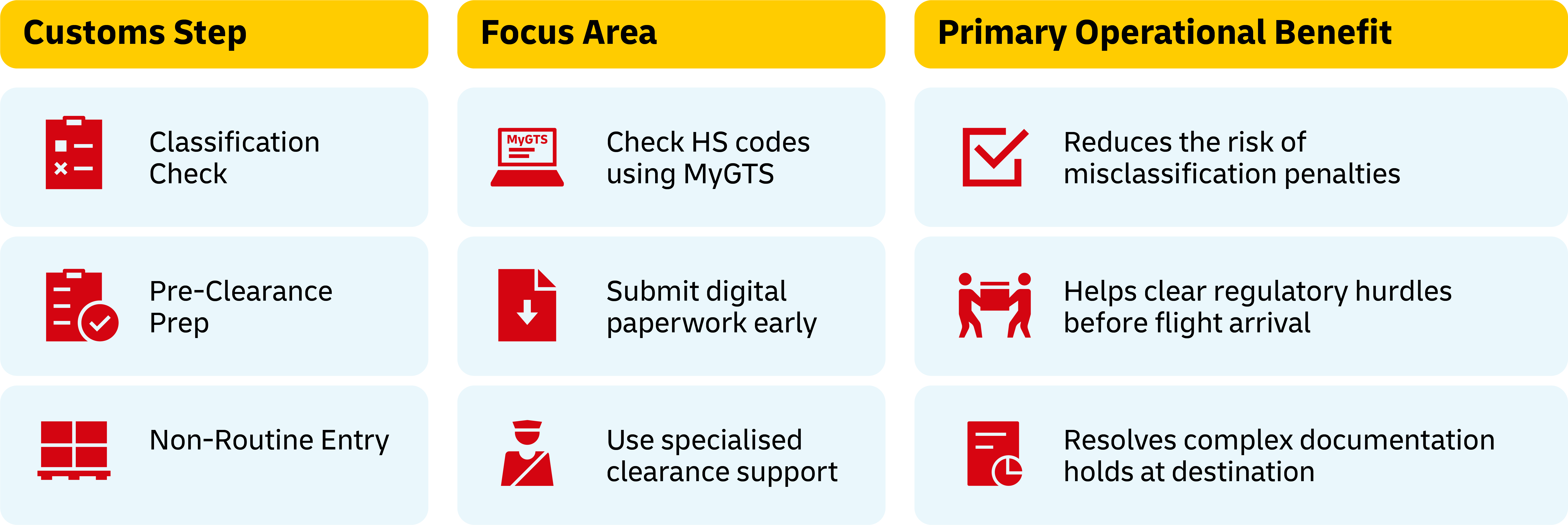
Our Non-Routine Entry service helps you handle complex border processes and get your paperwork ready quickly. You can also use My Global Trade Services (MyGTS) to check trade rules well before you ship, cross-referenced against requirements from the Australian Border Force (ABF). Keep these criteria in mind for every shipment:
How the customs steps compare
Beating the bullwhip effect comes down to a transport strategy that matches the fast pace of your automotive buyers. We support that with DHL Express Worldwide and DHL Express 9:00 for time-critical parts, and MyGTS for customs readiness before you ship.
Contact our automotive logistics specialists today to learn how timed express services can help protect your assembly lines.
The bullwhip effect is when small changes in car buyer demand create massive order swings as they move up the supplier layers. This distortion leads to large parts shortages, high inventory costs, and sudden factory stops.
DHL Express Worldwide provides fast air express shipping to move emergency components to manufacturing floors quickly. This helps close supply gaps the moment a car brand changes its production schedule.
Yes, you can use timed services like DHL Express 9:00 to deliver critical parts to factories before early morning shifts start. This helps you maintain strict just-in-time schedules for international shipments.
Missing paperwork can trigger serious clearance delays that stall your customer's assembly lines and lead to expensive contract penalties. Getting your export declarations right is crucial to keep transit smooth.
Tools like My Global Trade Services (MyGTS) let you check tariff classifications and trade rules for different international markets before shipping. This preparation helps you avoid clerical errors and reduces the risk of border delays.
Share