CBAM for Brazilian exporters: what the EU carbon border charge asks of you

Maria Fernanda Font
Maria Fernanda Font
8 min read
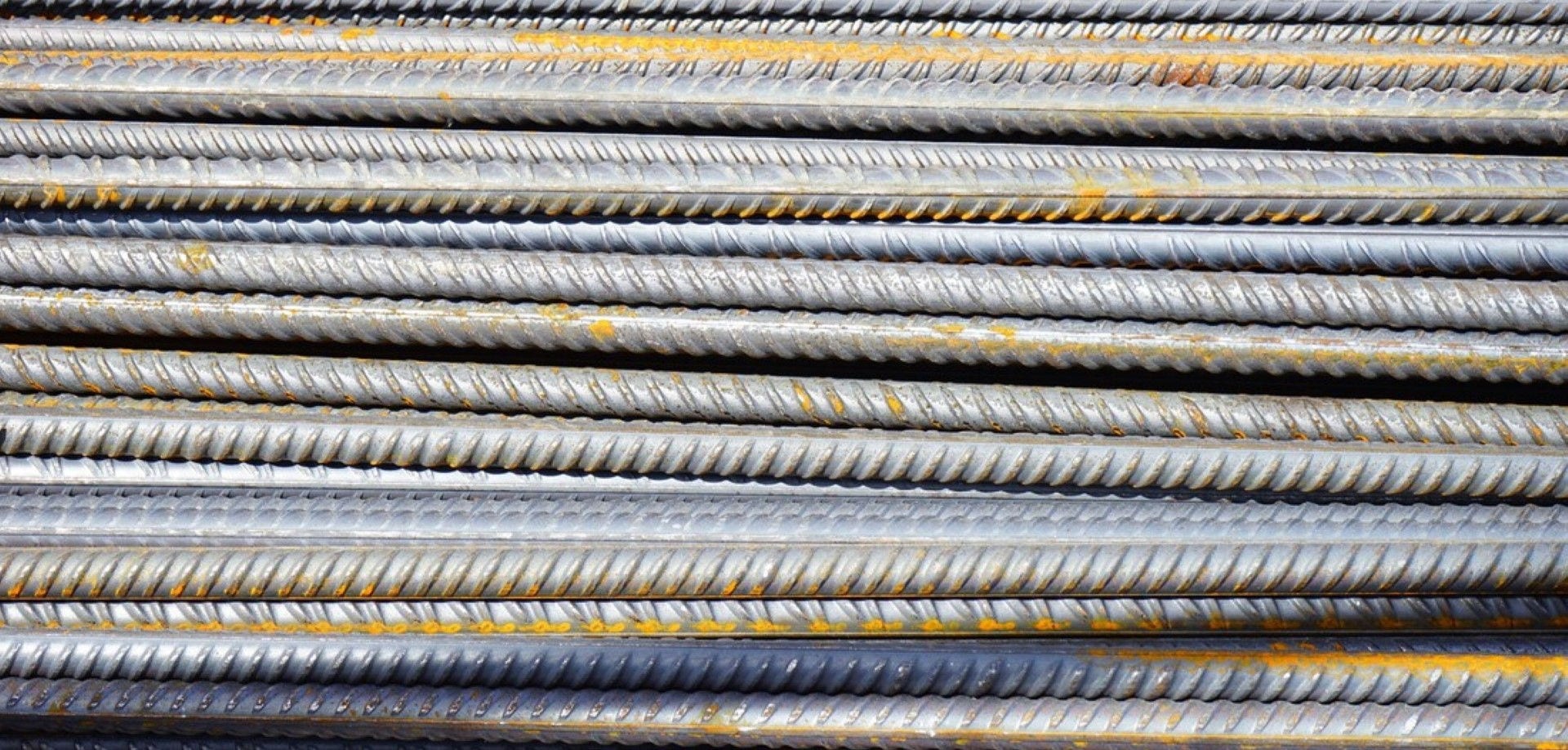
Stacked steel bars, one of the sectors covered by the EU carbon mechanism

CBAM is the European Union's carbon border adjustment mechanism, in its definitive phase since 1 January 2026. It puts a price, paid by the EU importer, on the emissions embedded in iron and steel, cement, aluminium, fertilisers, hydrogen and electricity. Source: European Commission, September 2026.

The bill never reaches your company, which is exactly why the subject gets ignored for too long in Brazil. Your European buyer pays it, and will come to you for the data behind the calculation. Without that data, the buyer falls back on default values, which usually cost more and erode your price in the next tender.

Which sectors does CBAM cover?

Six: iron and steel, cement, fertilisers, aluminium, hydrogen and electricity, always identified by the tariff codes listed in the annex to the regulation. Source: European Commission, official CBAM page, September 2026.

There is a size filter that changed life for low-volume flows. Importers bringing in less than 50 tonnes net of CBAM goods per calendar year need no authorisation and carry no obligations under the mechanism, with two exceptions: hydrogen and electricity always require an authorised declarant, at any volume.

The cut-off applies per importer, not per shipment, and it is measured by the net mass declared in the customs declaration. Check your product classification before assuming you are out of scope, because reading the HS code correctly is what decides whether a good sits in the annex.

What changed on 1 January 2026?

Reporting ended and the charge began. Between October 2023 and December 2025, CBAM ran a transitional period in which declarants only reported embedded emissions quarterly, with no financial obligation at all. Source: European Commission, official CBAM questions and answers, September 2026.

The legal base is still Regulation (EU) 2023/956 of 10 May 2023, amended by Regulation (EU) 2025/2083 of 8 October 2025, which simplified the mechanism ahead of the definitive phase. That amendment created the single 50 tonne threshold and pushed certificate purchases to 2027.

So the financial adjustment has been running since January. What moved was the moment of payment.

Who carries the obligation, the EU importer or you?

The formal obligation belongs to the authorised CBAM declarant, meaning the importer established in the European Union or its indirect customs representative. A Brazilian exporter does not register as a declarant, does not buy certificates and does not answer to the European competent authority.

In practice, though, the flow runs the other way. The declarant can only use actual verified emissions if the operator that produced the goods hands those numbers over. If nobody does, default values set by the Commission apply, and they were calibrated so that silence is not rewarded.

That is why embedded emissions turned into a supply contract clause during 2026. If your plant is cleaner than the sector average, the number is a commercial advantage: it cuts how many certificates your customer has to buy.

What does a Brazilian producer have to deliver?

Three moves, in this order, still inside 2026:

  1. monitor and calculate the embedded emissions of production, by installation and by process;
  2. engage an accredited CBAM verifier, bearing in mind that national accreditation bodies should issue the first accreditations around September 2026;
  3. register in the CBAM registry, the official EU system, so verified figures reach the declarant directly.

Skipping the registry does not take you out of scope: it only means the data travels through private channels and the importer has to key it in personally. The first verification reports are expected in early 2027, according to the European Commission.

One warning worth money: the Commission states that importers should receive actual verified emissions only from the third-country operator that produced the goods, and that verification reports offered by anyone else are likely a scam. Treat such approaches the way you treat an unexpected payment demand by email.

What does the compliance calendar look like?

The timetable splits what falls to your European customer from what falls to your plant in Brazil. The table gathers the dates already fixed.

When

What happens

Who acts

Oct 2023 to Dec 2025

Transitional period, quarterly reporting, no payment

Importer in the EU

Since 1 Jan 2026

Definitive phase, authorisation required above 50 t/year

Importer in the EU

During 2026

Monitor emissions, calculate, engage an accredited verifier

Producer in Brazil

1 Feb 2027

Sales of CBAM certificates open on the central platform

Importer in the EU

By 30 Sep 2027

First annual declaration and surrender of 2026 certificates

Importer in the EU

Source: European Commission, official CBAM questions and answers, September 2026. For 2026 the Commission calculates four quarterly certificate prices, one per quarter of importation. From 2027 the declarant must also hold, on 31 March, 30 June, 31 October and 31 December, certificates covering at least half of the emissions imported since the start of the year.

Does a carbon price paid in Brazil reduce the CBAM bill?

In theory yes, in practice not yet. The regulation allows a deduction for a carbon price effectively paid in a third country, provided it was not rebated or compensated. The European Commission states that the rules for that deduction will come in an implementing act to be adopted in 2026, setting out what evidence is required and how it must be certified.

On the Brazilian side, the Sistema Brasileiro de Comércio de Emissões, the national emissions trading system, was created by Law 15,042 of 11 December 2024 and rolls out in five phases: the first is regulation drafting, and the asset market only appears in the fourth. Until the system reaches allocation, there is no price effectively paid to present in Brussels.

The operational conclusion is uncomfortable but honest: as of 23 September 2026, a Brazilian exporter should not price 2027 assuming any credit for carbon paid at home. Treat it as pending regulation on both sides.

Frequently asked questions about CBAM for Brazilian exporters

No. CBAM is a carbon border adjustment collected through certificates that mirror the price of the EU Emissions Trading System, and it does not replace the customs tariff. It applies only to the share of emissions that does not benefit from free allocation under the EU system, according to the European Commission.

The 50 tonne annual threshold belongs to the European importer, not to the Brazilian exporter. If your customer adds up purchases across its whole supplier base and crosses the line, it picks up every obligation under the mechanism and will need your emissions data.

The verifier has to be accredited for CBAM by a national accreditation body, and the European Commission indicates the first accreditations should come around September 2026. You can approach verifiers still going through accreditation, but verification work only counts once accreditation has been granted.

The declarant applies default values set by the European Commission and published in an implementing regulation. Those values were calibrated so that withholding information brings no benefit, so the certificate cost tends to land above what your real production would justify.

They are separate regimes, with different scopes and product lists, even though both are environmental conditions for access to the European market. Agricultural commodity exporters should look at the deforestation rules in the guide to the EUDR; steel, aluminium and fertiliser exporters look at CBAM.

Start with the data, not with the price list

The advantage of moving now is easy to describe. While part of the market waits for the customer to ask, the company already measuring emissions per process, with a verifier engaged, walks into the 2027 negotiation carrying its own number instead of accepting a default. Anyone who has dealt with other destination barriers, such as the US Section 301 tariffs, knows the difference that makes.

On the logistics side, exporting from Brazil to Europe still demands the right paperwork, the right classification and a predictable route. If your company is building those flows, open a DHL Express business account.