For Canadian direct-to-consumer and marketplace sellers, shipping to the U.S. from Canada remains a natural growth market, but the cross-border playbook has changed. The U.S. has removed the de minimis exemption for commercial shipments, and rising tariff scrutiny means sellers can no longer take a “rinse and repeat” approach to customs.
What changed for Canada-to-U.S. e-commerce shipping?
For years, many low-value e-commerce orders entering the U.S. benefited from the de minimis threshold, which allowed shipments valued under US$800 to enter duty-free with simplified processing. The U.S. removed that threshold in 2025, meaning that customs authorities may now require clearance and apply duties and taxes to all shipments.
For Canadian e-commerce companies, the key question has grown beyond finding the cheapest international shipping option. It now covers how to protect margin, maintain checkout conversion, and deliver a predictable customer experience when duties, taxes, and clearance are part of every U.S. order. DHL Express offers cross-border services, customs expertise, landed-cost tools, and delivered duty paid shipping that help turn that complexity into a clearer operating model.
Landed-cost transparency at checkout
Show duties, taxes, and fees before purchase
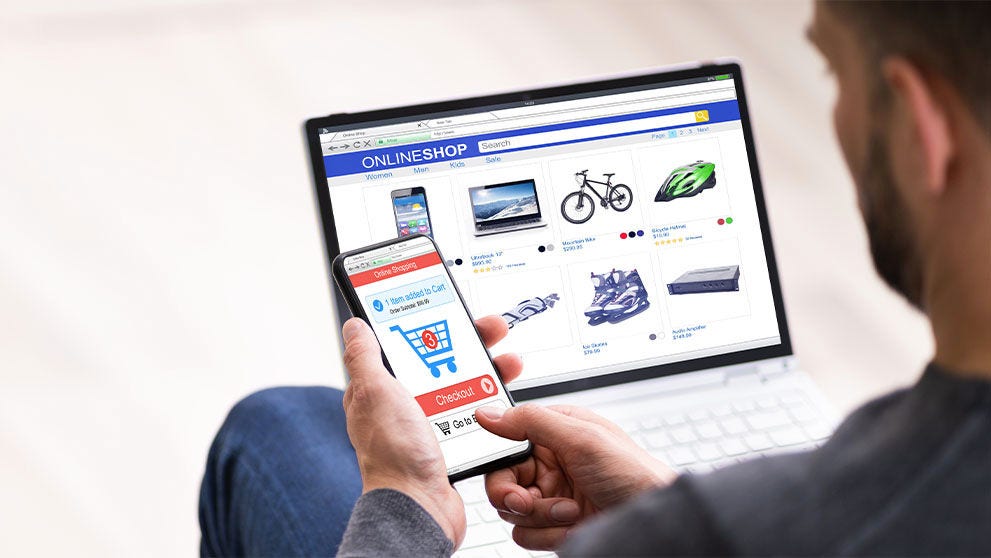
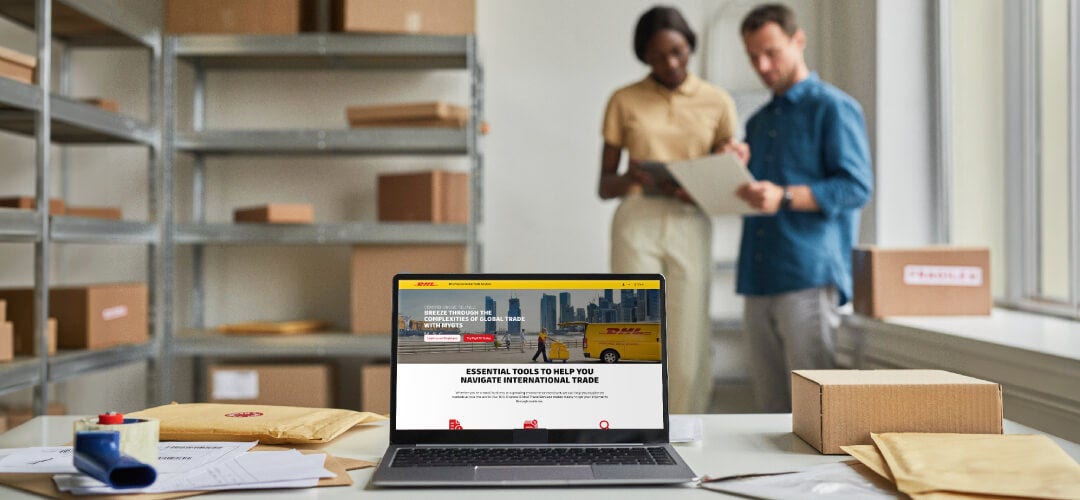
Unexpected delivery charges are one of the biggest risks to U.S. conversion. Canadian sellers should clearly explain whether duties and taxes are included, estimated, or payable on delivery. For stronger transparency, DHL Global Trade Services and MyGTS can help businesses classify products, estimate landed costs, understand customs requirements, and compare trade lanes before shipping.
Use DHL tools to estimate landed cost
DHL Duty and Tax Calculator capabilities can also support checkout experiences by calculating duties, taxes, and governmental fees based on shipment contents, value, freight, insurance, currency conversion, de minimis rules, and preferential tariff rates where applicable. The goal is simple: help customers understand the full cost before they buy.
Delivered duty paid shipping for U.S. customers

Reduce surprise charges at delivery
Delivered duty paid shipping is one of the most important service models for Canadian brands selling into the U.S. Under a delivered duty paid approach, the seller collects and pays applicable duties and taxes up front rather than leaving the customer to pay charges on delivery. This is especially valuable for premium products, subscriptions, gifts, or any category where trust and repeat purchase matter.
Pair DDP with DHL Express cross-border services
DHL Express supports this experience through door-to-door express shipping, customs clearance services, digital customs invoices, tracking visibility, and tools that help sellers estimate duties and taxes before shipment. When you pair these capabilities with delivered duty paid shipping, you can send a parcel to America with clear expectations: the customer pays once, understands the cost, and receives the order without an additional bill tagging along.
Carrier and customs clearance choices

Choose a delivery partner and shipping option that make sense for your business
Carrier choice now affects speed, tracking, customs data quality, clearance reliability, and whether preferential treatment under CUSMA can be applied effectively. For urgent orders, DHL Express is well suited to fast, door-to-door international delivery with strong tracking visibility. For higher-volume B2C parcel programs, DHL eCommerce Canada offers cross-border residential delivery solutions from Canada to U.S. consumers, with parcel processing, customs clearance support, U.S. network entry, tracking visibility, and e-commerce platform integrations.
Consider consolidation before moving production
If you’re thinking about moving production or inventory into the U.S., you should know that’s not the only option. DHL can also support strategies such as consolidating shipments, improving customs documentation, using express clearance, comparing trade lanes, and making duties and taxes visible at checkout. The right model depends on order volume, product category, average order value, origin status, delivery promise, and customer expectations.
CUSMA origin qualification and duty-free eligibility
Confirm that goods qualify under rules of origin
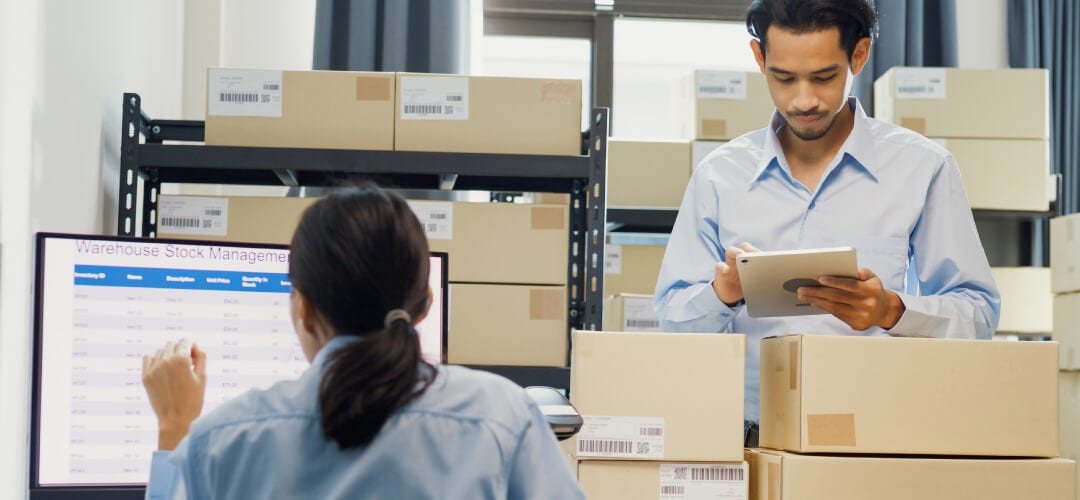
CUSMA is still one of the best tools Canadian sellers have to reduce duty exposure, but goods must qualify under the rules of origin; they don’t qualify just because they ship from Canada. Businesses need accurate HS codes, product-level origin analysis, certification of origin, and records that support the claim.
Manage origin documentation at the SKU level
Government of Canada guidance notes that Canadian exports that qualify for preferential duty-free treatment under CUSMA can avoid certain U.S. tariffs when the importer claims the preference based on certification of origin. For e-commerce sellers, origin qualification should be managed at the SKU level with a product master file that includes HS codes, country of origin, origin criterion, supplier declarations, and manufacturing support.
Cross-border returns from the U.S. to Canada

Set customer expectations in the returns policy
Without the right policy, returns can quietly make or break profitability for sellers shipping to the USA from Canada. A Canadian seller shipping to U.S. customers needs a return policy that explains who pays return shipping, whether the business refunds duties and taxes, how it handles exchanges, and how quickly it processes refunds.
Decide where returned inventory should go
Operationally, sellers should decide whether they will return goods directly to Canada, use a U.S. returns address, consolidate returns before moving them back across the border, or resell returned inventory in the U.S. DHL’s cross-border transportation, tracking, and customs expertise can help teams control the returns process when visibility and consistency matter.
How do I compare shipping prices between Canada and the U.S.?
Compare total landed cost, not just the carrier rate
To compare prices accurately, calculate total landed cost rather than the carrier rate alone. Include package weight and dimensions, origin and destination postal codes, delivery speed, insurance or shipment protection, duties, taxes, brokerage or clearance fees, return expectations, and whether the seller will ship delivered duty paid or unpaid. DHL’s online quote tools can show estimated shipping costs and delivery speeds, while DHL Global Trade Services and duty and tax tools can help estimate customs-related costs.
Evaluate both Canada-to-U.S. and U.S.-to-Canada costs
For Canada-to-U.S. orders, compare U.S. duties, CUSMA eligibility, and customer tolerance for delivery charges. For U.S.-to-Canada orders, compare Canadian duties, GST/HST or other applicable import taxes, brokerage costs, and delivery service level. The strongest comparison looks past the cheapest label and weighs margin and customer experience after customs.
What are the fastest reliable Canada–U.S. shipping options?
For time-sensitive e-commerce orders, replacement shipments, product launches, and marketplace delivery promises, express shipping usually gives sellers the most reliable option. DHL Express offers fast, door-to-door international courier delivery with customs clearance expertise, tracking, pickup scheduling, and digital shipping tools through MyDHL+. For higher-volume B2C parcel flows where affordability drives the decision, DHL eCommerce Canada can support residential delivery from Canada into the U.S. with parcel processing, customs clearance support, U.S. network entry, and tracking visibility.
Action checklist for Canadian e-commerce sellers
- • Audit top U.S. SKUs for HS codes, declared value, origin, and CUSMA eligibility.
- • Add landed-cost, duties, and tax messaging to checkout and post-purchase communications.
- • Consider delivered duty paid shipping to reduce customer friction.
- • Use DHL tools to compare shipping costs, duties, taxes, and customs requirements.
- • Review returns to determine whether goods come back to Canada, consolidate in the U.S., or use a U.S. returns address.
Conclusion: cross-border growth belongs to prepared sellers
The end of de minimis isn’t the end for Canadian e-commerce brands selling to the U.S.. It just changes the operating model. Brands that treat duties, taxes, origin qualification, clearance, and returns as part of the customer experience can protect margins and maintain trust more effectively. DHL is here to help every step of the way to help Canadian sellers adapt to the new tariff landscape without giving up on U.S. growth.


 Share
Share
Similar Stories