#eCommerceAdvice

Can Fish Maw & Scallops Be Shipped to the UK? Dried Goods Export Guide

4 Mins Read
Dried goods

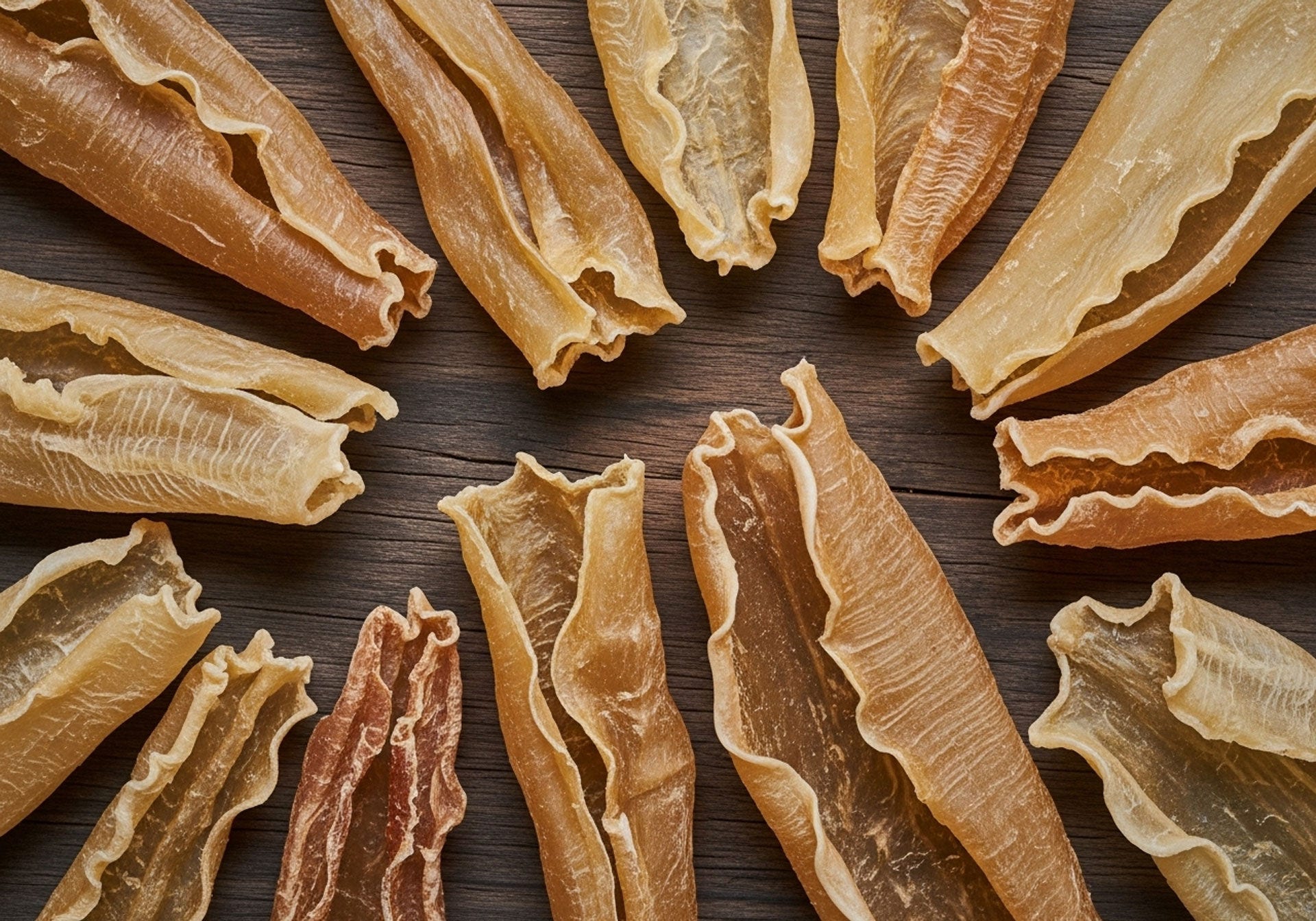
Shipping dried goods such as fish maw, conpoy, and tangerine peel to the UK is a meaningful way for many Hong Kong people to share a taste of home with family and friends abroad. Whether it is premium dried seafood, traditional soup packs, or everyday staples like shiitake mushrooms and Chinese herbs, these culturally significant ingredients bring great comfort to those living overseas.

However, the UK has strict food safety and phytosanitary regulations, and all dried seafood and dried goods entering the UK are subject to clear legal requirements. Even low-risk items can be detained, returned, or destroyed by customs if they are not properly packaged or accurately declared — simply labelling a shipment as a "food gift" or "soup ingredients" is no longer sufficient to guarantee smooth clearance.

This guide provides a comprehensive breakdown of UK import restrictions, covering key questions such as whether fish maw and conpoy can be sent to the UK, UK entry regulations for tangerine peel, and important notes for shipping soup packs to the UK. We will also cover packaging requirements, customs declaration tips, and a list of prohibited items, to help you ship dried seafood to the UK smoothly and avoid unnecessary risks.

Can Dried Goods Like Fish Maw and Scallops Be Sent to the UK? UK Import Restrictions Explained

When sending dried seafood to the UK, understanding the country’s clear UK import restrictions for animal- and plant-derived products is essential. While some dried goods are considered low-risk, improper packaging or incomplete declarations may lead to customs detention or destruction of shipments.

Background and Regulations on UK Seafood Import Restrictions

UK import controls for dried seafood aim to prevent the introduction of animal diseases such as foot-and-mouth disease or African swine fever, while protecting local agriculture and fisheries. As a signatory to the Convention on International Trade in Endangered Species of Wild Fauna and Flora (CITES), the UK strictly regulates products derived from endangered marine species to prevent illegal trade.

According to UK import restrictions, customs authorities classify imports as either animal-derived or plant-derived products. Animal-derived items, such as dried fish maw, scallops, and shellfish, are assessed based on origin and processing methods. Fully dried products that require no refrigeration and contain no residual animal fluids are typically low-risk and may be imported in limited quantities for personal use. Plant-derived products, including tangerine peel and shiitake mushrooms, must comply with UK phytosanitary laws, ensuring they are free from insects, fungal spores, or plant seeds.

Declaration requirements differ for personal and commercial shipments. Personal gifts or self-use items face looser regulations, but commercial imports or large shipments require formal import permits and health certificates.

Dried goods

What Dried Goods Are Allowed into the UK? Conditions for Fish Maw, Dried Scallops & Shiitake Mushrooms

Can dried seafood be brought into the UK? The answer depends on the type of ingredient and packaging conditions. Common Hong Kong soup ingredients, such as dried fish maw and scallops, are considered low-risk aquatic products. These can generally be imported if they are clearly sourced, fully dehydrated, and packaged in factory-sealed containers, often without requiring special quarantine. Taking shiitake mushrooms as an example, dried shiitake and other dehydrated fungi fall within the freely importable category in the UK, provided they are fully dried, free from insect damage, and have no unusual odors. Homemade dried products should be avoided, as non-factory-sealed items are often deemed high-risk.

When shipping soup packs to the UK, ensure the ingredients are clearly labeled. Purely vegan soup packs, free from meat, chicken powder, or animal oils, are typically permitted in original packaging with clear ingredient and origin details, within reasonable personal quantities. Excessive shipments or those deemed for commercial use may trigger customs issues.

Additionally, the UK imposes weight and value limits on personal shipments. Quantities must be reasonable, and exceeding these limits may incur taxes or require additional commercial documentation.

UK Prohibited Items and Food List: Which Dried Seafood and Dried Goods Cannot Be Shipped to the UK?

Before reviewing the UK's prohibited items list, it is important to note that UK customs classifies food based on animal- or plant-derived origin. Not all dried seafood or soup packets can smoothly enter the UK.

We recommend carefully checking the following list of commonly prohibited items before shipping, to avoid your shipment being returned or destroyed by UK customs:

Category

Common Examples

Reason for Prohibition

Risk Level

Fresh meat / eggs / dairy

Fresh meat, eggs, fresh milk

Prohibited from non-EU regions

Strictly prohibited

Processed foods containing meat or dairy

XO sauce, chilli sauce, dried meat floss

Contains animal-derived ingredients

Strictly prohibited

Endangered species products (CITES)

Shark fin, coral, seahorse products

Protected species regulations

Strictly prohibited

High-risk dried goods

Dried shrimp, salted fish

High-risk food items

May require health certificates or proof of origin

Soup packets with meat / dried meat / egg-based mooncakes

Soup packets, beef jerky, egg yolk mooncakes

Contains residual meat ingredients

May be returned or destroyed

*Please note: If you are planning to ship mooncakes to the UK, pay close attention to the ingredients. Custard (奶黃) and bean paste mooncakes made from plant-based ingredients have no import restrictions for personal or commercial use and can be shipped in original factory-sealed packaging. However, egg yolk mooncakes (含蛋黃月餅) contain animal-derived ingredients and are classified as prohibited food items in the UK — these are not recommended for posting.

If you are unsure whether your items comply with UK entry requirements, we recommend consulting the UK Government's official website, referring to the DHL Express Personal Shipping Support Centre guide, or calling the DHL 24-hour customer service hotline at 2400 3388 before shipping, to ensure smooth customs clearance.

UK Entry Regulations for Tangerine Peel: Can Dried Tangerine Peel (Chen Pi) Be Brought into the UK?

Fresh fruits and vegetables are generally prohibited from being mailed from Hong Kong to the UK to prevent the spread of pests and diseases. However, dried tangerine peel, chen pi (陳皮), and similar dried plant products, can typically be sent as “personal-use dried goods” if fully dried and free from biological risks. Senders must ensure packaging clearly indicates the origin (e.g., “Product of Hong Kong” or “Product of China”) and processing method (e.g., “Dried and Ready to Eat”). Even for permitted dried tangerine peel, quantities should remain moderate to avoid being classified as commercial shipments, which may require additional documentation.

For further details, refer to the DHL Express list of prohibited and restricted items to understand other items that cannot be shipped to the UK.

How to Ship Dried Seafood to the UK? Complete Packaging and Customs Declaration Guide

Packaging and Declaration Key Points

When sending a parcel to the UK from Hong Kong containing dried seafood to the UK, use factory-sealed packaging to ensure airtight, moisture-proof conditions with intact labeling that specifies ingredients, origin, and shelf life. For loose dried goods, vacuum-sealed bags with desiccants are recommended, packed in double-layered cartons to prevent damage during transit.

During customs declaration, accurately list the item’s name, nature, and HS Code (e.g., “Dried Fish Maw,” “Dried Scallops,” or “Plant-Based Dried Goods”). For soup packs, provide a complete ingredient list to avoid misclassification as animal-derived products. Avoid vague descriptions like “food gift” or “soup ingredients,” as these may lead to additional documentation requests or returns.

Reference HS Codes for Common Dried Goods Shipped from Hong Kong to the UK

The Harmonised System (HS Code) is an internationally standardised commodity classification system used to identify and categorise import and export goods. When shipping dried seafood, dried goods, or herbal Chinese medicine from Hong Kong to the UK, accurately declaring the correct HS Code is critical — it directly affects customs duty calculation, applicable tax rates, and whether additional import permits or phytosanitary documents are required. Incorrect or overly vague HS Code declarations may prompt UK customs to request corrections, leading to clearance delays, additional fees, or even potential penalties for non-compliance.


Below are reference HS Codes for commonly shipped dried goods and food items from Hong Kong to the UK:

Product Category

Common HS Code (First 4 Digits)

Notes

Fish Maw (Dried Fish Bladder)

0305

Classified as a dried fish product; must be declared as fully dehydrated and processed, with the source species clearly indicated

Conpoy (Dried Scallops)

0307

Classified as dried molluscs; must be fully dehydrated and in factory-sealed packaging

Dried Shiitake Mushrooms

0712

Classified as dried vegetables/fungi; must be fully dried and free from insect damage; homemade products carry higher risk

Dried Tangerine Peel / Chen Pi

0814

Classified as dried citrus peel; origin and processing method must be clearly indicated

Wolfberries / Red Dates and Other Dried Fruits

0813

Classified as dried plant fruits; must be fully dried with clearly labelled origin and ingredients

Vegan Soup Packets

2106

Classified as mixed food preparations; a full ingredient list is required, confirming no meat or animal oil content

Vegan Mooncakes

1905

Classified as baked goods; egg yolk mooncakes are classified as UK prohibited food items and cannot be posted; custard and bean paste mooncakes have no import restrictions

Herbal Chinese Medicine (e.g. Codonopsis, Red Dates)

1211

Classified as medicinal plants; must be fully dried with clearly labelled ingredients; products containing animal-derived ingredients or CITES-listed species are prohibited

Dried Shrimp

0306

Classified as dried crustaceans; considered a higher-risk food item; health certificates or proof of origin may be required

Please note that the above HS Codes are for reference only. The actual HS Code must be further specified based on the specific composition, intended use, and processing method of the goods. For a complete HS Code classification used in Hong Kong import/export declarations, please refer to the commodity code look-up tool provided by the Census and Statistics Department of Hong Kong. If you have any queries regarding customs declarations, we recommend contacting DHL Express customer service before shipping to ensure accurate declaration.

DHL: Making It Easy to Ship Your Dried Seafood to the UK

Shipping valuable dried seafood from Hong Kong to the UK can be complex, especially when navigating UK import restrictions, customs, quarantine, and evolving declaration requirements. A single oversight may cause delays or failed deliveries. Choosing a reliable international partner is key to ensuring your shipment arrives safely and on time. DHL Express, with its global logistics network and experienced customs clearance teams, can help senders accurately understand UK food import regulations and prepare necessary documents to avoid detention due to declaration errors or documentation gaps.

Unlike standard postal services, DHL offers flexible express options and On-Demand Delivery (ODD) services, allowing recipients to receive parcels at their convenience. Real-time shipment tracking provides senders with full visibility of delivery progress, ensuring peace of mind throughout the process.

Dried goods

UK Customs, Quarantine, and Post-Entry Handling

Estimating Customs Duties and VAT

Personal shipments valued below £135 are typically exempt from UK customs duties and Value Added Tax (VAT). However, commercial shipments or higher-value goods may incur VAT based on declared value, and some cases may require additional quarantine fees. DHL can assist in estimating taxes before shipping to avoid unexpected costs upon delivery.

Handling Detained Dried Seafood Shipments

Common reasons for detained dried seafood include incorrect food classification, missing ingredient labels, suspected animal-derived content, or incomplete documentation. If detained, contact DHL customer service with the tracking number to investigate.

DHL typically notifies recipients via email or phone about required actions, such as submitting a Commercial Invoice with sender and recipient details, item descriptions, and pricing, or providing payment or price proof. After clarifying the detention reason, if taxes are required, taxes can be paid through DHL’s online payment system. DHL’s Duty Tax Paid (DTP) service allows senders to prepay all duties and taxes, simplifying clearance. 

If inspections are required, cooperate patiently; compliant, non-prohibited goods are usually released after documentation and payment are completed.

Open a DHL Business Account for Seamless Global Exports

Opening a DHL business account unlocks exclusive new customer shipping discounts and bulk rate agreements. Whether you run an online store, engage in wholesale exports, or aim to expand overseas, DHL offers tailored logistics solutions and comprehensive support to navigate global customs procedures and comply with diverse import regulations.

With DHL’s extensive international network, you can rely on efficient, reliable express services to deliver goods anywhere in the world, empowering you to master every aspect of cross-border logistics and seize global business opportunities.

Frequently Asked Questions: Shipping Dried Seafood to the UK

The UK permits the import of certain processed and dried seafood, including low-risk dried goods such as fish maw, dried scallops, and shiitake mushrooms. Provided the products are fully dehydrated, packaged in factory-sealed containers, and clearly labelled with ingredients and country of origin, they can generally be brought to or mailed to the UK. No additional quarantine permit is required for personal use in reasonable quantities.


Dried shiitake mushrooms are classified as a plant-derived product and fall within the freely importable range in the UK, provided they are fully dried, free from insect damage, and have no unusual odours. Homemade dried mushrooms, which lack factory-sealed packaging, are more likely to be considered high-risk and should generally be avoided.

Dried tangerine peel (陳皮 / Chen Pi) is classified as a dried plant product. It can generally be brought to the UK, provided it is fully dried and clearly labelled with the country of origin and processing method. However, quantities should remain moderate to avoid being classified by UK customs as a commercial shipment, which may require additional documentation.

Whether traditional Chinese medicine can be shipped to the UK depends on the ingredients. Purely plant-based dried herbal medicines (such as wolfberries, red dates, and codonopsis) are classified as plant-derived products and can generally be shipped, provided they are fully dried and clearly labelled. Chinese medicines containing animal-derived ingredients (such as cordyceps and deer antler velvet), or products involving CITES-listed endangered species, are subject to strict restrictions or are prohibited. If in doubt, please contact DHL customer service for the latest regulations.

Plant-based (vegan) soup packs can be sent to the UK, provided they contain no meat, chicken powder, or animal-derived oils, and are kept in their original factory-sealed packaging with ingredients and origin clearly labelled. Soup packs containing meat or animal-derived ingredients are classified as UK prohibited items and are not recommended for shipping. For enquiries, please call the DHL 24-hour customer service hotline at 2400 3388. For further information, please refer to the UK Government's official guidelines on bringing food into Great Britain.

Under UK import restrictions, the following food items cannot be mailed from Hong Kong: fresh meat, eggs, and dairy products; incompletely processed aquatic products; processed foods containing meat or dairy (such as XO sauce and dried meat floss); egg-based mooncakes and dried meat products; and products involving CITES-listed endangered species. Fully dried and dehydrated dried seafood and plant-based food items can generally be shipped, provided they meet packaging and declaration requirements. If in doubt, please refer to the DHL Express list of prohibited and restricted items or contact DHL customer service.