Why do oversized components need route planning before you ship?
Heavy wind turbine blades and industrial inverters won't fit on standard roads without careful, collaborative planning. A single low bridge, a tight village turn, or an inadequate ferry ramp can block your convoy, stall your site, and impact your budget. Skipping the route survey can lead to equipment damage or a serious accident.
What to check before your convoy leaves
These checks can help you catch blockers before your convoy ever leaves the yard:
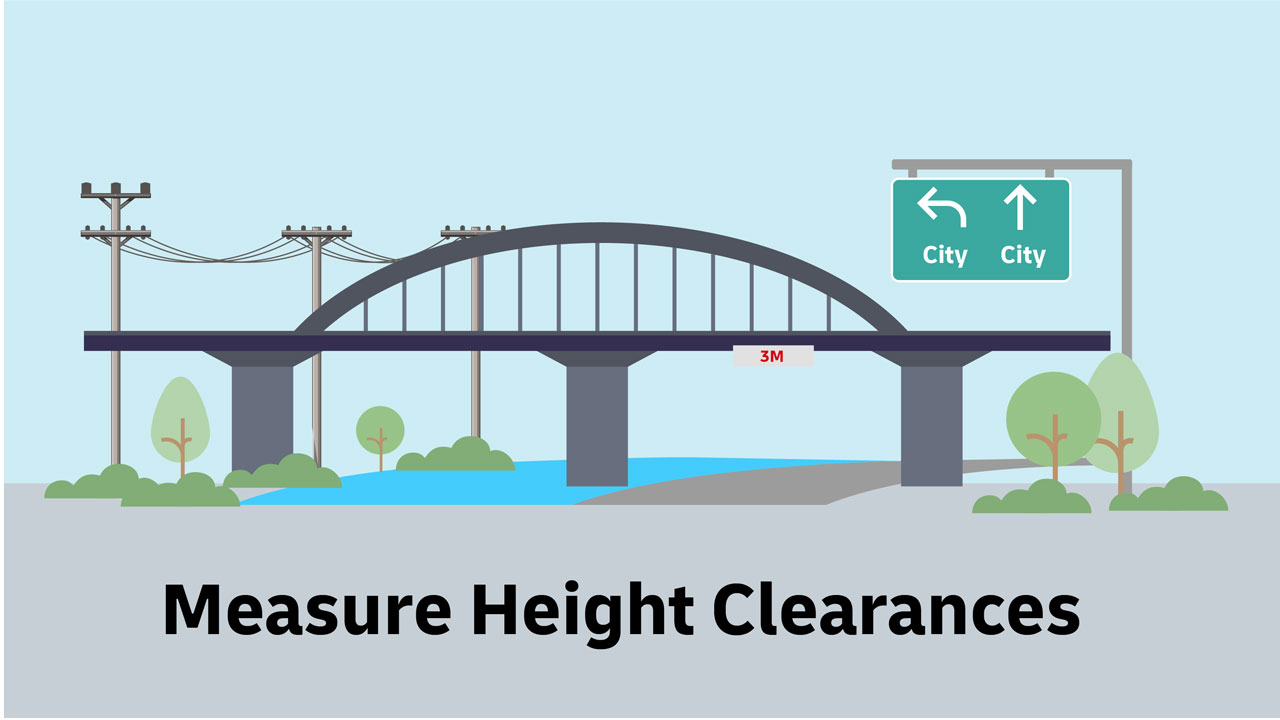
Measure Height Clearances: Map low bridges, power lines, and signs along the entire corridor.
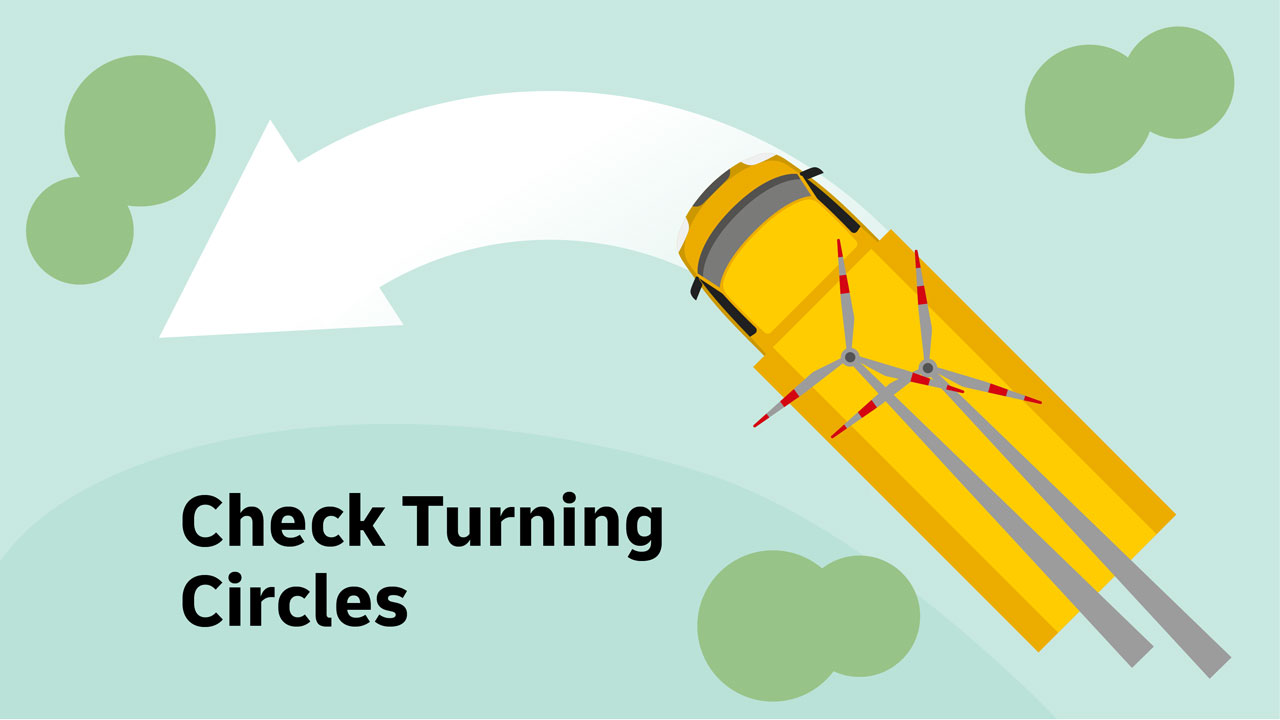
Check Turning Circles: Verify long-length wind turbine trailers can clear wide curbs and roundabouts, especially in older urban areas.
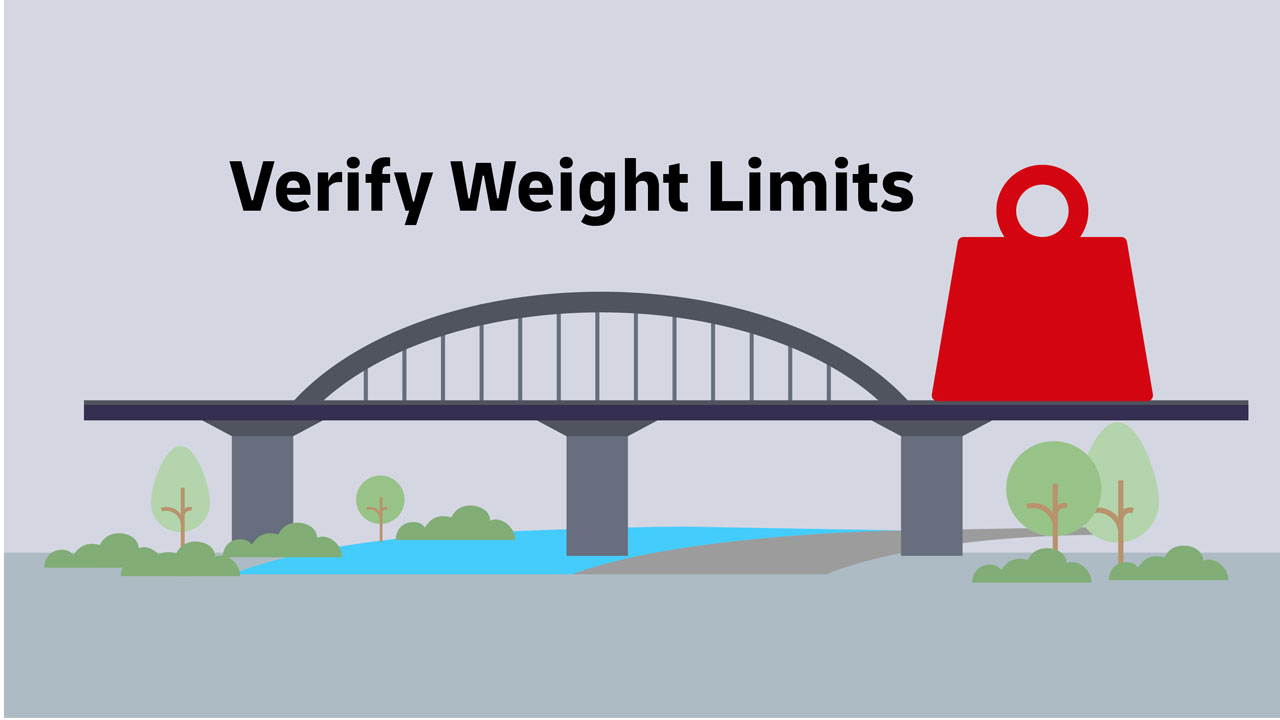
Verify Weight Limits: It is important to check bridge and road load limits against the Maximum Axle Load for that specific road class with regional engineers.
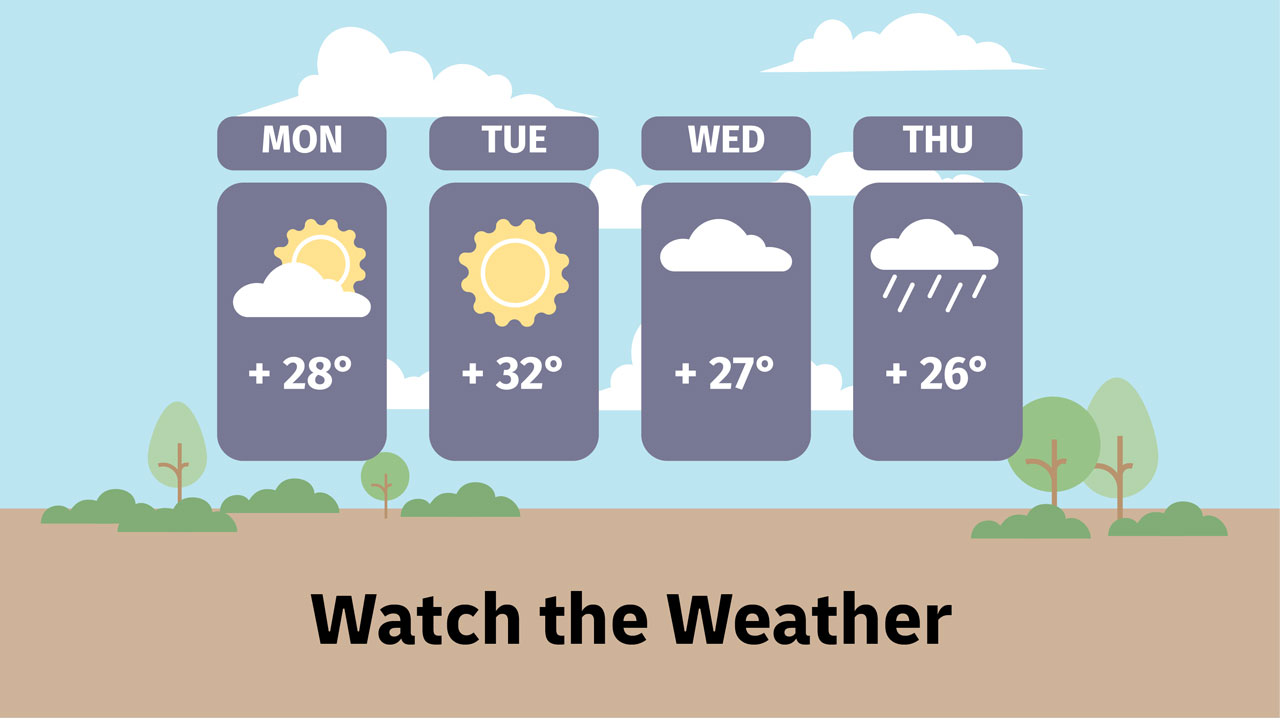
Watch the Weather: Note seasonal challenges, especially during the rainy season from October to April, that could create muddy conditions or high winds that might affect tall freight.
What else could throw off your plan
Indonesia's unique geography adds its own complexities. Planning for inter-island ferry and barge routes is fundamental, as many renewable energy sites are located across the archipelago. This means coordinating not just the angkutan darat (road freight transport), but also the sea-crossings, so factor that into your survey from day one.
For your urgent smaller parts, tools, or electronics, DHL Express Worldwide helps keep your build schedule on track when a critical component needs to move fast. You can use MyGTS to check the right classification codes before you ship, and lean on our Multiline Entry service when a single shipment covers several different part types under one customs entry.
How do you stop solar panels from cracking in transit?
Solar cells are highly sensitive. Low-frequency vibrations on rough or unpaved roads, particularly across terrain in developing energy regions like Sumatra or East Nusa Tenggara, can cause tiny internal fractures. These micro-cracks are invisible to the eye, but they can reduce power output once the panels are installed on site.
How to keep panels steady in transit
These four techniques help protect your panels from vibration damage:
- Dampen Vibrations: Use rubber mats and corner suspension inside your containers to absorb road shocks.
- Stop Vertical Shifting: Secure heavy-duty straps to specific tension levels to stop panels from bouncing.
- Control Stacking: Limit vertical stacking heights to match manufacturer guidelines to protect the cells in lower crates.
- Track the Journey: Use shock monitors on crates to log any rough handling events.
What to do if a part fails on site
If your onsite tests show a failed part, you need replacement tools or small inverters quickly. DHL Express Worldwide supports that timeline with Dedicated Pickup and Dedicated Delivery, so your crew can hit their grid deadlines. Our Shipment Protection adds a layer of protection for high-value panels and diagnostic equipment in transit. And if those diagnostic tools carry lithium batteries, we handle that under PI967 and PI970 Section II, so compliant shipping is one less thing for you to worry about mid-project.
What road permits do you need for remote transport?
If you cross provincial borders without the right heavy vehicle clearances, your convoy risks being impounded and facing heavy fines. Moving oversized energy parts requires explicit approval before your trucks start rolling. Local laws set strict rules for escort cars, travel hours, and axle weights, which are enforced by the Ministry of Transportation's Directorate General of Land Transportation.
To secure these permits, you often must submit detailed drawings of your transport setup to multiple government departments. A single day's delay here can cost you IDR 8,950,000 or more in idle crew and equipment time.
How these permits shape your plan
Each permit type changes your plan in a different way:
Permit Type
| Key Constraint
| Logistics Impact
|
|---|
Axle Load Approvals
| Limits total weight on each axle group
| Affects your choice of trailer
|
Time-of-Day Limits
| Restricts heavy loads to night hours
| Dictates your total project timeline
|
Escort Vehicle Rules
| Requires pilot cars or police escorts
| Increases your transport costs
|
Route Approvals
| Binds your convoy to one pre-approved path
| Reduces your ability to detour
|
DHL Express can support document preparation for cross-border components that require Non-Routine Entry filings. While your compliance remains your responsibility, our team is here to help streamline the paperwork to cut the risk of border delays.
How does DHL Express support your renewable energy supply chain?