Kenya’s rainy seasons rarely arrive without warning. Weeks before the first heavy downpour, the national weather service publishes seasonal forecasts, often broken down by county.
The trouble is that these warnings don’t always make it from the forecast page into the dispatch plan.
For businesses delivering goods across Kenya, preparing early can mean the difference between a manageable delay and a missed customer promise. Here’s how to plan stock movements, delivery timelines, packaging and service choices around the long and short rains.
When Do Kenya’s Rainy Seasons Begin?
Kenya has two main rainy seasons, each affecting a different part of the trading calendar.
The long rains usually run from March to May. This is the main rainfall season across much of the country. Rainfall generally peaks in April, although coastal areas often receive their heaviest rain in May.
The short rains typically fall between October and December. Their onset varies by region. Some western counties may experience continued rainfall from September, while central, eastern and coastal areas often see the season begin during the second half of October.
In counties such as Nairobi, Kiambu, Machakos, Meru and Mombasa, the short rains can account for more than 30% of the year’s total rainfall. They also coincide with the busy December trading period, when many businesses are moving more stock and customers expect orders to arrive quickly.
Seasonal forecasts are supported by monthly, seven-day and daily updates. These dates should sit in your delivery calendar alongside domestic booking deadlines, pickup schedules and seasonal sales campaigns.

How Heavy Rain Affects Deliveries Between Towns
Heavy rain can disrupt roads, railways and flights.
Flooding may waterlog or wash out roads, while rising water can make low-lying bridges unsafe. Strong winds, hail and thunderstorms may also affect air services.
For businesses sending goods between towns, these conditions usually create three problems:
Longer transit times on affected routes
Difficult access to estates, construction sites and rural addresses
Greater risk of wet or damaged cartons
The last few kilometres can be particularly challenging. A parcel may travel smoothly from Nairobi to a regional town, only to face a flooded access road near the delivery address.
Visibility matters here. When goods move through informal riders or loosely connected parcel offices, a blocked route can leave a shipment sitting somewhere with no clear update. With DHL, every shipment is tracked from pickup to delivery. If a route slows down, you have a status update to share with your customer instead of leaving them guessing.
Adjust Lead Times Before the Rain Starts
The best time to prepare for the rainy season is before the first storm.
Use seasonal forecasts to bring important deliveries forward, particularly when moving stock to branches, distributors or regular customers. Sending goods before the onset of heavy rain gives you more room to respond if a key route becomes difficult to use.
Where above-average rainfall is forecast, consider adding one or two working days to the delivery estimate shown at checkout. It is better to give customers a realistic promise and deliver early than to offer a tight deadline that becomes impossible once the roads are affected.
Service choice matters too.
DHL Domestic Select is a road-based option suited to planned shipments booked early, with enough time built into the schedule. It offers a cost-effective choice for deliveries that do not need to arrive urgently.
DHL Domestic Premium moves shipments by air and is designed for time-sensitive deliveries that cannot afford unnecessary delays. Flights can still be disrupted by severe weather, so urgent consignments should be booked as early in the day as possible.
These planning habits are useful throughout the year, but they become essential during the wet months. Manufacturers can apply the same approach to raw materials, spare parts and finished goods leaving the factory.

Pack Every Shipment for Wet Conditions
A carton does not need to sit in flood water to become damaged. A few minutes on an exposed loading bay can be enough for moisture to weaken the cardboard, soften the base or make a shipping label unreadable.
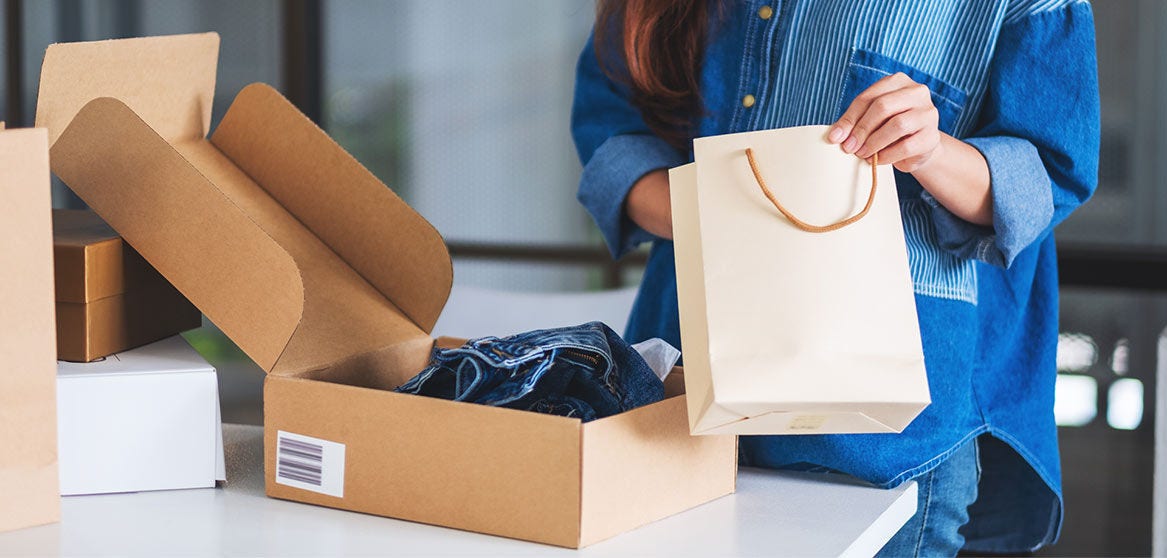
Start by lining the box with a plastic bag or wrapping the goods before placing them inside. Seal every seam with strong packing tape, including the bottom of the carton. Labels and shipping documents should be placed inside a waterproof sleeve and fixed securely to the package.
For heavier goods or shipments travelling long distances by road, use sturdy cartons designed to handle stacking, movement and damp conditions. DHL business account holders can order tested packaging supplies, helping remove one more variable from the delivery process.
The address also needs extra attention. Include a nearby landmark and a working Kenyan phone number on the label. If the usual access road is flooded, these details can help the courier confirm the location, find an alternative approach or arrange a practical handover point.
Keep Customers Updated
Rain may be outside your control. Communication is not.
A delayed order is easier for a customer to accept when they can see where it is and understand what is happening. Share the tracking link as soon as the shipment is booked, rather than waiting for the customer to ask for an update.
With DHL’s optional delivery services, customers can also use On Demand Delivery to reschedule a delivery or collect their parcel from a DHL ServicePoint. This can be especially helpful when an estate road is flooded, the recipient cannot reach home, or doorstep delivery is temporarily difficult.
Giving customers more control can also reduce failed delivery attempts and prevent parcels from being returned to your business.
Make the Rainy Season Part of Your Delivery Plan
The long and short rains are a regular part of doing business in Kenya. They do not need to catch your delivery operation unprepared.
Add seasonal forecasts to your logistics calendar. Move important stock early, allow extra time on high-risk routes, choose road or air according to the deadline, and pack every shipment with wet conditions in mind.
Open a DHL business account to schedule pickups, select the right domestic delivery service, track each consignment and order packaging made for the journey. That way, the rainy season changes your plan but not your customer’s experience.
Start with a sturdy box and use enough cushioning to prevent the contents from shifting in transit. Seal every seam using the H-taping method, then add a waterproof inner layer to protect the goods from rain and moisture. The same fragile-item packaging techniques used for international shipments work just as well for domestic deliveries within Kenya.
Tracking individual parcels by phone or WhatsApp can quickly become difficult when order volumes rise. With MyDHL+, businesses can monitor every consignment in one place, with a clear view of each shipment moving across Kenya, whether it’s heading to Kisumu or a smaller town beyond.
Both options work. The best choice depends on your shipment volumes, schedule and proximity to a DHL service point. Dropping parcels off may suit occasional senders, while booking a pickup can be more convenient for businesses handling multiple orders, because it saves a trip on wet, congested roads.
Frequent “Where is my order?” messages are an early warning sign. So are refunds caused by late deliveries and customers who buy once but never return. Track these patterns closely to identify where delivery delays may be affecting customer trust, repeat business and revenue.


 Share

Similar Stories