
Selling online has never been more accessible. Whether you're an aspiring entrepreneur or an established business exploring new revenue streams, e-commerce offers a flexible, low-cost entry point into the global market.
With digital adoption accelerating across South-East Asia, the conditions for e-commerce growth have never been more favorable.
However, you need to know how to start an e-commerce business the right way. With a solid strategy, the right platforms, and a reliable shipping partner, you can have the ideal foundation for scaling your operations locally and internationally.
What is an e-commerce business?
The Philippine e-commerce market is one of the fastest-growing in South-East Asia, and the numbers reflect this1:
- Total e-commerce volume reached US$28 billion in 2024
- The retail e-commerce segment contributed US$15.5 billion to the market in 2024
- The sector is expected to grow at a 13% CAGR from 2024 to 2027
- By 2027, the market is projected to reach US$40.5 billion
- 28% of total sales come from cross-border transactions
For entrepreneurs, this e-commerce growth signals a clear window of opportunity to build and scale online.
But what exactly is an e-commerce business?
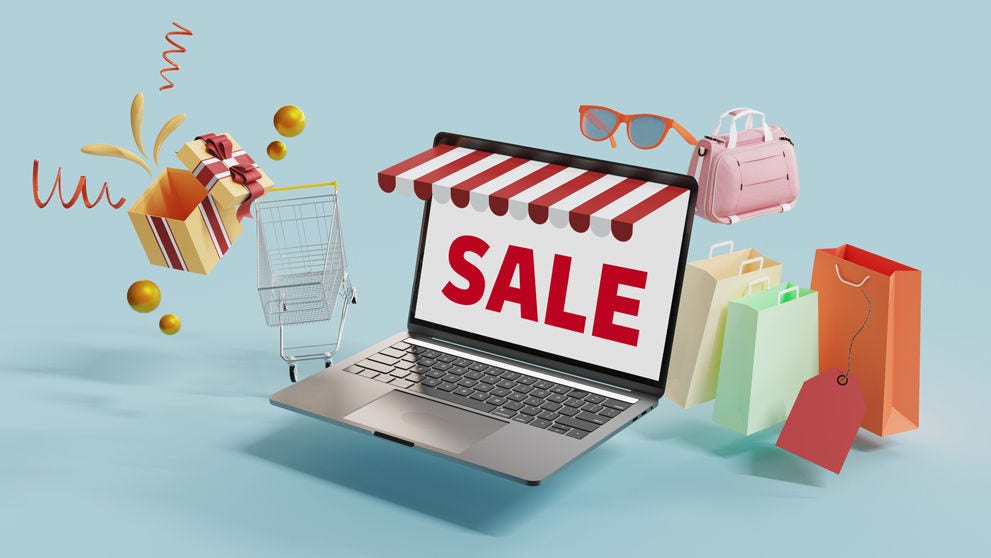
Simply put, it is any business that sells products or services through a digital storefront. Customers browse product listings, add items to their cart, and complete purchases through secure payment gateways.
From niche brands like Zalora and Shein to established online marketplaces like Lazada, Shopee, and TikTok Shop, the range of e-commerce stores reflects the diversity of today's online market, giving new and growing businesses multiple entry points to reach customers at scale.
Steps to start an e-commerce business

Knowing how to start an ecommerce business goes beyond picking a product and setting up an online store. It also requires a structured approach, from validating your idea to building a brand that resonates with your target market:
1. Choosing the right products to sell
Aligning your product with current market trends and real customer needs is one factor that will drive sustainable e-commerce growth over time. Before investing time or money, validate demand by researching search trends, browsing bestseller lists, and gathering feedback from potential customers.
Once you've identified an opportunity, consider your sourcing options:
- Manufacturers and wholesalers for branded or private-label products
- Print-on-demand suppliers for custom merchandise with minimal upfront costs
- Dropshipping suppliers for a low-risk, inventory-free model
2. Researching competitors and writing a business plan
Whether you’re venturing into local or international e-commerce, it’s crucial to understand market competition. Use tools such as Google Trends, SEMrush, or Meta Ad Library to identify market gaps and assess competitors' positioning.
Also consider conducting a SWOT analysis, in which you assess your strengths, weaknesses, opportunities, and threats. This way, you can further refine your strategy.
From there, build a business plan that outlines your brand mission, target audience, pricing model, and growth goals. This document becomes your roadmap as your business scales.
3. Building your brand and online store
More than a logo, your brand is also the name, visual identity, tone, and promise that customers associate with your business. Therefore, start by choosing a memorable business name, securing a matching domain, and developing a consistent visual identity across your storefront.
When you set up an online shop to sell your products, you should also learn how to prioritize e-commerce SEO. This means crafting keyword-rich product titles, writing detailed descriptions, and using high-quality images that improve both search visibility and conversion rates.
With a well-structured website, you can build credibility before a single order is placed.
4. Choosing sales channels and platforms
Selling on a single platform ior limits your reach. On the other hand, a multi-channel approach, using platforms like Amazon, eBay, Facebook, Instagram, and TikTok Shop, allows you to meet customers where they already spend their time.
The right channels depend on your product type and target audience. For instance, visual products perform well on Instagram and TikTok, while Amazon and eBay suit buyers who search with clear purchase intent.
If you have ambitions to scale your e-commerce operations into international markets, exploring multiple platforms also diversifies revenue streams and reduces dependence on any single marketplace.
5. Setting up shipping and fulfillment
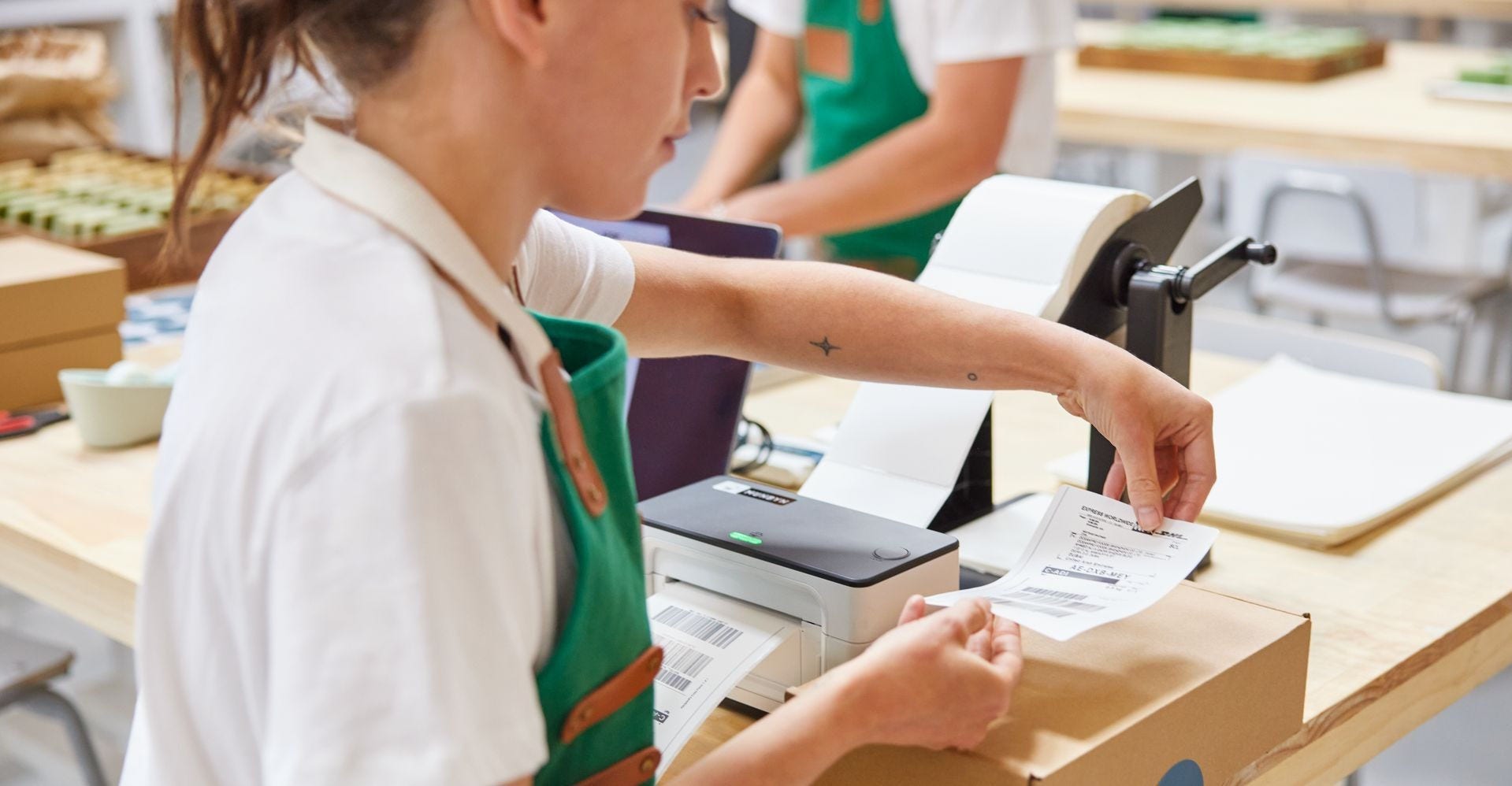
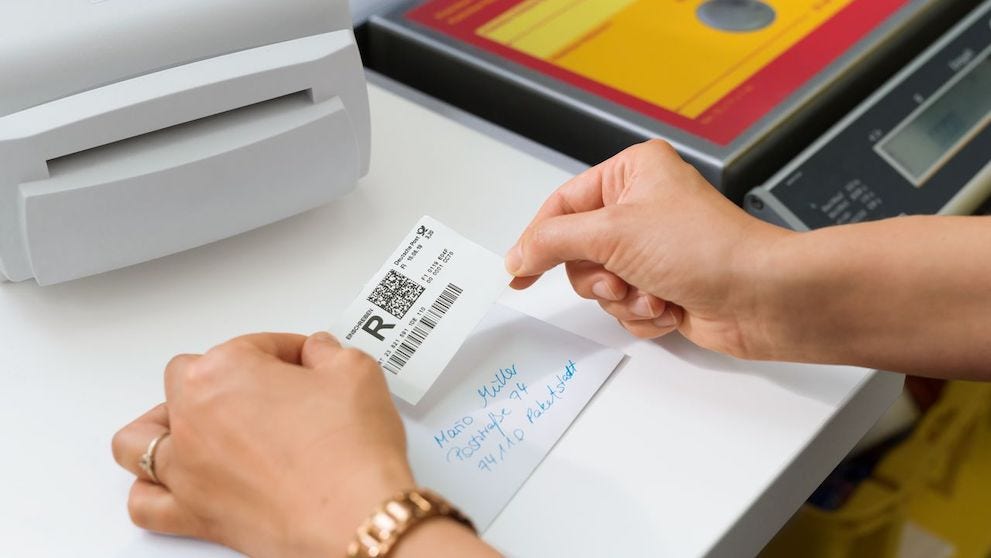
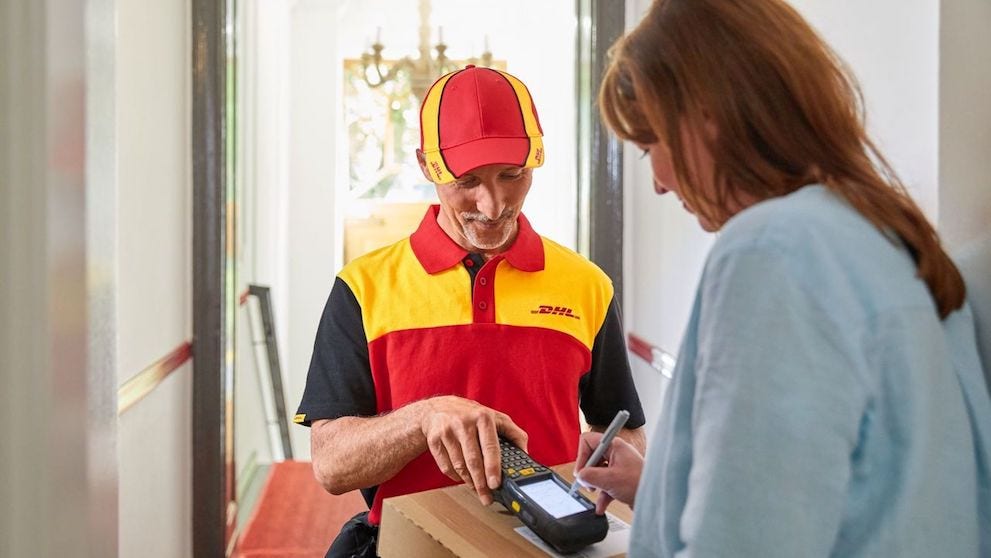
A clear shipping strategy is essential for any e-commerce business, especially for one planning to grow beyond its home market. Customers expect fast, affordable, and trackable delivery, and failing to meet these expectations directly impacts repeat business.
Key considerations include:
- Domestic vs. international shipping routes and carrier options
- Dimensional weight pricing and how it affects your overall shipping costs
- Whether to fulfill in-house or work with a third-party logistics provider
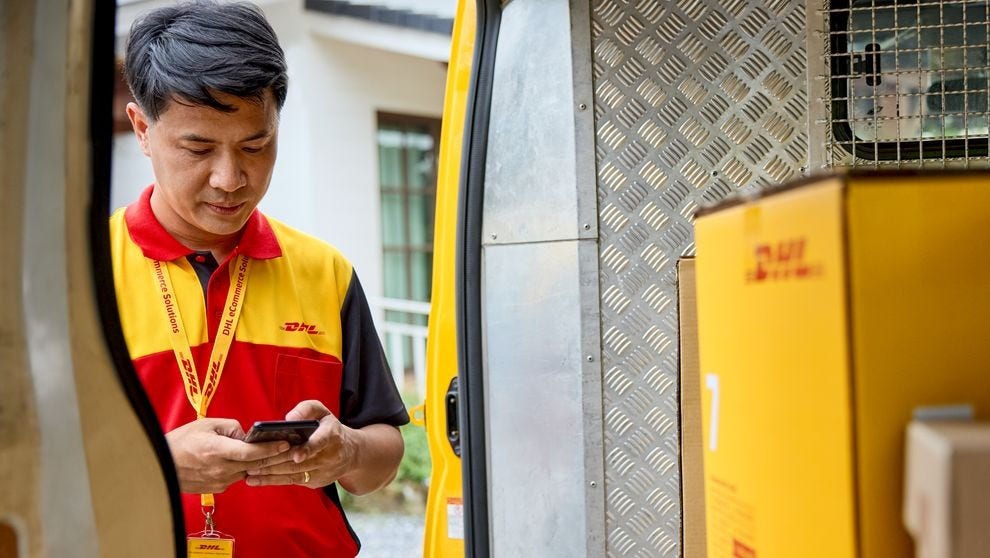
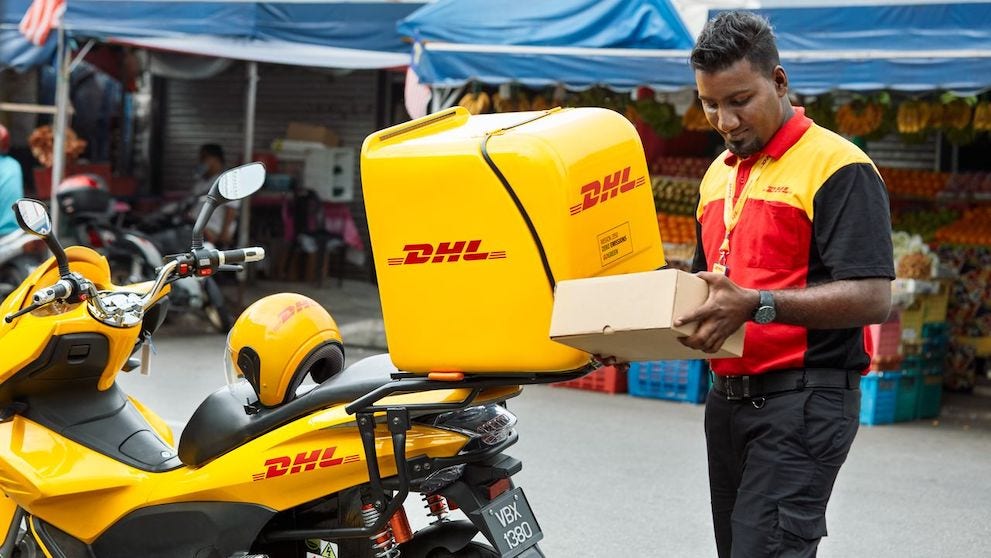
For cross-border sellers, partnering with a trusted name in logistics, such as DHL Express, simplifies international fulfillment, customs clearance, and last-mile delivery.
6. Launching and marketing your e-commerce business
A strong launch strategy is what turns a live store into a revenue-generating business. To build momentum before and after going live, consider the following tips:
- Before launch: Build anticipation through social media teasers, email waitlists, and influencer partnerships.
- Post-launch: Invest in a mix of paid ads, organic social content, and email marketing campaigns to drive consistent visitors to your store.
- Conversion rate optimization: Refine product pages, simplify checkout, and add social proof to turn visitors into buyers
- Analytics: Track performance regularly to identify what's working and where to improve, as data-driven decisions can help fuel long-term growth and help you scale your e-commerce business with confidence.
Understanding e-commerce startup costs
One of the biggest advantages of starting a local or international e-commerce business is that it doesn't require a large upfront investment. That said, costs can vary depending on your business model. A dropshipping operation, for instance, carries far lower inventory costs than a manufacturing-based setup.
The key expense categories to plan for include:
- Products: Inventory purchases, supplier minimums, or per-order costs for dropshipping and print-on-demand models.
- Operations: Business registration, licenses, payment gateway fees, and accounting tools.
- Website: Domain registration, hosting, platform subscriptions, and website design.
- Shipping: Packaging materials, carrier fees, and customs-related costs for international orders.
- Marketing: Paid ads, content creation, influencer fees, and email marketing tools.
- Staff: Freelancers or full-time hires for customer service, fulfillment, or marketing support.
Power your e-commerce growth with DHL Express
E-commerce remains one of the most scalable and globally accessible business models available today, and the opportunity in the Philippines has never been greater. However, to compete and ensure growth, you need fast, reliable, and transparent shipping.
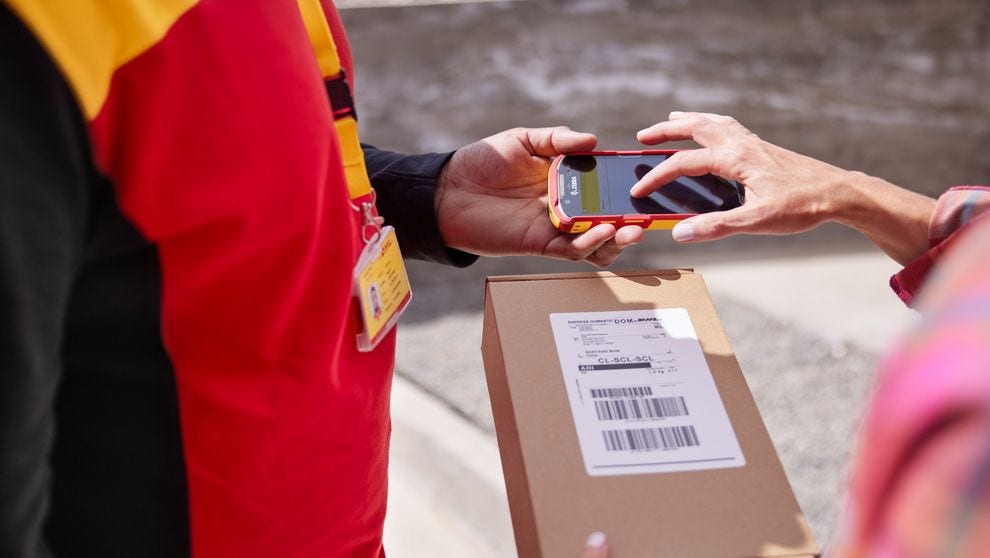
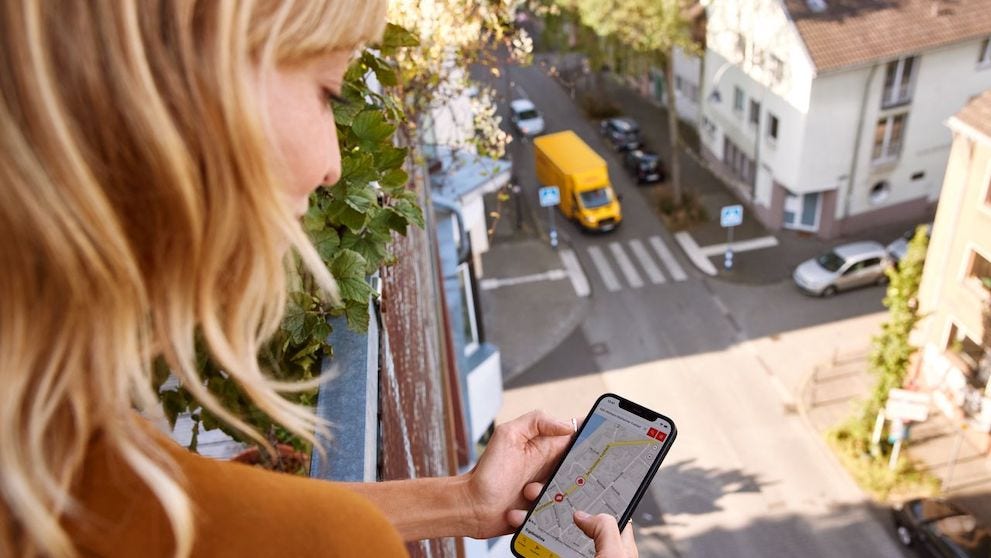
DHL Express gives entrepreneurs the tools to deliver on that promise. From local and international e-commerce deliveries and customs clearance to end-to-end shipment tracking, DHL Express simplifies complex logistics processes so you can focus on growing your business.
Open a DHL Express business account and start shipping with confidence.


 Share
Share
Similar Stories