

Sustainable B2B shipping is no longer a “nice to have” – it’s your competitive edge. Customers expect more, and delivery is a key place to start. From low-emission fleets to smarter routing, we’re breaking down the best ways to make your B2B deliveries leaner, greener, and more cost-effective.
B2B procurement has traditionally been highly price-driven, but sustainability is now becoming a key factor in purchasing decisions, particularly sustainable shipping. According to Bain & Company, 36% of B2B buyers would stop working with suppliers that fail to meet their sustainability expectations. This shift can directly influence whether customers choose your business over competitors—or move away entirely. As a result, it’s essential to reassess your supply chain practices and identify opportunities for improvement, starting with shipping operations.
Benefits of offering sustainable shipping to B2B customers
Competitive advantage: Only 53% of B2B customers say the sustainable options they are offered by suppliers fully meet their expectations2. This means there is a huge opportunity for businesses to leverage a sustainable shipping strategy to attract these underserved prospects.
New business opportunities: Large corporations often require suppliers to meet specific sustainability standards to help them meet their ESG (Environmental, Social and Governance) goals. Thus, sustainable shipping will set you apart in procurement processes.
Cost savings: Optimizing shipping routes, using eco-friendly packaging, and leveraging carbon offset programs can help B2B businesses to reduce costs over time. Furthermore, energy-efficient transportation often means lower fuel costs and fewer emissions.
B2B v B2C shipping
With the growth of B2B e-commerce, buyers are beginning to expect the same speed, convenience, and sustainability they’re used to in B2C transactions. The good news? Due to the nature of the B2B sector, it lends itself well to a sustainable shipping strategy:
1. Shipment size & frequency
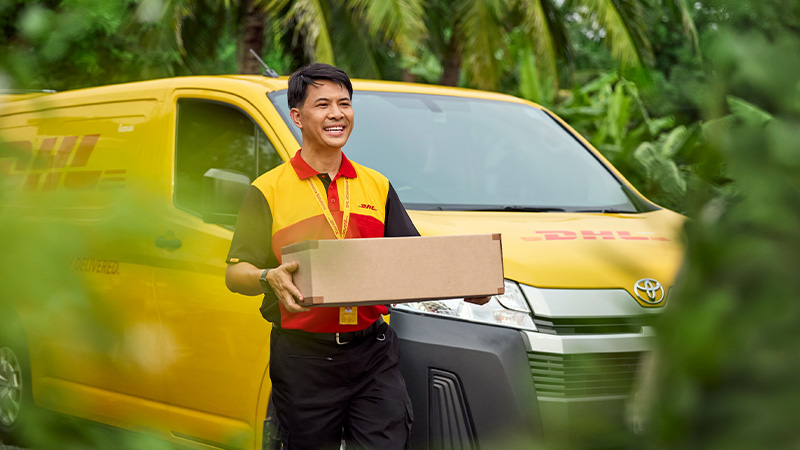
B2C sales typically involve frequent, small deliveries – often individual packages – which increases trips and the overall carbon footprint. Yet B2B shipments are typically large and infrequent, allowing for reduced emissions through route optimization.
2. Delivery speed & flexibility
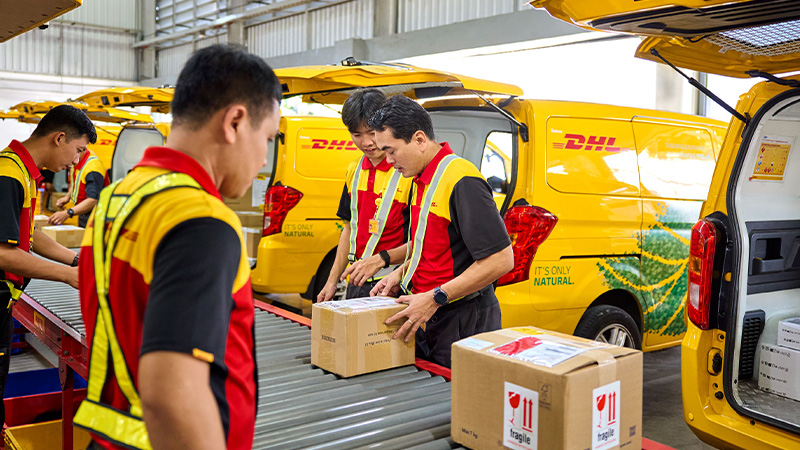
B2B deliveries are usually scheduled in advance, giving room for sustainable planning. In contrast, B2C customers expect fast shipping – including same-day delivery – making it harder to reduce emissions.
3. Order destination
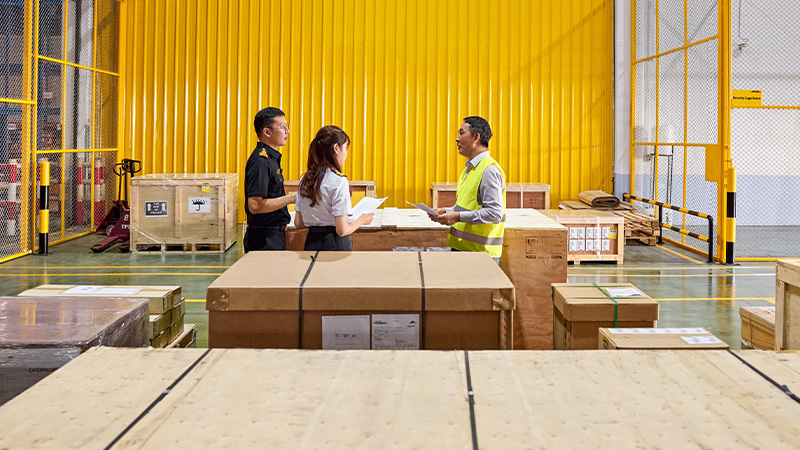
B2B orders are typically delivered to centralized locations like warehouses or distribution centers, rather than scattered individual homes. This makes it easier to consolidate shipments, optimize routes, and reduce the inefficiencies – and emissions – associated with last-mile delivery.
Five strategies for eco-friendly shipping
Low-emissions B2B delivery is not only great for the environment, but also for long-term efficiency, brand reputation, and often cost savings. Here’s a practical breakdown of strategies you can leverage.
Switch to sustainable fuels
DHL’s GoGreen Plus is a groundbreaking service that helps businesses reduce the carbon emissions associated with their shipments through the use of Sustainable Aviation Fuel (SAF).
SAF is a biofuel that is produced from renewable sources such as vegetable oils, animal fats, waste products, and agricultural crops. It can reduce greenhouse gas emissions by up to 80% compared to fossil fuels. The service can be selected for individual shipments, making it a flexible option for SMEs and e-commerce businesses with smaller cargo loads.
Think electric
Electrifying your delivery fleet can significantly reduce emissions and support long-term sustainability goals. DHL has set a target to electrify 66% of its last-mile delivery vehicles by 2030, as part of a broader strategy to cut logistics-related greenhouse gas emissions and reach net-zero emissions by 2050. By partnering with DHL Express, businesses can reduce the carbon footprint of final-mile deliveries while demonstrating to customers that fast, reliable shipping can also be sustainable.
Optimize routes and loads
AI-powered route planning software is more than just smart—it’s a game-changer for logistics efficiency. It identifies the most fuel- and time-efficient delivery routes, enabling drivers to complete multiple stops in the optimal order. This reduces fuel consumption and carbon emissions while improving overall delivery speed and reliability.
In addition, consolidating orders wherever possible—by grouping deliveries based on geographic location or customer—helps maximize vehicle capacity and reduce the total number of trips, further improving sustainability and cost efficiency.
Reduce your failed delivery rate
Failed deliveries are a huge contributor to your business’s carbon footprint – after all, every unsuccessful attempt clocks up more vehicle emissions (and costs!)
DHL's On-Demand Delivery (ODD) service offers businesses a way to enhance the customer experience in B2B shipping by providing flexible delivery options and real-time tracking. By notifying recipients with delivery status updates and offering alternatives like rescheduling, redirecting, or collecting at a ServicePoint, businesses can reduce failed deliveries and improve customer satisfaction. Win win!
Measure, report and improve
Making operational changes alone isn’t enough—it’s equally important to measure emissions and track efficiency improvements. Businesses can use tools and software to calculate and report emissions per delivery, helping set clear sustainability goals and identify areas for reduction. Sharing these sustainability metrics and progress with clients can also strengthen trust and may influence their choice of supplier over competitors.
Sustainable shipping is becoming a key differentiator in B2B logistics. By investing in greener practices, businesses can position themselves as responsible industry leaders, meet evolving customer expectations, and gain a competitive advantage. It all starts with opening a DHL Express Business Account...
Enjoy the benefits of DHL Express’ GoGreen Plus solution.


 Share
Share