Why is misclassification dangerous for your business?
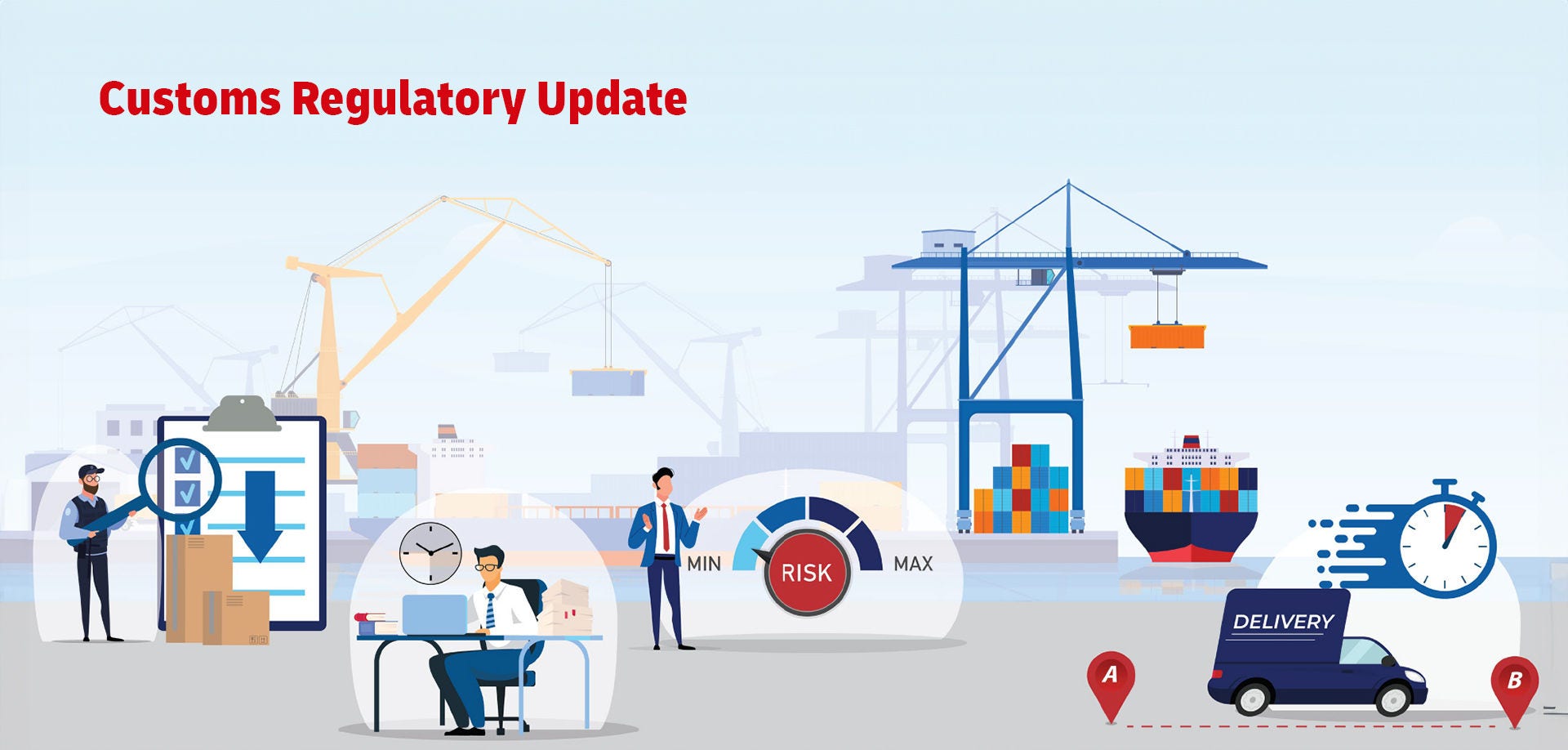
Misclassification is rarely treated as a simple clerical error by modern customs authorities. In 2026, it is viewed as a failure of corporate governance. If you are found to be using a code that incorrectly lowers your duty, you risk being flagged as a high-risk shipper. This can lead to a cycle of 100 percent manual inspections for all your future shipments.
The financial penalties are also substantial. In Thailand, the Thai Customs Department can issue penalties of up to four times the amount of unpaid duty, in addition to the risk of having your goods seized. This is on top of the back-duty you must pay for every incorrect shipment cleared over the last five years.
Our expert clearance teams act as a crucial second pair of eyes on your data. We often catch logical errors before a declaration is even submitted. For example, we might spot a shipment of herbal supplements that requires a license from the Department of Agriculture, preventing a costly detention at Suvarnabhumi Airport. This proactive filtering helps protect your reputation with the Thai Customs Department.
How do HS Codes impact your total landed cost?
Your total landed cost is the sum of the product price, shipping, insurance, and duties. Because the HS Code sets the duty rate, it's the most volatile variable in your pricing. An incorrect code can make your product uncompetitive in a new market.
Free Trade Agreements (FTAs) make this even more complex. To qualify for a preferential rate under agreements with partners like ASEAN or Australia, your product must meet specific Rules of Origin linked to its HS Code. A one-digit difference can disqualify your shipment, instantly increasing your duty from zero to the standard rate.
We recommend using the DHL Landed Cost Calculator. It uses your HS codes to provide a duty estimate. This allows you to offer transparent pricing at your e-commerce checkout, so your customers in Thailand won't be surprised by an unexpected tax bill upon delivery.
What are the most common HS Code mistakes in APAC?
The APAC region is a hub for composite goods and new tech, which can be difficult to classify. A gift basket containing both wine and chocolate must follow the "essential character" rule. You must decide which component gives the set its primary character or classify each item separately.
Other common friction points for shippers in Thailand during 2026 include:
- Smart Wearables: You must decide if a fitness tracker should be classified as a watch or as a data transmission device, each having different duty implications.
- Drones: Depending on their weight, features, and intended use, these can be classified as cameras, toys, or aircraft, each falling under a different chapter.
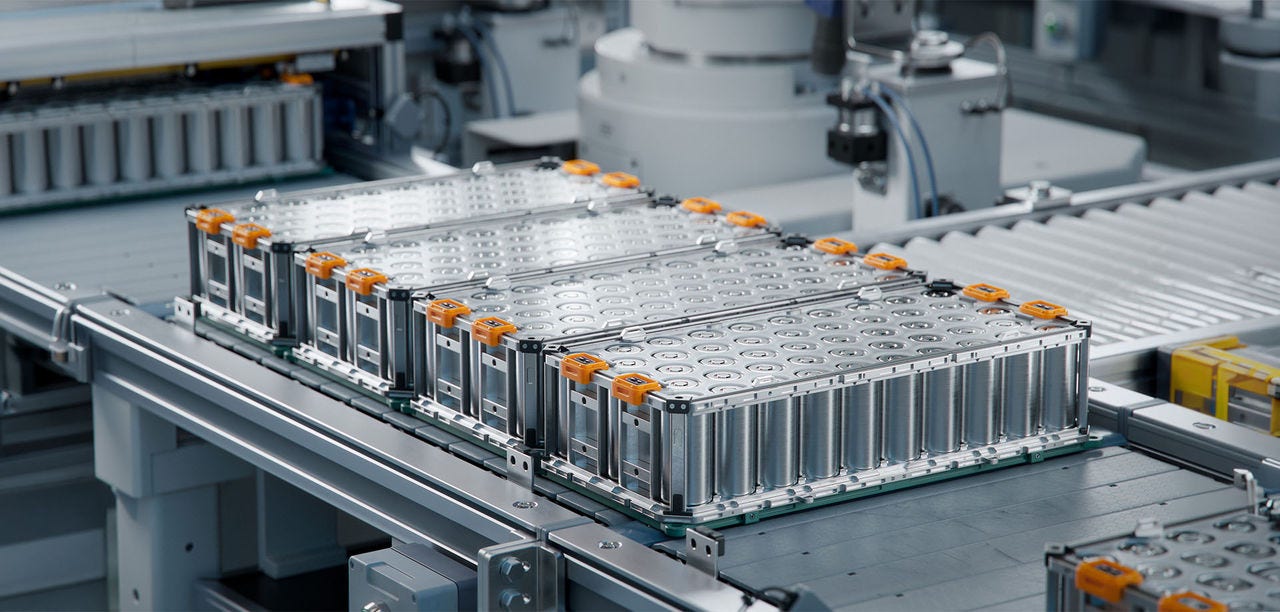
- Green Energy: Solar panels with integrated inverters have different codes than standalone panels, a key distinction for importers in Thailand's growing green-tech sector.
We provide specialised handling for these high-tech sectors. We help ensure your classification reflects the latest HS code standards. This helps you avoid having innovative products held up by outdated nomenclature and ensures smoother passage through customs at Suvarnabhumi.