#LogisticsAdvice

What Are Dual-Use Items (DUI)?

5 minutes
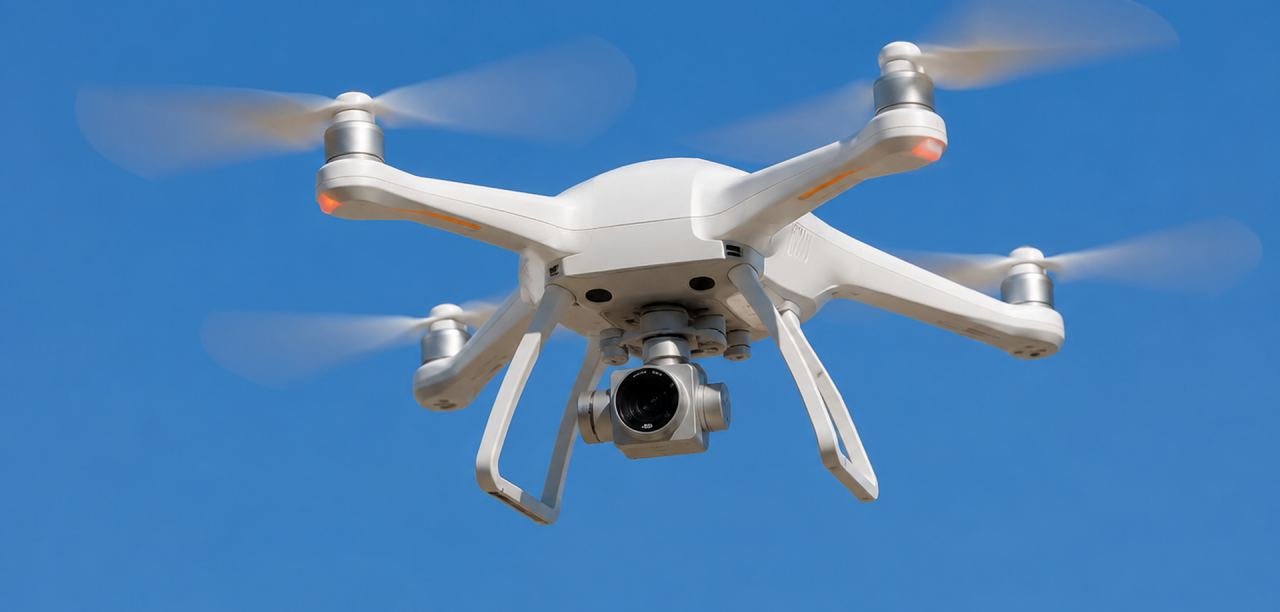
Drone as dual use items

International trade today is no longer just about moving goods across borders. Businesses must also navigate increasingly stringent international security and trade compliance regulations. One area attracting growing attention is Dual-Use Items (DUI), which are products that can be used for legitimate civilian purposes but may also have applications related to the development or support of Weapons of Mass Destruction (WMDs).

Under Thailand's new regulations, the export or re-export of certain Dual-Use Items will require license, effective 30 July 2026.

What Are Dual-Use Items (DUI)?

Dual-Use Items (DUI) are products, technologies, software, and equipment that are designed for use in industry, manufacturing, research, or commercial activities, but which may also be utilized in the development, production, storage, transportation, or deployment of weapons-related programs.

Examples of Dual-Use Items include:

  • Nuclear materials and equipment
  • Precision material-processing tools
  • Advanced electronic equipment
  • High-performance computers
  • Telecommunications and information security systems
  • Sensors and lasers
  • Navigation and avionics systems
  • Marine equipment and technology
  • Aerospace and propulsion technologies

What Are the Key Changes Under the 2026 Regulations?

According to the Ministry of Commerce's National List of Items Related to the Proliferation of Weapons of Mass Destruction 2026, controlled goods are divided into two categories:

1. Dual-Use Items (DUI)

These are the goods listed under Annex 1, covering a broad range of products and technologies, from nuclear materials and advanced electronics to telecommunications, computing, and aerospace technologies.

2. Suspect End-Use or End-User Items

These are goods that may not be specifically listed as controlled items but are considered high risk because there is reasonable suspicion that their end use or end user may be associated with the proliferation of Weapons of Mass Destruction.

How Will Thai Businesses Be Affected?

Effective 30 July 2026, Dual-Use Items (DUI) will become controlled goods that require an export or re-export license before shipment can leave the Kingdom of Thailand.

In the initial phase, licensing requirements will apply to Category 0: Nuclear Materials, Facilities, and Equipment, covering products with the following control code prefixes:

  • 0A: Systems, Equipment, and Components
  • 0B: Test, Inspection, and Production Equipment
  • 0C: Materials listed under Annex 1 of the Dual-Use Items attached to the Notification of the Ministry of Commerce regarding the National List of Items Related to the Proliferation of Weapons of Mass Destruction 2026

The Ministry of Commerce has also announced a phased expansion of licensing requirements:

Phase 2 (Within 2026)

Expansion of licensing controls to cover:

  • Category 7: Navigation and Avionics
  • Category 8: Marine
  • Category 9: Aerospace and Propulsion

Phase 3 (Within 2027)

Expansion of licensing controls to cover:

  • Categories 1 through 6, including special materials, electronics, computers, telecommunications, information security, sensors, and lasers.

As a result, exporters, importers, manufacturers, and logistics providers will need to pay closer attention to product classifications, licensing requirements, and regulatory compliance obligations.

In addition, regulatory controls may extend to:

  • Technology related to the development and production of controlled goods
  • Certain types of software
  • Technical data transfers
  • Access to controlled technologies

To manage these regulatory obligations effectively, businesses should consider implementing an Internal Compliance Program (ICP) to strengthen export control and trade compliance processes.

Why Are End User and End Use Screening Important?

Even when a product appears to be a standard commercial item, it may still become subject to export controls if it is destined for a restricted user, organization, or application.

Before exporting, businesses should carefully assess:

  • Who is the end user?
  • What is the intended end use of the product?
  • Are there any restrictions applicable to the destination country?
  • Is the product listed as a Dual-Use Item?
  • Is an export license or additional documentation required?

Proper End User and End Use screening is a fundamental element of international export control regulations and helps businesses mitigate compliance risks while maintaining secure global trade operations.

How DHL Express Helps Businesses Manage International Trade Compliance Risks

As export control and trade compliance regulations become increasingly complex, selecting an experienced international logistics partner is more important than ever.

With a network spanning more than 220 countries and territories worldwide, DHL Express provides expertise in international shipping, customs procedures, and cross-border trade requirements. DHL supports customers through:

  • Import and export documentation preparation
  • Customs compliance guidance
  • Monitoring regulatory and trade policy developments
  • International trade compliance risk management
  • Efficient customs clearance support

DHL can also assist customers with understanding shipping documentation requirements and customs procedures. However, the legal responsibility for product classification, determining whether a license is required, and applying for export permits remains with the exporter, manufacturer, or owner of the goods.


Frequently Asked Questions (FAQs)

Dual-Use Items (DUI) refer to goods, software, or technology that can be utilized for both civilian and military purposes. This includes items that can be developed, designed, produced, modified, stored, or used as delivery mechanisms for Weapons of Mass Destruction (WMD), or any actions contributing to the acquisition of such weapons.

Controlled items are classified into two main lists:

  • List 1: The Dual-Use Items (DUIs) control list, which covers Categories 0 through 9.
  • List 2: A list of items subject to "catch-all" controls, applicable when there is reason to suspect that the intended use or the end-user is involved in the proliferation of Weapons of Mass Destruction (WMD). This list encompasses 922 customs tariff lines.

The Dual-Use Items (DUIs) are categorized into the following 10 groups:

  • Category 0: Nuclear materials, facilities, and equipment
  • Category 1: Special materials and related equipment
  • Category 2: Materials processing
  • Category 3: Electronics
  • Category 4: Computers
  • Category 5: Telecommunications and information security
  • Category 6: Sensors and lasers
  • Category 7: Navigation and avionics
  • Category 8: Marine vehicles and equipment
  • Category 9: Aerospace and propulsion

It stipulates that Dual-Use Items (DUI) are regulated as goods requiring export and re-export licenses outside the Kingdom of Thailand.

The regulation will take effect from 30 July 2026 onwards

Items under Category 0 (Nuclear materials, facilities, and equipment) will be subject to licensing prior to any export or re-export. This applies to products with the following code prefixes:

  • 0A: Systems, Equipment, and Components
  • 0B: Test, Inspection, and Production Equipment
  • 0C: Materials listed under Annex 1 of the Dual-Use Items attached to the Notification of the Ministry of Commerce regarding the National List of Items Related to the Proliferation of Weapons of Mass Destruction 2026.

No, the measure covers both the export and re-export of Dual-Use Items (DUI).

Shippers and exporters can self-classify and check their items against the National List of Items Related to the Proliferation of Weapons of Mass Destruction 2026 via the e-Classification system provided by the Department of Foreign Trade (DFT).

The Ministry of Commerce has scheduled a phased expansion of these export and re-export control measures:

  • Phase 2 (within 2026): Expansion of scope to cover items under Categories 7, 8, and 9
  • Phase 3 (within 2027): Expansion of scope to cover items under Categories 1 through 6

No. Product classification, assessment of control status, and obtaining the necessary legal licenses are the direct responsibility of the exporter, manufacturer, or product owner.

However, DHL can provide guidance regarding documentary requirements and customs clearance procedures.

Any intention to export or re-export goods strictly requires a license in accordance with regulations prior to shipment.

Failure to do so may result in the shipment being suspended. Therefore, operators should verify the status of the goods and obtain the necessary permits before proceeding with the export.

It is recommended to verify the technical specifications directly with the manufacturer or seek official guidance from the relevant government licensing authority.

Yes. Customers should notify DHL at least 1-2 business days prior to the shipment date. This allows the DHL team to pre-verify the relevant documentation and mitigate potential transport delays.

Additional information is available through:

  • Notification of Ministry of Commerce Regulations on the Export and Re-export of Dual-Use Items (DUIs)
  • Notification of the Ministry of Commerce regarding the National List of Items Related to the Proliferation of Weapons of Mass Destruction 2026
  • Public Handbook and Government Contact Channels
  • Department of Foreign Trade (DFT): www.dft.go.th