How do local duty-free limits vary across Asia Pacific?
Every market in the region sets its own unique rules for what qualifies as a duty-free import. There is no single regional standard for these values, and the trend is towards stricter enforcement.
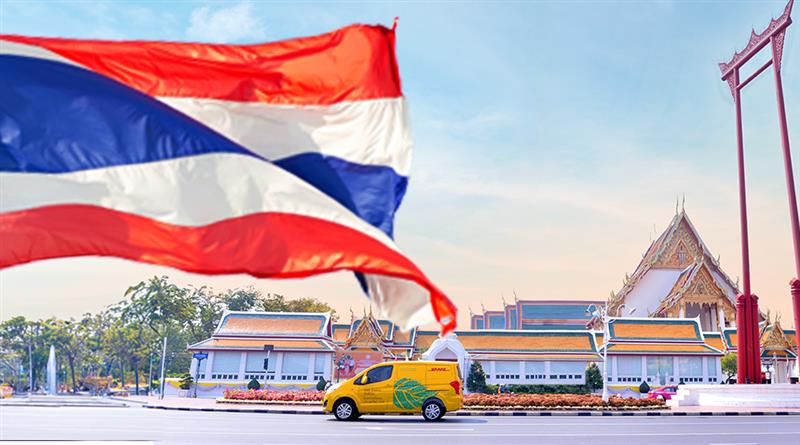
- Thailand's New Rules: From 2026, Thailand is effectively removing its de minimis threshold for duties. All shipments will be subject to import duty and a 7% VAT. This change is intended to create fairer competition for Thai businesses.
- Tax Registration: High-volume sellers into Thailand may need to register for VAT locally. Any business with a turnover exceeding THB 1.8 million per year from sales in Thailand is required to register.
- Strict Exclusions: Certain items like tobacco or alcohol never qualify for duty-free import limits regardless of their value. Other products may require special permits, so verifying requirements with the Department of Agriculture or Thai FDA is crucial.
- Partner Support: Managing these differences manually is nearly impossible for a growing business, especially with the congestion often seen before major holidays like Songkran.
Understanding these evolving APAC customs regulations helps you decide which markets are the most profitable for you. A partner that tracks these nuances allows you to set clear expectations for your buyers before they commit to a purchase.
How does this impact your total landed cost?
Your total landed cost is the complete price of getting a product to your customer’s door. Shipping rates are only the starting point.
- Additional Factors: With Thailand's de minimis changes, you must factor in import duty and 7% VAT on almost every shipment.
- Margin Erosion: A variance of THB 1,800 per shipment can quickly vanish your profit.
- Customer Friction: Unexpected fees at the door are the primary reason for refused deliveries and negative reviews.
- DDP Solutions: Using our Delivered Duty Paid (DDP) service lets you pay the taxes on behalf of the customer for a smoother, more professional experience.
We recommend using the DHL Landed Cost Calculator to get these numbers right. An accurate total landed cost calculation ensures your international pricing remains competitive. Plus, it prevents your profit margins from disappearing due to hidden fees.
What are the risks of undervaluing your shipments?
Intentionally lowering the declared value of your goods to avoid taxes is a serious compliance violation. The Thai Customs Department uses advanced data tracking and is increasing physical inspections to spot inconsistencies.
- Heavy Penalties: Thai Customs can seize goods and issue large fines for false declarations, which can be up to four times the amount of the duty evaded.
- Legal Responsibility: Under customs law, the merchant is held responsible for all data accuracy on the commercial invoice. Mistakes can lead to both civil and criminal liabilities.
- Blacklisting Risk: Frequent misdeclarations can lead to your business being flagged for increased inspections, causing significant delays for all your shipments.
Reputation Protection: Our compliance team reviews your commercial invoices to help you stay within the law, protecting your partnership with both your customers and Thai authorities.
Accuracy is your best protection against border delays. It ensures your goods keep moving through DHL customs clearance without being flagged, maintaining the trust and reliability your business is built on.