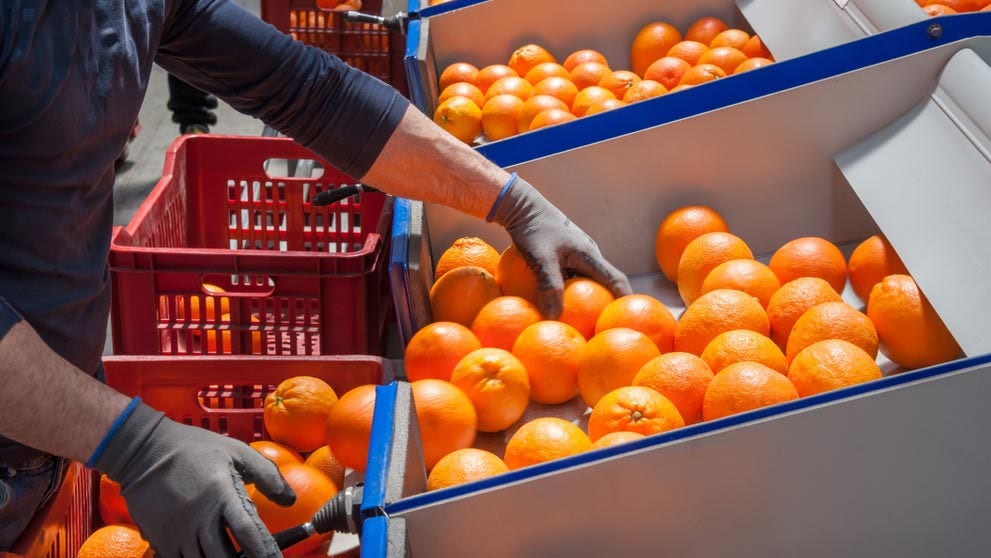
South Africa requested exemptions for key exports like vehicles, citrus, seafood, wine, nuts, and precious metals, but these were not granted.
Understanding your product’s tariff treatment starts with its Harmonised System (HS) code. These codes classify goods for customs and determine duty rates. SARS explains that classification also influences rules of origin, import controls, and customs rebates.
Getting your classification right isn’t just paperwork. It can mean the difference between smooth customs clearance and costly delays. If you’re unsure about your product’s classification, SARS offers a formal process for written tariff determinations. Before asking, “How much will this tariff cost us?”, make sure you know your product’s exact tariff line.
AGOA Gets a Lifeline: More Time to Plan
After months of uncertainty, South African exporters now have until the end of 2028 to benefit from AGOA’s preferential trade terms. This extension provides a crucial runway to build deeper ties with US buyers, invest in capacity, and explore expansion.
That said, the AGOA extension in South Africa doesn’t erase trade uncertainty. South Africa’s AGOA status remains politically sensitive, and the broader US-South Africa trade relationship continues to evolve.
Importantly, AGOA eligibility does not shield products from other US tariffs on South Africa. Use this time wisely to refine your US export strategy and prepare for inevitable changes.