#LogisticsAdvice

Shipping South African Produce: Your Guide to Freshness and Compliance

Zanele Malaza
Zanele Malaza
Marketing Specialist, South Africa
Shipping South African Produce
This article covers:
Why pre-cooling protects produce quality during export.
How export compliance keeps shipments moving.
Choosing the right freight for fresh produce.

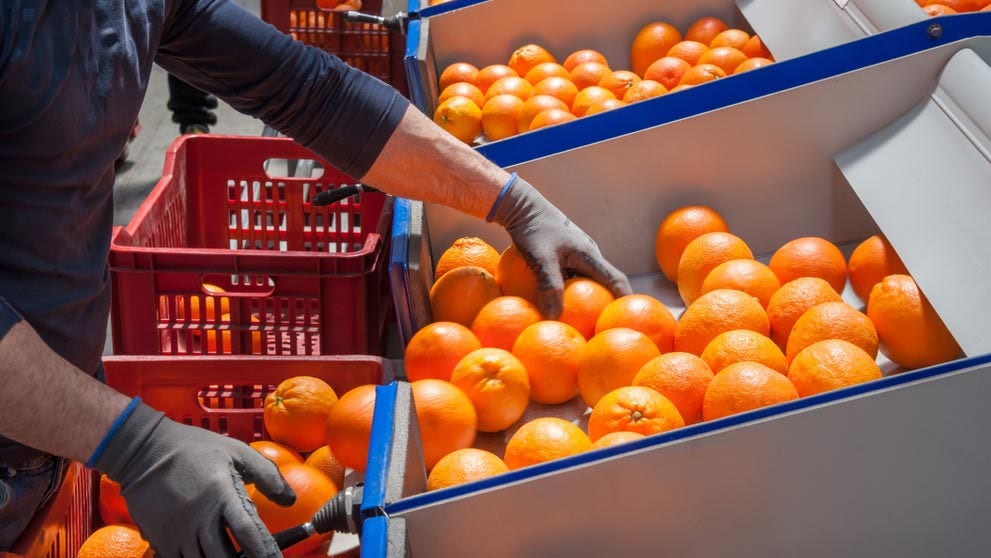
There’s a golden rule every South African exporter knows: you can’t make fruit better after it’s picked. You can only stop it from getting worse. If a crate of citrus leaves the Limpopo sun too warm, no amount of icy air on a ship to Rotterdam will revive it. 

The only way to guarantee your produce lands fresh and ready? It all comes down to what you do before that shipping container is locked and loaded. This guide is your inside track to keeping South African produce in peak condition, every step of the way.

Pull the field heat out first

Pre-cooling isn’t a nice-to-have. It’s the difference between fruit that arrives fresh and fruit that disappoints. Straight off the tree, your harvest carries field heat. The longer it lingers, the more shelf life you lose. The trick is to get that pulp temperature right before packing into a reefer container. Let your reefer do what it’s meant to: maintain that chill, not fight a losing battle cooling down a warm load. Remember, reefers are keepers, not chillers. Load them hot, and you risk uneven cooling, soggy cartons, and fruit that looks half asleep on arrival.

Packing matters, too. Cartons need the right ventilation and must be stacked to let cold air reach every corner. Cram things in too tightly, and the core stays warm, setting yourself up for trouble down the line.

/content/dam/south-africa/logistics-advice/export-and-import-advice-/Get Certified.jpg

Get Certified, Stay Compliant

No South African fresh shipment goes anywhere without the right paperwork. The Perishable Products Export Control Board (PPECB) is the gatekeeper, making sure your fruit meets cold chain standards set by the Perishable Products Export Control Act No 9 of 1983 and the Agricultural Product Standards Act No 119 of 1990. 

PPECB checks your produce at the pack house and at export points. No PPECB stamp, no export. Then there’s the Department of Agriculture, Land Reform and Rural Development (DALRRD), issuing the phytosanitary certificate to prove your fruit is clean;no pests, no diseases, just pure South African quality. It’s all digital now, thanks to the eCert platform, so you can track your application from start to finish.

Here’s what sets you up for success: PPECB is recognised under European Commission Regulation 543 of 2011. That means your inspections are trusted in the EU, which helps smooth things out at European ports. Still, the rules are exacting. Citrus bound for the EU must undergo documented cold sterilisation and constant temperature checks for the entire 20-25 day sea voyage. Buyers in the EU, US, and Asia often want proof of GlobalG.A.P. or HACCP compliance too.

And don’t let your guard down after packing. Every shipment travels with a temperature logger, offering proof that your cold chain held;vital for you and your buyers. For premium produce, it’s not just smart, it’s non-negotiable. Where cold treatment is required, your logged data is your ticket to certification at destination. No data, no go.

/content/dam/south-africa/logistics-advice/export-and-import-advice-/Sea Freight vs. Air Freight.jpg

Sea Freight vs. Air Freight: The Best Route for Your Fruit

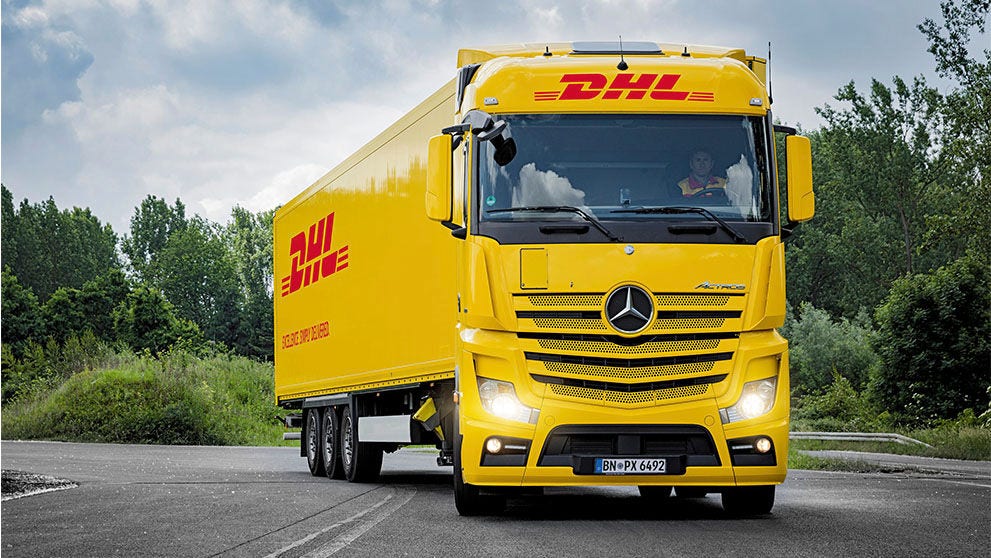
It comes down to volume. Big loads (think tons of citrus, grapes or avocados) travel by sea. Reefers from Cape Town or Durban, with DHL Global Forwarding steering the ship. Smaller, high-value, or urgent consignments?

That’s where air freight shines. Whether you’re sending a sample box to a new European customer or shipping a specialty fruit with a tight delivery window, DHL Express has you covered, serving over 220 countries and territories.

There’s a catch, though: perishables need approval before flying with DHL Express, and there’s no active temperature control in the standard network. Your packaging does the heavy lifting, keeping produce at the right temp for the whole journey. The smart move? Pack for at least 24 hours longer than the planned transit. Use gel packs for chilled goods (2°C to 8°C), or dry ice for frozen cargo (-20°C and below). Dry ice is a regulated dangerous good (UN1845), so proper labelling and handling is a must. DHL Express also offers Thermo Packaging and preconditioning services where available, helping your product stay cool from takeoff to touchdown.


If you're sending perishables to buyers abroad, a DHL business account gives you the tools to ship internationally with confidence: preferential rates, invoice billing, customs expertise and support, and full shipment tracking on every consignment. Open one to get started. 

FAQ

Temperature-sensitive shipments should be packed using insulated packaging designed for the product being transported, together with the appropriate cooling materials such as gel packs or dry ice where permitted. Packaging should also protect the product from movement and maintain the required temperature for the expected transit time. See Temperature-sensitive shipping advice.

Maintaining the cold chain helps preserve product quality, extends shelf life, and ensures compliance with import requirements in many overseas markets. Even short breaks in temperature control can affect freshness and marketability, which is why exporters use insulated packaging, temperature monitoring, and validated cold-chain processes throughout the journey. Learn more here.

DHL Express provides time-definite express shipping to over 220 countries and territories. Most international shipments arrive by the next possible business day, but delivery times vary depending on the origin, destination, and service selected. 

Yes, you can send an international shipment with DHL Express without an account. Get a quote and ship now to send a shipment as a guest.