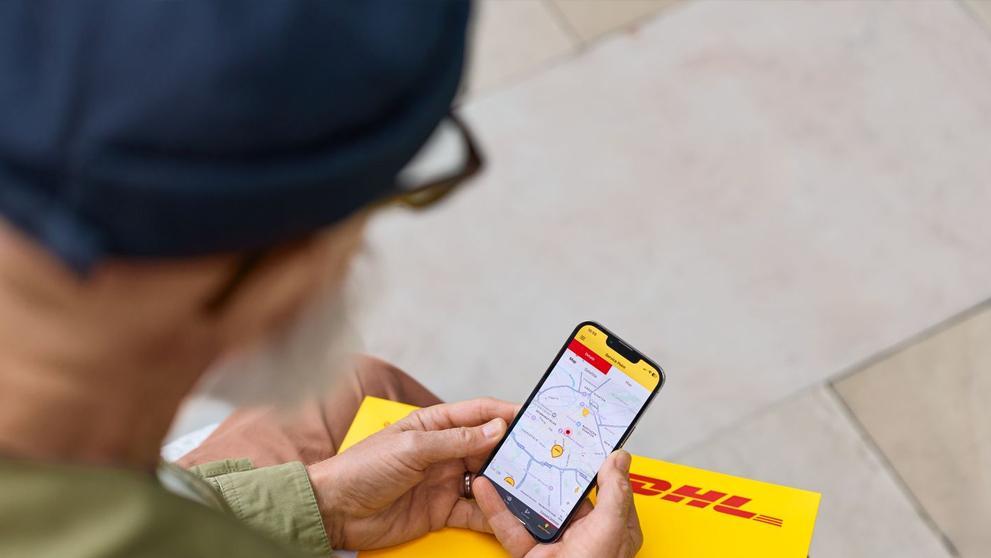
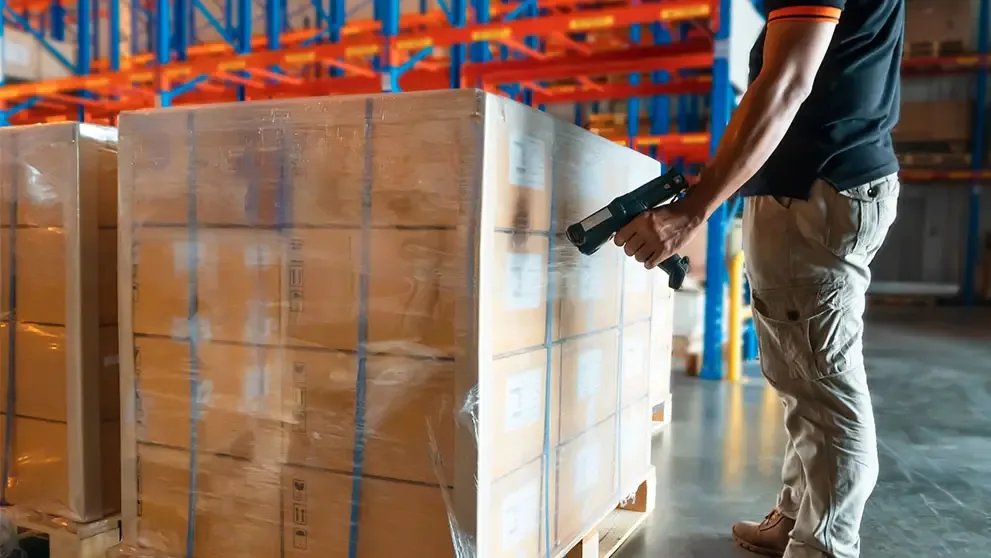
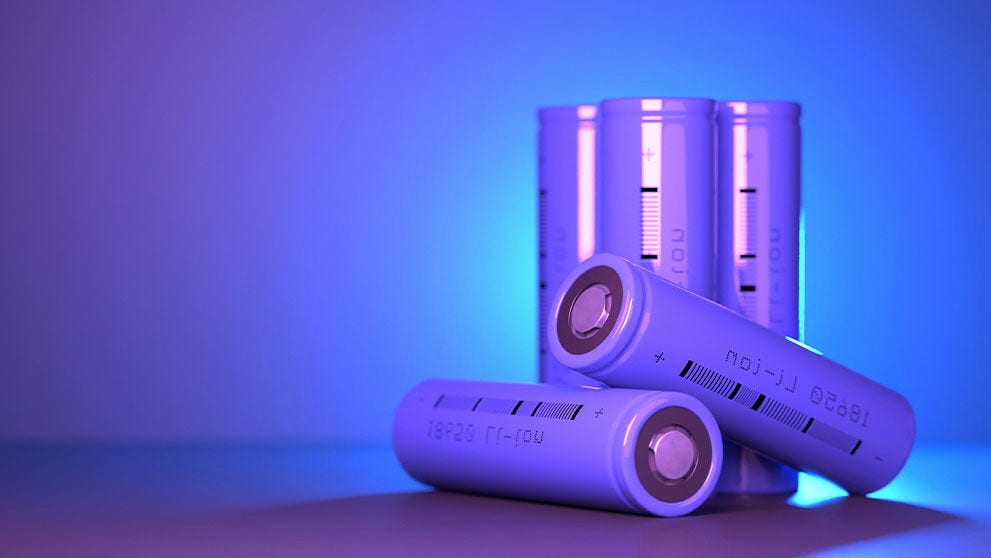
Double-check every document: air waybill, invoices, permits. One missing detail at OR Tambo or King Shaka can mean your cargo stays grounded. Declare dangerous goods, especially lithium batteries, upfront. Shipping meds or perishables? Book temperature control from the start. DHL’s Freight Forwarding Education Centre has all the details, from aircraft types to paperwork and special cargo tips.
Ocean Freight: When Bulk is Best
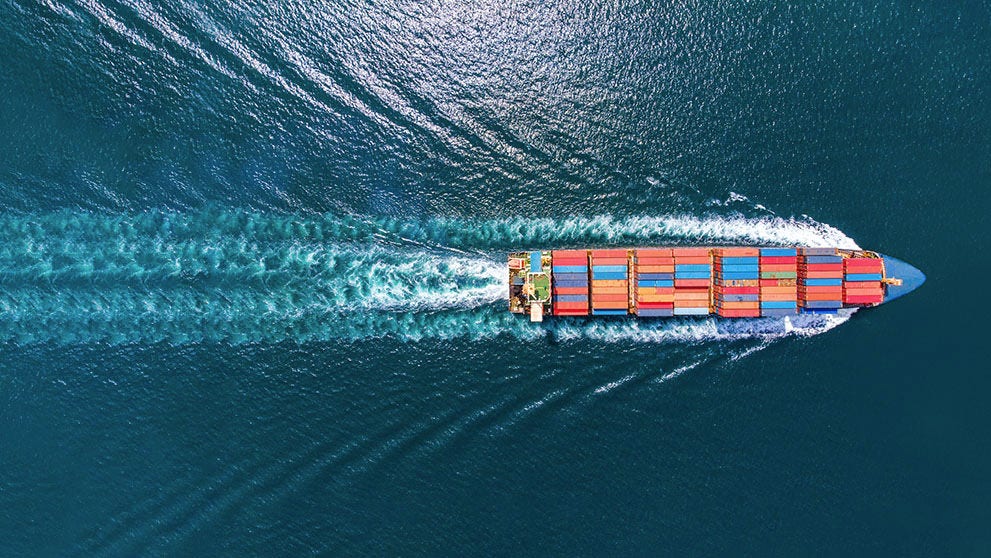
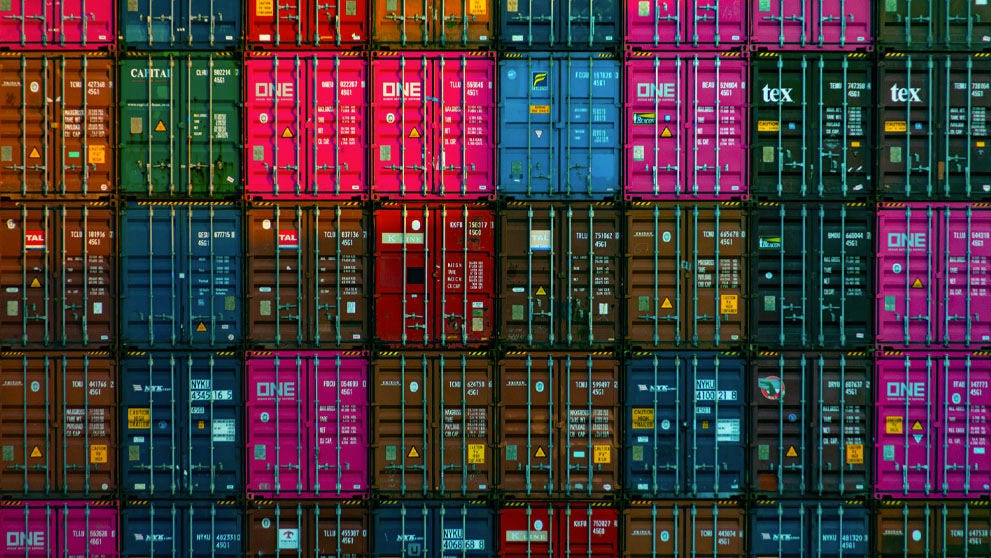
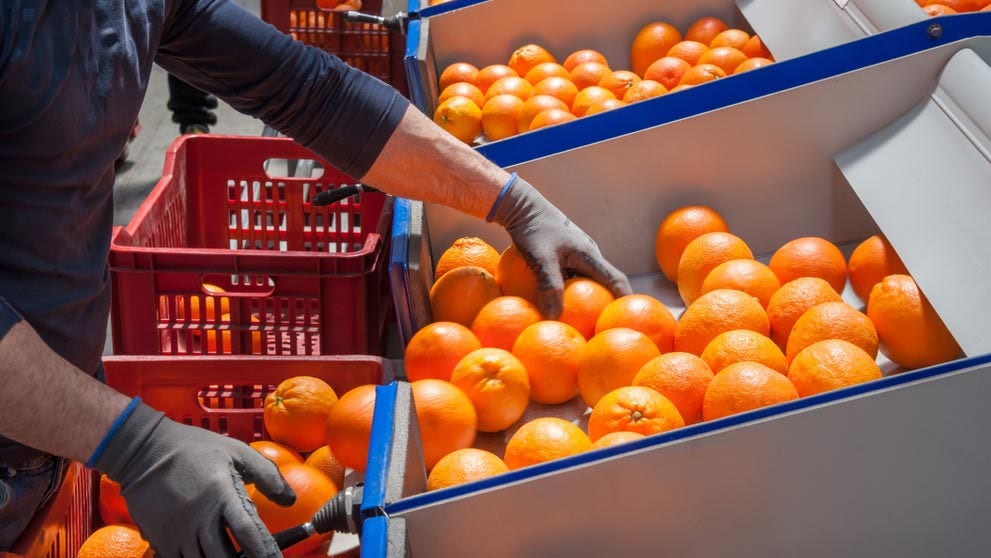
If your goods are heavy and value per kilo is low, sea freight is your go-to. Full container loads suit regular shippers. Think fruit, minerals, manufactured goods. Got less than a container? DHL Ocean Freight LCL lets you pay for just the space you use, with reliable schedules. And with consolidation services, you can bundle orders from different suppliers into a single FCL shipment. Looking to shrink your carbon footprint? GoGreen Plus lets you book FCL with sustainable marine fuel for your European customers.
Incoterms: Get Them Right, Avoid Surprises
Four Incoterms (FAS, FOB, CFR, CIF) are meant for sea shipments only, and only if you’re working port to port. A common pitfall for South African exporters is using these for containers or air cargo. The ICC says use FCA for containers, and FCA, CPT, CIP, DAP, DPU or DDP for air and mixed modes. FOB, in particular, can leave you carrying the risk from the container yard to the ship, easy to miss, costly if things go wrong. If you’re selling on CIF or CIP, your insurance needs to cover at least 110% of the contract value. DHL Customs Services can help you pick the right Incoterm for your cargo and route.