#eCommerceAdvice

Building momentum: The robust growth of Bangladesh's cement industry

3 Mins Read

Bangladesh’s cement sector continues to strengthen its position as a rising force in South Asia’s construction materials landscape. After a difficult FY24–25, when cement export revenue fell 22% year-on-year due to political and macroeconomic disruptions, the industry regained momentum. According to CemNet, export earnings rose 20% in the first half of FY25–26, reaching roughly US$7.95 million and signaling a strong rebound from the previous year’s challenges.1

This recovery reflects the resilience of domestic producers and their growing competitiveness in regional markets.

The composition of Bangladesh's cement industry

Bangladesh’s cement industry is anchored by the government’s continued investment in physical infrastructure. Public mega-projects such as the Dhaka Metro Rail expansion, the Padma Bridge Rail Link, and the Matarbari Deep Sea Port have created a stable domestic demand floor. Even during economic downturns, these multiyear projects generate consistent material requirements and support steady production cycles across major mills.

Market structure has shifted over the past decade. Reports suggest that in recent years, a core group of 7 to 10 companies has dominated production, with companies like Shah, Bashundhara, and Fresh leading in both output and technological integration. These large players have expanded capacity rapidly. As a result, overall industry utilization has settled around 55–65%. While this points to oversupply, it also reflects confidence in future domestic and export demand.

Technology is another defining factor. Most leading factories and producers are transitioning from conventional tube mills to Vertical Roller Mills. VRMs improve clinker grinding efficiency, lower power consumption, and deliver more consistent particle distribution. This reduces production costs per bag and helps Bangladeshi brands compete more effectively with regional suppliers. Combined with quality control improvements and better laboratory standards, the industry is now in a stronger position to meet the expectations of international buyers.

These shifts illustrate how Bangladesh’s cement sector is evolving into a strategically positioned regional exporter.

Growth factors in the cement industry

According to the Bangladesh Cement Manufacturers Association, the country now has an installed production capacity of nearly 100 million tons of cement, while annual domestic demand sits at only about 40 million tons.

Although often framed as a structural imbalance, this surplus gives the country a unique competitive advantage. Exporters can scale volumes quickly without new capital expenditure, allowing them to capitalize on infrastructure booms in countries like North-East India and East Africa.

Sustainability is reshaping global cement procurement, and Bangladesh is adapting accordingly. Blended cements incorporating slag, fly ash, or limestone fillers are becoming more common. Producers are also adopting CEM III/A varieties, which offer significant reductions in embodied carbon. By aligning with the Global Cement and Concrete Association’s low carbon roadmap, Bangladeshi manufacturers are preparing to meet future European Union carbon standards, even if they do not yet export in significant volumes to Europe.

This shift toward lower carbon intensity strengthens the industry’s long-term competitiveness, particularly as international buyers increasingly view sustainability as a mandatory specification rather than a value-added feature.

The structural crossroads: Complications facing Bangladesh cement

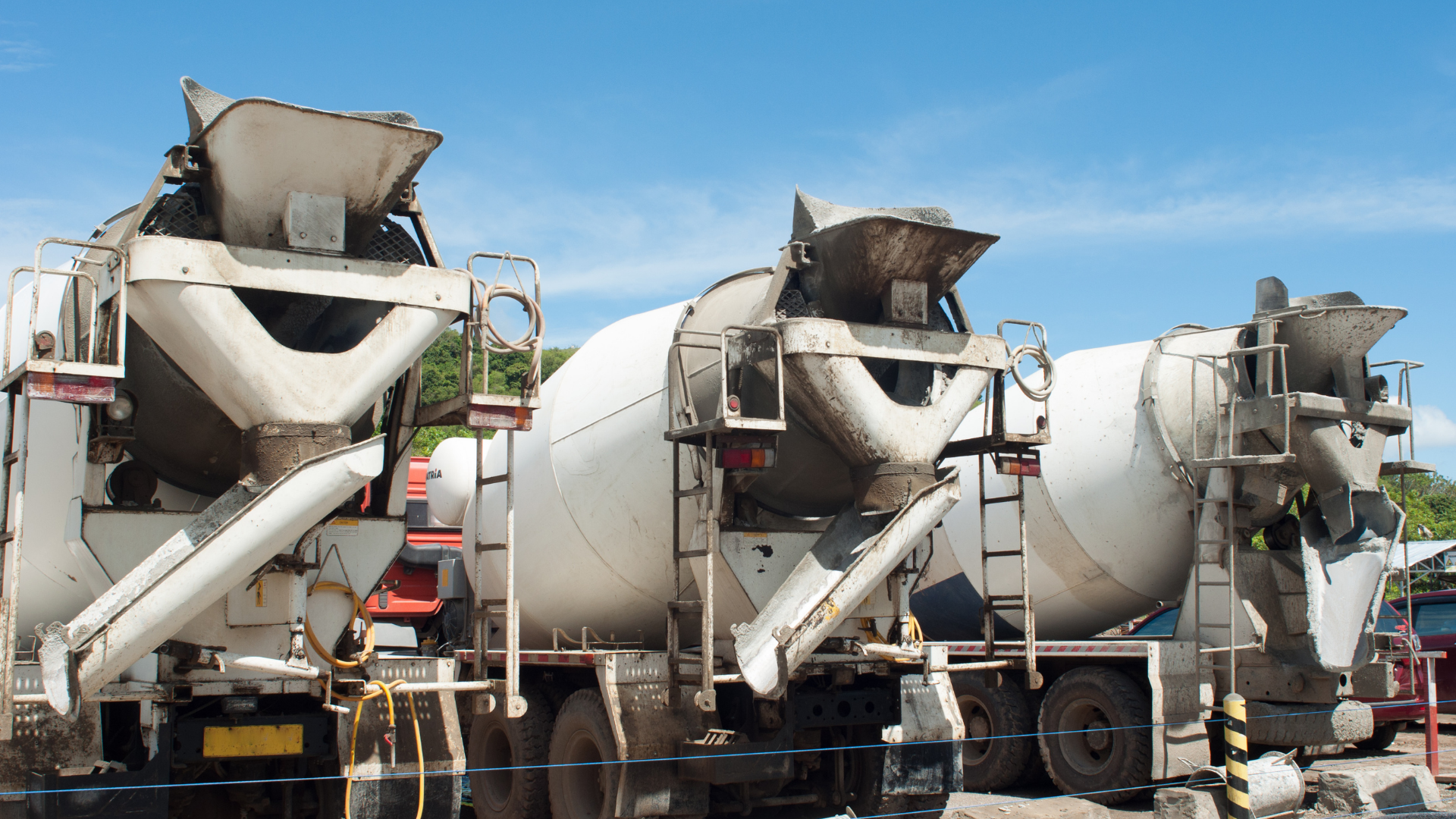
Cement trucks belonging to a cement manufacturer in Bangladesh

Bangladesh’s cement industry also faces structural and macroeconomic challenges that shape its export potential. The political transition in 2024 created a period of uncertainty and caution. Persistent inflation, rising operational overheads, and taka depreciation have added further pressure. Raw material import prices, especially clinker and gypsum, have become more expensive, narrowing margins for manufacturers that rely heavily on imports.

The financial system presents another significant hurdle. With Non-Performing Loans exceeding 35% of total outstanding credit by late 2025, banks now operate with reduced liquidity and heightened risk aversion. Small and mid-sized mills may struggle to obtain working capital or open Letters of Credit, limiting their ability to maintain uninterrupted production.

Logistical bottlenecks also continue to impact competitiveness. Although Bangladesh has made progress in digitizing procedures, port congestion and inconsistent environmental permitting processes still cause delays. These challenges affect exporters where delivery schedules and documentation accuracy are critical.

While the industry has demonstrated resilience, navigating these constraints requires strong operational planning and reliable logistics partnerships.

Navigating international markets: The logistics perspective

India remains the primary export destination for Bangladeshi cement. Its Seven Sister states are undergoing rapid transformation through road, bridge, and housing development. Bangladeshi cement is increasingly seen as a strategic material for these projects because of its consistent quality and favorable shipping distances.

Quality upgrades have boosted Bangladesh’s global credibility. Many local producers now meet ASTM standards in the United States and EN standards in the European Union. These certifications make Bangladeshi cement suitable for coastal, flood-prone, and high-moisture environments where structural durability is paramount. As infrastructure investment accelerates across South Asia and East Africa, certified cement from Bangladesh is well-positioned to capture demand in segments requiring high performance and strict compliance.

For exporters, success in international markets depends not only on product quality but also on the reliability of their logistics networks. Predictable transit times, accurate paperwork, and transparent customs processes are essential for securing repeat business.

Facilitating cement exports with DHL Express

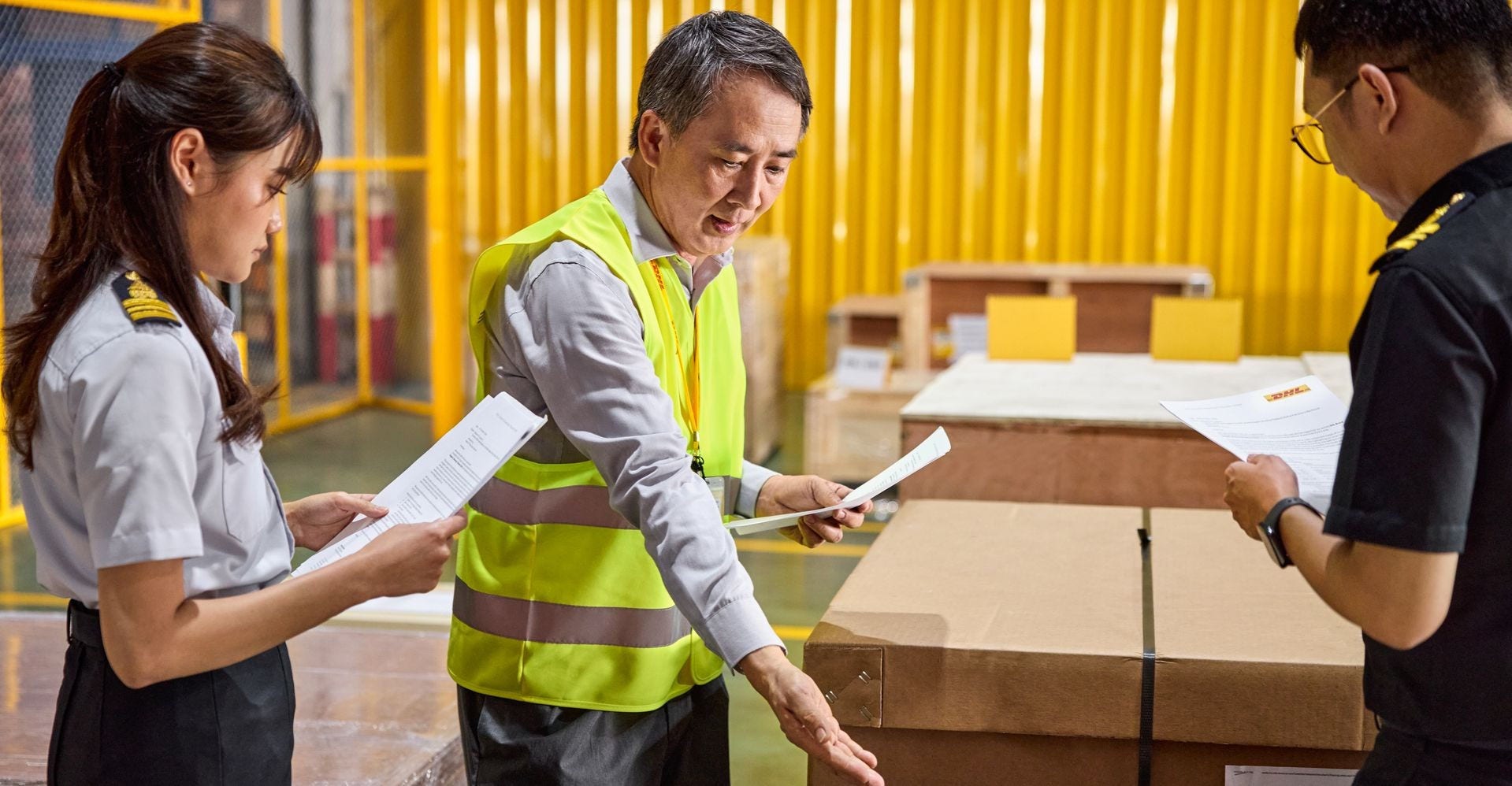
Exporting cement products involves a layered set of requirements: accurate documentation, clear commodity descriptions, packaging suited for international handling, and compliance with destination regulations. For small and mid-sized businesses especially, these tasks can be complex and resource-intensive.

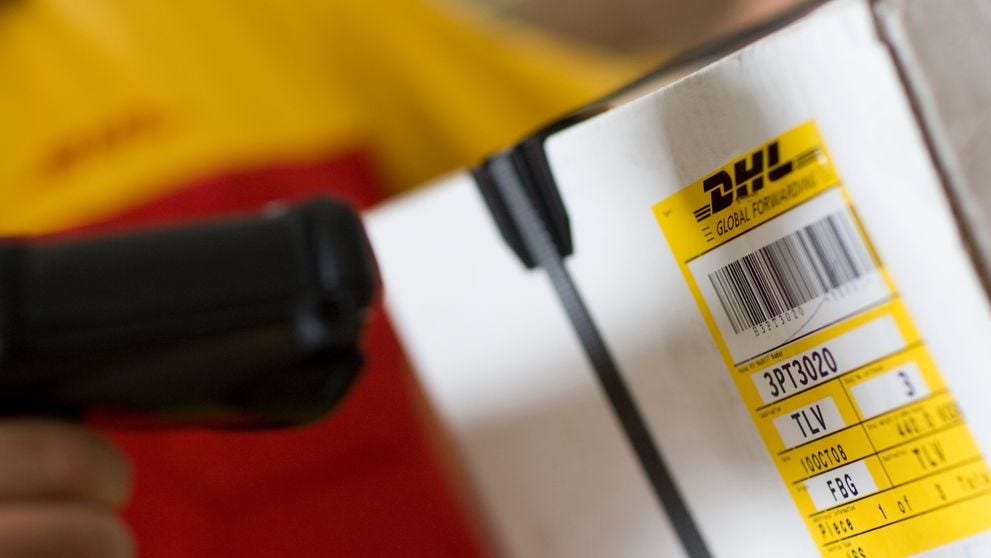
Partnering with DHL Express gives exporters access to tools and expertise that simplify the entire shipment process. Businesses benefit from a global air network, customs support, digital documentation, and shipment tracking that allows teams to monitor movement in real time. For companies shipping cement samples, testing materials, or lightweight supplementary products used in construction, these capabilities ensure consistency and reduce administrative strain.


DHL Express also supports exporters in navigating customs rules, product classifications, and country-specific restrictions. This helps prevent delays, reduces the risk of documentation errors, and allows exporters to focus on strengthening relationships with international buyers.

As Bangladesh’s cement industry continues expanding into regional and global markets, leveraging a logistics partner that understands the unique requirements of international trade becomes essential for sustained growth.

Open a business account with DHL Express today