- Bangladesh Investment Development Authority
- Import Globals. 17 Jul 2025.
- The Business Standard. 2 Oct 2025.
- The Daily Star. 24 Jan 2026.
- The Business Standard. 8 November 2025.

Bangladesh has established itself as a generic pharmaceutical powerhouse, supplying affordable, high-quality medicines globally. The industry now meets nearly all domestic demand while expanding its footprint across regulated and emerging markets, significantly contributing to national exports and economic growth.
Bangladesh’s pharmaceutical industry has evolved rapidly from serving domestic demand to becoming a globally recognized exporter. Its growth can be understood through the following key milestones:
The development of the Active Pharmaceutical Ingredient (API) Industrial Park in Munshiganj represents a major step toward backward integration.
Bangladesh imported nearly 85% of its APIs, primarily from China and India4, exposing manufacturers to supply disruptions and currency fluctuations. However, with dedicated infrastructure and shared utilities in Munshiganj, local API production is steadily reducing this dependency.
As a result, pharmaceutical companies can lower raw material costs, shorten lead times, and stabilize pricing. Consequently, improved cost efficiency enhances profit margins while strengthening export competitiveness in an increasingly post-LDC trade environment.
Bangladesh’s pharmaceutical boom has been powered by concise, targeted trade and industrial strategies that support both competitiveness and innovation. Government incentives, such as tax exemptions, reduced import duties, and streamlined export procedures, have lowered production costs and encouraged investment in R&D, thereby helping domestic firms adapt and expand.
Also, state support has shifted the industry beyond basic generics toward specialized medicines such as oncology drugs and biosimilars, with incentives including VAT exemptions and reduced raw material duties for cancer drug production, helping build local capacity and broaden product portfolios.5
At the same time, robust regulatory frameworks and quality controls ensure that locally made medicines comply with international standards, bolstering trust in key export markets. Organizations such as the Bangladesh Association of Pharmaceutical Industries (BAPI) help enforce global good manufacturing practices, enhancing credibility and positioning Bangladesh as a reliable supplier on the world stage.
A large, skilled, and relatively low-cost labor force has also made Bangladesh an attractive destination for pharmaceutical manufacturing. This, combined with its strategic geographic location and easy access to raw materials, has contributed to the sector's competitiveness globally.
While these policies and factors have indeed been instrumental in the industry's growth, it's crucial to recognize that they are part of a broader context. The government's broader recognition of the pharmaceutical sector's potential to drive economic growth, generate employment, and improve public health underpins the industry’s substantial growth. This holistic approach, combined with the industry's dedication to quality and innovation, has set the stage for Bangladesh's pharmaceutical industry to become a shining beacon of success on the world stage.
The future outlook of Bangladesh's pharma industry appears exceptionally promising, with a trajectory that could transform it into a global pharmaceutical hub.
With the TRIPS waiver set to expire after 2026, Bangladeshi pharmaceutical companies will need to gradually shift from reverse engineering patented medicines to innovation-driven growth. Consequently, firms must invest more heavily in research, product development, and strategic licensing partnerships with global innovators.
This shift, although demanding, presents an opportunity to strengthen intellectual property capabilities, enhance technological sophistication, and build long-term competitiveness in regulated markets.
As demand for affordable biologics rises worldwide, Bangladesh’s expanding manufacturing infrastructure and growing expertise in complex formulations position it advantageously. Therefore, the country is well-timed to scale up biosimilar production, enabling entry into specialized therapeutic segments such as oncology and immunology while increasing export revenues.
Bangladesh is emerging as a strong candidate for global contract manufacturing. As multinational pharmaceutical firms diversify supply chains under “China Plus One” strategies, Bangladesh offers cost advantages, regulatory compliance, and improved infrastructure.
In turn, this creates an opportunity for the country to replicate India’s trajectory and become a preferred destination for high-quality, large-scale pharmaceutical manufacturing partnerships.
As Bangladesh approaches LDC graduation in November 2026, its pharmaceutical industry must adapt to regulatory shifts, evolving intellectual property requirements, and heightened global competition. Nevertheless, with strong domestic self-sufficiency, expanding API integration, and increasing production of specialized medicines, the sector is well-positioned for sustained international growth.
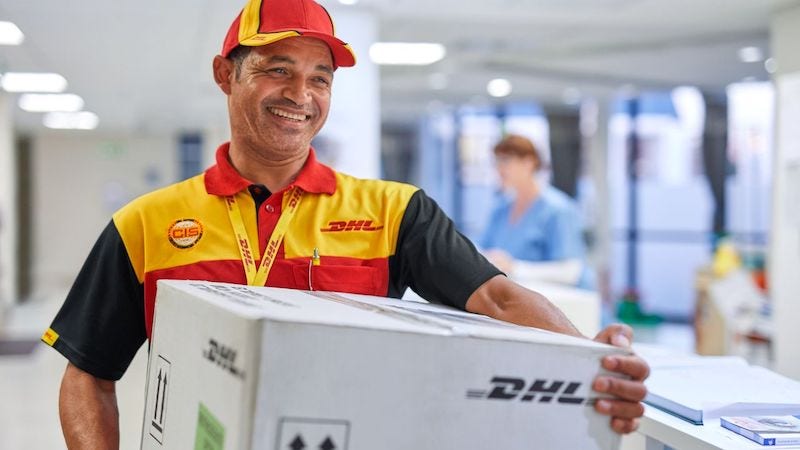
To support this expansion, efficient and reliable logistics are essential, particularly for time-sensitive and temperature-controlled shipments. DHL Express provides tailored international shipping solutions designed to meet the Bangladesh pharmaceutical industry’s strict delivery standards.
Open a DHL Express business account today and strengthen your global supply chain with confidence.


 Share
Share