#eCommerceAdvice

Market expansion strategy: How to expand beyond the US

9 Mins Read
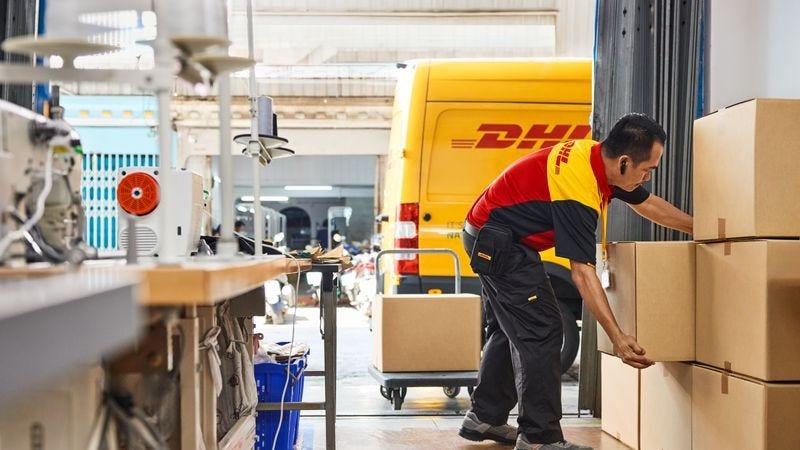
business owner planning for ecommerce expansion

The United States has long been a vital export destination for many Indonesian businesses. However, with US-imposed tariffs affecting exporters, including a 19% tariff rate on certain imports, it has become increasingly important for businesses to diversify exports and explore opportunities beyond the US market. While ongoing trade negotiations between the two countries show promise, relying solely on one market exposes exporters to risks tied to policy shifts, demand fluctuations, and economic slowdowns.1

This shows the importance of diversifying trade markets, allowing Indonesian e-commerce businesses to reduce their dependence on a single country, tap into new customer bases, and build a more resilient business strategy.

Why market diversification is important for Indonesian e-commerce businesses

Developing a market diversification strategy can help not only by creating a defensive move to beat US tariffs, but also by building a stronger, more adaptable business proactively.

1. Mitigate risks and increase stability

When your e-commerce business relies on just one or two major markets, disruptions such as changes in trade policies, fluctuating demand, or currency volatility can directly impact your bottom line. By expanding and diversifying your export markets, you can balance performance across regions and reduce your exposure to market-specific risks. That way, if one country experiences an economic slowdown or imposes new trade restrictions, sales from other regions can help sustain overall growth.

2. Achieve sustainable, long-term growth

Expanding into new foreign markets allows Indonesian e-commerce businesses to tap into diverse customer bases and emerging consumer trends, from sustainable products to digital-first retail habits. This could potentially boost sales and encourage innovation, as businesses tailor their offerings to different customer preferences and cultural expectations.

3. Strengthen business resilience and global presence

A well-executed export diversification strategy strengthens your company’s ability to adapt to change. Businesses that serve multiple international markets are better positioned to pivot when faced with global disruptions, such as geopolitical tensions, supply chain shifts, or new trade regulations. 

Moreover, expanding your international footprint enhances brand visibility and credibility, signaling to global partners and investors that your business is forward-looking and globally competitive.

4. Unlock competitive advantage

As you explore diverse international markets, you gain valuable insights into different consumer behaviors, industry trends, and competitive landscapes. This helps you identify untapped niches, refine your pricing and positioning, and develop unique products that cater to local preferences.

Market diversification also opens doors to collaborations with regional distributors, strategic partnerships, or local e-commerce platforms, which can strengthen your brand presence and improve market penetration. By learning from international competitors and adopting best practices from different regions, you can potentially innovate faster and build a more agile, globally aware organization.

dhl express helping with market diversification

How to find opportunities in Indonesia’s key export markets

To expand your business into new geographic markets, it can be useful to know which countries already have strong trade ties with Indonesia. That way, you can seize market opportunities through free trade agreements and existing market share:

1. China

China has remained Indonesia’s largest export market for the past decade, serving as a key destination for a wide range of goods, from raw materials and processed metals to manufactured products. Major exports include mineral fuels, nickel, copper, and animal and vegetable oils. Beyond commodities, China also imports Indonesian footwear, textiles, and electronic equipment, signaling rising demand for value-added products and consumer goods.

Given that China is Indonesia’s second-largest source of foreign investment, there is growing potential for deeper trade integration and business collaboration. With a vast consumer market, evolving preferences, and a thriving digital economy, Indonesian businesses can seize this opportunity by aligning with Chinese consumer trends and leveraging cross-border e-commerce platforms. This, in turn, could help them expand their reach, strengthen their presence, and tap into one of the world’s most dynamic markets.2

Check out our guide on how to export to China.

2. Japan

Like China, Japan remains one of Indonesia’s most significant trading partners, with the majority of exports comprising raw materials such as vegetable products, petroleum gas, and coal briquettes, according to data from the Observatory of Economic Complexity (OEC). 3 These commodities highlight the long-standing industrial relationship between the two nations.

However, opportunities for Indonesian exporters extend well beyond raw materials. Since the Indonesia–Japan Economic Partnership Agreement (IJEPA) was enacted in 2008, both countries have been working to strengthen collaboration across trade, investment, manufacturing, and agriculture.4 This ongoing cooperation opens new avenues for Indonesian businesses to explore value-added exports, consumer goods, and specialty products for Japan’s quality-driven market.

With Japan’s strong demand for premium, sustainable, and culturally appealing products, Indonesian businesses have the chance to diversify exports and build a lasting presence in a mature, high-value market. For more information about trading with Japan, check our guide on Japan’s trade policies.

3. Singapore

As Indonesia’s close neighbor, Singapore offers significant opportunities for businesses looking to expand regionally. Indonesian exports to Singapore include electronic equipment, pearls and precious stones, as well as optical, photographic, technical, and medical apparatus, alongside traditional raw materials.5

Trade with Singapore is particularly attractive due to both countries’ membership in the Association of Southeast Asian Nations (ASEAN). Under the ASEAN Free Trade Area (AFTA) agreement, around 98.6% of products are essentially tariff-free, making cross-border trade more seamless and cost-effective.6

For Indonesian businesses, Singapore not only serves as a nearby market with high purchasing power but also acts as a strategic gateway to the broader ASEAN region, facilitating access to other markets with minimal trade barriers and efficient logistics.

4. Malaysia

Malaysia, another close Southeast Asian neighbor, presents promising opportunities for Indonesian exporters. While Indonesia continues to export raw materials to Malaysia, there is also strong demand for commodities and value-added products such as cocoa and cocoa preparations, flour starch, milk preparations, and paper products. These categories reflect both industrial demand and consumer consumption trends in Malaysia.7

Trade with Malaysia benefits from the ASEAN Free Trade Area (AFTA), allowing Indonesia to export many products tariff-free, thereby significantly reducing costs and improving competitiveness. Beyond tariff advantages, Malaysia’s shared cultural, linguistic, and business similarities make it a relatively easy market for Indonesian SMEs to navigate.

Moreover, Malaysia’s growing e-commerce sector and increasing appetite for Southeast Asian consumer goods offer Indonesian businesses an avenue to diversify exports and build a stronger regional presence. Leveraging cross-border logistics and digital trade platforms, exporters can expand product offerings, reach new customers, and strengthen long-term business resilience in the region.

5. India

Indonesia is India’s third-largest trading partner in the ASEAN region, reflecting strong commercial and cultural ties that have developed over decades. As of 2025, Indonesia exported around 1,800 different commodities to India, with key products including mineral fuels, animal and vegetable fats and oils, and other raw materials.8 In addition to these, Indonesia also exports cocoa and cocoa preparations, as well as paper products, highlighting opportunities beyond traditional commodities.9

Trade between Indonesia and India is further strengthened by the ASEAN–India Free Trade Agreement (AIFTA), under which both parties have committed to reducing or eliminating duties on approximately 76.4% of goods.10 This preferential trade arrangement significantly lowers costs, making Indian markets more accessible for Indonesian exporters and opening the door to export diversification.

India’s large and growing consumer base, combined with rising industrial demand for raw materials and processed goods, provides Indonesian businesses with a strategic opportunity to expand into South Asia, reach new customer segments, and strengthen their international market expansion strategy. Leveraging this agreement and investing in targeted marketing, logistics, and localized offerings can help Indonesian businesses maximize their potential in India’s dynamic market.

Strategies for successful international market expansion for e-commerce businesses

The following strategies are essential for Indonesian e-commerce businesses looking to expand internationally:

  • Conduct thorough market research: Before entering a new market, it’s essential to understand consumer behavior, cultural nuances, pricing trends, and local competitors. With extensive market research, businesses can identify gaps, tailor product offerings, and optimize pricing strategies to meet local demand. This can be done by using tools such as trade databases, government export resources, and local surveys, which can provide actionable insights to help you make more informed decisions before entering a new market.

  • Localize your business approach: Localization goes beyond simple translation. Rather, it encompasses adapting marketing materials, product descriptions, packaging, and even branding to resonate with local consumers. Therefore, pay attention to cultural preferences and local norms to build trust, strengthen brand credibility, and increase conversion rates. 
  • Offer secure and flexible payment options: Different countries have unique payment preferences, from credit cards and digital wallets to bank transfers. Adapting to local payment methods enhances customer trust and reduces cart abandonment. You can also collaborate with payment gateways that support multi-currency transactions to ensure smooth international operations.


  • Strengthen your logistics and delivery network: Partner with a reliable logistics provider with extensive international shipping experience, like DHL Express, to ensure products reach customers quickly and securely. Since cross-border shipping involves complex customs documentation, duties, and clearance procedures, partnering with a provider can save time, reduce risks, and ensure a smooth delivery experience, helping businesses build credibility in new markets.

The right partner for your international ambitions

E-commerce expansion requires reliable partners who can help bring your vision to life. From market research to logistics, every stage of global growth depends on coordination, efficiency, and trust. That’s where DHL Express comes in. With decades of experience in international delivery and cross-border logistics, we help Indonesian e-commerce businesses simplify their global operations.

When you ship with DHL Express, you gain access to:

  • A global logistics network spanning over 220 countries and territories.
  • Customs clearance expertise to minimize delays and ensure compliance.
  • End-to-end shipment tracking for visibility and peace of mind.
  • Express delivery services designed to meet international e-commerce demands.

Whether you’re delivering to Singapore, Japan, or China, DHL Express ensures that your customers receive their orders on time and in excellent condition. If you’re ready to expand your horizons and future-proof your business through export diversification, now is the time to take the first step. Open a business account today and start shipping confidently to your next international market.