#LogisticsAdvice

Port Congestion in Japan: Protecting Your Inventory with Air Express Alternatives

Key Takeaways

•  Supply Chain Stalls: Seaport bottlenecks can delay your inventory, disrupting active retail sales channels in Japan and beyond.

•  Strategic Redirection: Shifting urgent shipments to air express helps restore speed to your production timelines and meet customer deadlines.

•  Pre-Clearance Advantages: Digital customs protocols can help you bypass the unpredictable processing bottlenecks that occur at borders during periods of high congestion.

•  Mitigating Risk: Reducing your reliance on a single port helps protect your business from seasonal weather events like typhoons and infrastructure stalls.

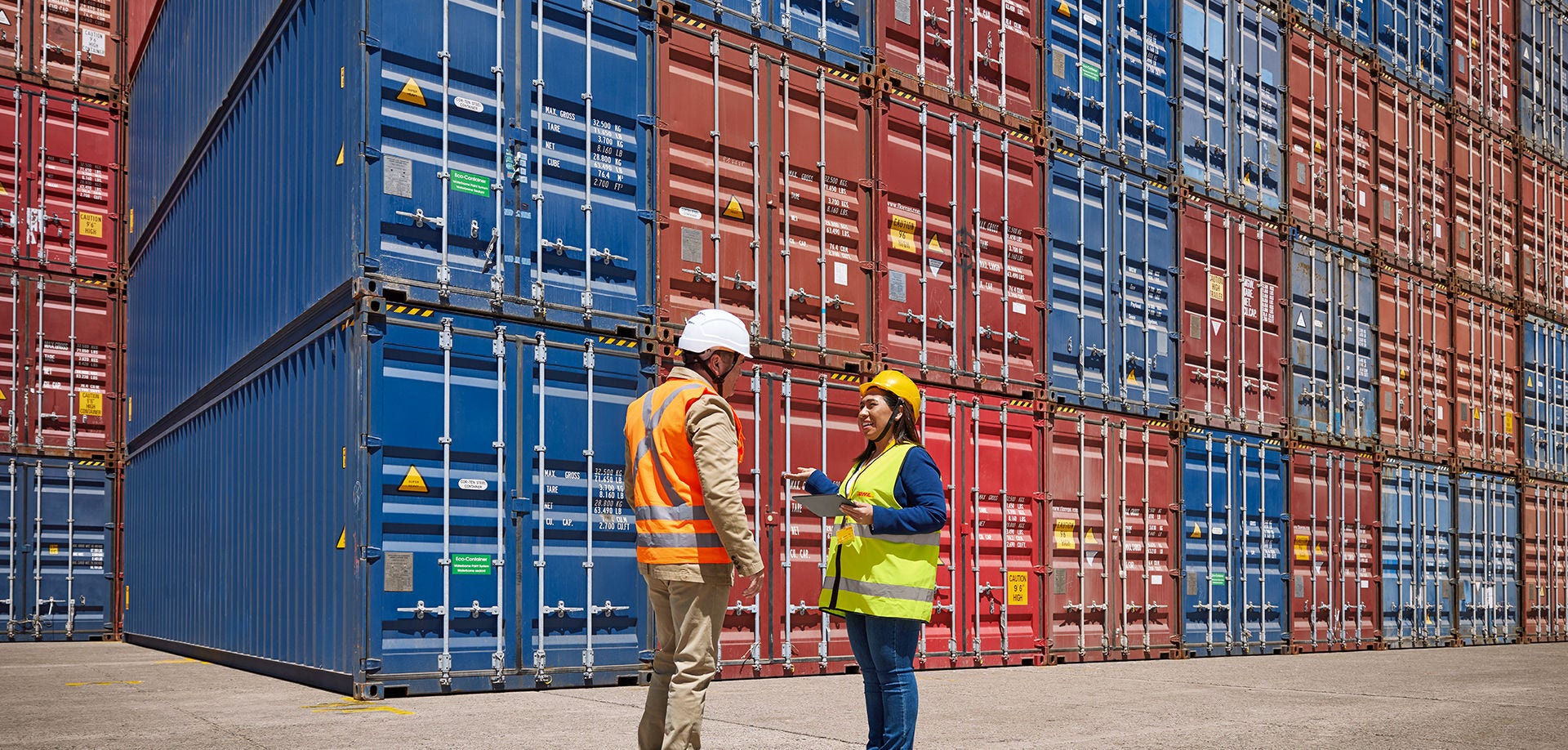
Most people only became concerned with port congestion when the global pandemic turned it into front-page news. Supply chain managers in Japan, however, have tracked this risk for much longer, and the situation since then has not followed a simple path back to normal. Here is our guidance on how to know when it is time to switch to express air, and how to keep your supply chain moving when sea lanes become constricted.
 

Why do maritime choke points threaten inventory viability?

Prolonged delays at a congested port can trigger stockouts, cause you to miss contract deadlines, and raise the risk of product obsolescence before your goods ever reach the market. Relying solely on traditional bulk freight leaves your operations vulnerable to these sudden logjams.

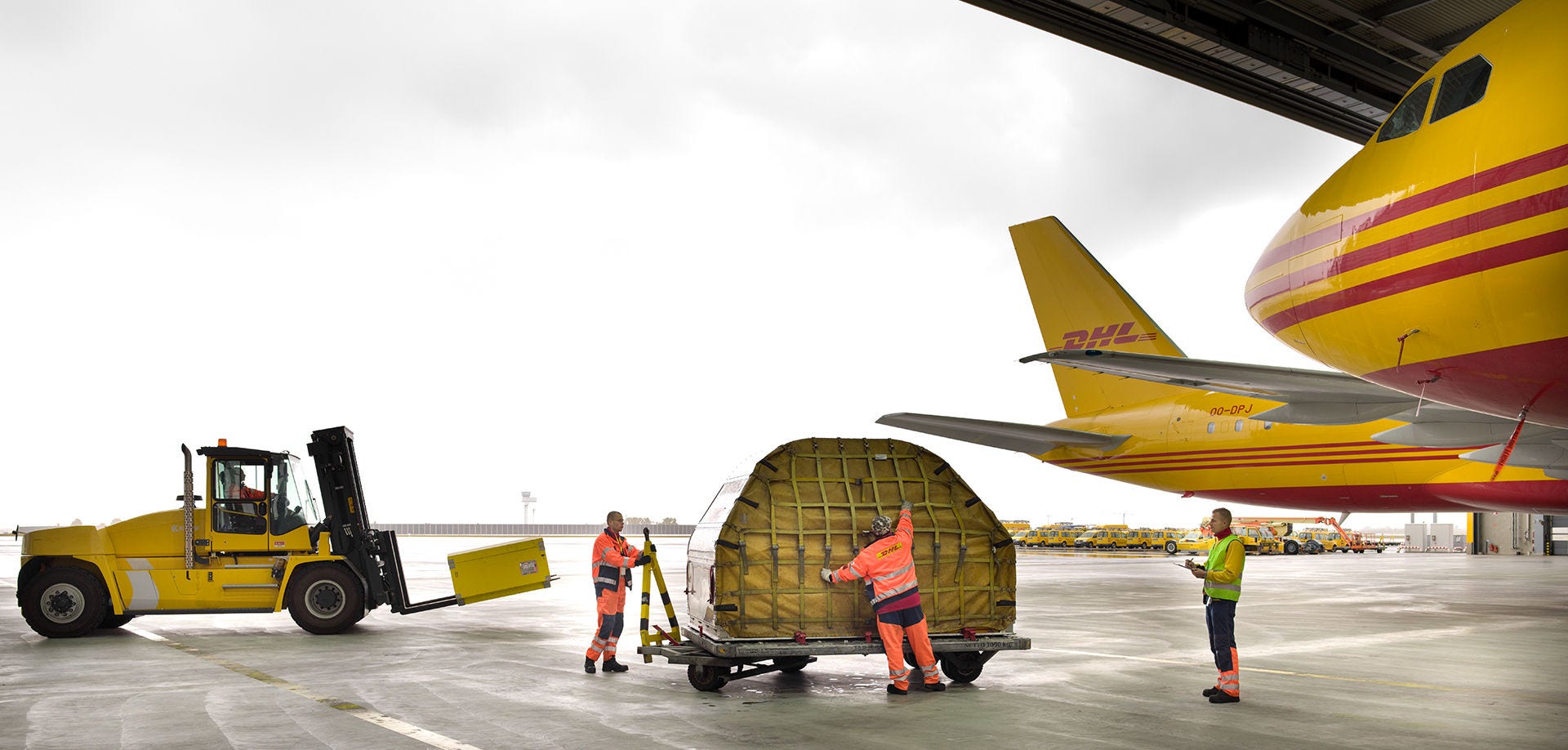
Opting for an alternative like air cargo helps you to bypass slow maritime routes and keep materials flowing when port wait times spike and ocean lanes become clogged.

What the data actually shows

Global port congestion has genuinely improved since the pandemic years, but that overall story hides significant regional variation. According to Kpler's 2025 port congestion analysis, berth waiting times can still stretch to several days during peak periods at major hubs. European gateways including Antwerp and Rotterdam saw vessel delays of 6 to 10 days during mid-2025 peak conditions alone.

Preparing alternative transport channels ahead of time is what protects your operations from these compounding costs, wherever the next bottleneck appears.


How can marine bottlenecks impact retail pipelines?

Marine bottlenecks ripple through every part of the retail pipeline behind a delayed shipment, showing up as stranded capital, contract penalties, and spoiled goods.

•  Stranded Capital: Retaining inventory in static containers delays your cash flow cycle.

•  Contract Penalties: Arriving past agreed dates can trigger financial charges from your retail partners.

•  Spoilage Risk: Prolonged port waits expose temperature-sensitive goods to cargo degradation.


How do demurrage and detention fees drain your capital?

Extended delays at the dock stall your inventory and can trigger mounting daily storage charges from port operators. These fees accumulate quickly and erode your product margins, so managing them requires clear planning and a defined strategy for redirection.

Local regulations set specific detention windows, which are enforced by authorities like Japan Customs. Exceeding these periods can lead to additional costs, meaning customs processing delays can directly impact your bottom line.


What else is driving port congestion beyond the obvious?

Weather often gets most of the attention, but it's rarely the only factor behind a congested port. Labour disputes, equipment shortages, and capacity constraints at major hubs can back up shipping schedules just as badly, and geopolitical chokepoints add another layer of unpredictability.

Regional weather hazards still amplify these existing pressures. Severe storms can force ports to halt loading operations entirely, and even a short closure at an already-stretched hub can take weeks to clear.

Where this hits hardest, market by market

In Japan, the annual typhoon season frequently puts existing infrastructure under pressure. High winds and storm surges can temporarily halt port crane operations and delay container processing, creating backlogs that affect the entire supply chain. Capacity also tightens significantly during the holiday periods such as New Year, Golden Week, and Obon, when factory shutdowns and reduced labour availability can compound any existing slowdowns at the ports.


When does express air shipping make financial sense?

Redirecting to air freight makes sound financial sense when the cost of production downtime or contract penalties exceeds the premium price of air transport. Paying a higher shipping rate is often cheaper than letting a factory floor stand idle, and meeting a seasonal retail launch date can be more important for your market share than the incremental logistics cost.

How MyDHL+ helps you run the numbers

The clear calculations available inside MyDHL+ give shipping managers transparent pricing to run a rapid cost-benefit assessment. Comparing real-time rates this way supports quick decisions the moment your ocean cargo is delayed.

Three scenarios where the maths favours air

These are the situations where the premium for air express usually pays for itself:

Financial Scenario

Operational Impact

Strategic Benefit

Emergency Parts

Sourcing broken machinery components

Reduces expensive factory stoppages

High-Value Launches

Moving premium electronics via air

Helps avoid missing seasonal sales windows

SLA Penalties

Shipping urgent goods via air

Helps you avoid heavy non-compliance fines

A daily demurrage penalty of several tens of thousands of yen can erase your product margin quickly once you run the numbers.


Bypass maritime bottlenecks before they start

Congestion can be triggered by a number of global events, and forecasting which port will be affected next is only getting harder. Relying on congested seaports exposes your business to expensive delays and stockouts that you can plan around instead of absorbing. We support that shift with tools like MyDHL+ for real-time rate comparison and high-priority air express options for the shipments that cannot afford to wait.

Open a DHL Express account today to build your air express contingency plan before the next port bottleneck hits.


Frequently Asked Questions

Port bottlenecks delay raw materials and finished products, which can lead to empty shelves and missed sales. These disruptions also trigger expensive storage fees and contract penalties from waiting buyers, which is why having alternative options like express shipping is important for protecting your cash flow.

Severe storms like typhoons and other seasonal weather can shut down port crane operations and loading docks for days. These brief closures can snowball into backlogs that slow shipping lanes for weeks. Shifting to air cargo paths helps you maintain predictable delivery times despite this seasonal disruption.

Air express is a logical choice when the cost of letting your production lines stand idle is higher than the price of air transit. It's especially useful for high-value items, seasonal launches, and urgent replacement parts. MyDHL+ lets you compare rates to run that trade-off analysis quickly.

When ports are congested, customs offices face an overwhelming volume of documents, which slows down standard clearance processing significantly. Our DHL Express team and digital tools help you organise import paperwork and file declarations before arrival, which cuts the risk of an expensive hold at the border.

DHL Express provides high-priority air express routing that helps you bypass clogged maritime lanes, with time-definite options like DHL Express 9:00 and DHL Express 12:00 built around a set delivery window. You can manage and track these shipments in real time using MyDHL+.