Think of Kenya’s Export Processing Zones (EPZs) as fast lanes for businesses that want to produce goods for the world. These zones are special areas, set up outside the country’s customs territory, where imported raw materials and equipment come in free of import duty and VAT. Products are made, processed, or packed here, then shipped out as exports.
That’s the real advantage for any business sourcing inputs abroad and selling finished goods outside Kenya. Not just the tax breaks, but the ability to move goods in and out smoothly. Kenya’s EPZs are managed by the Export Processing Zones Authority (EPZA), a government agency formed in 1990. As of 2024, there were 105 gazetted zones and 180 active enterprises, mostly located in Mombasa, Kilifi, Machakos, and Nairobi. In 2025, these zones brought in export earnings of about KSh135.7 billion.
What Changes with Customs Treatment
Because EPZs are treated as being outside Kenya’s customs territory, businesses can bring in raw materials, machinery, office supplies, and construction materials without paying customs duty or VAT. Every zone has its own customs office, which means you get your paperwork and inspections done right on site. No need to queue at some far-off clearance point.
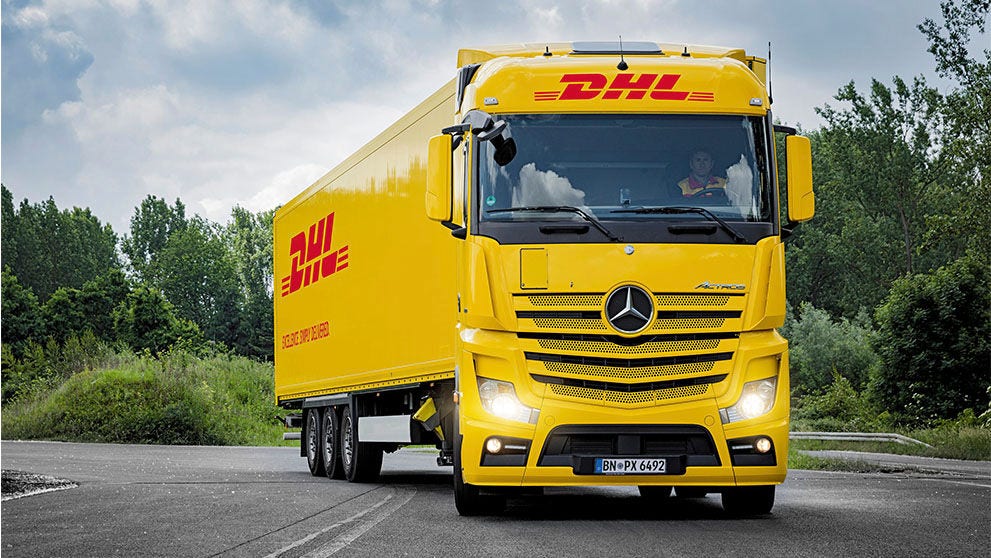
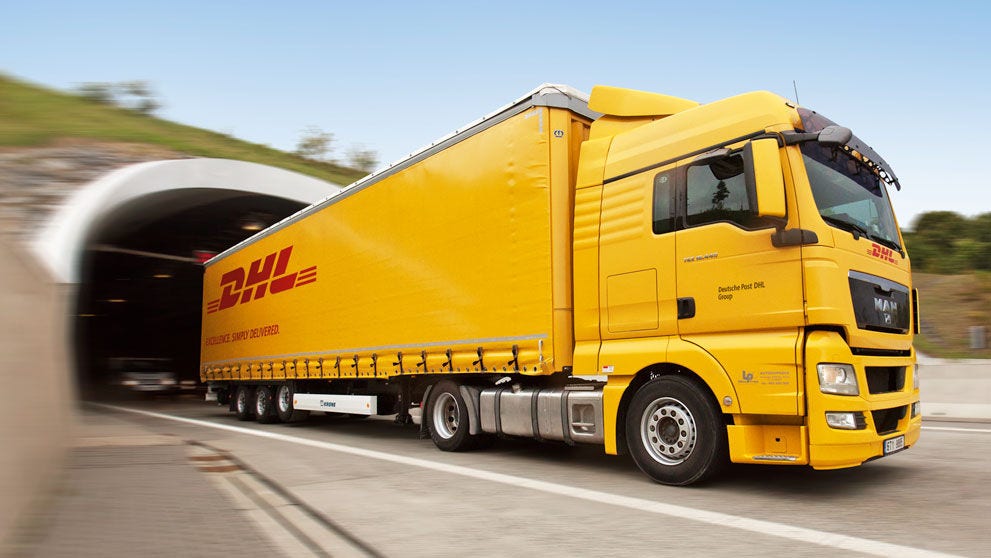
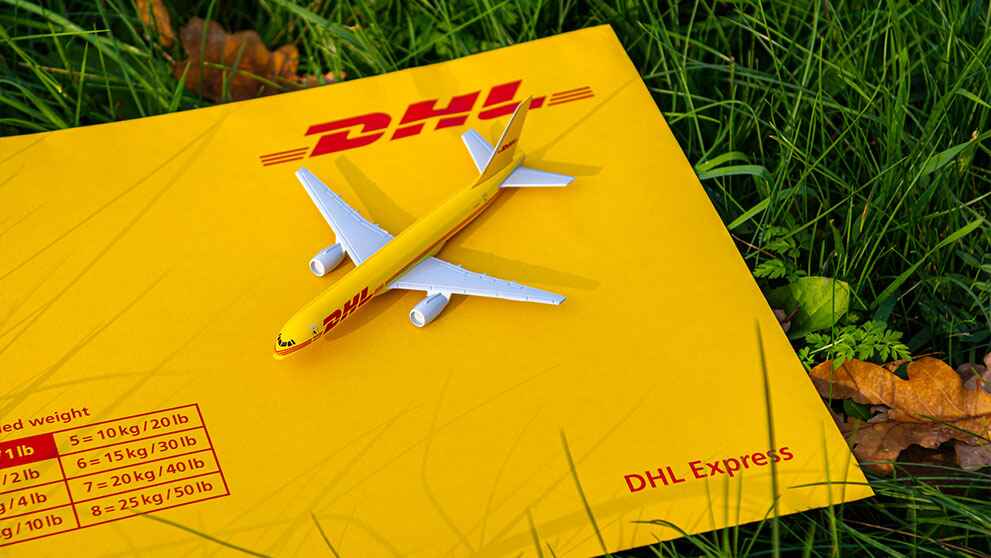
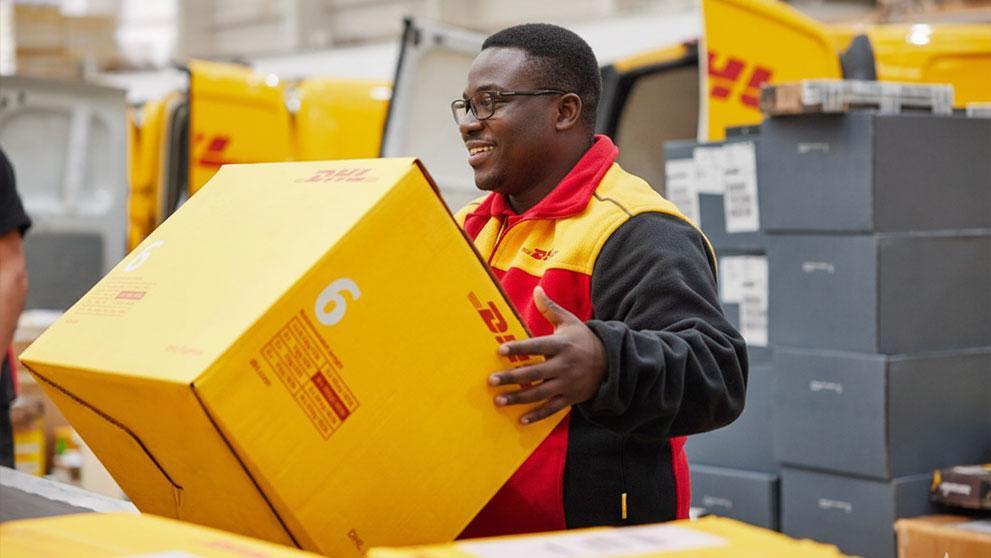
Getting goods from the zone to your customers is just as streamlined. For urgent shipments (samples, spare parts, certification documents, or small e-commerce orders) DHL Express handles the legwork, offering door-to-door tracking and, for high-value consignments, extra shipment protection. Larger, containerised cargo is managed by DHL Global Forwarding.
Three Types of EPZ Licences
EPZA offers three main types of licences
Developer or operator licences, for those building and managing zone infrastructure.
Enterprise licences, for manufacturers, processors, exporters, and commercial operators doing things like bulk breaking, relabelling, or providing export-oriented services like BPO or call centres.
Business service permits, for companies supplying services to businesses inside a zone.
The licence you choose affects your taxes. Only manufacturing and service exporters qualify for the 10-year corporate tax holiday; commercial traders do not. EPZ companies can be 100% Kenyan-owned, 100% foreign-owned, or joint ventures. Service exporters, whose work may be digital but whose shipments are very real, often rely on a DHL Express business account for the documents and hardware that must move alongside their contracts.
What Incentives Matter
Licensed EPZ enterprises enjoy a 10-year corporate income tax holiday, followed by a reduced rate of 25% for the next 10 years (the standard rate is 30%). There’s also a withholding tax holiday on dividends and remittances to non-residents, permanent exemption from stamp duty, and a 100% investment deduction on new buildings and machinery over 20 years.
Beyond tax, you get project approval within 20 working days, free movement of foreign currency, and help getting work permits for technical and management staff. Of course, duty-free inputs are only worth it if they arrive on time. Which is why many businesses count on DHL Express to handle urgent shipments for the inbound leg.

The 80 Percent Rule
EPZ businesses must export at least 80% of their sales outside the East African Community (EAC). Up to 20% of sales can go to the local or regional market, but those sales are treated as imports, with all the usual duties and taxes.
This rule is crucial. If your main market is Kenya or the EAC, an EPZ may not be the right fit. For most, the answer is to diversify and reach more overseas buyers. With DHL Express reaching over 220 countries and territories, testing new export markets is a shipping decision, not a major strategic shift.
How to Apply
Start by confirming with EPZA that your business idea is eligible. Prepare a business plan, complete the application, and pay the US$250 fee. You’ll usually need letters from potential buyers in your target markets, so keep proof of sample shipments on hand via your DHL Express account. Once approved, register your EPZ business (only for zone activities), get a NEMA environmental certificate, and secure your one-year renewable licence.
What to Consider Before Applying
Three things to think about:
Market access: AGOA, the trade deal behind much of Kenya’s apparel exports, is set to expire on 31 December 2026. Check its status before banking on duty-free US access.
Reporting: Licences renew yearly and come with reporting and record-keeping responsibilities, including eTIMS-compliant expense documentation.
The right fit: If you expect significant local sales, a Special Economic Zone (SEZ) licence might suit you better than EPZ status.
Whether you’re testing the waters with your first international buyer or scaling up from a gazetted zone, a DHL Express business account gives you preferential shipping rates, customs support, invoice billing, and full tracking for every shipment. Open your account and get moving. Kenya’s markets are waiting.
FAQs
Export Processing Zones (EPZs) are designed to streamline cross-border trade, but the key to moving your goods without unnecessary hold-ups lies in your paperwork. Every shipment must be accompanied by clear, accurate, and consistent documentation. Think commercial invoices, waybills, and all relevant supporting materials. Even with the efficiencies offered by EPZs, a single error can slow things down at the border. For a step-by-step guide on getting your documents right, check out The Commercial Invoice Checklist for Kenya to make sure your paperwork is up to scratch before you ship.
Yes, but only within the programme's limits. EPZ enterprises must export more than 80% of their total sales outside the East African Community. Up to 20% may be sold into Kenya or other EAC markets, but those goods are treated as imports, meaning the applicable customs duties and taxes become payable. If you're preparing to export, Kenyan SMEs: Your Export Paperwork Checklist explains the key shipping documents you'll need.


 Share
Share

Similar Stories