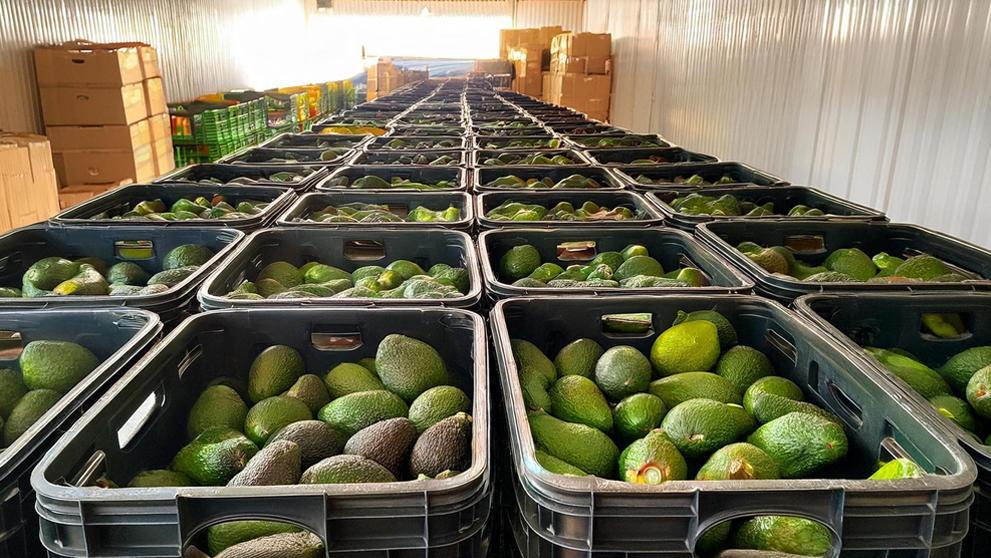
Kenya’s avocado sector is on a remarkable rise. In 2024, production soared by 34%, jumping from 632,953 tonnes to 848,122 tonnes, as reported in the Agriculture and Food Authority (AFA) Yearbook of Statistics. This growth is driven by farmers venturing beyond traditional avocado-growing zones, responding to soaring demand both at home and abroad.
But scaling up production is just one piece of the puzzle. The journey from farm to market varies significantly depending on whether you’re selling locally or exporting to destinations like Europe, China, or beyond. Understanding these market nuances early can shape what you grow, how you harvest, and the supply chain you build.
Local vs Export Markets: Different Routes, Different Rules
The first question every avocado farmer must ask is: where is my fruit headed?
Within Kenya, avocados reach consumers through traders, wholesalers, retailers, and processors. These local channels often accept fruit that may not meet strict export standards but still have their own expectations around size, quality, and handling.
Exports, on the other hand, come with a more complex rulebook. Export fruit must satisfy specific criteria, including maturity levels, traceability, phytosanitary standards, packaging, and treatment protocols, to gain entry into demanding international markets.
That means farmers aiming for export can’t wait until harvest to decide their market. The target buyer influences decisions from the start of the season, affecting everything from orchard management to record-keeping and post-harvest care.
For businesses selling within Kenya, logistics also plays a key role. Expanding reach beyond your county means reliable delivery, proper documentation, and effective tracking become essential for success.
What Changes When You Grow for Export?
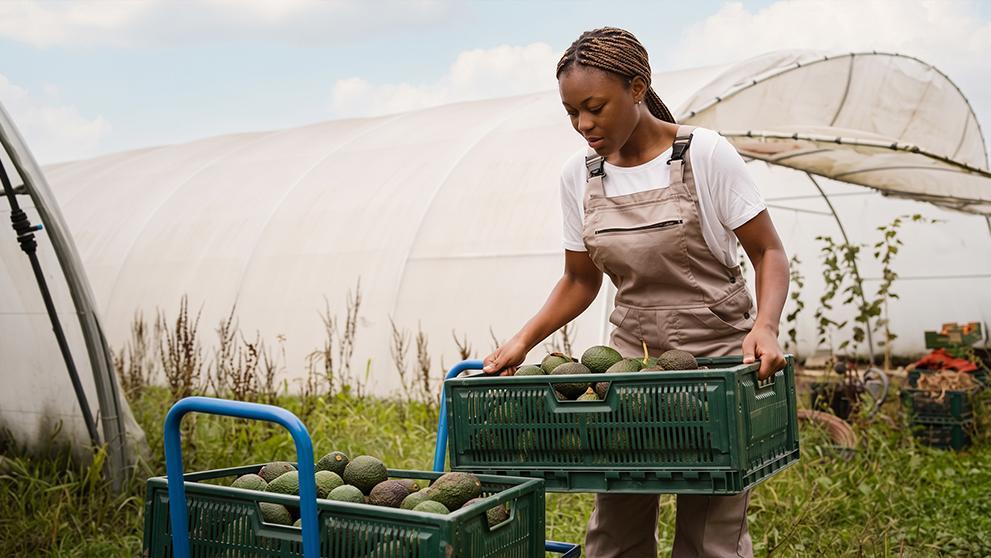
One of the biggest shifts is around maturity and quality control.
AFA’s guidelines use dry matter content as a key measure of when an avocado is ready for harvest and export. For popular varieties like Hass and Fuerte, 24% dry matter is the recommended minimum, though this can vary by season and region.
Local buyers may be more flexible, setting their own standards for maturity and quality. Exporters, however, operate in tightly controlled supply chains, ensuring fruit meets both their specifications and the strict demands of destination markets.
Traceability is another critical factor. AFA’s Horticulture Directorate registers dealers and collaborates with counties to uphold standards and maintain a National Horticulture Traceability System. This system safeguards the quality and safety of Kenyan avocados as they move through the value chain.
For farmers targeting export, harvesting isn’t just about when the fruit looks ripe, but about meeting the precise needs of the variety, buyer, and final market.
Meeting Export Requirements Head-On
Even top-quality fruit can hit roadblocks without the right certifications and paperwork.
Phytosanitary certification from KEPHIS ensures that avocados meet the plant health standards of importing countries. Yet, KEPHIS reports that some shipments face delays or rejections due to document errors or gaps in coordination among farms, exporters, and logistics teams.
Each export destination has its own checklist. Take China, for example. Kenya’s export protocol includes approved orchards and packing houses, quarantine treatments, labelling, packaging, and phytosanitary certification.
That’s why exporters must pinpoint their target market well before harvest and fully understand its requirements. Fruit destined for export might need extra handling or processing to fit the program’s standards, even if it’s perfectly fine for local sale.

Where Kenyan Avocados Make Their Mark
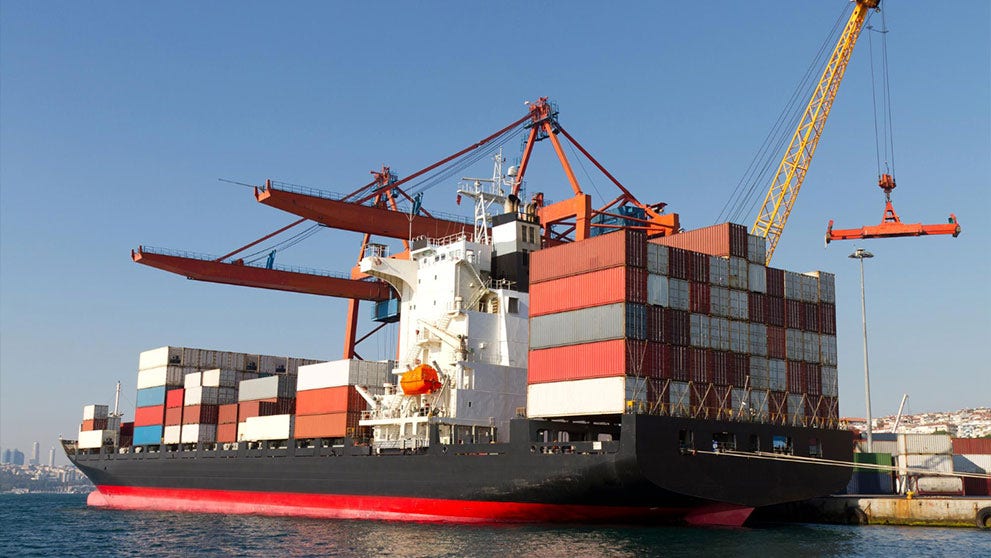
Kenya’s avocados enjoy access to key global markets including the European Union, China, India, Australia, the UK, the USA, and the UAE, thanks to successful trade agreements and market access protocols.
China remains a dynamic and promising market. In early 2026, KEPHIS hosted a trade assessment with Chinese stakeholders, discussing phytosanitary rules, export certification, compliance, and challenges to expanding trade.
But market access doesn’t guarantee every avocado will get through. Exporters must meet all conditions to keep Kenyan fruit competitive on the world stage.
For growers, this means choosing markets carefully. The domestic market may offer a simpler path for fruit that doesn’t meet export specs, while export programs open doors to higher international demand, along with added layers of preparation and compliance.
Preparing for Harvest: Lay the Groundwork Early
Success starts with early planning. Before the season kicks off, farmers and businesses should:
Decide the primary market: domestic buyers, processors, or export programs.
Confirm maturity requirements per variety, buyer, and destination.
Align on buyer specifications for size, quality, packaging, and defects.
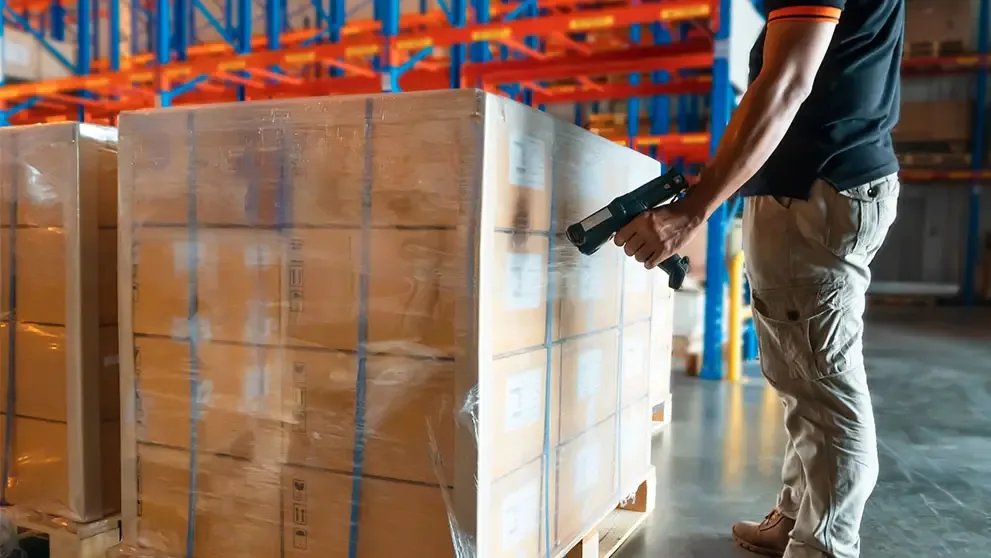
Keep thorough traceability records to track produce from farm to market.
Verify phytosanitary requirements with KEPHIS and destination authorities.
Plan for packing and treatment protocols, including quarantine and labelling.
Identify alternative markets for fruit that may not meet export criteria.
This groundwork helps avoid last-minute scrambles, turning compliance from a hurdle into a seamless part of the harvest process.

Balancing Local and Export Opportunities
The highest price tag doesn’t always mean the best market fit. Farmers need to weigh the specs required, how much fruit they can supply consistently, the costs of meeting standards, and the reliability of buyers.
For those growing production or with fruit that falls short of export grades, the domestic market offers a valuable outlet. Export markets open doors internationally but require tight coordination across farms, exporters, packhouses, certification bodies, and logistics partners.
Many businesses find success serving both. Export-quality fruit heads into global supply chains, while the rest finds its way to domestic buyers or processors.
Plan Your Market Strategy and Logistics
Whether your avocados stay in Kenya or travel abroad, your logistics must match your market’s demands.
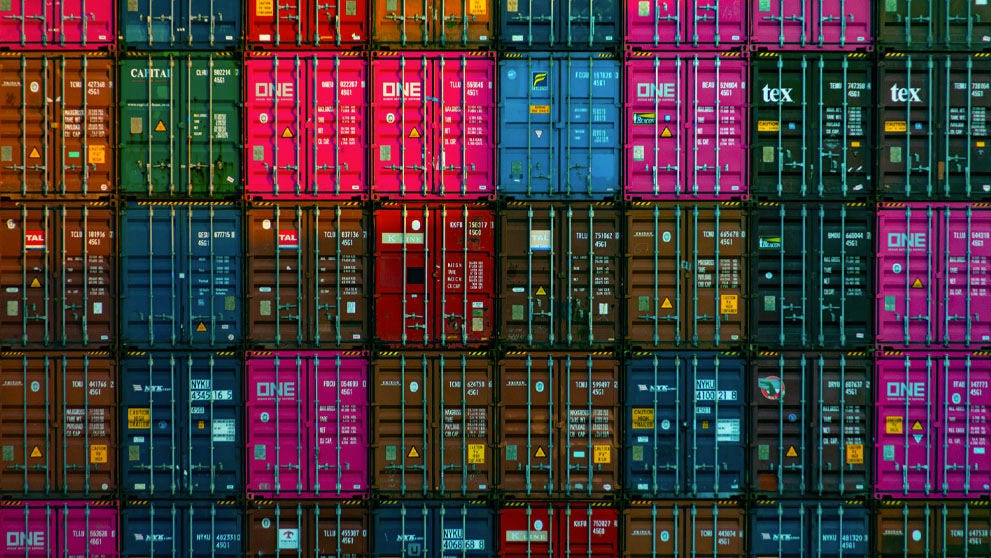
Local distribution calls for dependable collection and cross-county delivery, while exports add layers of international shipping, timing, and documentation.
DHL stands ready to support every step, offering domestic deliveries, scheduled pickups, express international shipping, and real-time tracking. With tools like MyDHL+, businesses can manage orders, create waybills, and track shipments seamlessly. For time-sensitive deliveries, DHL’s time-definite services deliver peace of mind.
As your volumes grow, consider opening a DHL Business Account to unlock advanced shipping tools and services tailored for your avocado business.
With the right preparation and partners, Kenyan avocado farmers are well placed to grow beyond borders, bringing fresh, world-class fruit from our soils to tables around the globe.
FAQs
Exporting avocados from Kenya comes with specific regulatory steps that depend on your position within the supply chain. The Horticulture Crops Directorate at the Agriculture and Food Authority (AFA) is the key body responsible for registering all dealers involved in the export market, as well as managing the horticultural traceability system.
In partnership with county governments, AFA ensures compliance with horticultural standards to maintain Kenya’s reputation for quality produce. For a detailed guide on the paperwork and export procedures Kenyan businesses must navigate, refer to the comprehensive resource, Kenyan SMEs: Your Export Paperwork Checklist.
Document requirements vary based on the destination country and agreements with your buyer. But one constant is phytosanitary certification, an indispensable part of Kenya’s export process for plant products. KEPHIS issues these certificates only after thorough inspections and compliance checks.
Beyond this, you might need commercial invoices, transport documents, and destination-specific certificates or treatment records. For a wider perspective on all necessary documentation, Kenyan SMEs: Your Export Paperwork Checklist remains an invaluable tool for exporters.
When selecting an export market, it’s crucial to prioritise the specific requirements of that market rather than just chasing the biggest opportunity. Different countries impose varying phytosanitary rules, treatment protocols, packaging standards, and documentation needs.
Take China, for example: exporting there involves strict criteria around approved orchards, packing houses, quarantine treatments, packaging, and phytosanitary certification, all overseen by KEPHIS. For businesses setting up export operations, Your SME Blueprint for Kenyan Import Success offers practical guidance on building the systems and processes needed for smooth international trade.


 Share
Share

Similar Stories