India stands as one of Kenya’s key trade partners, supplying a wide range of goods including pharmaceuticals, machinery, vehicles, electrical equipment, plastics, and more. In the 2023–24 financial year, bilateral trade between the two nations reached around US$3.35 billion, according to India’s Ministry of External Affairs.
For Kenyan businesses sourcing from India, understanding the shipping process, documentation, and regulatory requirements upfront is crucial. This foresight helps avoid costly delays during transit and customs clearance, especially for first-time importers or companies expanding their sourcing footprint.
Selecting the Ideal Shipping Option
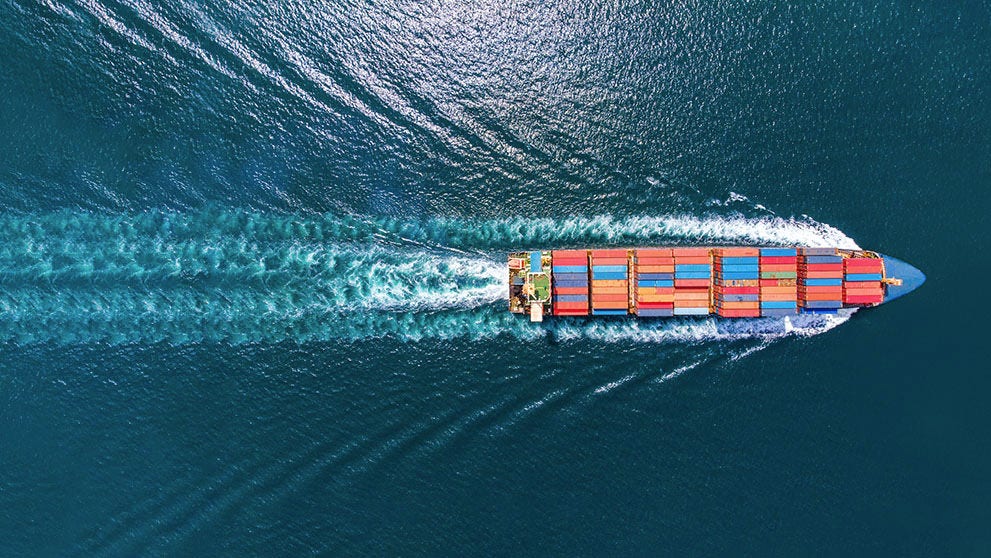
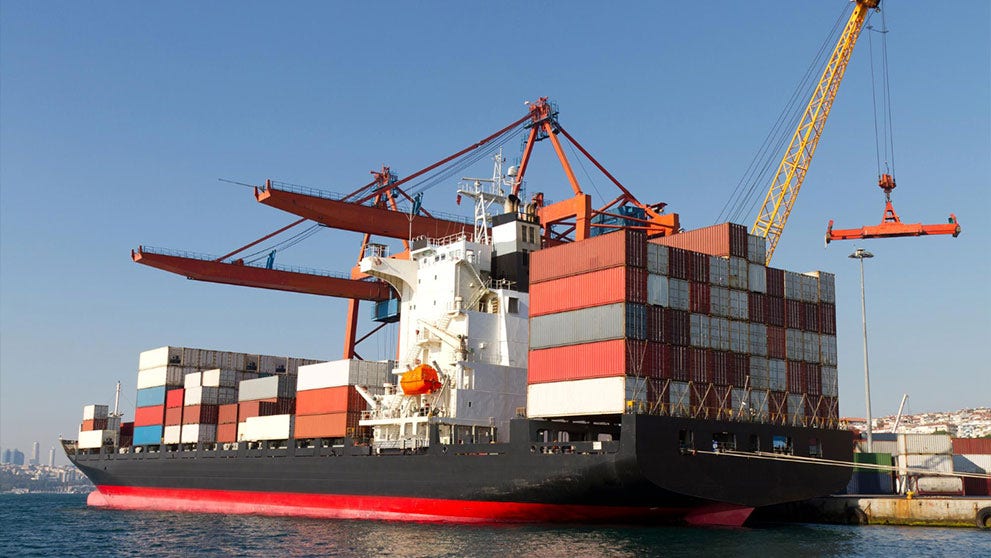
The majority of commercial cargo from India to Kenya travels by sea. Major Indian ports such as Nhava Sheva (JNPT) and Mundra act as primary gateways, with shipments typically arriving at the Port of Mombasa after several weeks. Of course, transit times vary depending on the chosen shipping route, carrier schedules, and whether there are transhipments involved.
Sea freight is generally the go-to for larger shipments or those without urgent delivery deadlines. On the other hand, air freight offers speed and security for smaller, high-value, or time-sensitive consignments.
Choosing between air and sea freight isn’t just about speed. Businesses should weigh shipment size, value, delivery timelines, and total shipping costs to find what works best for them.

Getting Your Paperwork Right
Accurate and complete documentation is vital to smooth customs clearance in Kenya. Before shipping, be sure you have the necessary paperwork, which may include:
Commercial Invoice and Packing List: Ensure product descriptions, quantities, and values match perfectly across all documents.
Bill of Lading: Essential for sea freight, this document details the cargo and its journey.
Certificate of Conformity: Some goods must meet Kenya’s conformity assessment requirements, with certification needed prior to shipment.
Advance Cargo Declaration: Mandatory for containerised cargo entering Kenya, this declaration must be submitted in advance.
The exact documents depend on the nature of your goods and Kenyan import regulations. Confirm these requirements early with your supplier, clearing agent, or logistics provider to avoid unnecessary holdups.

Navigating Shipping in 2026
Kenya’s import regulations continue to evolve, making it important to stay updated before every shipment. The Advance Cargo Declaration, in particular, is a critical requirement for containerised imports.
All parties involved, including suppliers, freight forwarders, and importers, must understand the declaration and validation processes before cargo lands in Kenya.
Additionally, shipping routes have seen some adjustments, especially around the Red Sea. These changes have led to more variability in transit times and freight costs on certain Asia-East Africa services. It’s wise to check the latest schedules and rates rather than relying on past quotations when planning your shipment.
Preparing for Customs Clearance in Kenya
When your cargo reaches Mombasa, it faces Kenyan customs and regulatory inspections before release. Consistency is key here: product descriptions, values, quantities, and tariff codes must align between supplier, freight forwarder, and importer.
Pay special attention to HS code classification, as it determines applicable duties, taxes, and compliance standards. If you’re unsure about the right classification, consult a customs expert before shipping to avoid clearance delays.
For products subject to Kenyan standards, ensure you have the required Certificate of Conformity or approvals in place before dispatch from India.
Ship with Confidence: Simplify Your India-Kenya Trade
Shipping commercial cargo from India to Kenya doesn’t have to be complicated. By selecting the right shipping method, preparing thorough and accurate documentation, and staying current with customs regulations, you can sidestep common pitfalls and reduce landed costs.
For businesses importing regularly, partnering with a trusted logistics provider can streamline the entire process, from booking to delivery. Open a DHL Business Account today to access tailored shipping solutions designed to support your growing international trade needs.
Ready to move your business forward? Let DHL help you navigate the India-Kenya trade corridor with ease and reliability.
FAQs
Shipping from key Indian ports like Nhava Sheva and Mundra to Mombasa usually takes a few weeks. The exact transit time depends on various factors such as the chosen shipping line, the route taken, any transshipment stops, and the current carrier schedules. Recent shifts in Red Sea shipping routes have introduced some unpredictability, so it’s best to treat quoted transit times as estimates rather than guarantees. Kenyan businesses should plan ahead and build in extra time when managing their inventory. For a detailed look at what to consider when importing, the Practical Steps for Kenyan Importers Sourcing from China guide offers valuable insights that apply broadly to international shipments.
Document requirements vary by product and shipment, but typically include a commercial invoice, packing list, bill of lading, and the necessary export certificates. On the Kenyan side, importers may also need to submit an Import Declaration Form, Certificate of Conformity, or other regulatory paperwork depending on the goods. Since Kenya enforces an Advance Cargo Declaration for containerized shipments, suppliers should be familiar with this process well before loading. The Commercial Invoice Checklist for Kenya is a handy resource that outlines the key information your supplier should include to ensure smooth customs clearance.
Absolutely. This regulation covers all containerized cargo entering Kenya, no matter where it originates. Kenyan importers sourcing goods from India must therefore factor in the Advance Cargo Declaration and its validation steps during their shipping preparations. Early conversations with your supplier about these requirements can help guarantee that all necessary data is submitted on time. For a comprehensive overview, check out How to Stay Ahead of Kenya's Advance Cargo Declaration Requirement to understand how to navigate this process effectively.
Recent changes in Red Sea shipping routes are impacting both transit times and freight costs on services between India and East Africa. Shipping lines are adjusting their routes and schedules in response to evolving conditions, which means quotes received weeks before shipment might not match the reality when you’re ready to book. To avoid surprises, it’s wise to reconfirm rates, routes, and transit times closer to your shipment date. The article How 2026 Red Sea Route Shifts Affect Kenyan Importers offers deeper insight into these developments and what they mean for businesses importing into Kenya.


 Share
Share

Similar Stories