Bringing machinery into Kenya isn’t like shipping a box of goods. The stakes are higher: the machines cost more, come with strict regulations, and involve hefty freight charges.
One slip-up in compliance can leave your costly equipment stuck at Mombasa port, racking up storage and demurrage fees that hit your bottom line hard. To ensure a hassle-free import, focus on four key areas: correct classification and taxation, certification, freight options, and crucial pre-loading paperwork. Nail these before you even think about paying your supplier.
Understand Your HS Code and Real Landed Cost
Your machine’s HS code dictates the import duty you’ll pay, so getting this right is non-negotiable. Many industrial machines enjoy low or zero duty under the East African Community’s Common External Tariff, but this depends entirely on the exact classification. A wrong code throws off your entire cost projection. On top of duty, factor in 16% VAT, a 2.5% Import Declaration Fee, and a 2% Railway Development Levy, all calculated on your machine’s CIF value. These rates can shift, so double-check current figures with KRA or your clearing agent. DHL Global Forwarding’s customs brokerage service can help classify your equipment and accurately model your landed costs, saving you from costly surprises that first-time importers often face.
Get Your Machine Certified Before Shipping
Kenya’s Pre-Export Verification of Conformity (PVoC) programme covers most regulated goods, including machinery.
This means your machine must carry a Certificate of Conformity issued by a KEBS-approved agent in China, currently Cotecna or Intertek, before it leaves the factory. Skipping this step means your shipment could face costly delays and inspections on arrival. Build certification time into your schedule since it happens at origin, not on delivery. Working with a forwarder like DHL, which coordinates this from China, ensures your certificate stays on track with your shipping schedule, avoiding last-minute headaches.
Choose the Right Freight Mode for Your Machine
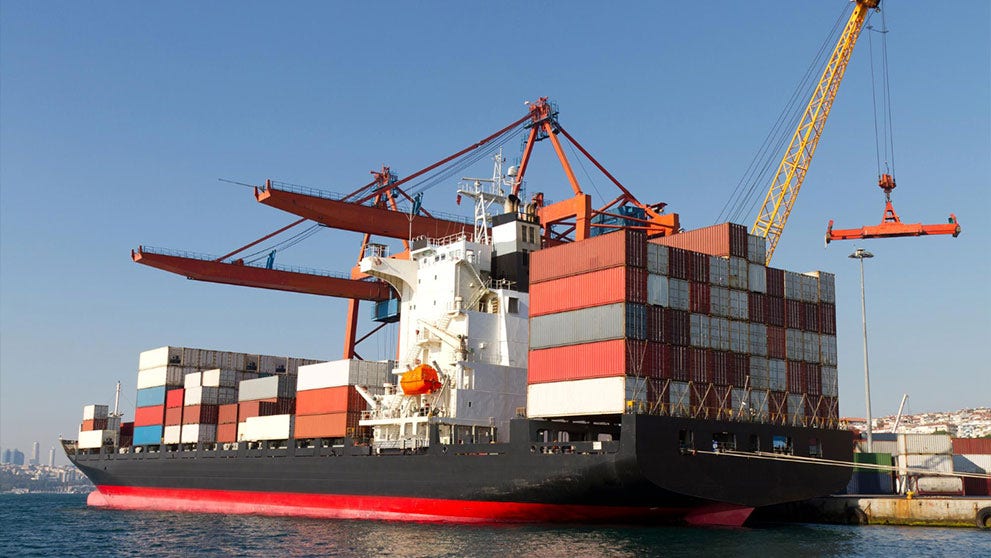
Typically, machinery moves by ocean freight in a full or shared container to Mombasa, then onward by road or the standard gauge railway to an inland container depot near Nairobi. Ocean freight is the most cost-effective for heavy, bulky machines. But if your machine is urgently needed, smaller, or highly valuable, air freight to Nairobi can speed things up and reduce the time your capital sits idle in transit. DHL Global Forwarding offers seamless handling for both ocean and air freight, plus inland transport. For urgent spare parts or documents that can’t wait for sea freight, DHL Express is the smarter choice. Picking the right mode early, not just the cheapest quote, is a strategic move that pays off.

Prepare Your Pre-Loading Paperwork Carefully
New rules have come into effect since 3rd August 2026. Every containerised import into Kenya now requires a 15-digit Advance Cargo Declaration (ACD) reference code from KRA, obtained at the point of loading and printed on the Bill of Lading.
From 1st September 2026, carriers must verify this code before loading; without it, your machine won’t sail. This responsibility lies upstream with your supplier or their forwarder, so your Incoterms matter.
Opt for FOB or CIF terms to ensure the seller handles export clearance and generates the code. Remember, the ACD doesn’t replace your Import Declaration Form, which you file separately with KRA. Also, since 1st July 2026, your marine cargo insurance must be with a Kenyan-licensed insurer. Using a forwarder like DHL that manages declarations, customs, and freight in one go keeps the process smooth and avoids costly delays.
Plan Ahead and Ship with Confidence
Machinery imports reward thorough planning and punish last-minute scrambling. Get your HS code, certification, freight, and paperwork sorted before paying any deposit, and your equipment will arrive ready to work, not stuck at the port. Opening a DHL account connects you to expert support across freight, customs, and account management, making your machinery import journey from China to Kenya seamless. Start your partnership with DHL today and import your machinery with confidence and ease.
FAQs
Getting the right HS code for your machinery import is crucial, and it’s more than just picking a code based on the product name. The HS code is determined by the machine’s specific function, technical details, materials used, and its intended purpose. This classification directly influences the duties and taxes you’ll pay and can also determine if your shipment needs to meet extra import conditions. For a deeper dive into how HS codes impact your import costs and why accuracy matters, check out the guide on Import Duty and Shipping Charges.
The paperwork you’ll need varies depending on the machinery type and its classification. Generally, you should have a commercial invoice, packing list, bill of lading or air waybill, Import Declaration Form, and any product-specific certificates. Often, a Certificate of Conformity is also required to meet Kenyan standards. For a detailed rundown on preparing your shipment documents and clearing customs smoothly, see How to Import from China to Kenya: Customs, Duties, and DHL Tracking.
Choosing between sea and air freight depends on your machinery’s size, weight, value, and how quickly you need it. Large and heavy equipment usually makes more sense to ship by sea, as it’s cost-effective for bulky loads. On the other hand, if the machinery is smaller, expensive, or needed urgently, air freight could be the better option. When deciding, consider the balance between transit time, freight costs, and the machine’s dimensions. Kenyan importers sourcing from China will find Practical Steps for Kenyan Importers Sourcing from China a helpful resource to weigh their options.
Avoiding hold-ups starts before your shipment leaves China. Ensure your HS code, commercial invoice, declared value, country of origin, and all shipment details are spot on and consistent across all documents. It’s also wise to verify any requirements from KEBS or other regulatory bodies before shipping. The Commercial Invoice Checklist for Kenya is an excellent tool to help you get your documentation right and sidestep common errors that cause delays at customs.


 Share
Share

Similar Stories