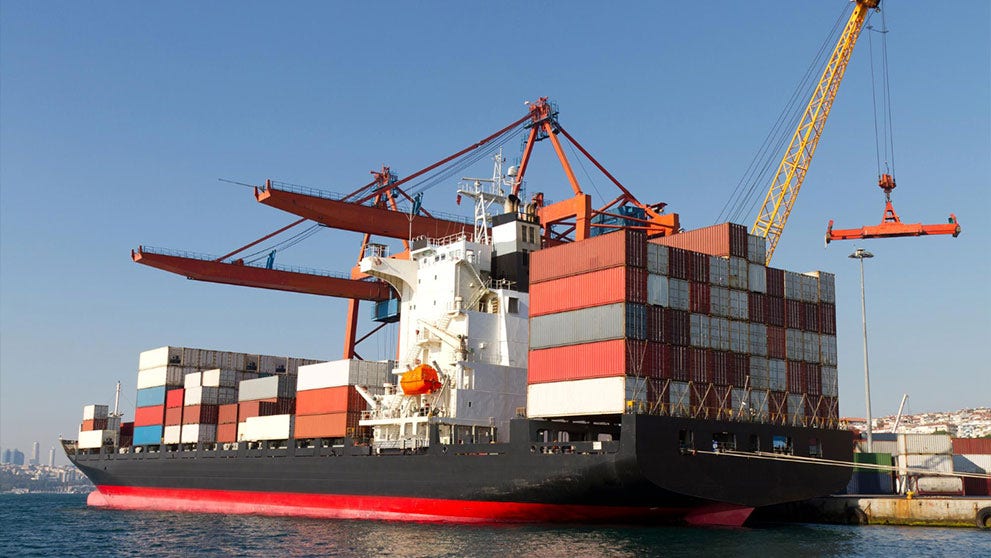
A machine can look like a bargain at a supplier’s yard. Then the freight charges, inspections, taxes, port fees and inland transport costs start adding up.
By the time that excavator or wheel loader reaches your project site in Kenya, the final cost may be considerably higher than the supplier’s price.
That’s why a successful machinery import starts long before the equipment is loaded onto a vessel. You need to confirm its customs classification, dimensions, condition, inspection requirements, shipping method and route from the Port of Mombasa to the final destination.
One mistake at origin can leave valuable equipment sitting at the port as storage and demurrage charges pile up. Whether you’re importing a bulldozer, grader, dump truck or excavator, sort out the details before paying the supplier or booking freight.
Start With the Correct HS Code
There is no single customs classification or duty rate for all construction machinery.
The correct Harmonized System (HS) code depends on the machine’s function, operating method and design. The East African Community tariff, for instance, distinguishes machinery with a 360-degree revolving superstructure from other types of excavating equipment. A technical difference like this can affect the duties, taxes and regulatory requirements applied to your shipment.
Before the machine leaves the country of supply, ask the supplier for its:
Make and model
Technical specifications
Engine details
Serial number
Country of origin
Operating configuration
Use this information to confirm the classification under the EAC Common External Tariff. If you’re unsure, speak to a licensed clearing and forwarding agent.
Confirming the HS code early gives you a stronger basis for calculating duties, taxes and other import charges before committing to the purchase.

Choose the Right Shipping Method
The best way to ship construction machinery depends on its dimensions, weight, mobility and whether any parts can be removed without damaging the equipment.
Common options include:
Roll-on/roll-off (RoRo): Often suitable for self-propelled machinery that can be driven or towed onto and off the vessel.
Flat-rack containers: Used for oversized machinery that cannot fit inside a standard shipping container.
Breakbulk shipping: Suitable when the machine must be lifted, loaded and secured as an individual piece of cargo.
Standard containers: An option for smaller machinery or equipment that can be dismantled and packed safely.
This is where a simple freight quote can be misleading. Ocean freight is only one part of the cost. You may also need to pay for lifting, lashing, terminal handling, port services and specialised transport within Kenya.
Give your logistics provider verified dimensions and weight before requesting a quotation. Estimates aren’t enough when a few extra centimetres or tonnes could change the handling method, equipment required or freight category.
DHL Kenya’s guide to importing machinery without delays offers more guidance on choosing a shipping method that suits your equipment.
Check KEBS Requirements Before Shipping
Depending on its classification and condition, machinery may fall under the Kenya Bureau of Standards’ Pre-Export Verification of Conformity programme.
Where PVoC applies, the inspection and Certificate of Conformity should generally be arranged before the equipment is shipped.
Used vehicles, mobile equipment and spare parts shipped from Japan or the United Arab Emirates may also be subject to radiation-contamination inspection requirements.
Don’t assume that new and used machinery follow the same process. Check the current requirements with KEBS or its appointed inspection contractor in the country of supply before booking freight.
It’s much easier to resolve an inspection or compliance issue while the machine is still at the supplier’s yard than after it has landed in Mombasa.
Prepare Your Import Documents Before Loading
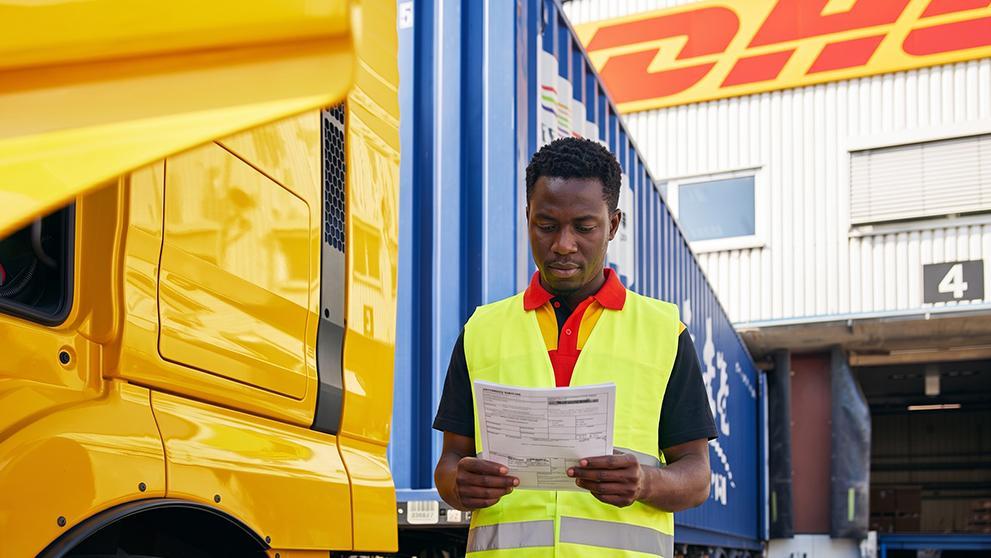
Your clearing agent will generally require the following documents:
Commercial invoice
Packing list
Bill of Lading
Certificate of Origin
Import Declaration Form
Certificate of Conformity or other applicable permits
Insurance and valuation documents
Details should match across every document. Check the machine description, make, model, serial number, value, HS code and country of origin carefully.
Containerised cargo destined for Kenyan ports also requires an Advance Cargo Declaration reference obtained at the port of loading before the cargo is loaded, effective from 3 August 2026.
This makes pre-shipment preparation even more important. Documentation is no longer something to sort out only when the vessel is approaching Mombasa. Key requirements must be completed before the machine leaves its country of origin.
Calculate the Full Landed Cost
The supplier’s price is not the total cost of importing construction machinery into Kenya.
A realistic landed-cost estimate should account for:
Purchase price
International freight
Cargo insurance
Applicable import duties and taxes
Inspection fees
Port and terminal handling
Customs clearance
Clearing and forwarding charges
Inland transport
Lifting and unloading equipment
Storage, demurrage or detention risks
Import duties and taxes depend on the machine’s classification and other factors. Using a generic percentage can leave a significant gap in your budget.
Start with the confirmed HS code, then determine the applicable tariff treatment before paying for the equipment.
Oversized machinery may also require a low-loader, lifting equipment, escort vehicles or a route survey for the journey from Mombasa to the project site. These costs matter when comparing suppliers and shipping options.
The cheapest machine at origin isn’t always the cheapest machine delivered to site.
Plan the Journey to the Project Site
The shipment doesn’t end when the vessel docks in Mombasa.
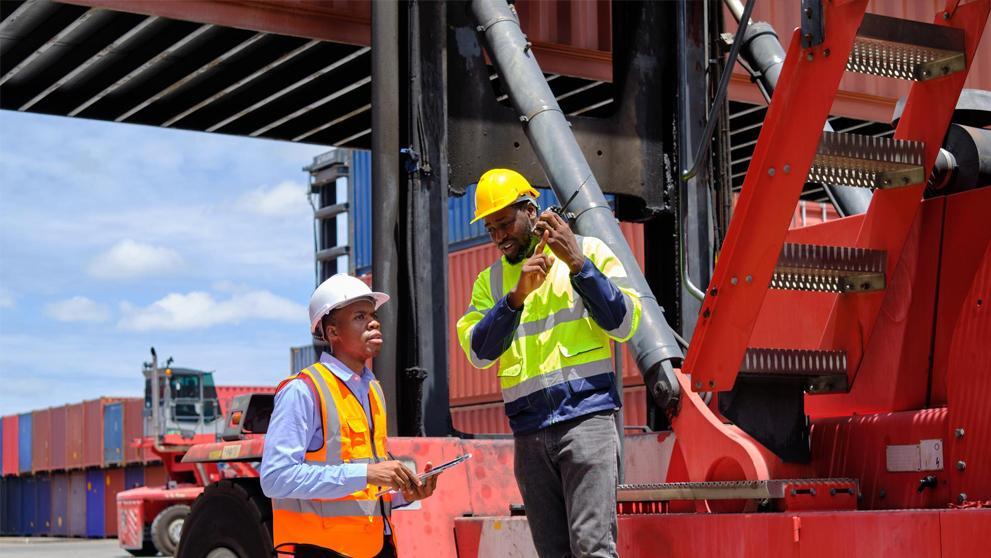
A 30-tonne excavator cannot be collected like ordinary cargo. It must be cleared, lifted or driven out safely, loaded onto suitable transport and moved along a route that can accommodate its dimensions and weight.
Before the shipment leaves its origin, confirm:
Who will manage customs clearance
How the machine will be discharged and unloaded
Which truck or trailer will transport it
Whether a low-loader is required
Whether route approvals or escorts are needed
Where the machine will be delivered
Whether the site can safely receive and unload it
This planning is especially important for oversized equipment destined for inland counties or remote construction sites. A logistics plan that stops at the Port of Mombasa is only half a plan.
Keep Port Delays Under Control
Heavy machinery is costly cargo to leave sitting at the port.
Your clearing agent should receive the required documents before the vessel arrives. They should also understand the machine’s HS classification, inspection status and any permits or regulatory requirements that apply.
At the same time, confirm the shipping line’s free-time arrangements and have the necessary low-loader, crane or other collection equipment ready.
Delays can lead to storage, demurrage and detention charges, even when the original freight quotation was accurate. These charges aren’t interchangeable, and each can affect your costs in a different way.
Choose a Logistics Partner That Understands Heavy Equipment
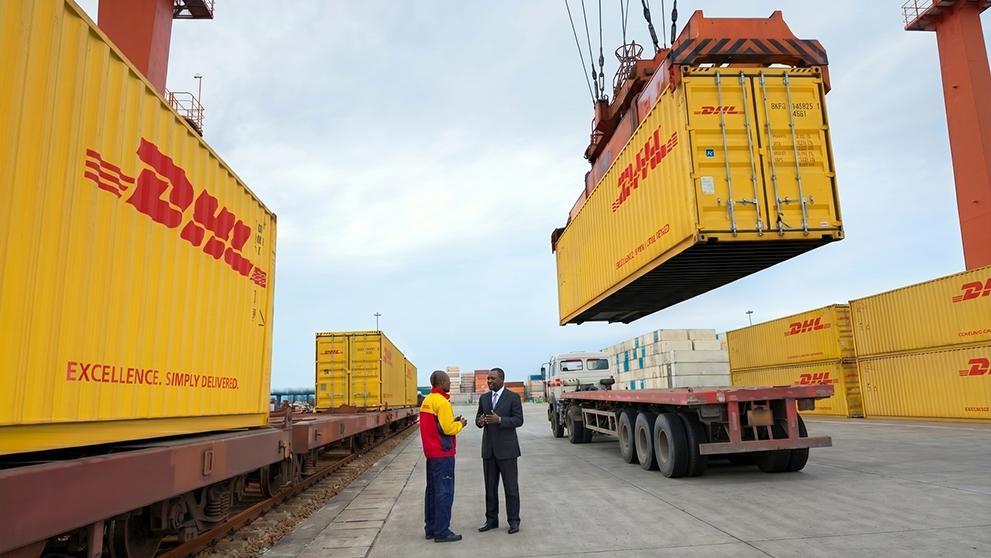
Not every freight provider has the equipment, network or experience required to handle construction machinery.
When comparing shipping companies to Kenya, don’t focus only on the headline freight rate. Ask whether the provider can coordinate the journey from the supplier’s yard to your project site.
Key capabilities to consider include:
Ocean or air freight
Oversized and heavy-equipment handling
Customs coordination
Port handling
Heavy-lift services
Inland transport
Documentation support
Shipment tracking
Delivery to remote sites
Large machinery imports often involve several parties: the carrier, clearing agent, port operator, crane provider and inland transporter. If those responsibilities are not clearly defined, gaps can appear quickly.
Working with a provider that can coordinate more of the journey makes it easier to understand the process, assign responsibility and estimate costs before the machine moves.
DHL Global Forwarding provides mining and construction equipment logistics, including freight, customs coordination, heavy-lift movements and inland logistics for heavy machinery.
Move Your Machinery With Confidence
Importing construction equipment into Kenya requires more than booking space on a vessel. The HS code, compliance checks, paperwork, shipping method and inland journey all need to work together.
Get those details right before departure, and you’ll have a clearer view of the total cost, fewer surprises at the port and a smoother path from the supplier’s yard to your project site.
Ready to plan your next machinery import? Open a DHL Business Account to access international shipping solutions and support for your business.
FAQs
Start with what the machine does, not simply what it is called. Gather the technical brochure, model number, engine specifications, operating method and details of any attachments. A licensed customs agent can then compare this information with the relevant tariff headings and explanatory notes.
Getting the classification right from the start can help you avoid incorrect duty assessments, clearance delays and possible penalties. DHL’s guide to understanding HS codes offers more information on how classification works and the risks of using the wrong code.
Not always. The requirement may depend on the type of machine, whether it is new or used, its country of origin and whether an exemption or alternative inspection arrangement applies.
Confirm the applicable requirements with KEBS or an appointed inspection company before the equipment is shipped to Kenya. This can save you from extra inspections, charges and delays at the port. Importing into Kenya: When KEBS Certification Is Required explains the differences between PVoC routes, exemptions and destination inspections.
Yes, in some cases. Smaller machines and removable components may fit inside a standard shipping container. Larger or oversized equipment may require a flat rack, RoRo service or breakbulk vessel.
Before choosing a shipping method, confirm the machine’s dimensions, weight and lifting points. You should also consider whether dismantling it is practical or could cause damage. DHL Kenya’s article on importing machinery without delays outlines the main freight options and when each one may be suitable.
Preparation is key. Send complete and accurate documents to your clearing agent before the vessel arrives, and resolve any HS-code or KEBS questions before shipment. You should also have a clear plan for moving the machine from the port to its final destination.
Check the carrier’s free-time allowance and book the required low-loader, crane or lifting equipment in advance. At busy entry points such as the Port of Mombasa, even a small delay can lead to additional costs. DHL Kenya’s guide to avoiding demurrage charges explains the difference between storage, demurrage and detention—and how better planning can help you avoid them.


 Share
Share

Similar Stories