#ShippingWithDhl


 Share
Share
Mastering last-mile delivery: a guide for Cambodian small businesses
6 Mins Read
Share

Known as the last-mile delivery, the final stage of getting a product to your customer is arguably the most critical and complex part of the entire e-commerce journey. For a small business in Cambodia, this final interaction can be a crucial touchpoint for securing customer loyalty and building a strong brand reputation.
This challenge is not unique to Cambodia: as global e-commerce has expanded, last-mile delivery has become an increasingly costly part of fulfillment. Between 2018 and 2023, the share of final-mile delivery within total shipping costs rose from 41% to 53%, underscoring how much pressure this end stage places on business margins.1
With this in mind, it’s clear that the key to long-term success when handling overseas shipping lies in mastering the final delivery process. When done correctly, seamless execution at the final mile can transform a logistical hurdle into a competitive advantage, reducing costs while improving customer satisfaction.
Understanding Cambodia’s last-mile challenges
Moving goods across Cambodia, particularly beyond major urban centers, presents a unique set of challenges in logistics management. These hurdles, specific to the last-mile delivery stage, require local knowledge and careful planning to overcome.
The problem of rural delivery
While major cities benefit from more developed road networks, Cambodia’s varied geography and developing infrastructure often make final-mile transportation to rural areas complex and unpredictable. This directly contributes to significant logistical challenges for businesses operating nationwide.
Recognizing these gaps, the government has launched ambitious development strategies. For instance, the Comprehensive Intermodal Transport and Logistics System Master Plan (CITLS-MP) (2023–2033) outlines 174 infrastructure projects, including road upgrades, railway expansion, and the development of logistics hubs such as the Phnom Penh Logistics Complex (PPLC) and Sihanoukville Logistics Complex (SHV-LC).2 These initiatives aim to reduce shipping costs and improve connectivity.
However, while construction is underway, active work zones, roadblocks, and detours can temporarily worsen final-mile delivery conditions. Whether you’re making rural or urban deliveries in Cambodia, having a robust plan to manage these disruptions is essential for maintaining operational efficiency and customer trust.
Unofficial addresses and connectivity gaps
Another major last-mile delivery challenge involves inaccurate or non-standard recipient information. Outside central Phnom Penh, many locations lack clearly defined street numbers or postal codes, leading to delivery delays and/or failed attempts.
Limited or unreliable internet access in remote areas can further disrupt real-time coordination between drivers and recipients. To overcome this, effective final-mile delivery services in Cambodia often rely on local expertise, phone coordination, and flexible routing to bridge both physical and digital gaps.
Practical guide for seamless logistics management
Preparing your shipments for success
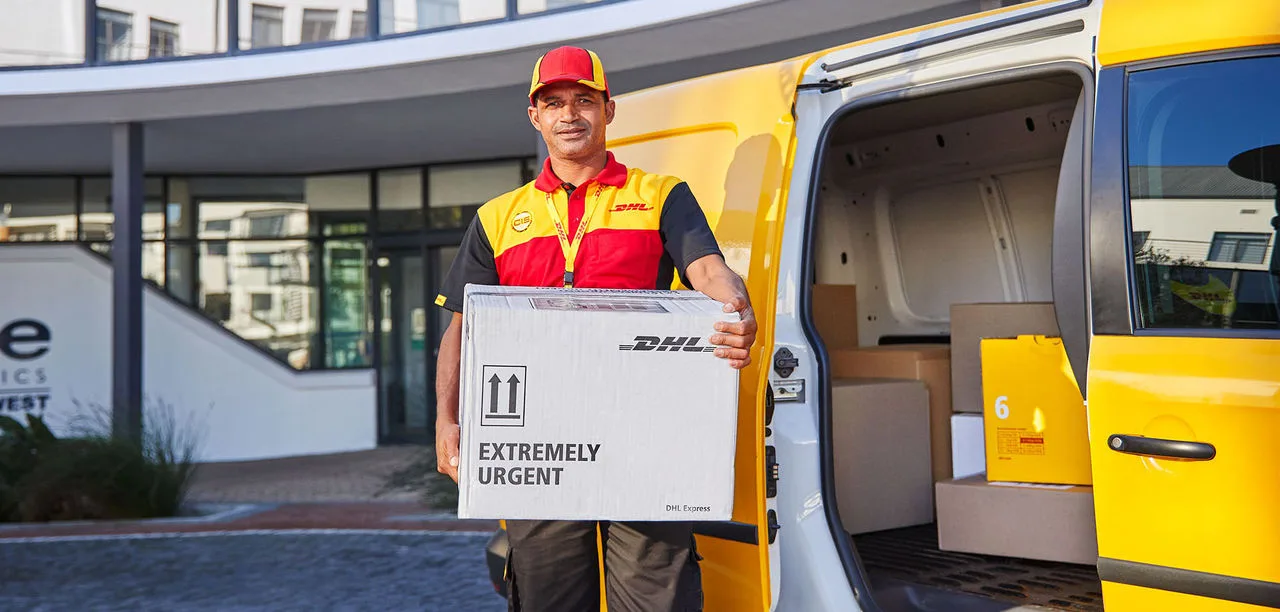
The physical preparation of your last-mile delivery solutions is the first line of defense against damage and delay. Proper packaging ensures goods are protected throughout transit and can be handled efficiently by courier teams, especially when shipments involve long distances, overseas shipping or international parcel service routes.
Follow these packaging and labeling guidelines:
- Choose sturdy boxes appropriate for the size and weight of the items being shipped.
- Use internal cushioning such as foam or bubble wrap to prevent movement during transportation.
- Seal all seams securely and attach clear, durable labels with complete recipient details and contact numbers.
- Fragile items should be clearly marked to alert courier personnel.
Well-prepared shipments reduce handling time, minimize damage risk, and lower replacement costs, all of which directly support profitable last-mile logistics operations.
Managing customer expectations
Success in final-mile delivery is often measured by the customer experience, making transparent communication just as vital as delivery speed. Follow these best practices to build customer trust and secure long-term loyalty:
- Communicate realistic delivery timelines, particularly for rural areas where transit times may be longer.
- Provide proactive shipment updates via SMS, email, or calls at key stages such as dispatch, transit, and out-for-delivery.
- Establish clear inquiry and resolution processes so customers know exactly where to turn if issues arise.
- Where possible, offer delivery flexibility, such as alternative time windows or drop-off arrangements.
These practices significantly improve successful final-mile delivery rates and reduce customer anxiety, especially for businesses offering delivery express options.
Cost considerations and profitability
Last-mile delivery is often the most expensive stage of the supply chain, accounting for a significant share of total shipping costs. Understanding how last-mile transportation impacts margins is essential to long-term profitability.
Balancing speed, reliability, and cost requires careful planning. Not every order requires delivery express service, and aligning delivery speed with customer expectations can prevent unnecessary expenses. Consolidated routing, fewer failed delivery attempts, and predictable schedules all help control last-mile logistics costs while maintaining service quality.
Carrier options and strategic partnerships
Choosing the right last-mile delivery service partner can significantly influence business growth. Beyond transport, a logistics partner provides access to regional expertise, advanced tracking tools, and scalable networks that support both domestic distribution and international parcel service needs.
For Cambodian businesses expanding locally or internationally, working with an experienced provider like DHL Express offers access to reliable last-mile delivery solutions, strong local knowledge, and a global logistics network that supports consistent performance across markets.
Risk management and contingency planning
Construction delays, traffic congestion, weather events, and damaged packages are unavoidable realities of last-mile delivery in Cambodia. Businesses that plan for these risks are better positioned to maintain service reliability.
Proactive contingency planning — including buffer delivery times, rapid issue escalation, and clear customer communication — helps to protect brand reputation. DHL’s tracking visibility and local support teams enable faster response when last-mile delivery disruptions occur, reducing both financial and reputational impact.
Measuring success
To continuously improve final-mile logistics performance, businesses should track key metrics such as on-time delivery rates, customer satisfaction scores, and repeat purchase behavior.
Monitoring these KPIs allows businesses to identify bottlenecks, refine shipping routes, and improve packaging and communication strategies. Over time, data-driven optimization strengthens last-mile delivery efficiency and customer loyalty.
Scale your business through effective last-mile delivery

Mastering last-mile delivery isn’t just about solving logistics challenges, it’s about enabling sustainable growth. Reliable final-mile delivery solutions strengthen brand reputation, support customer trust, and enable expansion both domestically and through overseas shipping channels.
By combining strong internal processes with experienced external logistics expertise, Cambodian small businesses can turn last-mile logistics into a growth driver. With DHL Express supporting delivery solutions through advanced networks, local expertise, international parcel service capabilities, and delivery express options, businesses can deliver with confidence, every single time.
Ready to redefine your logistics and scale your business? Open a DHL Express business account today.
Share
Similar Stories