When it comes to heavy shipments, the price tag rarely ends with the carrier’s initial quote. A procurement team might secure a great unit price on a piece of equipment, only to face a series of additional expenses: freight, duties, handling fees, paperwork, which are all the moving parts that ensure the machine arrives safely and swiftly on the shop floor.
For shipments that demand speed and care, DHL Heavy Weight Express offers door-to-door delivery for palletised goods ranging from 50kg up to 3,000kg. Combining express transit with expert handling and streamlined customs clearance, it’s designed for reliability and predictability. Still, before approving any shipment, it’s crucial to factor in these seven key cost components to build a complete budget.
1. Transport Rate
Heavy shipments typically incur charges based on actual weight, given their density. However, if the cargo is light but bulky, pricing may reflect the space it occupies instead. To avoid surprises, always record both the actual weight and the package dimensions before requesting a quote. DHL Heavy Weight Express simplifies budgeting by offering transparent, all-inclusive pricing, meaning most costs are bundled into the initial rate without hidden surcharges.
2. Fuel and Situational Surcharges
While the all-in rate covers much, some adjustments remain. Fuel surcharges, tied directly to jet fuel prices, are updated weekly across Express services starting April 2026. Additionally, deliveries outside standard service areas may incur remote area surcharges. Current figures for these fees are readily accessible on the DHL Express Nigeria surcharges page, helping you stay informed and up to date.

3. Customs Duties, VAT, and Levies
On imports, duties apply to the CIF value converted into naira using the Central Bank of Nigeria rate as reflected on your Form M and PAAR.
Add 7.5% VAT and other levies, and currency fluctuations alone can shift your final bill between order and clearance. While DHL’s in-house customs specialists manage clearance efficiently for Heavy Weight Express shipments, these government-imposed costs are a budget line you must anticipate.
4. Handling and Site Readiness
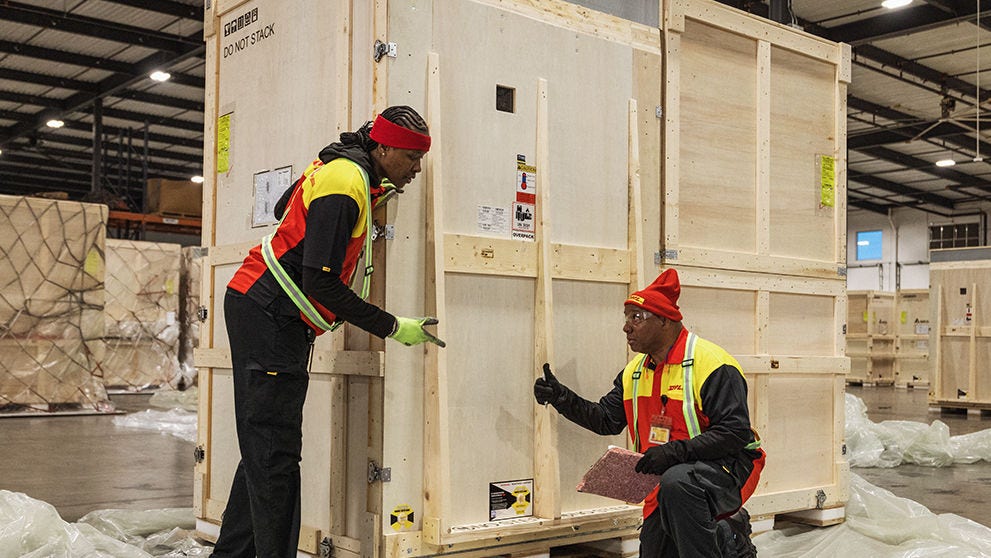
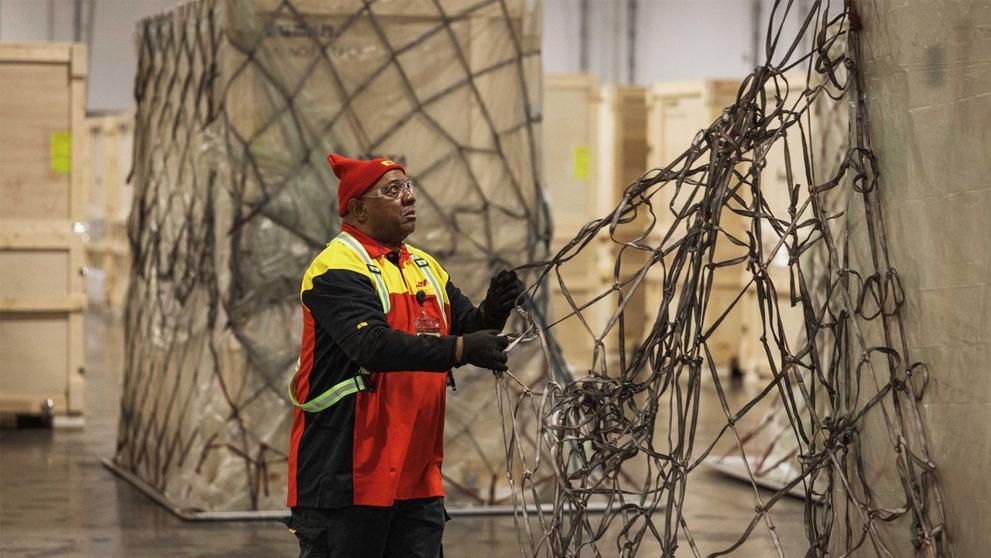
Heavy shipments require careful handling at both pickup and delivery. Items over 30kg often need lifting equipment or extra personnel to ensure safe loading and unloading. DHL’s door-to-door service leverages its own network for smooth transit, with tail-lift deliveries available when loading docks aren’t on site. Your responsibility lies in preparing your premises: having the right equipment and staff to receive and move pallets quickly, avoiding delays. DHL’s priority support desk can guide you through the specifics for each shipment.
5. Packaging, Preparation, and Labelling
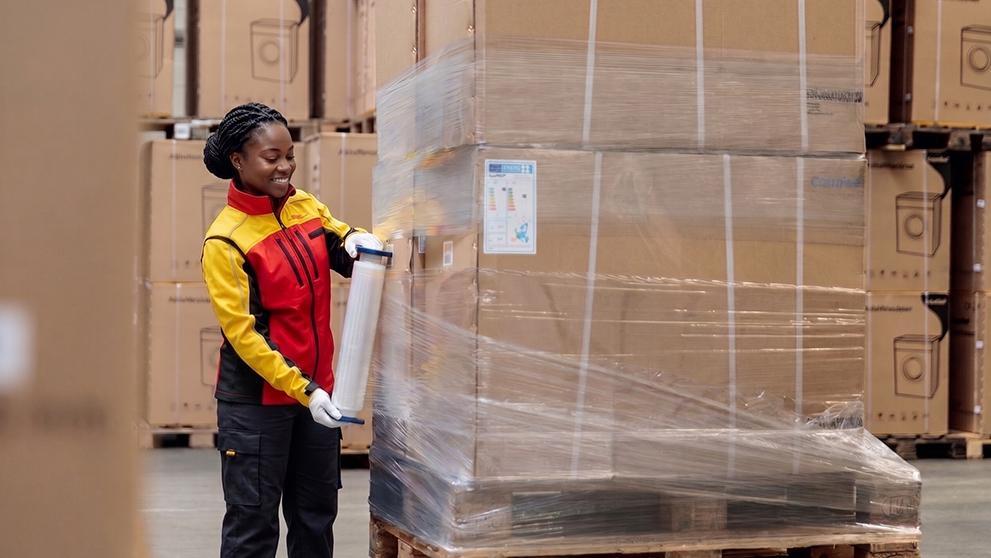
Preparing heavy goods demands more than a standard parcel’s packaging. Crating, palletisation, protective materials, and clear labelling all add up, but they’re critical for damage prevention and seamless handling within DHL’s network supporting express delivery speeds.
Normally, shippers handle preparation, but DHL also offers an optional Shipment Preparation service, which includes managing waybills, content selection, labelling, and packaging for a per-shipment fee. This service suits complex or resource-heavy shipments and is worth exploring for your route. Always budget packaging as a distinct line, and use DHL’s packing guidelines to set your standards.
6. Shipment Value Protection
Carrier liability limits rarely match the value of heavy machinery. Shipment Value Protection insures your declared consignment value during transit, providing peace of mind at a relatively small cost. For high-value equipment, it’s an essential budget item and not an afterthought.

7. Clearance Holds and Correction Charges
Costs can also arise when paperwork isn’t perfect. Incorrect commodity descriptions, HS codes, or delivery addresses can trigger customs holds, storage fees, re-examinations, and address corrections.
These expenses are avoidable with accurate documentation, which is the most cost-effective budget line of all. DHL Heavy Weight Express includes priority support to help ensure your paperwork is in order, but accuracy starts with the information you provide.
Controlling Heavy Shipment Costs with DHL
The true cost of a heavy shipment is the sum of many parts, not just the transport rate. Overruns usually stem from overlooked details. Anticipating these costs lets you plan shipments comprehensively and maintain predictable budgets. With a DHL Express business account, you gain access to preferential rates, all-inclusive Heavy Weight Express pricing, dedicated support, expert customs handling, and end-to-end tracking from a single trusted partner.
Shipping heavy goods doesn’t have to mean unexpected expenses. With DHL, you get clarity, control, and confidence every step of the way.
FAQs
When planning for a heavy shipment, it’s important to look beyond just the transport rate. Procurement teams should factor in fuel and any applicable surcharges, customs duties, taxes, handling fees, and packaging expenses. Additionally, protecting the shipment’s value and anticipating potential costs from documentation or clearance delays is essential. For a comprehensive overview, DHL’s Heavy Weight Express guide offers detailed insights on handling palletised shipments up to 3,000 kg with precision and care.
Absolutely. Heavy or palletised shipments demand packaging that can endure the rigors of handling and transit. Proper palletisation, secure load fastening, and robust protection against damage are crucial to ensure your goods arrive in perfect condition. DHL’s guide to packing large and heavy shipments provides expert advice on these key considerations, helping you safeguard your shipment every step of the way.
Importing heavy equipment into Nigeria involves more than just shipping fees. You’ll need to budget for import duties, VAT, and other government charges, which vary depending on the type of goods, their classification, customs value, and applicable rates. To navigate this complex landscape, DHL’s How to Calculate Import Duties in Nigeria breaks down the process clearly, giving you the confidence to manage your import costs effectively.


 Share
Share

Similar Stories