Order fulfillment in e-commerce is the end-to-end process of receiving, processing, and delivering customer orders efficiently. With customer expectations higher than ever, effective fulfillment is crucial to ensuring satisfaction and loyalty.
Because every step of fulfillment affects how customers experience a brand, it also directly influences a business’s profitability, reputation, and customer retention. To address these critical impacts, businesses can explore different order fulfillment models and implement proven best practices, streamlining operations while consistently meeting customer expectations.
Order fulfillment explained
Order fulfillment goes beyond simply confirming a sale; it ensures that the product reaches the customer accurately and on time, completing the transaction from start to finish. Until an order is delivered, the sale isn’t truly complete, as customer satisfaction depends on the entire fulfillment experience.
This process involves several core activities: order processing and inventory management, followed by picking, packing, and shipping. Additionally, effective fulfillment includes returns and exchanges, ensuring that any post-purchase issues are handled smoothly and reinforcing trust and strengthening the customer experience.
Why is order fulfillment important?
Order fulfillment is essential to completing the sales cycle and transforming a simple purchase into a positive customer experience.
For both business-to-business (B2B) and direct-to-consumer (D2C) businesses, efficient fulfillment is crucial, as delays or errors can directly affect relationships with clients and end consumers. Moreover, the way orders are managed significantly impacts customer satisfaction, encouraging repeat purchases and fostering long-term brand trust.
How does the order fulfillment process work?
The order fulfillment process in e-commerce involves a series of steps that ensure products move smoothly from suppliers to customers.
1. Receiving inventory
The order fulfillment process begins with receiving inventory from suppliers or internal sources. During this stage, goods are inspected, counted, and quality-checked to ensure only accurate, undamaged items enter the system. SKUs and barcodes are used to track inventory efficiently, enabling organized storage and easy retrieval.
2. Storing inventory
Once received, inventory is stored in warehouses or distribution centers based on storage needs. Short-term storage handles fast-moving items, while long-term storage accommodates slower-moving products, enabling efficient organization and distribution. Proper storage strategies also help minimize excess holding costs and keep operations streamlined.
3. Processing orders
Order processing captures and validates customer orders as they come in. Order management systems integrated with e-commerce platforms play a key role by automating confirmations, updating stock levels, and coordinating with warehouse operations. Accurate order processing ensures that the right items are picked and shipped without delays.
4. Picking ordered items
Picking involves selecting the ordered items from inventory. This can be done manually or through automated systems, depending on the scale and complexity of operations. Accuracy and speed during picking are critical, as mistakes at this stage can lead to incorrect shipments and affect customer satisfaction.
5. Packing items
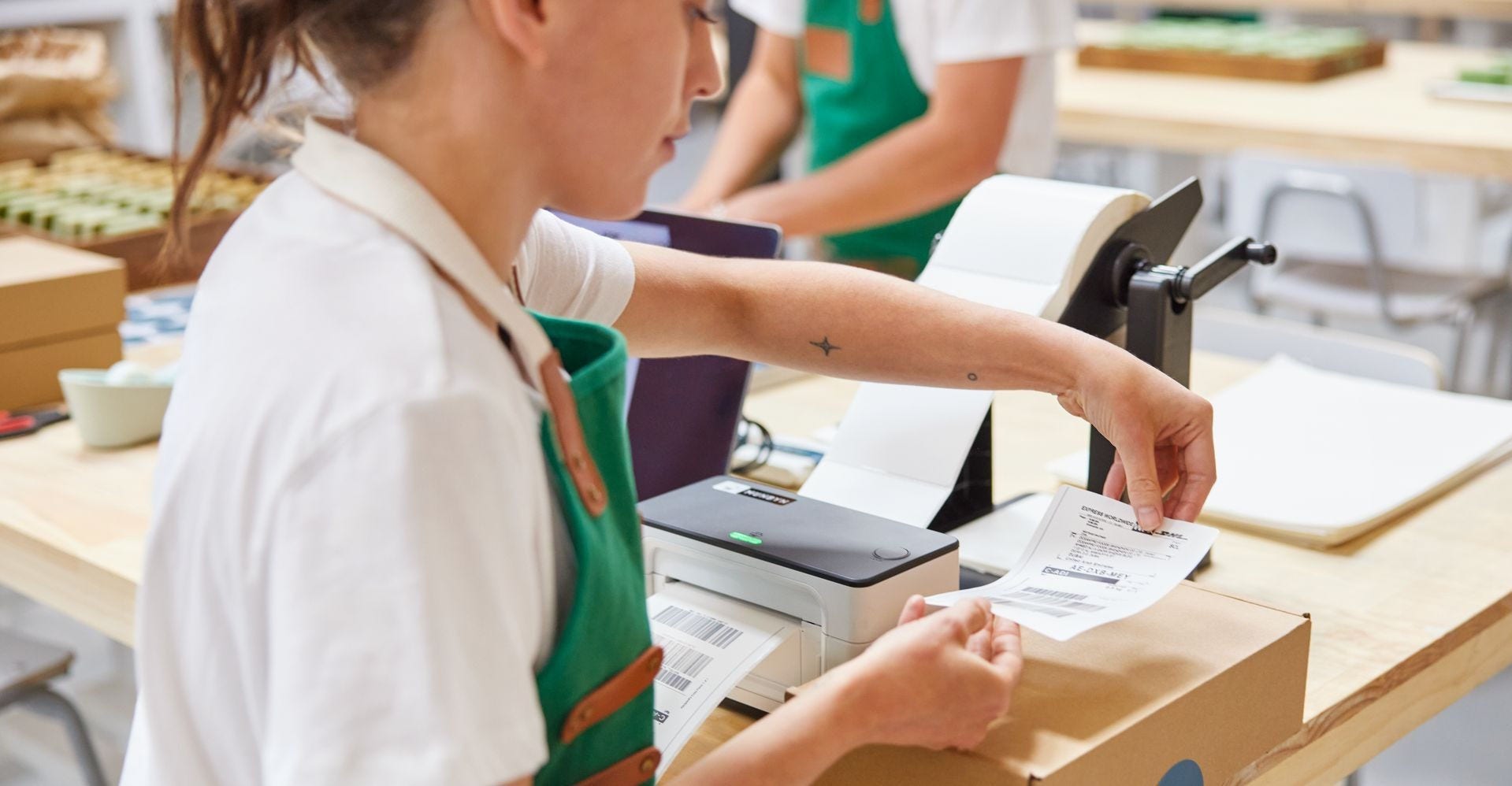
After items are picked, they are packed for shipment. Choosing appropriate packaging materials protects products while optimizing dimensional (DIM) weight, helping reduce shipping costs. Including return labels and packing materials ensures a smoother post-purchase experience for customers, reinforcing convenience and trust.
6. Shipping
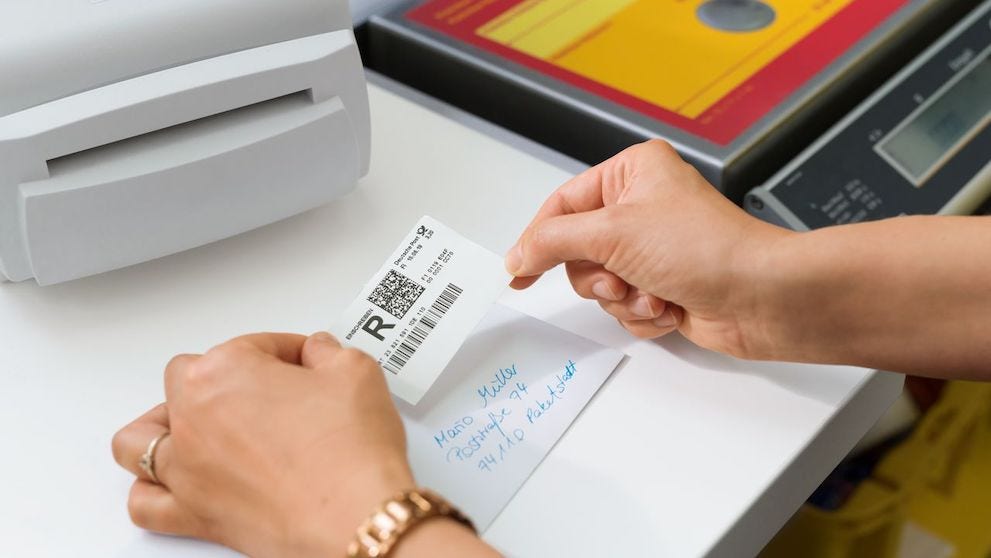
Shipping determines how orders reach customers. Carriers and shipping methods are selected based on speed, cost, and destination, while careful calculation of actual weight versus DIM weight ensures accurate charges. Compliance with carrier packaging requirements is essential to prevent transit delays, damage, or additional fees.
7. Delivery and returns processing
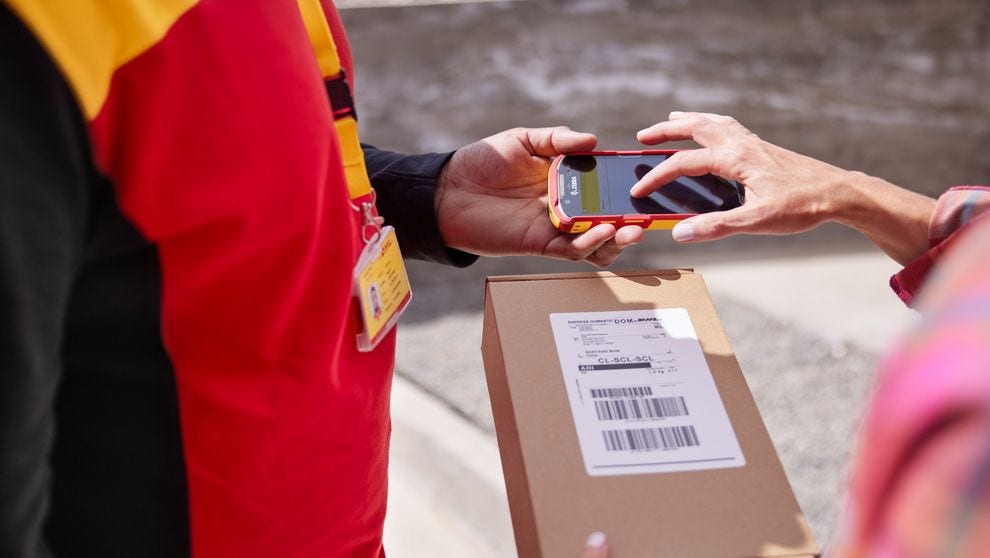
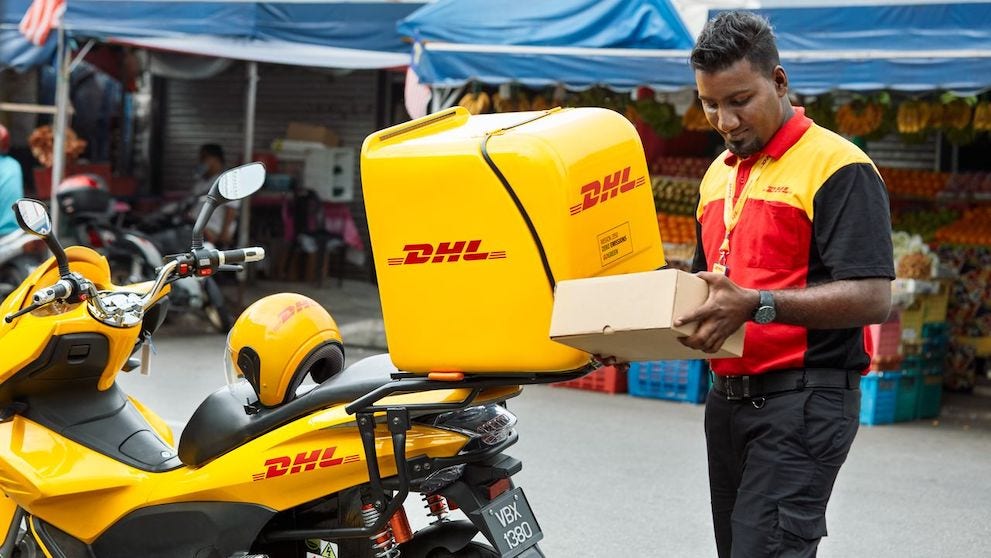
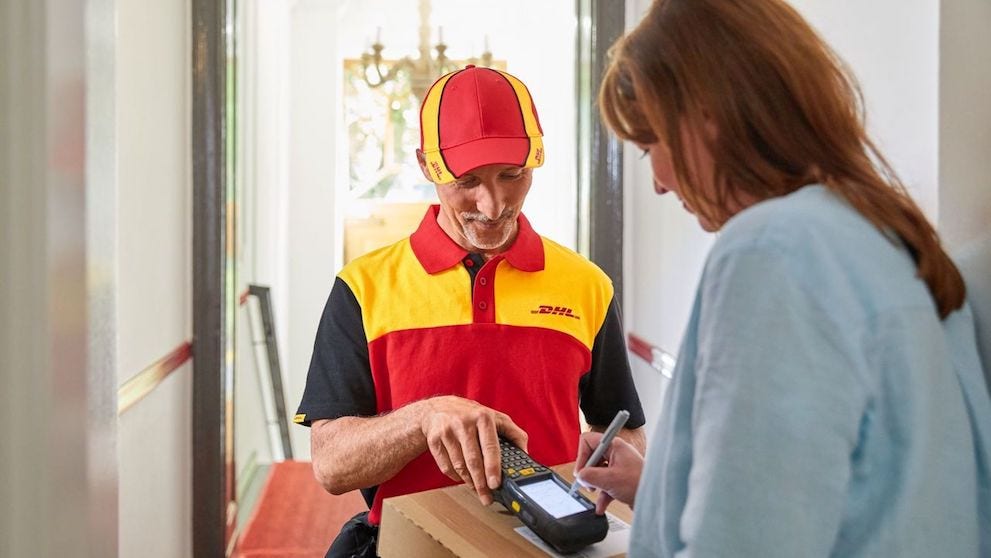
The final stage of the order fulfillment process covers last-mile delivery and any returns or exchanges. Hybrid shipping methods can improve efficiency and speed, while handling returns requires proper quality checks and restocking decisions.
Common order fulfillment challenges
Despite careful planning, e-commerce businesses often encounter problems that can disrupt order fulfillment.
Inventory management issues
One of the most common challenges is managing inventory effectively. Stockouts can lead to missed sales and disappointed customers, while overstocking locks up cash and increases holding costs. Both scenarios directly impact the customer experience and a business’s cash flow.
Demand planning difficulties
Accurately forecasting demand is another key hurdle. Businesses must balance supply with fluctuating customer demand, accounting for seasonal trends, promotions, and market shifts. Inadequate demand planning can lead to excess inventory or shortages, complicating order fulfillment.
Logistics and delivery challenges
Timely and safe delivery of orders is critical, yet many businesses struggle with late shipments or damaged goods. Maintaining end-to-end logistics visibility enables monitoring shipments, anticipating delays, and coordinating carriers, ensuring products reach customers on time and in good condition.
Supply chain execution risks
Dependence on a single supplier or a limited supply chain network can pose significant risks. Using supply chain management software enables businesses to track supplier performance, coordinate across multiple sources, and reduce execution risk.
How to choose the right order fulfillment strategy?
Selecting the right order fulfilment strategy involves carefully evaluating whether to manage fulfilment in-house or outsource it to a third-party provider. In some cases, a hybrid model that combines both approaches may provide the flexibility needed to efficiently handle different product types or order volumes.
When making this decision, businesses should consider key factors such as cost, level of operational control, scalability to handle growth or seasonal demand, and the resources available to manage logistics.
Order fulfillment models explained
E-commerce businesses can choose from several order fulfillment models, each offering different levels of control, cost, and operational responsibility.
In-house fulfillment
In-house order fulfillment involves managing storage, packing, and shipping internally. This model gives businesses full control over operations, branding, and customer experience, but it also entails greater operational responsibility, requiring dedicated staff, warehouse space, and technology to manage logistics efficiently.
Third-party fulfillment (3PL)
3PL providers handle inventory management, packing, and shipping on behalf of the business. Outsourcing order fulfillment can reduce operational burden and enable faster scaling, but it entails trade-offs in process control and direct customer experience.
Drop shipping
Drop shipping allows businesses to sell products without holding inventory, as suppliers handle storage and shipping. This model offers low overhead and rapid market entry, but it provides limited control over order fulfillment and carries a risk of delivery delays that can affect customer satisfaction.
Hybrid fulfillment
Hybrid fulfillment combines multiple models, such as in-house order fulfillment for special or high-value products and outsourcing for standard or high-volume items. This approach provides flexibility to manage peak periods, bulky items, and seasonal spikes.
Tips to improve order fulfillment performance
Improving the order fulfillment process is essential for enhancing customer satisfaction, reducing errors, and boosting operational efficiency.
- Choose the right Enterprise Resource Planning (ERP) system: Implementing an integrated ERP system helps track inventory, manage orders, and coordinate operations across multiple channels efficiently.
- Integrate with suppliers and vendors: Seamless integration ensures real-time inventory updates, reduces stockouts, and improves supply chain coordination.
- Set clear customer expectations: Communicating accurate delivery timelines, tracking updates, and return policies helps manage customer expectations and builds trust.
- Optimize inventory management: Maintaining accurate stock levels, forecasting demand, and strategically locating inventory reduces delays, holding costs, and order fulfillment errors.
- Select efficient order-picking strategies: Batch picking, zone picking, or automated systems increase accuracy and speed, minimizing errors during order preparation.
- Prepare for customer service and returns: Establish a clear returns process, provide training for support staff, and track returned items to ensure a smooth post-purchase experience.
- Treat shipping partners as strategic allies: Collaborating closely with carriers improves delivery reliability, helps negotiate better rates, and provides insights to enhance logistics performance.
Work with DHL Express to improve your e-commerce’s order fulfillment process

Partnering with DHL Express can significantly enhance your order fulfillment by providing fast, reliable international shipping from the Philippines and logistics solutions that help your e-commerce business meet customer expectations worldwide.
With an extensive global network, we support efficient cross-border e-commerce operations by simplifying customs clearance, managing documentation, and providing advanced tracking tools that ensure transparency throughout the delivery journey.
Moreover, DHL Express’s expertise in last-mile delivery and express logistics helps e-commerce brands scale internationally while maintaining a strong customer experience. From seamless integration with major e-commerce platforms to real-time shipment updates and flexible delivery options, DHL Express enables you to expand your reach without compromising service quality.
Open a DHL Express business account today and elevate your order fulfillment performance.


 Share
Share
Similar Stories