The life sciences and healthcare sector operates on a zero-margin-for-error basis. While the initial delivery of a surgical robot or a diagnostic imaging scanner is a milestone, the real work begins after installation. Maintaining the uptime of these assets is critical for patient outcomes, making medical device aftermarket logistics a cornerstone of the modern healthcare supply chain.
In Singapore, a global hub for MedTech innovation, managing the equipment lifecycle requires a sophisticated reverse logistics channel specific to medical devices. From the rapid deployment of spare parts to the sensitive handling of contaminated returns, DHL Express Singapore provides the specialized medical device delivery infrastructure needed to keep healthcare providers operational 24/7.
What is medical device aftermarket logistics?
Medical device aftermarket logistics is the support system that keeps life-saving equipment operational long after the initial sale. It is not merely about moving boxes; it is about the strategic management of spare parts, on-site repairs, and maintenance services for devices already in active use at hospitals or clinics.
The primary goal of aftermarket logistics is to minimize equipment downtime. In healthcare, delays in spare part delivery can lead to cancelled surgeries or delayed diagnoses, making reliable equipment repair essential. Key components include:
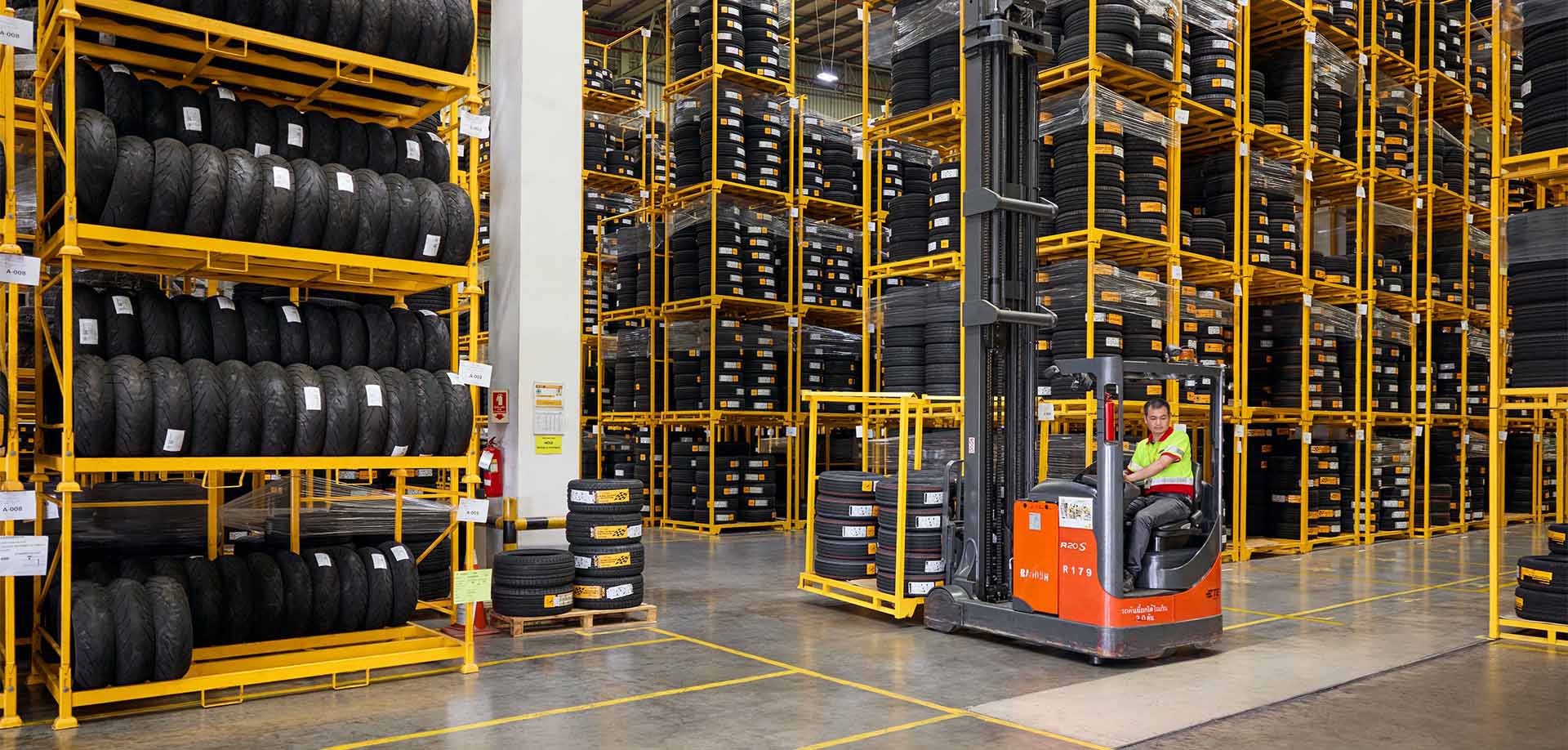
- Spare parts management: Keeping critical components in strategic medical equipment logistics hubs across Singapore for time-definite delivery.
- Technical support coordination: Ensuring field service engineers (FSE) have the exact tools and parts required for 'first-time fixes,' reducing the need for multiple site visits.
By leveraging DHL Express Singapore, manufacturers can ensure that high-priority parts reach hospital technicians within hours, rather than days, through a network spanning more than 220 countries and territories.
Reverse logistics for medical devices and equipment: Going beyond simple returns
In the MedTech industry, the return process for medical devices is significantly more complex and highly regulated than the standard retail process. Unlike consumer electronics, medical device returns must account for biological risks, strict traceability, and high asset value.
Effective healthcare reverse logistics typically covers several critical scenarios:
1. Repairs and refurbishment
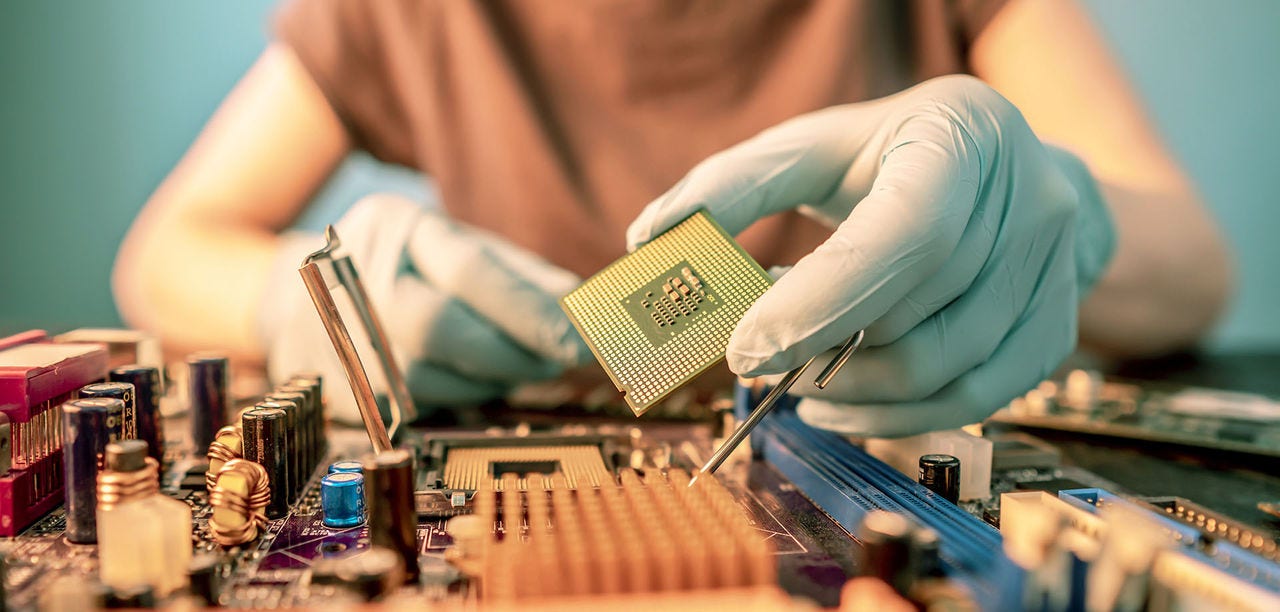
High-value capital equipment, such as MRI components or ultrasound probes, often requires specialized servicing that can only be performed by the Original Equipment Manufacturer (OEM). Handling medical device returns for repair requires secure, shock-absorbent transport to prevent further damage to delicate sensors during transit.
2. Product recalls
When a faulty batch of devices is identified, manufacturers must execute a rapid, traceable retrieval process. To meet the standards of the Health Sciences Authority (HSA) in Singapore or the global FDA, every unit must be accounted for. DHL Express provides the end-to-end visibility required to manage these high-stakes recalls efficiently.
3. End-of-Lease or end-of-life management
As technology evolves, older units must be decommissioned. Medical device reverse logistics includes the pick-up and compliant disposal or recycling of used equipment, ensuring that data privacy (patient records) and environmental regulations are strictly followed.
4. Surgical kit replenishment
This is a high-frequency reverse logistics channel for medical devices. Used surgical trays must be returned to the hospital's sterilization center or the manufacturer for replenishment and then returned to the operating room immediately.
Common healthcare logistics challenges
Managing medical device returns presents unique hurdles that standard logistics providers are often ill-equipped to handle.
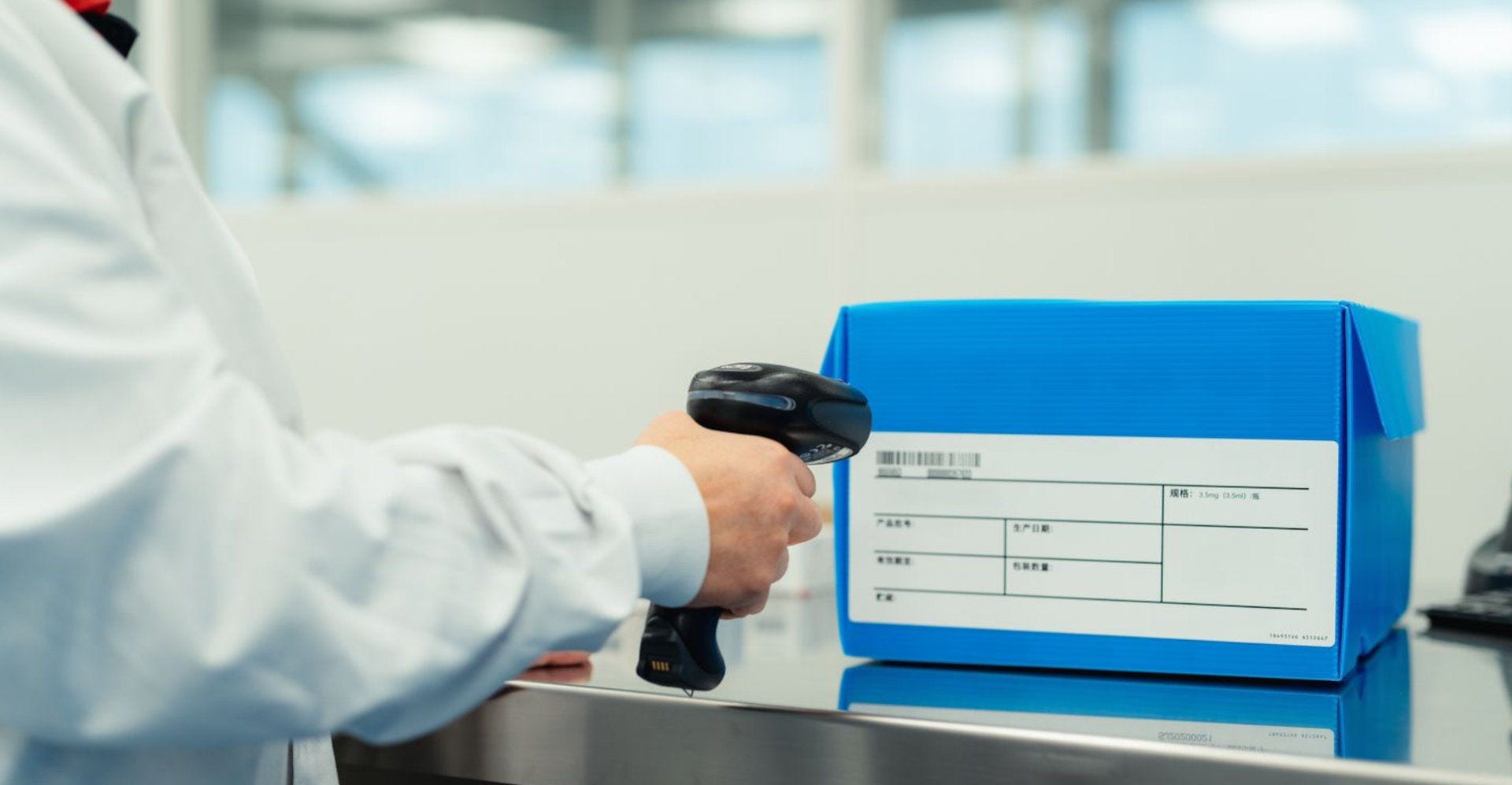
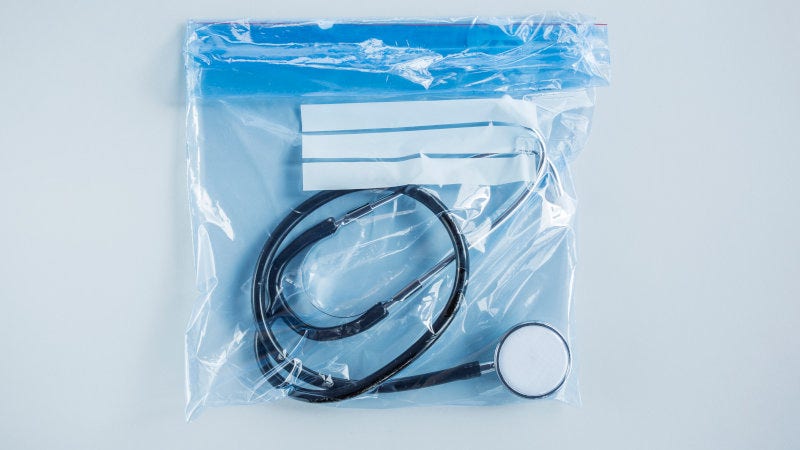
- Decontamination protocols: Used devices may be contaminated with biological matter. Handling medical device returns requires compliance with UN3373 and specialized procedures to ensure the safety of all personnel across the supply chain.
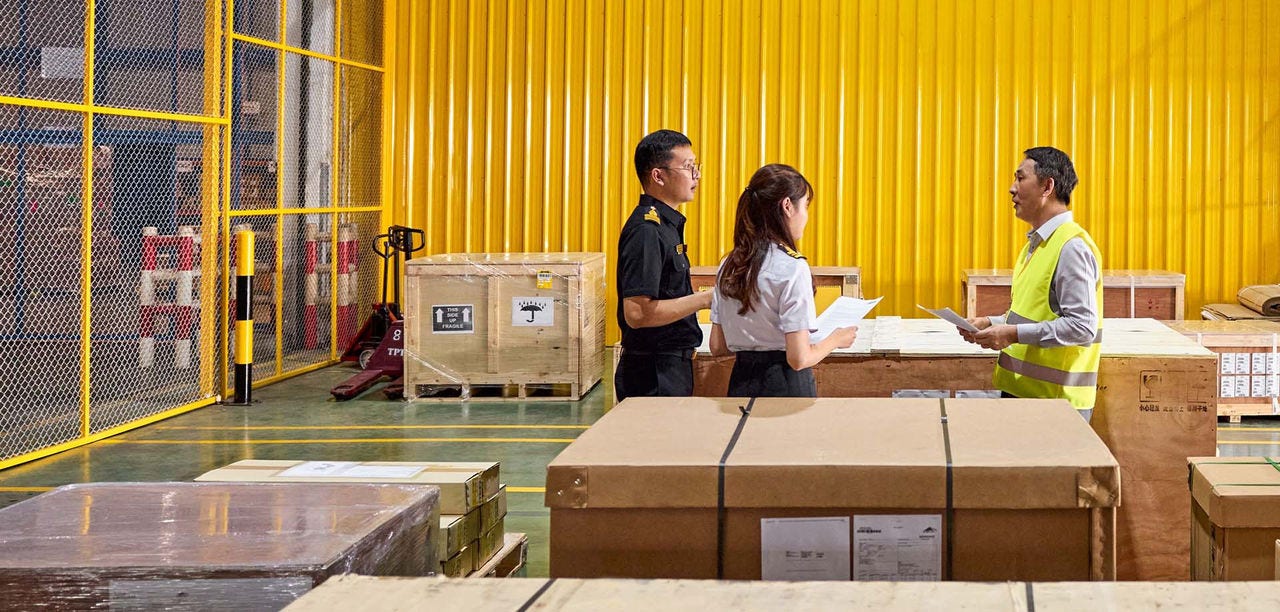
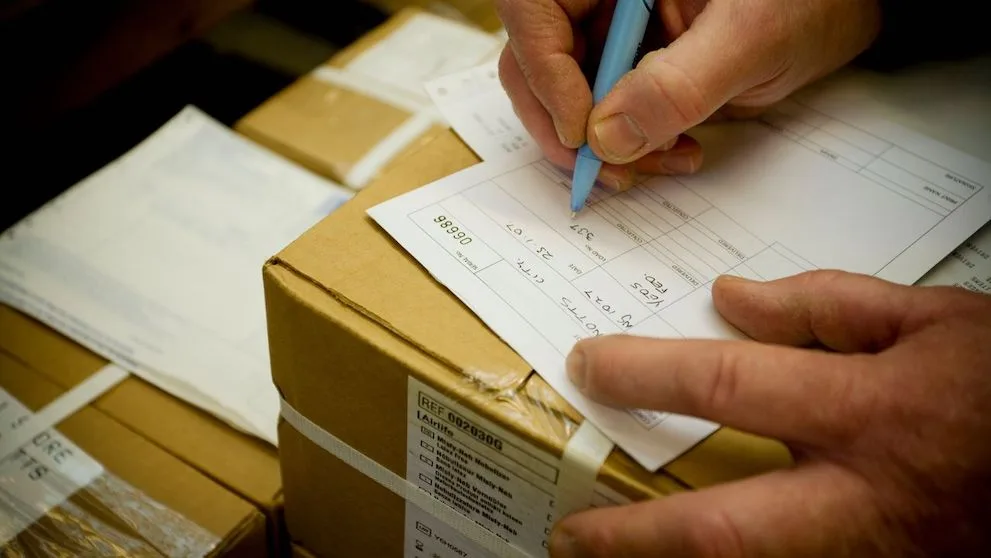
- Strict Traceability: Every medical device return must be tracked via serial or lot numbers. A clear audit trail is mandatory for regulatory bodies to ensure that used or faulty parts do not re-enter the "clean" inventory.
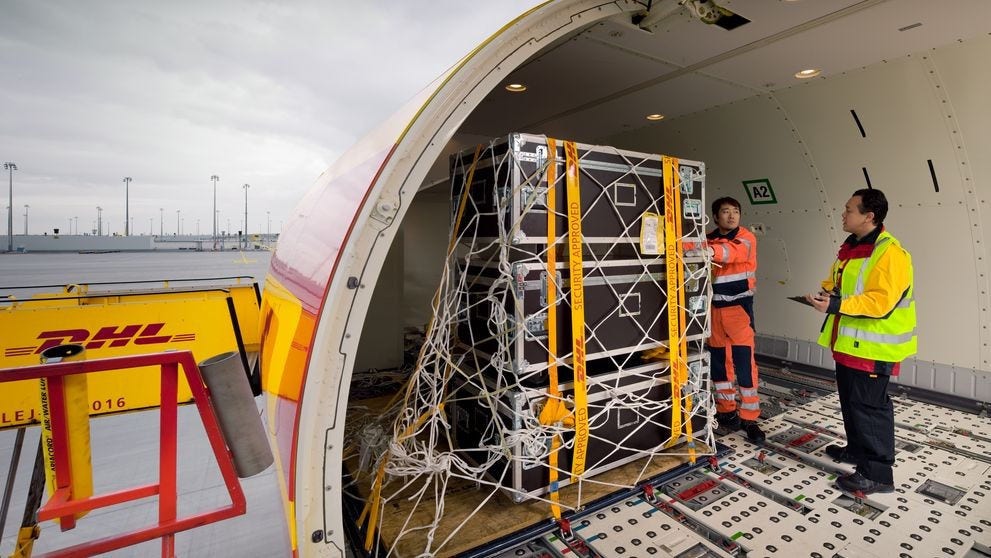
- High-Value Handling: Medical assets are frequently fragile and technologically sensitive. Medical equipment logistics challenges include protecting equipment from vibrations, tilt, and temperature fluctuations during global delivery.
Medical device returns best practices
To re-evaluate and optimize your medical device returns process, follow this checklist to ensure compliance and efficiency.
| Step | Action Item |
Authorization | Issue a clear Return Merchandise Authorization (RMA) before any device is moved to ensure tracking begins at the point of origin. |
Cleaning | Senders must provide a 'Decontamination Certificate' for any used or explanted devices to protect logistics personnel. |
Packaging | Use validated, reusable crates with shock-absorbent foam. DHL Express can provide advice on specialized packaging to prevent transit damage. |
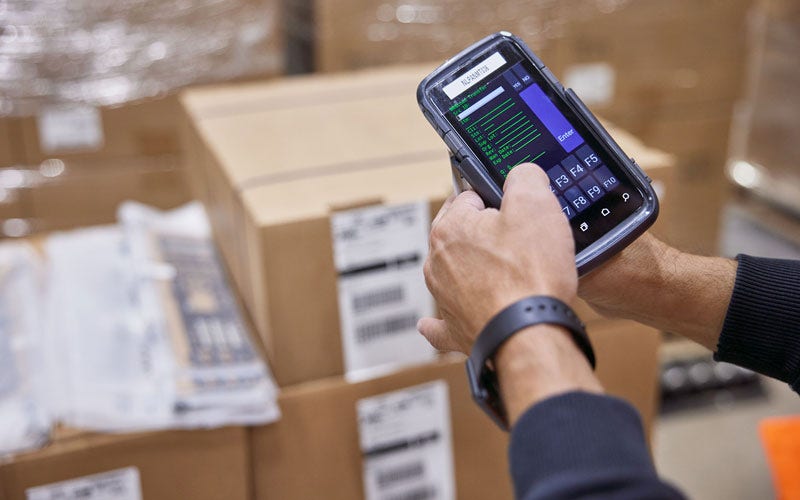
Visibility | Utilize GPS and IoT sensors for real-time tracking of high-value capital assets throughout the reverse logistics journey. |
Compliance | Ensure all shipments and documentation adhere to ISO 13485 quality management standards for medical devices1. |
How to handle medical device returns with DHL Express
When it comes to how to handle medical devices’ returns, speed and reliability are non-negotiable. DHL Express Singapore offers a seamless bridge between forward and reverse logistics, ensuring your devices spend less time in transit and more time treating patients.
Strategic Singapore hub
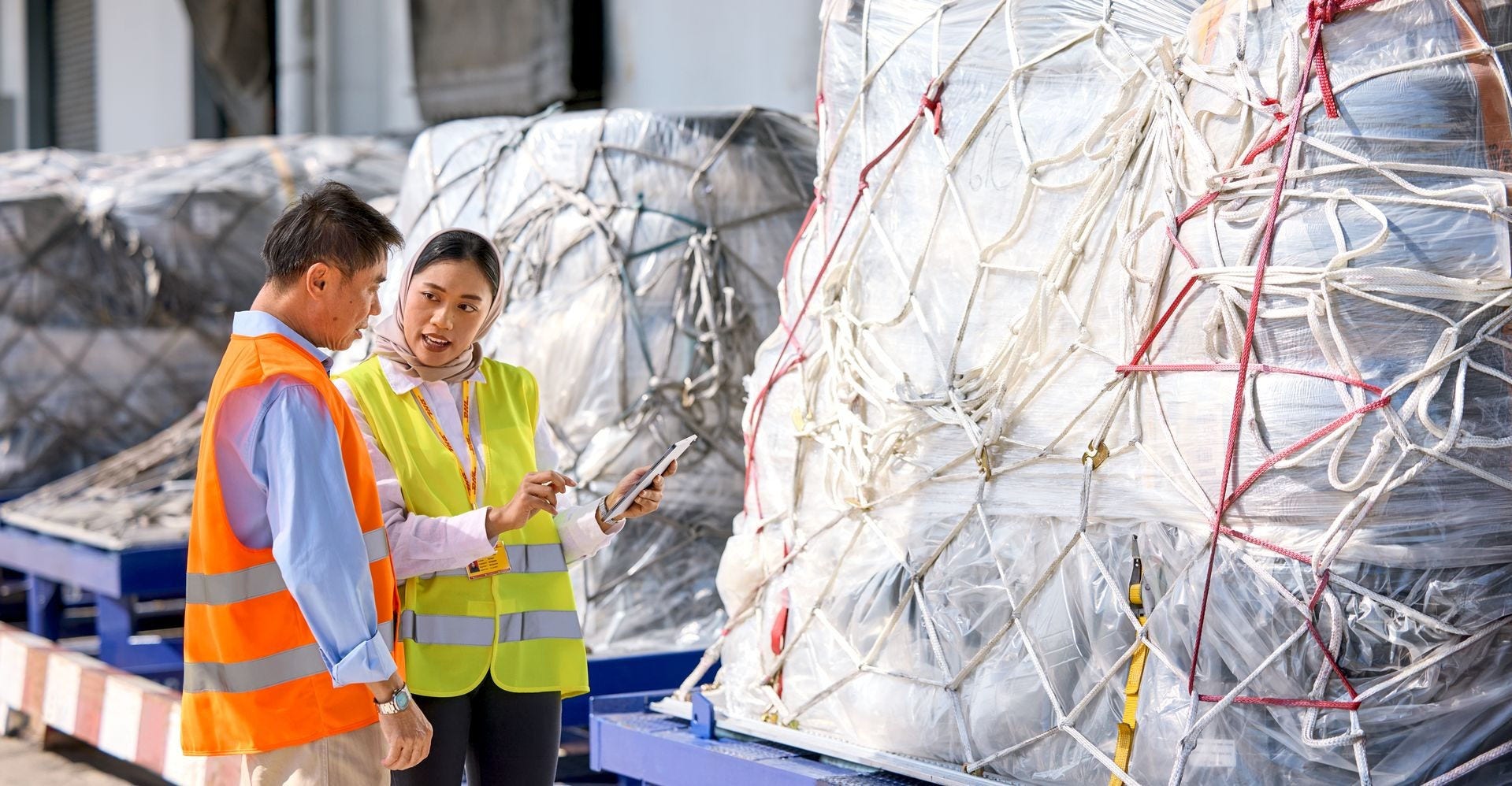
Singapore serves as a critical gateway to the Asia-Pacific region. By leveraging DHL Express Singapore, businesses can use our specialized facilities to expedite the delivery of spare parts. Our time-definite services ensure critical components are delivered to hospitals across the region with priority handling.
Medical Express (WMX) services
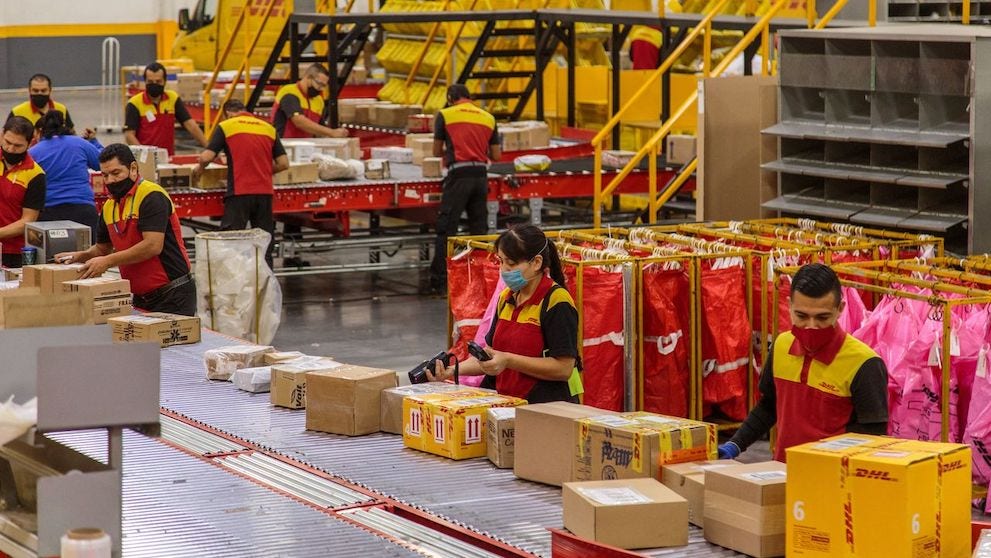
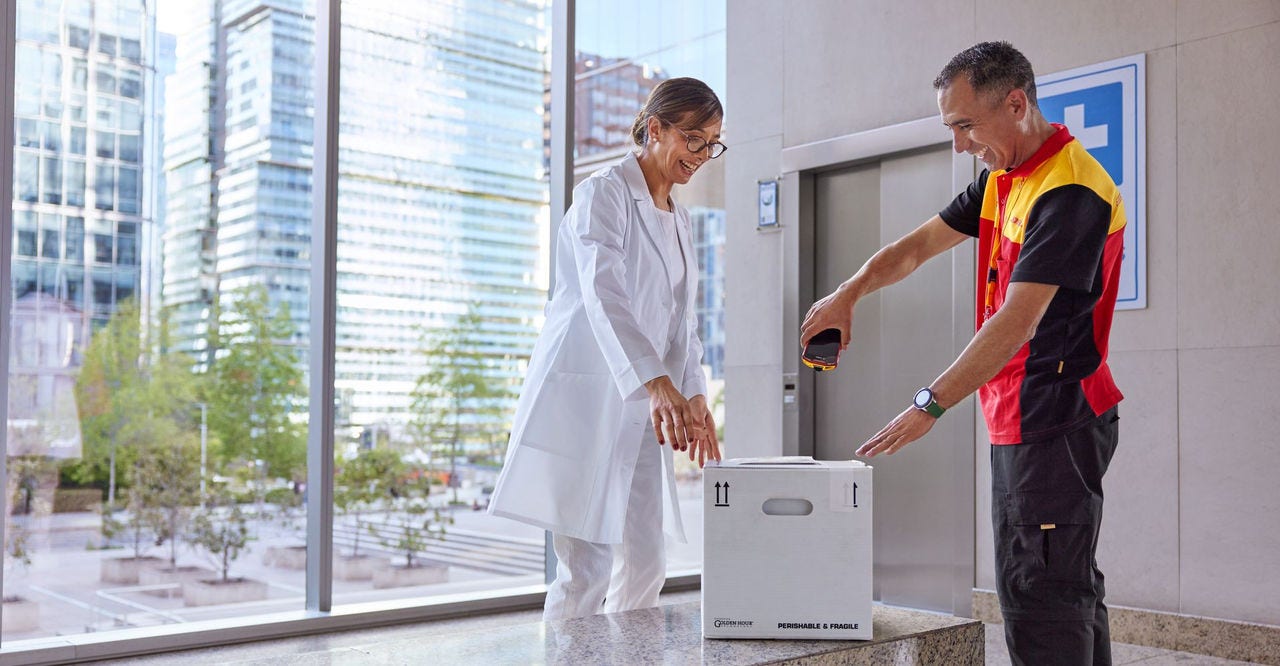
Our specialized Medical Express service is designed for the unique needs of the life sciences sector. This includes priority handling for time-critical surgical kits and life-saving components. We provide proactive monitoring and intervention, ensuring that if a delay occurs due to customs or weather, the shipment is prioritized for the next available flight.
Certified expertise and regulatory compliance
Our team is extensively trained in Good Distribution Practices (GDP) and the specific nuances of medical equipment logistics. We understand that a medical device return is not just a package, but is a critical asset that requires regulatory precision, and our expertise reflects a commitment to timely, safe delivery.
Sustainable shipping solutions
As the healthcare industry looks to reduce its carbon footprint2, DHL Express offers carbon-neutral shipping service options. In this way, MedTech companies can simultaneously manage medical device reverse logistics and advance their sustainability goals through sustainable shipping practices.
Optimize your medical equipment lifecycle
Effective medical devices aftermarket logistics is a competitive advantage. It builds trust with healthcare providers by ensuring that their equipment is always ready for patient use. By partnering with DHL Express, you gain access to a global network that treats medical shipments with the urgency and care they deserve.
Whether you are managing a global product recall or a routine surgical kit replenishment, our time-definite international services provide the speed and visibility required for modern healthcare logistics.
Ready to enhance your medical devices’ reverse logistics and improve equipment uptime?
Partner with the global leader in time-definite international shipping to ensure your medical assets are handled with precision.
Open an Account


 Share
Share
Similar Stories