- CNBC, September 2025
- Clinical Leader, October 2025
- CNA, September 2025
- The Straits Times, October 2025
- Fulcrum, January 2026
- World Pharma Today, accessed February 2026


 Share
Share
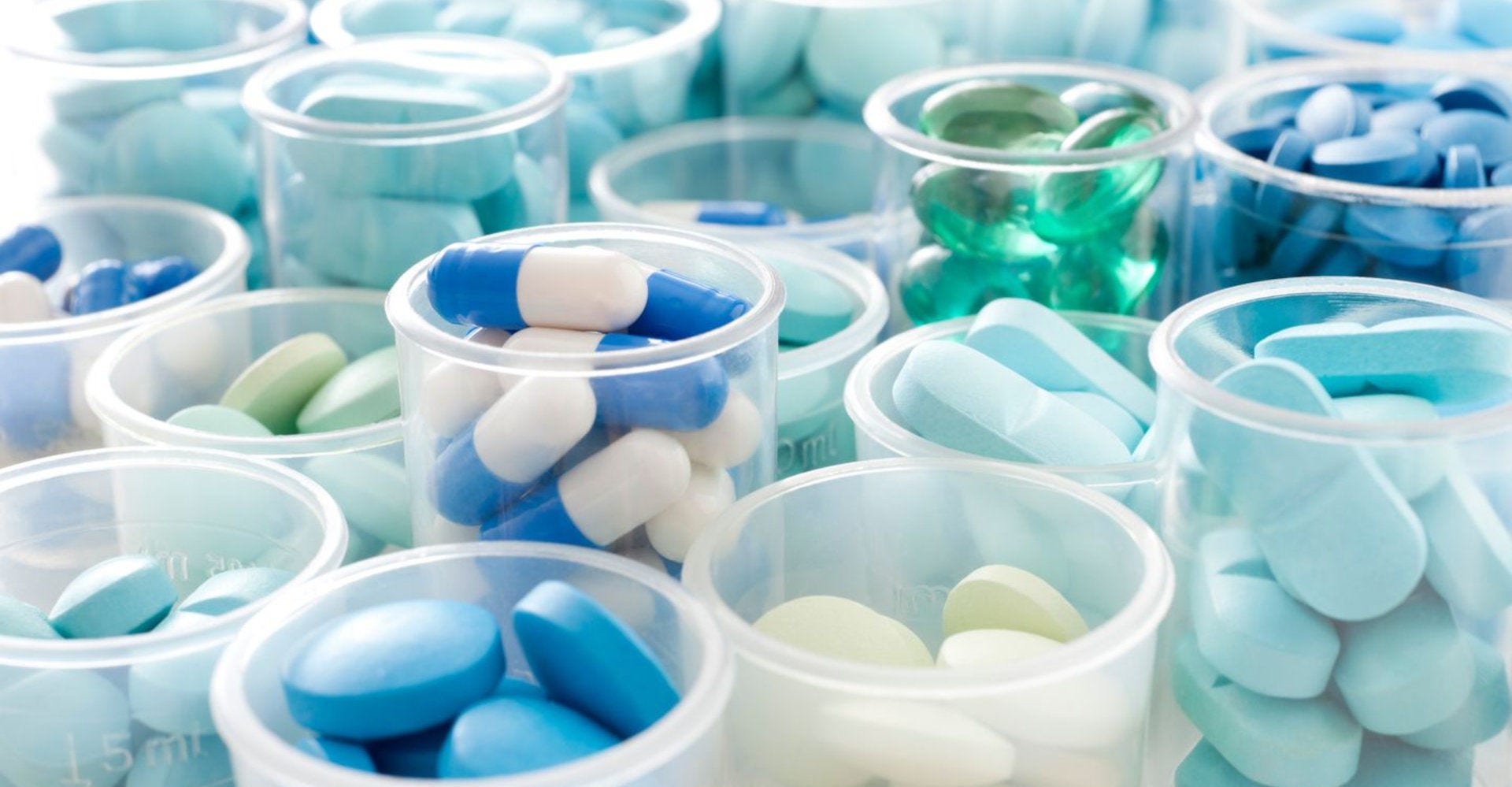
Pharmaceutical trade is facing increased policy and regulatory pressure worldwide. Changes in tariff structures, customs enforcement, and trade policy are affecting how medicines, active pharmaceutical ingredients, and clinical materials move across borders. For Singapore’s pharmaceutical industry, these shifts have a direct impact on international shipping costs, customs clearance reliability, and supply chain resilience.
This guide explains how evolving pharmaceutical tariffs and trade policy shifts affect Singapore-based manufacturers and exporters. It outlines key risks, highlights compliance considerations, and shows how strategic logistics planning can help businesses navigate pharmaceutical tariffs while maintaining efficient global shipping operations.
Pharmaceutical trade conditions shifted materially heading into 2026. While Singapore’s pharmaceutical exports showed resilience through earlier policy changes in 2025, manufacturers are now operating in a far more restrictive tariff environment.
The US has announced a 100% tariff on branded or patented pharmaceutical products entering the country1. For Singapore exporters shipping finished medicines, this marks a clear move away from cost efficiency toward resilience and compliance-driven trade planning. Pharmaceutical tariffs are no longer a marginal cost factor. They now directly influence pricing, market access, and international shipping decisions.
As pharmaceutical tariffs increase, customs classification has become a critical risk area rather than a routine administrative step. Regulatory scrutiny has intensified, and pharmaceutical shipments are increasingly assessed through national security and supply continuity lenses.
Incorrect classification can result in more than higher duties. It can lead to shipment holds, extended inspections, or disruption to the flow of active pharmaceutical ingredients. For manufacturers operating just-in-time production or supporting clinical supply chains, these delays can have immediate operational consequences.
Accurate Harmonized System classification and complete documentation are now essential to ensure smoother customs clearance and to prevent pharmaceutical shipments from being misidentified as higher-risk chemical imports.
A defining feature of the 2026 trade landscape is the divergence between branded and generic pharmaceutical products. Under current measures, many generic medicines and active pharmaceutical ingredients continue to enter the US at a 0% reciprocal tariff rate.
In contrast, branded and patented pharma products are subject to a 100% tariff unless manufacturers meet specific onshoring conditions2. This has created a clear distinction in how pharmaceutical tariffs apply across product portfolios.
For Singapore manufacturers, this split is significant. Facilities that focus on active pharmaceutical ingredients may face limited direct impact, while exporters of finished branded products must reassess pricing, sourcing, and international shipping strategies.
While tariff policy is set abroad, its impact is felt locally. For Singapore’s pharmaceutical industry, evolving tariff structures intersect directly with export volumes, shipment profiles, and customs clearance requirements.
Pharmaceutical products account for a significant share of Singapore’s exports to the US3. As a result, changes in pharmaceutical tariffs do not only affect landed costs, but also influence how supply chains are designed, how shipments are structured, and how risks are managed across borders.
In a report released by The Straits Times, under the US–Singapore Free Trade Agreement, a 10% baseline reciprocal tariff4 continues to apply to certain pharmaceutical shipments. While bilateral discussions on preferential treatment are ongoing, businesses cannot rely on short-term exemptions when planning production or export strategies.
For Singapore-based manufacturers, this reinforces the need to plan around current tariff realities and build flexibility into international shipping and customs clearance processes.
The suspension of the US$800 de minimis threshold adds another layer of complexity. Small parcels that previously entered duty-free are now subject to full customs clearance and applicable pharmaceutical tariffs.
This shift has practical implications for biotech firms and pharmaceutical manufacturers shipping samples, clinical trial kits, or research materials. Higher landed costs, additional documentation requirements, and longer clearance timelines can slow R&D workflows and increase operational overheads if not proactively managed.
As pharmaceutical tariffs reshape global trade dynamics, Singapore manufacturers need to move beyond short-term cost containment. The focus is now on structural strategies that protect market access, preserve margins, and maintain supply continuity under tighter trade controls.
One of the most significant developments in 2026 is the introduction of tariff exemptions linked to US onshoring commitments. Under this rule, pharmaceutical manufacturers may qualify for relief from the 100% tariff on branded or patented pharma products if they commit to building manufacturing capacity in the US2.
This exemption applies not only to fully operational plants, but also to projects that have broken ground or are already under construction. For large manufacturers, this creates a clear incentive to align long-term production plans with US market access requirements.
For Singapore-based companies, the decision is not purely about relocation. It is about evaluating whether partial manufacturing, packaging, or finishing operations in the US can help mitigate pharmaceutical tariffs while keeping core R&D and high-value processes in Singapore.
Another emerging response is the use of a twin hub operating model. Under this strategy, companies continue to anchor research, development, and regulatory expertise in Singapore, while diversifying component sourcing or secondary manufacturing across the region.
The Johor–Singapore Special Economic Zone (JS-SEZ) is increasingly viewed as a complementary extension of Singapore’s pharmaceutical ecosystem5. It offers opportunities for lower-cost production, packaging, or assembly activities while maintaining proximity to Singapore’s infrastructure, talent, and regulatory environment.
For exporters serving the US market, this regional diversification can help offset higher pharmaceutical tariffs by improving cost efficiency upstream, while preserving quality control and compliance standards required for international shipping.
Not all pharmaceutical shipments are intended for permanent import. Clinical trial materials, samples, and products destined for re-export may qualify for duty recovery or drawback mechanisms.
To take advantage of these opportunities, companies need accurate shipment data, clear visibility over product movement, and robust documentation processes. Advanced analytics can help identify which shipments qualify as temporary admissions and ensure tariffs are reclaimed where possible.
For Singapore pharmaceutical firms, this approach reduces unnecessary duty leakage and supports better cash flow management, especially as the removal of de minimis thresholds increases the number of shipments subject to customs clearance and tariffs.
As pharmaceutical tariffs and trade policy tighten, logistics execution becomes just as critical as strategic planning. Even well-structured tariff mitigation strategies can break down if shipments are delayed, misclassified, or exposed to temperature excursions during transit.
In 2026, pharmaceutical shipments are subject to longer and more frequent customs inspections, particularly for branded products and sensitive active pharmaceutical ingredients6. These inspections are often driven by heightened regulatory oversight and national security considerations.
Extended holding periods increase the risk of temperature deviation, especially for biologics, vaccines, and other cold-chain dependent products. Delays at airports or customs facilities can quickly compromise shipment integrity if logistics timelines are not tightly controlled.
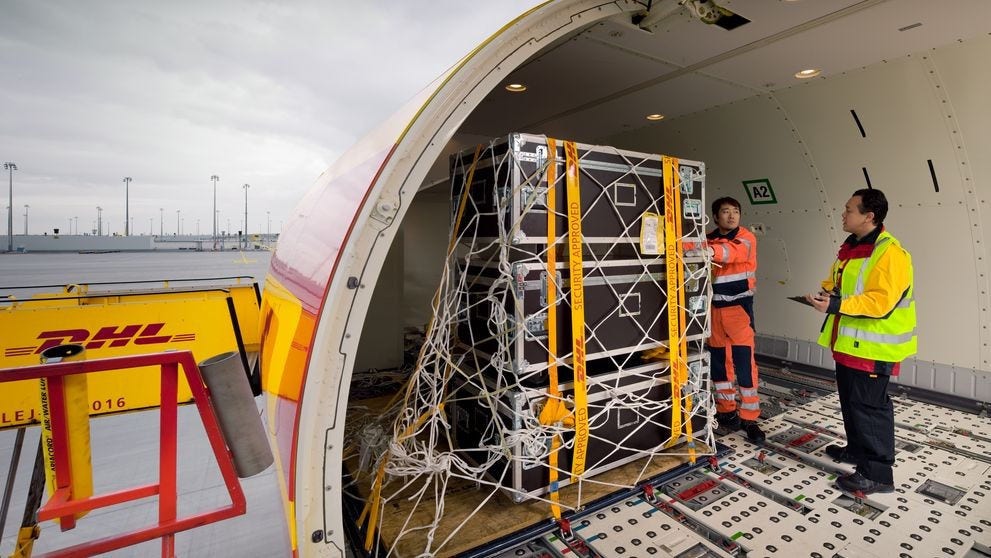
Priority express air shipping helps reduce these risks by shortening transit windows and limiting exposure during clearance. Faster handoffs and fewer touchpoints give pharmaceutical shipments a better chance of maintaining required temperature ranges while undergoing regulatory checks.
Beyond physical shipment risks, higher pharmaceutical tariffs also place pressure on cash flow. Paying duties upfront on large or high-value shipments can tie up capital long before products reach patients or markets.
Bonded warehousing offers a practical way to manage this exposure. By storing pharmaceutical goods in bonded facilities within America, duties and tariffs can be deferred until the products are formally released for sale or distribution. This approach allows companies to align duty payments more closely with revenue realization.
For Singapore pharmaceutical businesses, bonded warehousing also adds flexibility. Inventory can be held, redirected, or re-exported without immediately triggering tariff costs, provided documentation and tracking are properly maintained. When combined with accurate inventory controls, this strategy supports smoother customs clearance while preserving financial flexibility in a high-tariff environment.
Whether shipments move directly to market or through bonded facilities, accurate classification remains fundamental to every mitigation strategy. As tariff rates diverge between branded medicines, generics, and chemical inputs, even small classification errors can carry significant consequences.
Pharmaceutical products classified under HS code 3004 require precise subheadings and detailed product descriptions. Misclassification can result in incorrect duty assessments, shipment holds, or escalation for further regulatory review. In the current trade climate, documentation inconsistencies are more likely to trigger delays rather than be corrected informally.
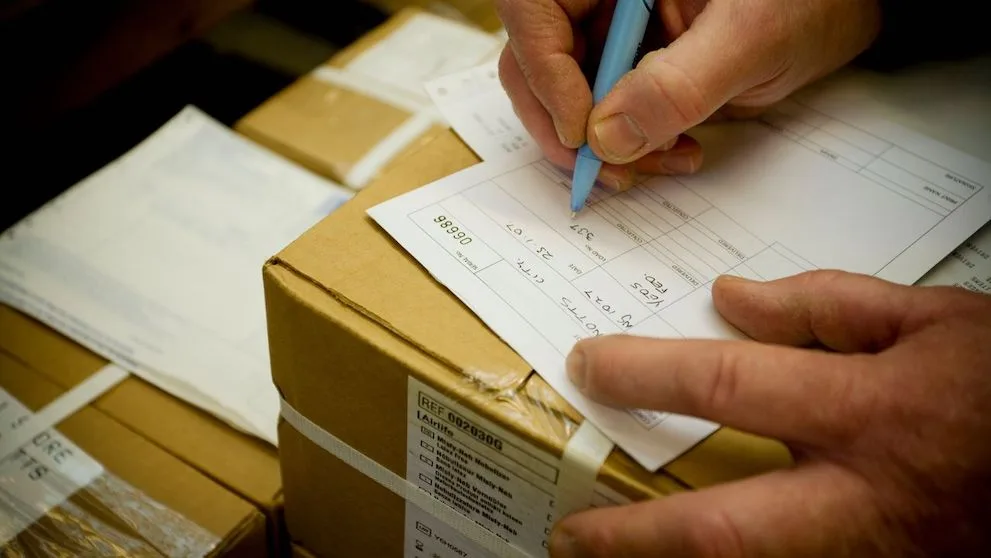
To support reliable customs clearance, pharmaceutical companies must ensure that product data is accurate, consistent, and aligned across commercial invoices, regulatory filings, and logistics systems.
As pharmaceutical trade becomes more regulated and tariff-sensitive, logistics can no longer be treated as a downstream function. Speed, data accuracy, and regulatory readiness now play a direct role in protecting product integrity, maintaining compliance, and controlling landed costs.
DHL Express supports Singapore pharmaceutical manufacturers and exporters with specialised logistics capabilities designed for high-risk, high-value shipments operating under tighter trade conditions.
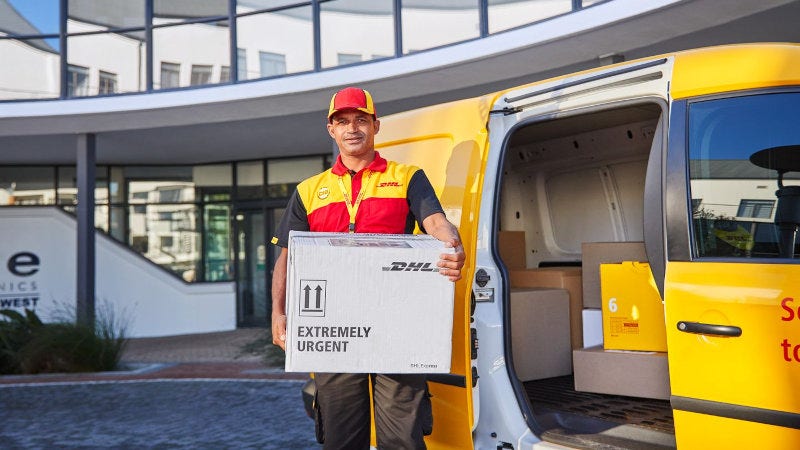
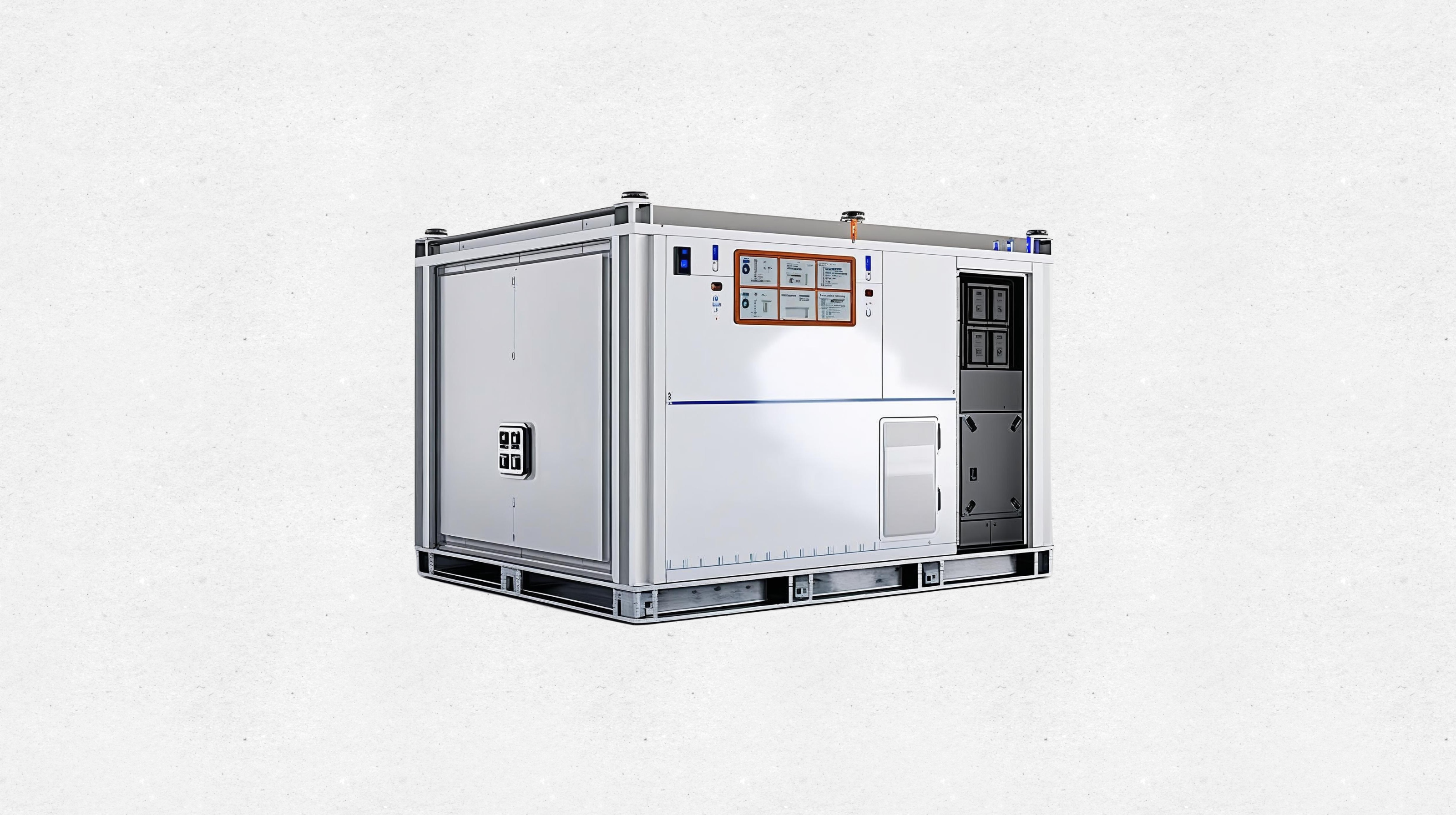
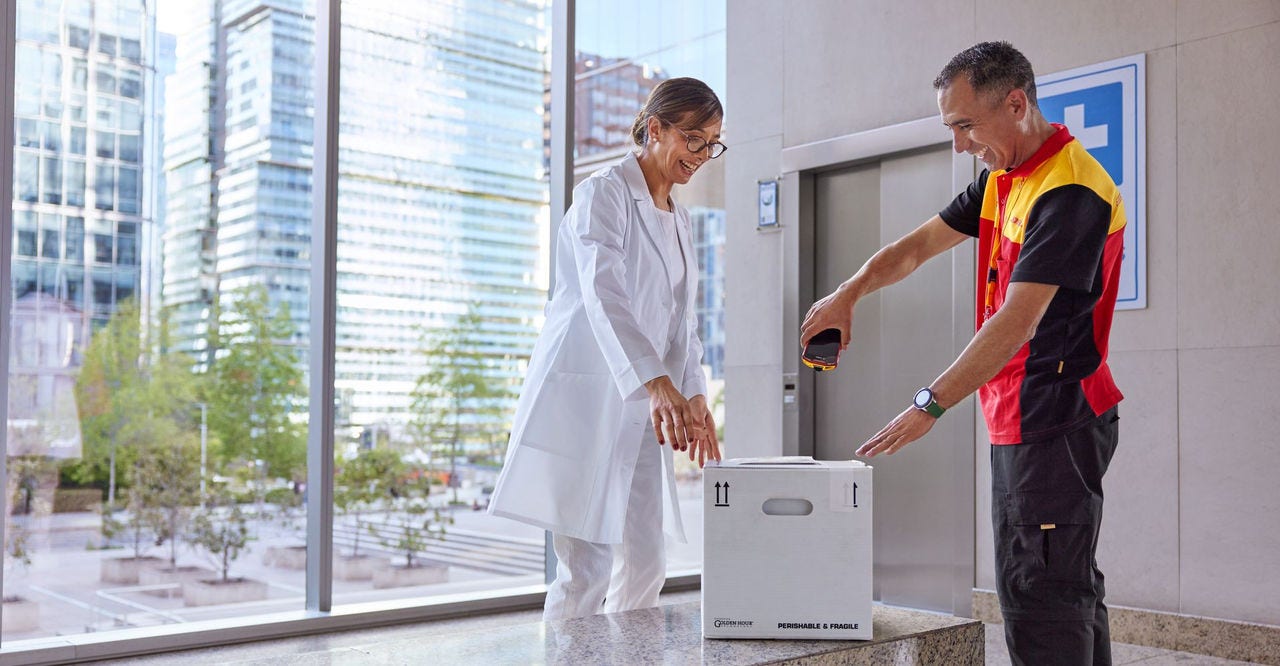
DHL Express Medical Express (WMX) is designed specifically for healthcare and life sciences shipments. It combines priority handling with predefined temperature management protocols to support medicines, biologics, and clinical materials that require strict control throughout transit.
By shortening end-to-end transit windows and reducing handover points, WMX helps minimize the risk of cold-chain drift during customs checks, airport congestion, or regulatory holds.
As customs classification and documentation accuracy become higher-risk areas, automation plays a growing role in compliance management.
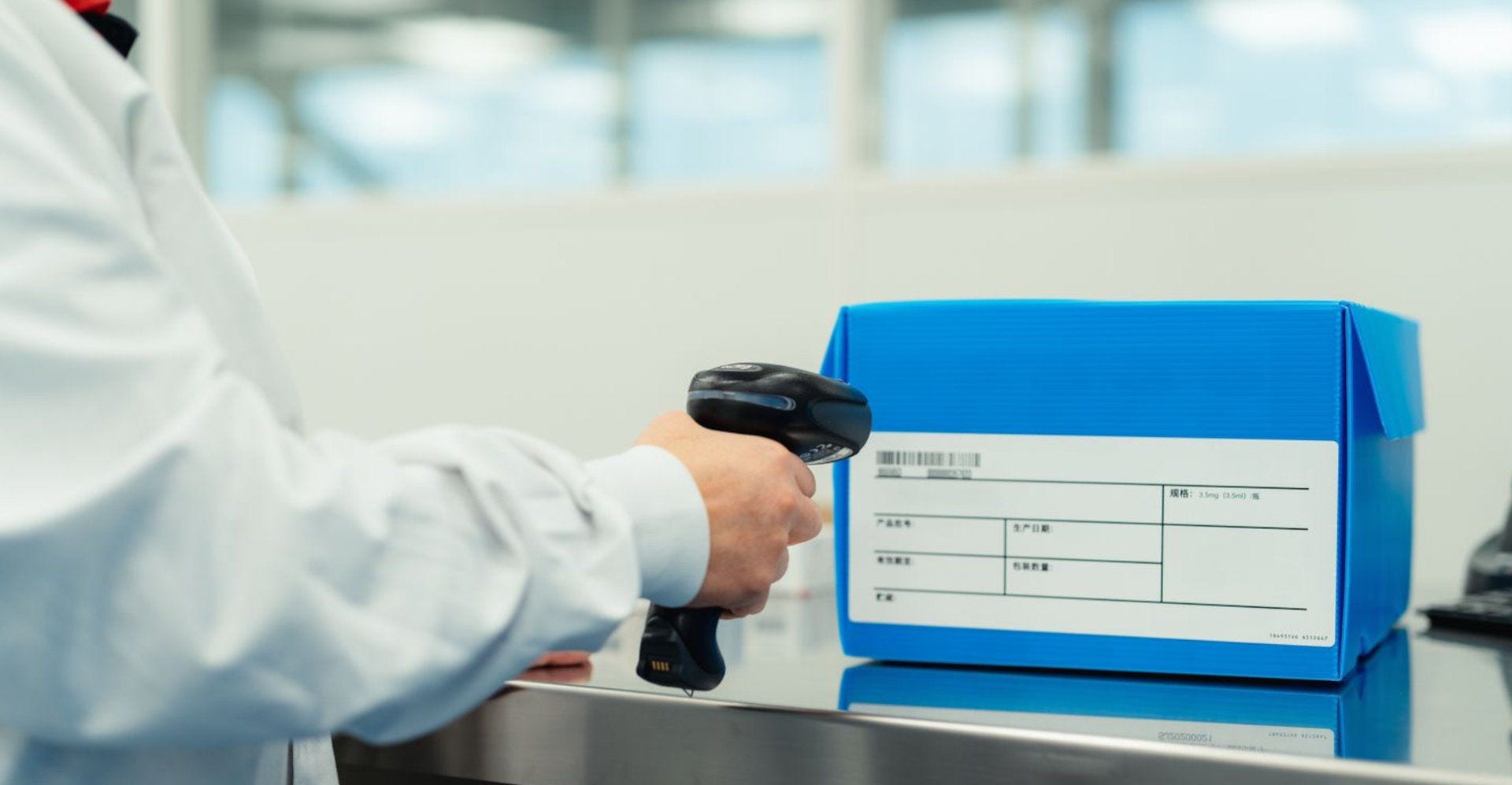
DHL’s My Global Trade Services (MyGTS) platform helps businesses prepare more accurate commercial invoices and shipping documentation. It supports correct Harmonized System classification, integrates certificates of origin, and assists with regulatory requirements such as FDA Affirmation of Compliance codes.
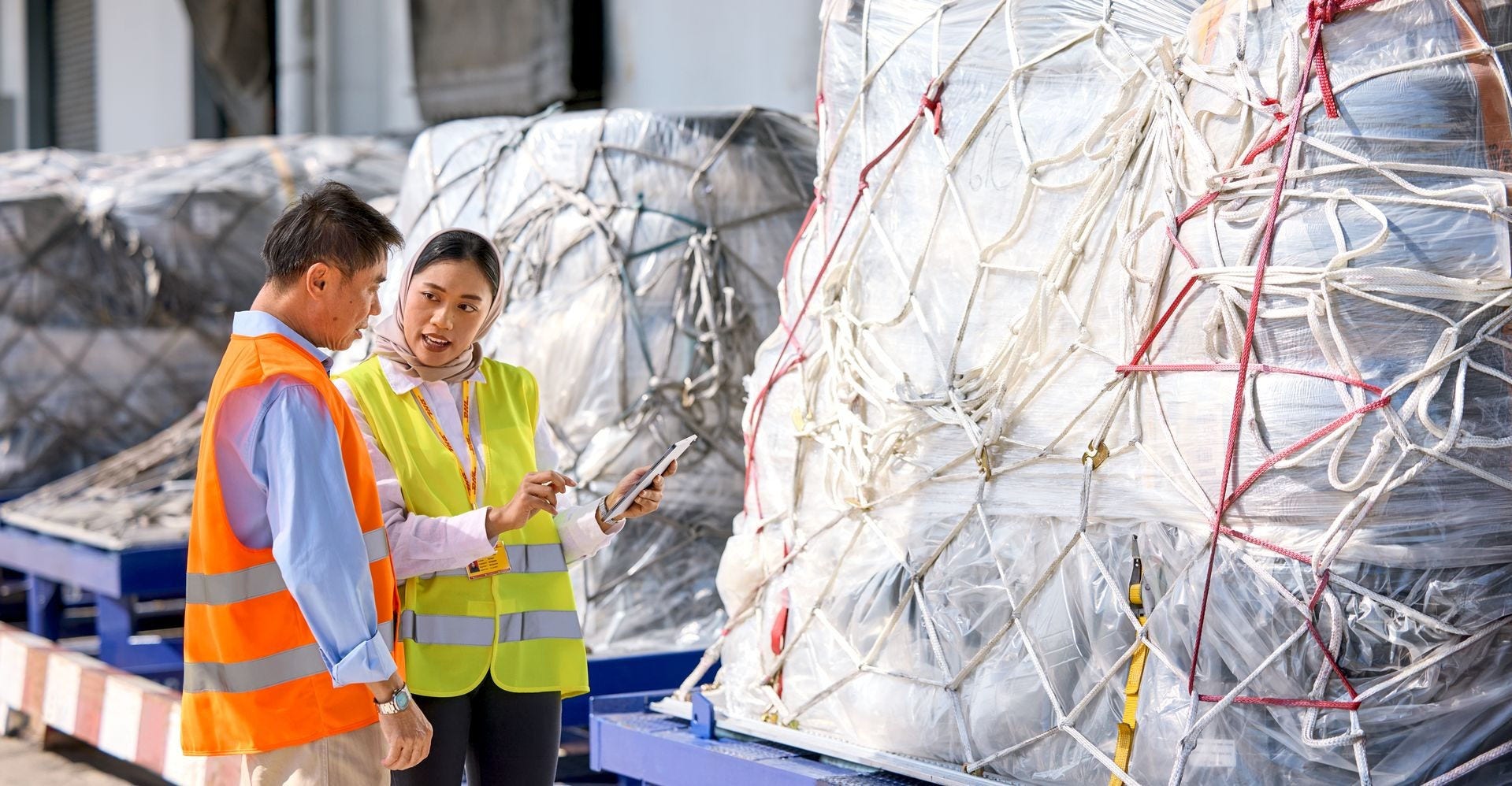
Traditional bulk shipping lanes are increasingly vulnerable to congestion, inspection backlogs, and schedule disruptions. For pharmaceutical shipments, these delays can carry disproportionate operational and financial risk.
DHL Express operates a dedicated global air network, providing more predictable capacity and transit times across major trade lanes. This reliability allows pharmaceutical companies to plan replenishment cycles with greater confidence, reduce reliance on large buffer inventories, and maintain continuity even as trade conditions fluctuate.
In addition to trade compliance, pharmaceutical companies face growing pressure to meet sustainability and emissions reporting obligations.
DHL Express GoGreen Plus enables businesses to reduce the carbon footprint of international shipping through the use of sustainable aviation fuel. This supports Scope 3 emissions reporting while allowing companies to continue shipping through high-compliance, high-tariff markets without compromising speed or reliability.
Pharmaceutical trade in 2026 is shaped by tighter tariffs, stricter enforcement, and rising expectations around compliance and supply chain resilience. For Singapore-based manufacturers and exporters, navigating pharmaceutical tariffs is no longer a matter of managing costs alone. It requires a coordinated approach that brings together accurate classification, informed trade planning, and reliable international logistics.
Businesses that treat trade policy as a strategic consideration rather than a reactive obligation will be better positioned to protect margins, maintain market access, and ensure continuity across global shipping operations. With the right planning and logistics support, pharmaceutical companies can continue to ship globally with confidence, even as trade conditions evolve.
Open a DHL Express business account today and access expert support for pharmaceutical shipping and customs clearance in a complex global trade environment.
Open a business account
Share