#LogisticsAdvice


 Share
Share
Medical device classes: Global shipping tips for Singapore-based exporters
5 Mins Read
Share
Medical technology is moving toward a more digitized and regulated future. For businesses in Singapore, success in this market requires more than just clinical excellence; it demands a deep understanding of how regulatory data influences the supply chain. Medical device classification is the primary data field that dictates your success with modern digital customs systems.
This tiering process is not merely a lab task. In the current trade environment, the risk class assigned to a product determines everything from required documentation to the level of border scrutiny. Incorrectly identifying medical device classes can trigger automated inspections that delay time-sensitive shipments. To maintain a competitive edge, medical device exporters must bridge the gap between regulatory jargon and logistics reality, ensuring that every piece of equipment is correctly categorized before it enters the global network.
How Singapore classifies medical devices: The HSA framework
In Singapore, the Health Sciences Authority (HSA) oversees the classification rules to ensure public safety. This framework, known as GN-131, uses a 16-rule system based on device invasiveness, duration of contact with the body, and whether the device is "active," powered by an external energy source. By applying these rules, the system assigns a risk level to every product.
Medical Device Classification
The medical device classification categories are divided into four distinct tiers:
- Class A (Low Risk): This includes items like bandages, tongue depressors, and wheelchairs. While these are often registration-exempt, they must still be listed on the Class A database before you consider shipping overseas from Singapore.
- Class B (Low-Moderate Risk): This category covers items such as hearing aids and hypodermic needles.
- Class C (Moderate-High Risk): More complex equipment, like ventilators, orthopedic implants, and X-ray machines fall here.
- Class D (High Risk): This represents the highest tier, including life-sustaining devices like heart valves and pacemakers.
Beyond standard devices, separate rules apply to In Vitro Diagnostics (IVD) under GN-142. For example, a simple pregnancy test is considered a Class B IVD, whereas an HIV blood test kit is ranked as Class D due to the high risk associated with a false result. To optimize the application of the HSA medical device classification rule3, exporters can use "Product Grouping" (GN-12). This allows related items, such as a "Family" or a "System" of devices, to be registered together, significantly reducing both administrative and customs costs.
Cross-border context: The US FDA classification system
When your business strategy involves shipping from Singapore to the USA, you must reconcile local rules with the US medical device classification system. Unlike the rule-based approach in Singapore, the US FDA medical device classification process4 relies heavily on "Substantial Equivalence." This means a new device is often compared to a "predicate" device already legally on the market to determine its risk profile.
The FDA identifies three main tiers:
- Class I Medical Device: These are considered low-risk and are subject to "General Controls." Examples include manual stethoscopes and medical gloves. Most Class I medical devices are exempt from premarket notification, but still require proper labeling and facility registration.
- Class II Medical Device: This tier involves moderate risk and typically requires a 510(k) premarket notification. Items such as infusion pumps or surgical drapes are common Class II medical device examples that must prove they are as safe and effective as a predicate.
- Class III Medical Device: High-risk or life-sustaining products, such as replacement heart valves, are subject to Class III medical device regulations. These require Premarket Approval (PMA), the most stringent FDA device classification pathway, which involves extensive clinical data.
A significant advantage for Singaporean exporters is the HSA abridged route medical device evaluation. If your product already has FDA approval, the HSA allows for a shortened local registration process. This abridged evaluation can reduce local registration time, enabling you to move from the warehouse to the customer more quickly.
Impact of classification on your 2026 logistics
Correct medical device classification acts as a passport for your goods. In the current logistics landscape, precision in this area is vital because risk classes must align perfectly with Harmonized System (HS) Codes. A high-risk Class D device misdeclared under a Class A HS code will likely trigger fraud audits and "Red Lane" inspections, which can be devastating for electronics or biologics that require healthcare logistics with strict climate control.
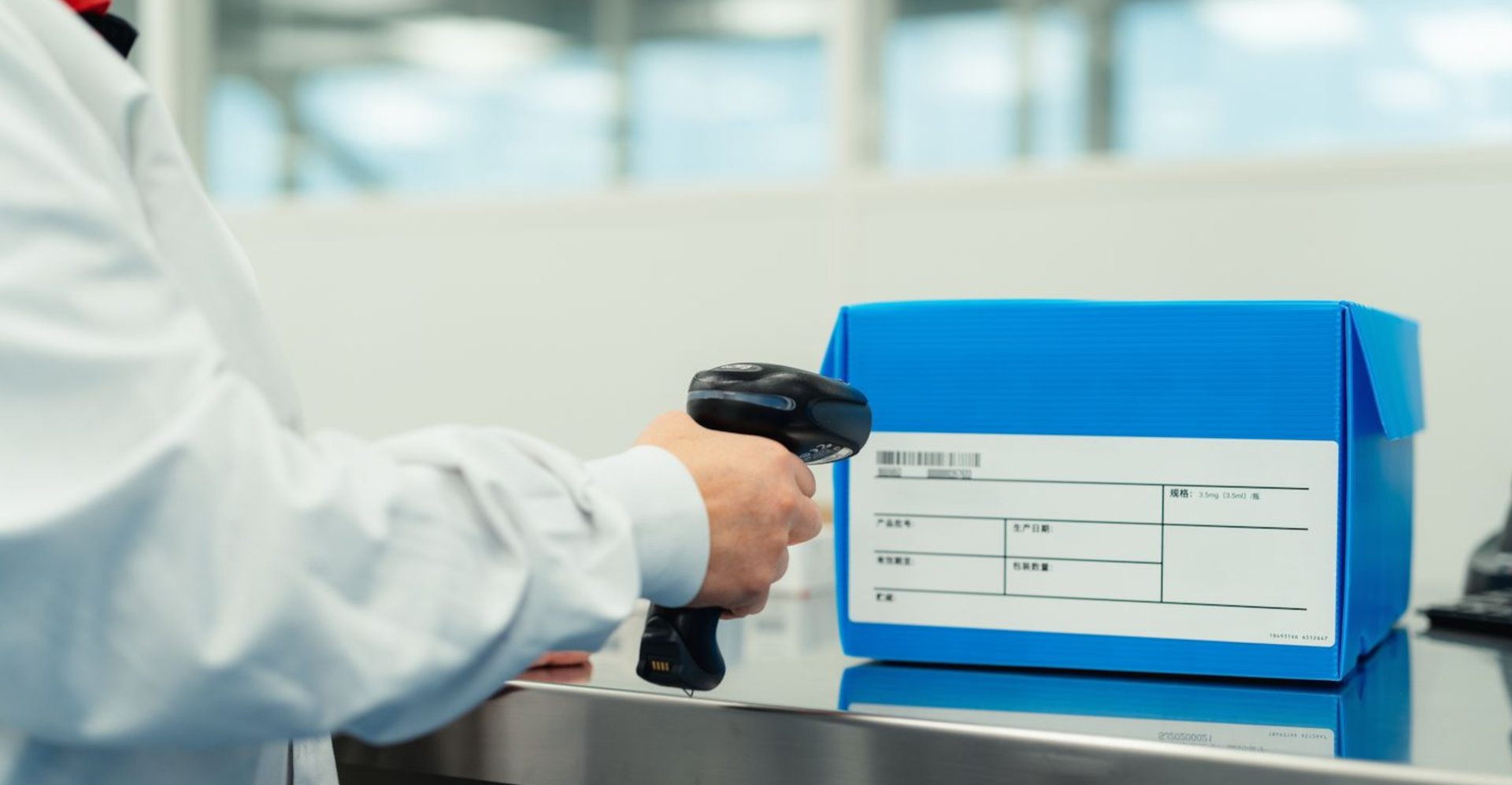
Automation has also changed the way customs authorities operate. For Class II or Class III devices, scannable Unique Device Identification (UDI) codes are now a standard requirement on shipping labels to enable automated verification.
Furthermore, classification dictates the shipment's physical handling requirements. High-risk electronics are often highly shock-sensitive, requiring specialized absorbent packaging and active temperature monitoring to ensure the device remains functional upon arrival. By integrating your regulatory data with your shipping strategy, you prevent the technical errors that lead to seized cargo or compromised product integrity.
Shipping smart with DHL Express healthcare solutions
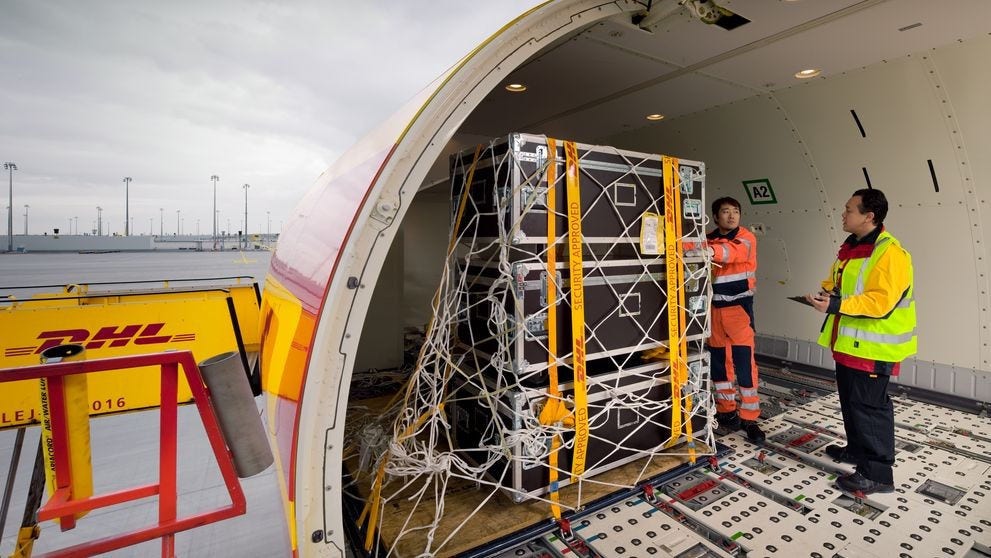
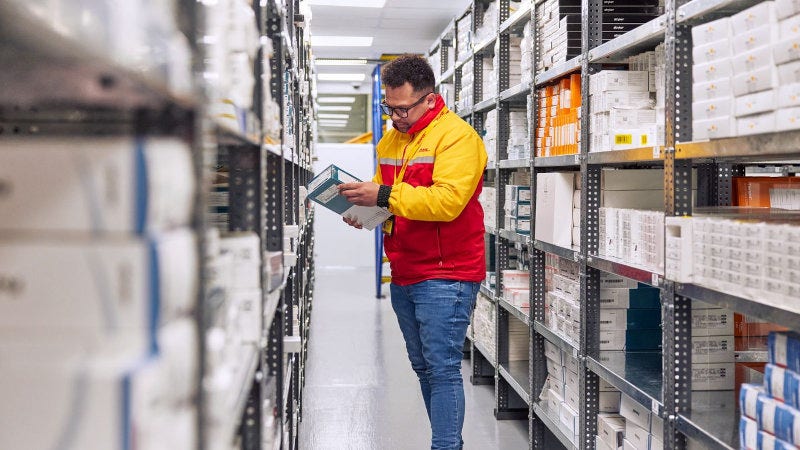
Navigating the complexities of FDA medical device classes and Singaporean regulations is easier with a partner that understands the high-stakes nature of the industry. DHL Express ensures that high-risk devices and spare parts, which may be critical for upcoming surgeries or medical exams, are moved through the global network with the highest level of urgency.
To further streamline the process, exporters can utilize Paperless Trade (PLT). This feature allows you to digitally attach HSA Export Certificates and FDA Affirmation of Compliance (AofC) codes to your shipment records. By providing this data electronically, your products can be pre-cleared by customs authorities before the aircraft even touches the ground. This synergy between regulatory compliance and digital logistics reduces the "dwell time" at borders, which is essential for maintaining cold-chain integrity.
Moreover, DHL Express maintains a network of facilities that are ISO 13485 and GDP (Good Distribution Practice) certified. This means that whether you’re shipping a Class I medical device or a life-saving Class III implant, your goods are handled in an environment that meets the healthcare industry's rigorous quality standards. These specialized facilities in Singapore and the US provide a seamless bridge for exporters looking to scale their global footprint.
Future-proof your 2026 export strategy with precise classification
In today's trading environment, the risk class assigned to your medical device is its primary identifier. Getting this classification right at the start is the only way to avoid the automated hurdles of the global supply chain and ensure your innovations reach the patients who need them. Whether you’re navigating the 16 rules of the HSA or the predicate-based tiers of the FDA, your regulatory strategy must be the foundation of your logistics plan.
By aligning your device's class with specialized shipping solutions, you protect both your brand reputation and your bottom line. Don't let a simple classification error hold your business back from the global stage.
Ready to turn regulatory compliance into a competitive advantage for your medical exports?
Open a DHL Express business account
Share
Similar Stories