For businesses in Singapore looking to tap into the US market, understanding the customs regulations and shipping procedures is paramount to ensure a smooth and efficient export process, avoiding costly delays.
This guide provides updated information for 2026 on the key import documents, e-commerce requirements, and customs rules for various goods when shipping from Singapore to the USA.
Key Import Documents Necessary
Accurate and complete documentation remains crucial for successful customs clearance. Ensure you have the following:
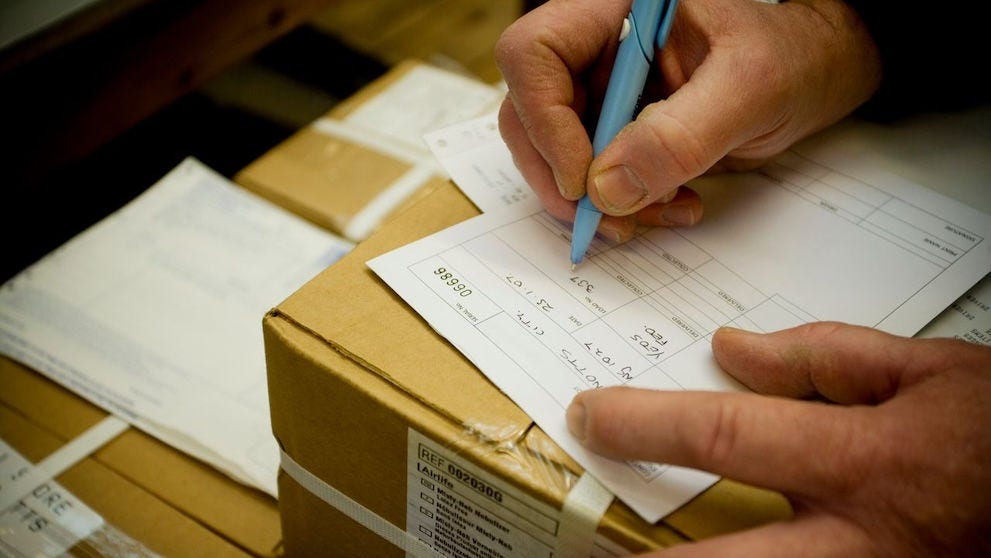
- Waybill: With a comprehensive and precise description of the goods being shipped.
- Commercial Invoice: This must clearly itemize all costs separately, including:
- Goods Value
- Freight charges
- Insurance costs
- Specify the number of original copies required and any specific signature requirements.
- Permits: Depending on the nature of the goods and relevant agency requirements. For instance, shipments involving animal products may still require Fish and Wildlife Service (FWS) permits.
- Licenses: Necessary for commodities intended for defense and military use.
- Required Certificates: For claiming benefits under Free Trade Agreements and for Returned Goods.
Important Note: Regulations and specific documentation requirements can evolve. It is always advisable to verify the latest requirements with the relevant US authorities (e.g., Customs and Border Protection) or your chosen shipping provider before preparing your shipment.
Key Import Updates for Businesses
Businesses shipping to the USA should be aware of these updated import requirements:
OVERVIEW OF IMPORT REGULATIONS TO THE US | |
| General Duty Rate (GDR) | Rate varies according to product classification (HTSUS). |
| Section 301 | For China-made products. Rate varies according to product classification - most products are subject to 7.5% to 25%, but some are higher (up to 100%). |
| IEEPA | As of 24th February 2026, all IEEPA-based tariffs are no longer collected. Includes: IEEPA Opioid; IEEPA Reciprocal; IEEPA Additional. |
| Section 232 | Autos, auto parts, Medium-and heavy-duty vehicles (MHDVs), and Medium-and heavy-duty vehicle parts (MHDVPs): 25% for all countries with the following exceptions: 1)For Canada and Mexico: parts that qualify for the United States-Mexico-Canada Agreement (USMCA) are exempted, 2)UK parts 10% (including GDR) , 3)Parts from EU, Japan, and South Korea: 15% minus GDR (for products with a GDR <15% , and 0% for products with GDR ≥15%). Steel, Aluminum and Copper products and derivatives: 50% (UK 25%, RU aluminum 200%); EU products listed in Annex I of the Notice Implementing the US-EU Framework Agreement are exempted from Section 232 tariffs on steel, aluminum, and auto/auto parts. Timber, Lumber, and derivative products: 10% (softwood timber/lumber), 25% (upholstered wooden products – 30% from January 1, 2027), 25% (kitchen cabinets and vanities, including parts – increasing to 50% on January 1, 2027). Imports from UK are subject to 10%, and imports from EU, Japan, and South Korea are capped at 15% including GDR (for products with a GDR <15% , and 0% for products with GDR ≥15%). Semiconductors, semiconductor manufacturing equipment and derivative products: 25% on imports of certain advanced computing chips and certain derivative products listed in the Annex. Certain exemptions apply. |
| Section 122 | Effective February 24, 2026, and will remain in effect for 150 days (July 24, 2026) 10% import tariff on all imported goods, regardless of their value or country of origin. This applies in addition to the applicable GDR. Details of the exemptions to this tariff are described in Annex I and Annex II of the Proclamation. |
| De Minimis | Not available for any country from 29 August 2025. Read more here. |
| Informal Entry | Shipments valued from US$1 to US$2,500
|
| Formal Entry | Shipments valued above US$2,500
|
| E-commerce Returns | When processing returns, providing the original export details, such as the House Waybill (HWB) number and the date of export, is essential for efficient processing. |
| Mandatory eFiling for Certificates of Compliance | Effective 8th July 2026, the U.S. Consumer Product Safety Commission (CPSC) is implementing a mandatory electronic filing (eFiling) requirement for Certificates of Compliance (CPC/GCC) for all regulated finished consumer products imported into the United States.
|
*Applicable duties may include: 1. General duty rate, 2. Section 301 duties (China), 3. Section 232, 4. Applicable Sec 122 duties
**Other charges may apply, e.g. Customs Merchandise Processing Fee (MFP): Formal entries of 0.3464% of the value, with a minimum of $32.71 and a maximum of $634.62. Informal entries $1.34.
Important Note: Customs regulations are ever changing. You can visit https://www.dhl.com/global-en/microsites-2-0/core/us-tariffs.html for the latest US regulatory updates.

Urgent shipping to the US? Ship with a business account today.
Enjoy up to 70% off on shipping with a corporate, and receive exclusive perks from dynamic shipping discounts to real-time tracking updates.
Request a business account
Customs Rules for the USA
The following are key customs considerations for common goods imported into the USA. Always refer to the official CBP website (https://www.cbp.gov/travel/us-citizens/know-before-you-go/prohibited-and-restricted-items) for the most up-to-date and comprehensive list of prohibited and restricted items.
Things to know about shipping to USA | |
| Antiques and Works of Art |
|
| Chemical and Non-Hazardous Goods |
|
| Cosmetics |
|
| Drugs (in pharmacy with or without prescription) |
|
| Eyeglasses & Contact lenses |
|
| Fabrics |
|
| Foodstuff (including grain) | Regulations for food imports remain stringent.
|
| Medical / Dental Supplies & Equipment |
|
| Mobile Phones, Accessories, and Components |
|
| Motor Vehicles and Parts |
|
| Personal Effects |
|
| Plants, Animals, and Their Products and By-products |
|
| Tobacco and Tobacco Products |
|
| Trading Cards |
|
Shipping Process from Singapore to the US
The fundamental steps for shipping remain consistent:
- Create a DHL Express Air Waybill (AWB).
- Prepare a shipping invoice.
- Pack your shipment securely.
- Schedule your shipment collection.
DHL's MyDHL+ continues to streamline this process, allowing you to manage all these steps on a single platform.
Important Notes:
- For all shipments entering the US valued over US$2,500, providing the consignee's or importer's phone number and email address on both the invoice and AWB is still mandatory.
- If an individual Harmonized Tariff Schedule (HTS) item is valued over US$2,500 (Canada remains exempt) or requires a US export license regardless of value, an Electronic Export Information (EEI) filing with US customs authorities is still necessary.
- If DHL completes the EEI filing and the shipment transitions to an Import Express account, a Power of Attorney (POA) from the foreign buyer (receiver) will still be required.
- PO Box, APO, and FPO addresses are still not permitted for shipments to the USA.
- The authorization for importing goods of Iranian origin (foodstuffs for human consumption, carpets, and textile floor coverings/wall hangings) remains in place.
Benefits of Shipping to the USA with DHL Express
Utilizing DHL Express for your shipments from Singapore to the USA continues to offer several advantages:
- Extensive global network covering over 220 countries and territories.
- Simplified door-to-door shipping services for parcels of all sizes, including last-mile delivery.
- Flexible delivery options through tools like ODD (On-Demand Delivery).
- User-friendly platforms like MyDHL+ and MyBill for easy shipment management.
- Real-time tracking and transparent shipment status updates.
- Access to customs and logistics expertise.
- Potentially cost-effective solutions with transparent pricing for business account holders.
For the most current information on specific commodities and services, it is always recommended to contact DHL Express' certified international delivery and logistics specialists.


 Share
Share
Similar Stories