The Philippines is an archipelagic nation comprising more than 7,600 islands and is a key destination for tourism, trade, and e-commerce in Southeast Asia. Whether you're sending gifts to loved ones or shipping products to customers, understanding local customs requirements can help ensure your parcel reaches its destination smoothly.
If you're planning to send a parcel from Singapore to the Philippines, DHL Express makes the process simple. From creating your Air Waybill (AWB) and preparing your shipment to navigating customs requirements and tracking your parcel's journey, our guide will help you ship with confidence.
Customs Guidelines for Shipping to the Philippines
Food Products |
|
| Plants & Seeds |
|
| Chemicals & Liquids |
|
| Medicines |
|
| Mobile Phones & Electronic Devices |
|
Shipping Requirements for the Philippines
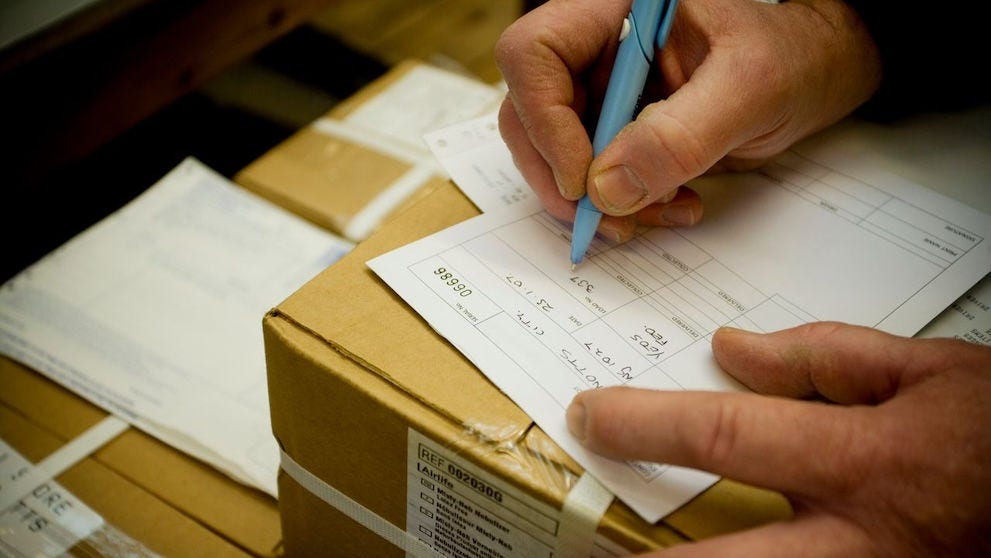
1. Prepare Your Documents
Before shipping to the Philippines, ensure you have prepared the necessary documentation and customs information below.
- Complete your Air Waybill (AWB) and commercial invoice.
- Ensure the recipient's full name, delivery address, and contact number are provided accurately on the Air Waybill to help avoid customs clearance or delivery delays.
- If your shipment contains multiple items, include the value of each item.
- Ensure product descriptions are clear and specific.
- Prepare a packing list detailing the contents of your shipment.
- Customs may request supporting documents such as proof of payment, product specifications, or catalogues to verify shipment value and product classification.
- Ensure net weight and gross weight are stated in kilograms (kg) on the commercial invoice or packing list, as missing information may result in customs clearance delays.
2. Customs Clearance
- Shipments with a declared FCA value of PHP 50,000 or more are subject to formal customs clearance. The consignee must be accredited with the Philippine Bureau of Customs or register as a Non-Regular Importer (NRI), where applicable.
- Shipments with an FCA value of up to PHP 10,000 may qualify for de minimis treatment and are generally exempt from duties and taxes, subject to Philippine customs assessment and provided the goods are not regulated or restricted. Shipments valued above PHP 10,000 may be subject to duties and taxes.
- Philippine Customs may scrutinize split shipments arriving on the same day from the same shipper to the same consignee to ensure compliance with duty and tax regulations.
3. Duties and Taxes
- Shipments valued above the Philippines' de minimis threshold may be subject to duties, taxes, and customs processing charges. The final amount payable depends on factors such as the shipment value, product classification, freight charges, and applicable tax rates.
4. Invoice Requirements
- Use an Invoice or Commercial Invoice rather than a Proforma Invoice. Proforma invoices may not be accepted during customs valuation and could result in additional customs review or delays.
- Invoices should be completed clearly and accurately to support customs processing.
- Currency type must be stated.
- Declared values must be accurate.
- Trade terms should match the shipping declaration and invoice.
5. Incoterms
- The Incoterm indicated on the Air Waybill and Commercial Invoice should be consistent. Examples include EXW, FCA and DDP.
- Incorrect Incoterm declarations may result in customs delays, customs amendment procedures, and penalties of PHP 5,000 per discrepancy plus applicable processing fees.
6. Collection Options
Once your shipment is packed and ready:
- Schedule a pickup via MyDHL+
- Contact DHL Express Customer Service
- Drop off your shipment at a DHL Express Service Point
Certain goods may require permits, licences, or certificates before importation into the Philippines. These may include food products, medicines, medical devices, plants and seeds, chemicals, telecommunications equipment, and other regulated commodities. Checking import requirements before shipping can help prevent customs delays.
Benefits of using DHL Express
Understanding the Philippines' customs regulations for different types of goods can help you avoid shipping delays and unexpected costs. To make the process easier, DHL Express handles customs clearance and declaration requirements on your behalf.
Here are some of its top advantages:
- Its door-to-door shipping service makes international shipping easy.
- DHL’s wide range of services and network covers 220 territories across the globe.
- Thanks to MyDHL+, MyBill, and ODD (On-Demand Delivery), the shipping process is made much easier and safer.
- Customers receive real-time updates on their shipment status and customs clearance progress.
- The package collection time is as per your choice.
- With the help of DHL’s flexible delivery options, now customers can decide the time and place of their shipment delivery.
Ready to ship to the Philippines?
Open a DHL Express business account today and enjoy up to 70% off* on import and export shipments, along with fast, reliable international delivery.
Open an Account


 Share
Share
Similar Stories