- DHL Express Singapore, November 2022
- CEVA, n.d
- ECA Academy, February, 2022
- Intelsius, 2019
- Tower Cold Chain, January 2022
- Coldkeepers, August 2025
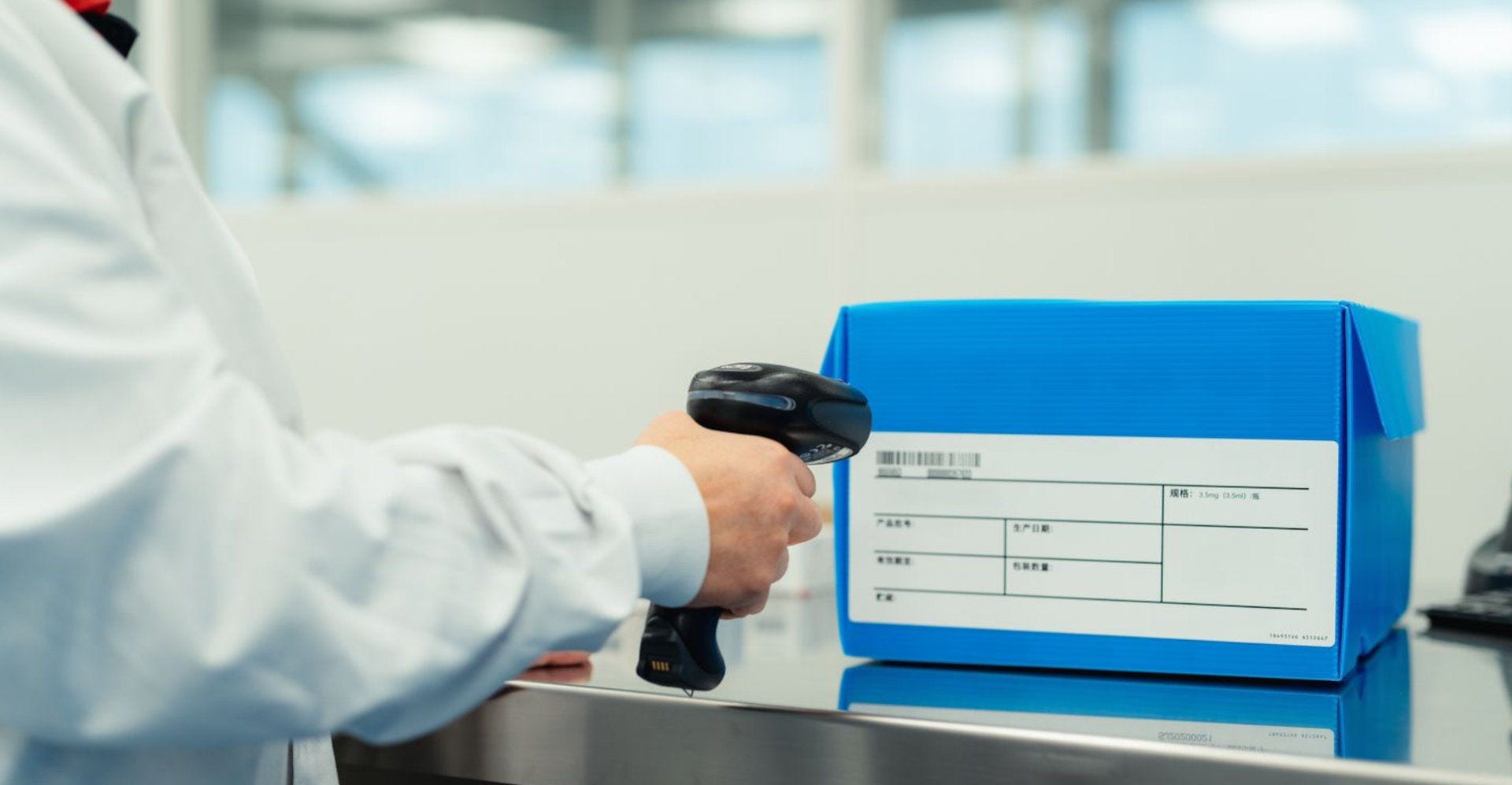
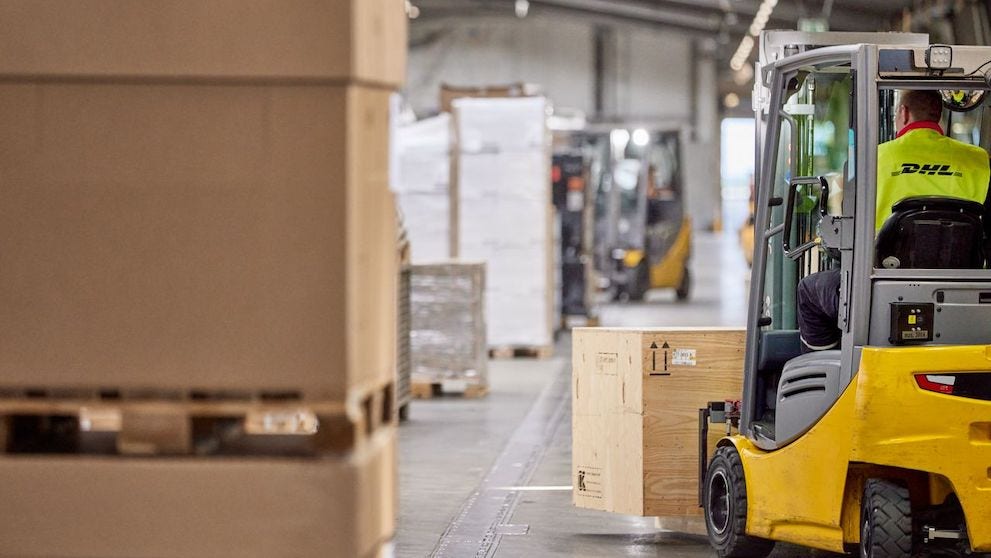
Temperature‑controlled logistics involves storing, transporting, and delivering temperature‑sensitive items in a controlled environment to keep them at a consistent temperature from packing to arrival. This cold chain process is essential for products like food, fresh flowers, perishable goods, pharmaceuticals, and medical materials, as any temperature change can reduce their quality or even cause serious health risks.
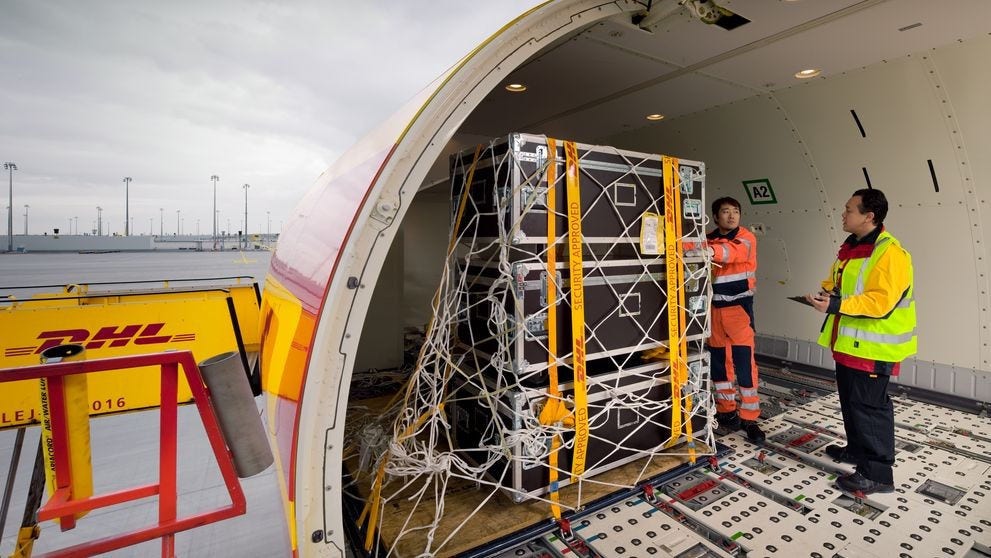
To prevent this, cold chain couriers typically keep shipments between 2ºC and 8ºC, while manufacturers must ensure everyone in the supply chain follows these requirements. Key points where temperature deviations can happen include storage in the warehouse, the route from the manufacturer to the shipper, loading and unloading, and the actual transit. 1
As temperature control is critical, the choice between different packaging solutions also plays an important role.
Passive containers use insulation and electronics to maintain the temperature within the box for a short period of time. Thermostatic regulation is not fixed, and it uses a finite amount of pre-conditioned coolants like chilled or frozen gel packs, phase change materials and dry ice.2
| Strengths 3 | Weaknesses 3 |
|
|
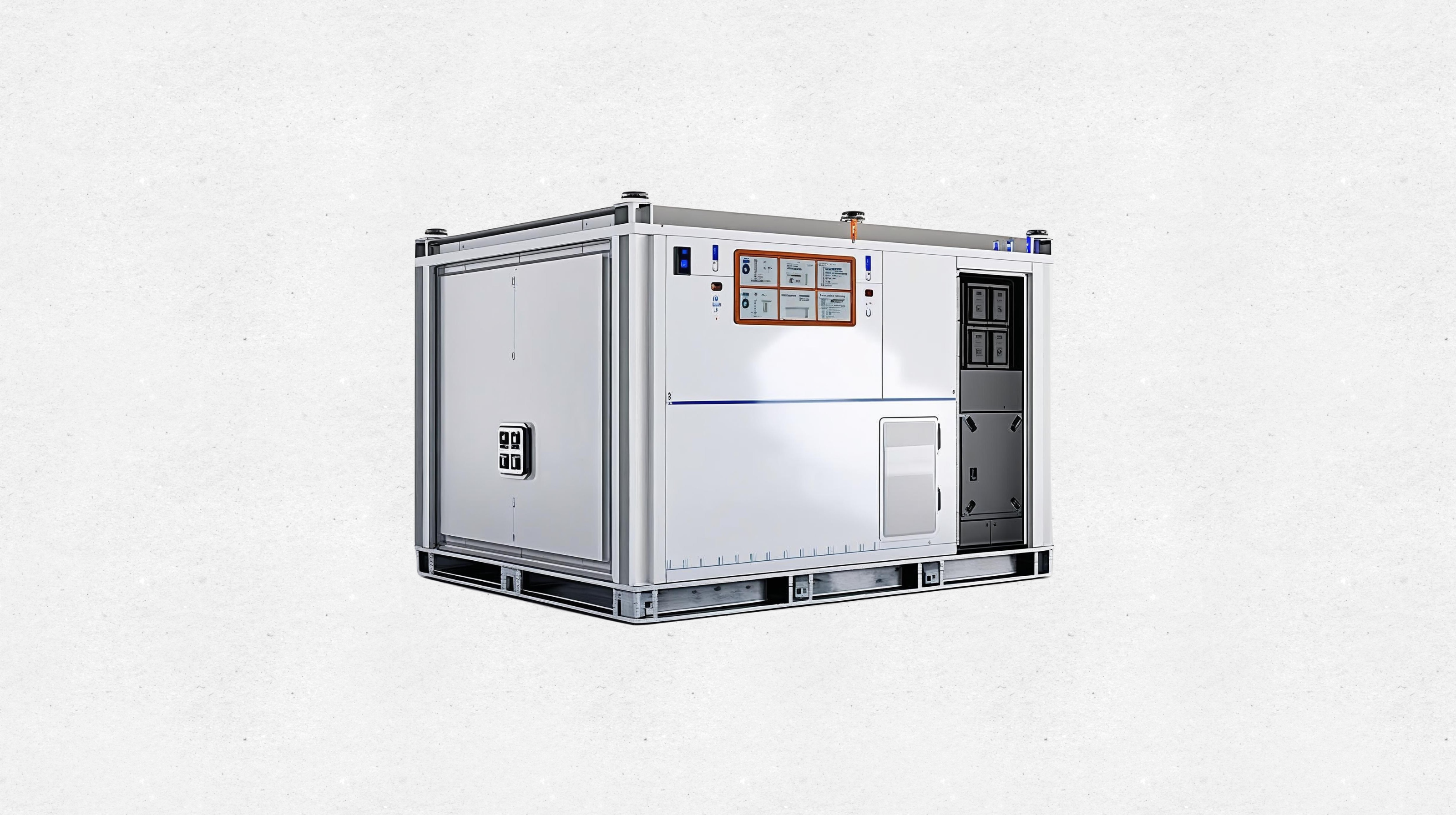
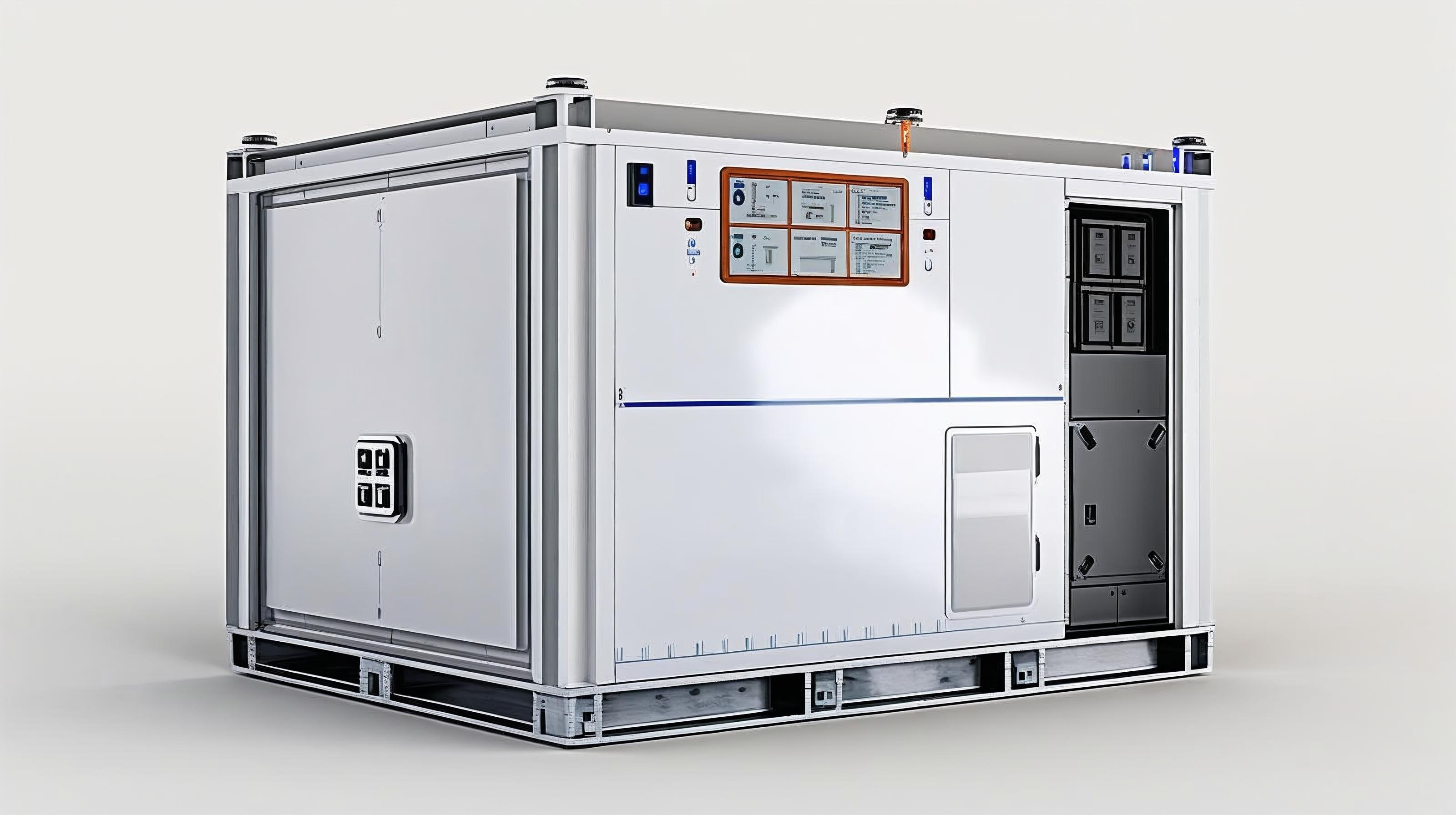
Active containers can retain specific temperature ranges with a lower risk of deviations. They have a built-in heating or refrigeration unit and can also utilise dry ice as a coolant to maintain temperatures. In case of temperature fluctuations, alarms will be triggered, and relevant personnel will be alerted. They are usually much larger than passive containers, alongside being able to be locked and never opened during transport. 2
| Strengths 3 | Weaknesses 3 |
|
|
| Factor | Passive Packaging | Active Packaging |
| Product Space Requirement 4 |
|
|
| Shipment Routing 5 |
|
|
| Destination Storage Capability 6 |
|
|
| Cost & Return Logistics 6 |
|
|
| Duration of Shipment 7 |
|
|
By understanding the differences between various packaging types and your own shipping requirements, moving temperature sensitive goods will no longer be a hassle. With DHL Express, your shipments move seamlessly across international borders. Every item entrusted to us is supported by real‑time tracking, giving you full transparency and confidence at every stage of the journey.
With DHL Express, make informed decisions best suited for your shipping needs.
Open a business account


 Share
Share