#LogisticsAdvice

How Can Your Aftermarket Strategy Achieve Same-Day Delivery?

Key Takeaways

Downtime is expensive: In 2026, every hour your assets stay idle can cost between S$30,000 to S$68,000. Rapid parts delivery is your most effective method to protect operational margins.

The FSL Advantage: Utilising Forward Stocking Locations (FSLs) reduces delivery times from days to a highly efficient 2 to 4 hours.

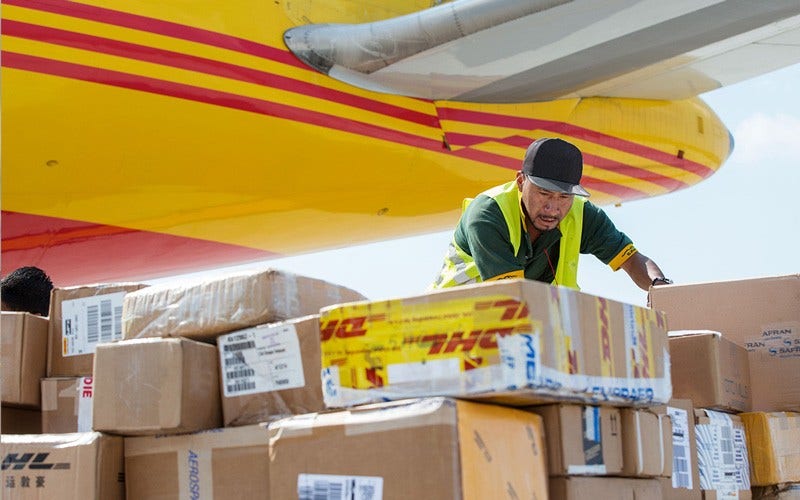
Customs Acceleration: We leverage our in-house expertise with dedicated Declaring Agents to clear urgent parts while they are still in the air.

Digital Visibility: You can achieve over 98% on-time delivery by using our live tracking and predictive analytics tools.

The speed of your after-sales service is your strongest brand asset in 2026. For critical sectors in Singapore and across ASEAN, such as advanced manufacturing, energy, and aerospace, a high-velocity supply chain is a fundamental requirement. The primary goal is to minimise your Mean Time to Repair (MTTR) by closing the gap between a part failure and the arrival of its replacement.

Why is uptime replacing price as your critical KPI?

Logistics managers traditionally focused on the price per kilogram. Today, that metric has been superseded by the value of operational uptime. When a semiconductor production line or a regional data centre goes offline, the financial consequences are both immediate and severe.

  • High Costs: For teams in high-value sectors, you're looking at costs exceeding S$68,000 for every hour of downtime.
  • Revenue Protection: Investing in high-velocity shipping is a strategic decision that protects your company's bottom line.
  • Day Zero Window: Our pre-9:00 am, 10:30 am and 12:00 am pick-up and delivery services are designed to ensure parts arrive before the first engineering shift begins.
  • Immediate Repairs: Receiving parts early in the day allows your technical teams to commence work without delay.

Logistics is a revenue protection service. We ensure your mission-critical components reach their destination before downtime costs escalate. This makes the price of shipping almost irrelevant compared to the financial losses incurred from operational delays.

What are Forward Stocking Locations and how do they work?

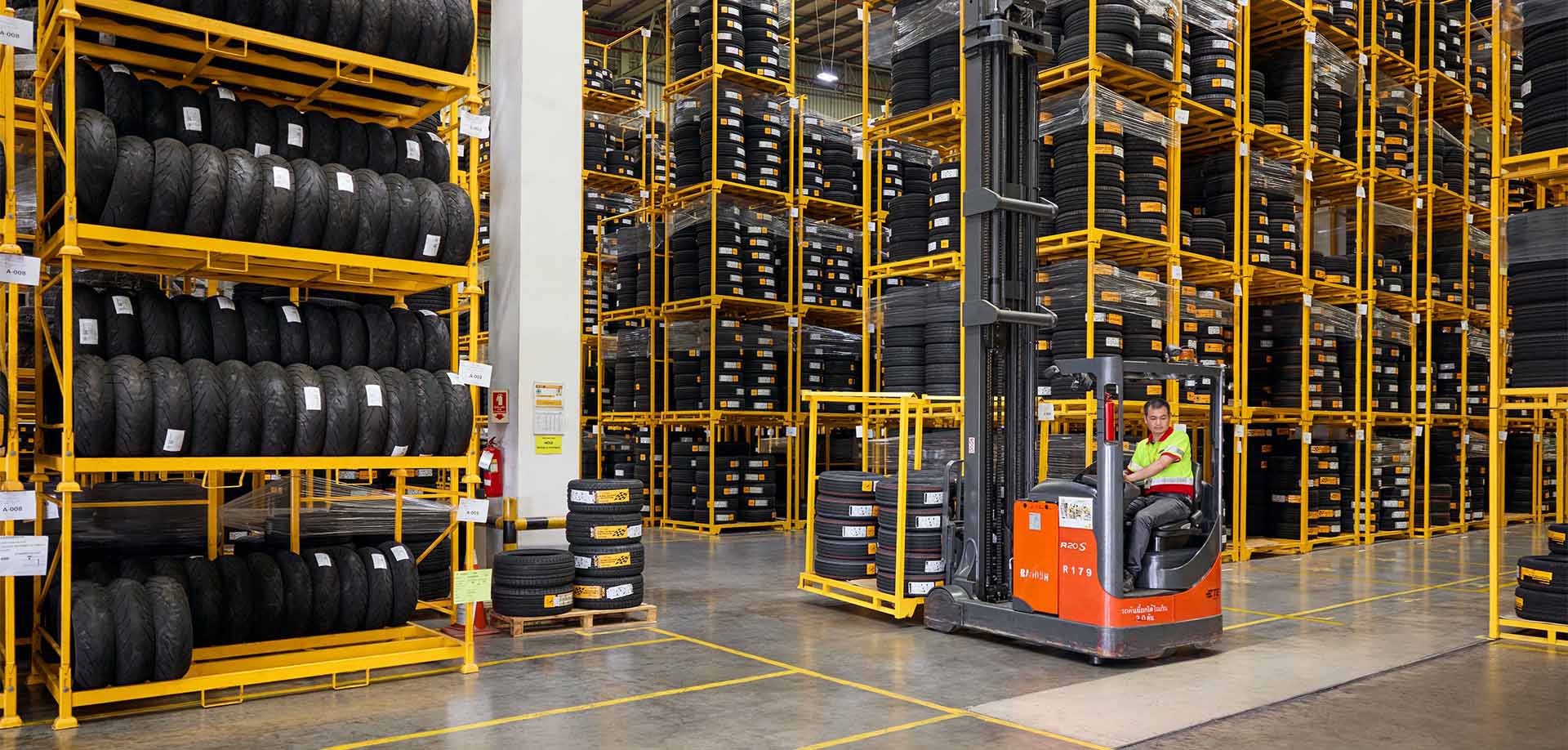
You cannot ship a critical server rack from Europe to Singapore in four hours. The solution is to strategically position your inventory closer to your key operational assets before a failure occurs. This is the core function of a Forward Stocking Location (FSL).

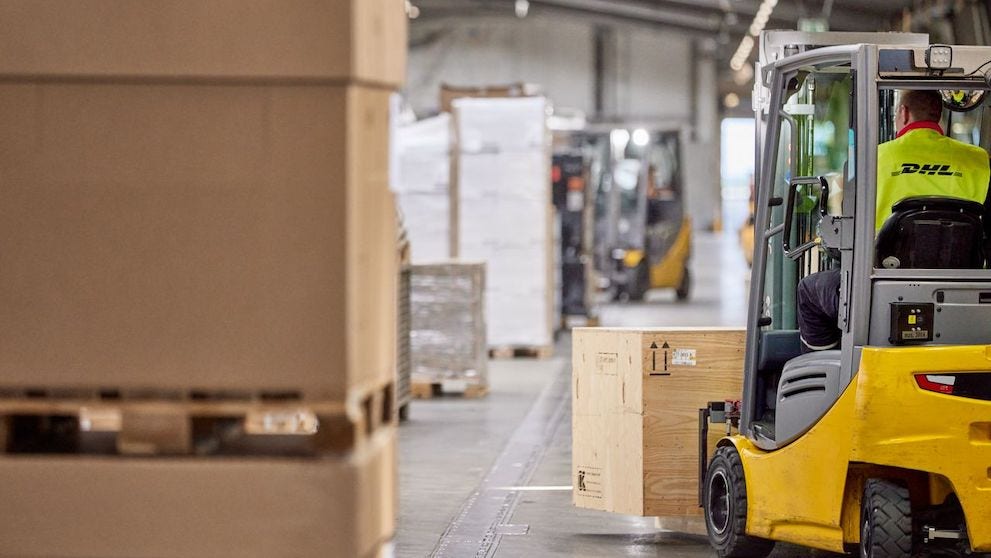
Localised Stock: We store your most critical service parts just kilometres away from your end-users in facilities across Singapore.

Massive Network: We operate over 3,000 FSLs globally, allowing you to bypass international shipping delays for urgent needs.

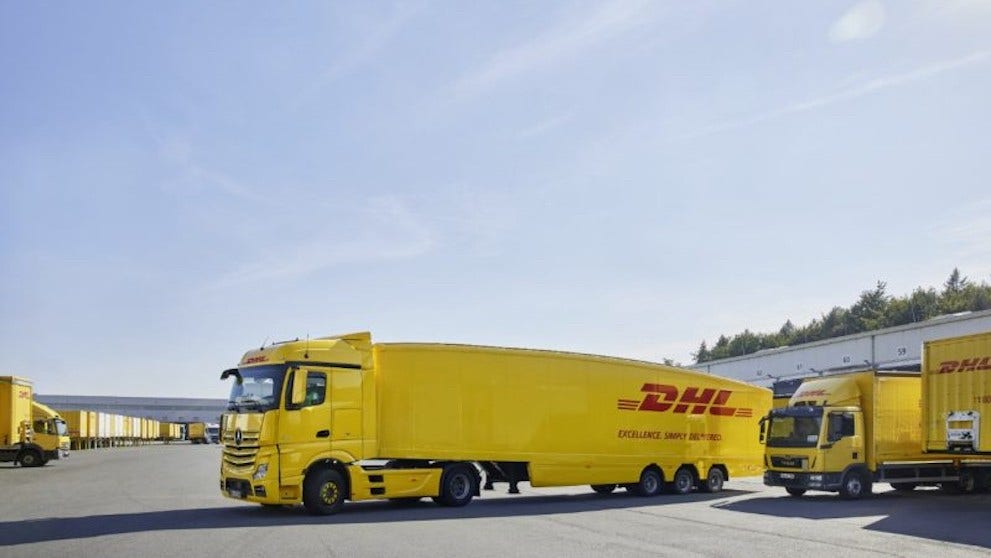
Rapid Dispatch: Parts are dispatched via local couriers rather than being subject to the complexities of international air freight.

Pre-cleared Inventory: All stock is held within the country, so there is no customs lag during a crisis.


Feature

Traditional Model

DHp FSL Model

Delivery Time

3 to 5 Days

2 to 4 Hours

Transport Mode

International Air Freight

Local Courier or Same Day

Customs Risk

High for every shipment

Low as stock is pre-cleared

Stock Location

Centralised globally

Localised regionally

How do you navigate customs for urgent parts?

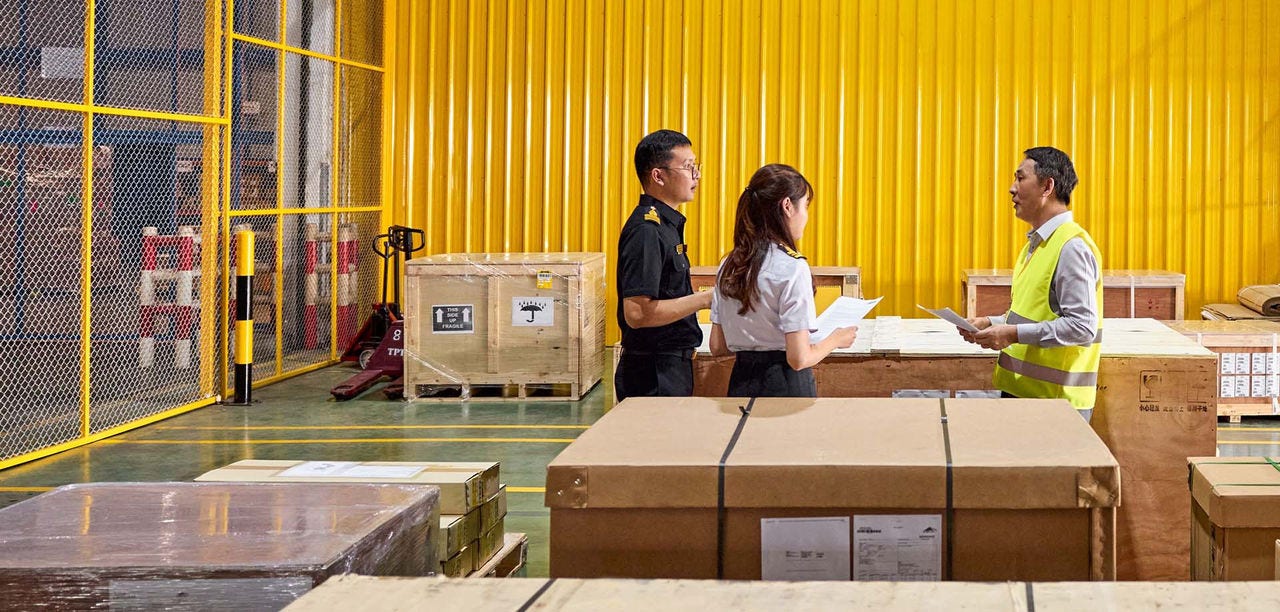
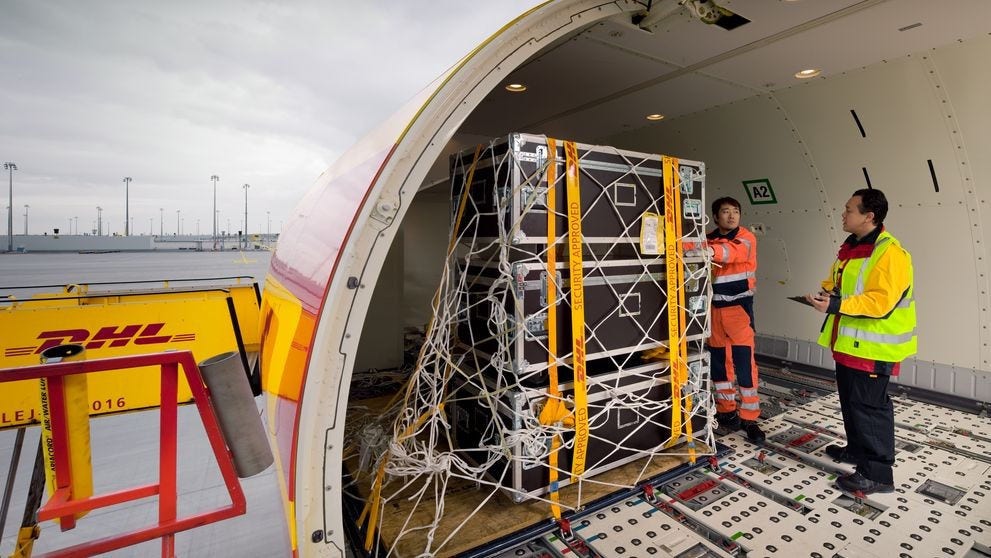
Speed in the air is ineffective if your part is delayed by customs procedures at Changi Airport. Many urgent shipments fail due to minor documentation errors. In 2026, we utilise digital tools to manage clearances with Singapore Customs while the part is still in flight.

Clearance in the Air: We frequently secure the release of goods before the aircraft has even landed.

DTP Services: We offer Delivered Duty Paid services, handling duties and taxes upfront to prevent payment-related delays at the border. This is particularly valuable when managing distribution to multiple ASEAN markets from Singapore.

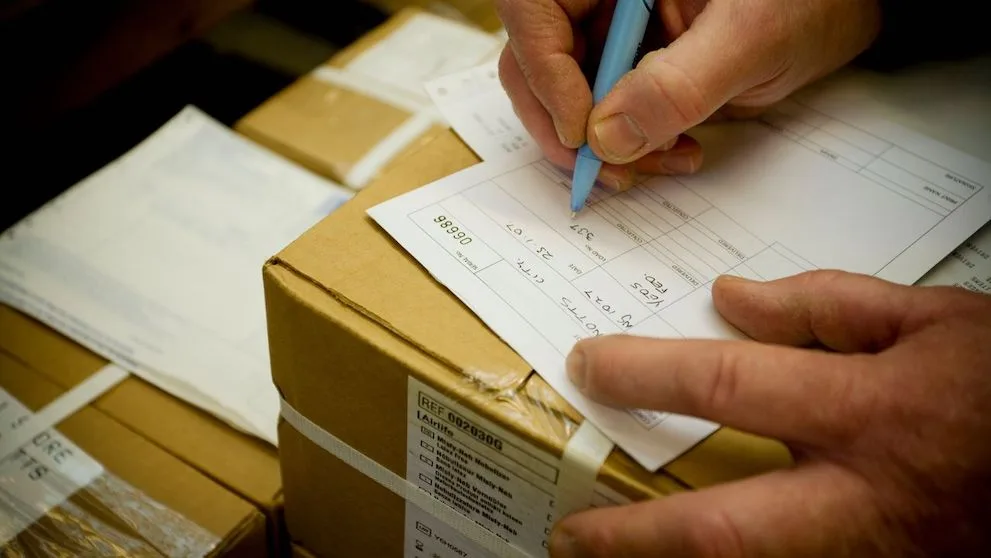
Accurate Coding: Using correct HS codes is critical to prevent manual inspections and ensure a smooth clearance process.

Local Permits: We assist in securing specific documents, such as a Temporary Import Permit for goods intended for repair and re-export.

Understanding local tax thresholds is vital for compliance. In Singapore, the de minimis threshold is S$400. For shipments valued above this, Goods and Services Tax (GST) is applicable. Our experts ensure your urgent shipments receive priority treatment and are processed in full compliance with local regulations.

Which regional assets need a bespoke approach?

A single strategy is insufficient for the diverse operational environments across Southeast Asia. A data centre in Singapore has different logistical needs than a manufacturing plant in Johor Bahru or Batam. Each location requires a delivery profile based on its unique infrastructure and regulatory landscape.

Singapore: We provide high-security, climate-controlled transport for sensitive electronics and medical devices within the city-state.

Regional Distribution: Leveraging Singapore's status as a free-trade hub, we manage seamless cross-border road freight to Malaysia or sea freight to Indonesia, optimising your ASEAN supply chain.

ASEAN Compliance: We manage the complexities of varying customs regulations across the region, ensuring that parts shipped from Singapore arrive without delays in markets like Vietnam or Thailand.

Seasonal Peaks: We help you navigate peak season volatility around periods like Chinese New Year to avoid disruptions to your regional operations.

As a strategic logistics hub, Singapore is the ideal control tower for managing high-value aftermarket inventory for the entire ASEAN region. We provide the specialised vehicles and expert local knowledge to complete the final mile safely and efficiently.


How does tech integration improve your visibility?

You cannot manage what you cannot see. In a high-stakes uptime service level agreement (SLA), real-time visibility is a contractual necessity. You must know the precise location of a critical part at every moment.

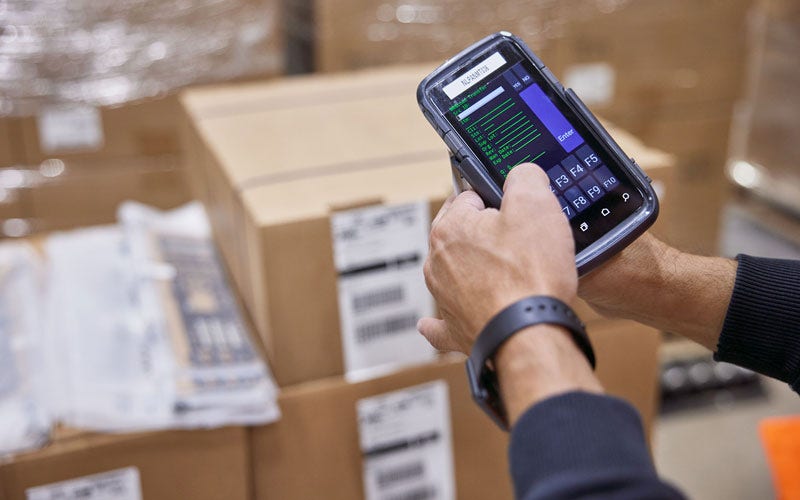
  • Live Alerts: Receive automated notifications the moment a part is picked from an FSL or delivered to your engineer.
  • Inventory Accuracy: Access a real-time view of your stock levels across all our FSL locations in Singapore and globally.
  • Performance Data: Benchmark your logistics performance against a 98% on-time delivery target.
  • Condition Monitoring: We deploy sensors to track critical parameters like temperature and shock for high-value electronic components.

MyDHL+ provides a single, integrated view for all your local and global shipments. When you can see the parts moving, you can manage your repair schedule with complete confidence and precision.
Ready to reach your assets faster?

Aftermarket logistics is a race against time. By positioning your stock closer to your end-users in Singapore and leveraging real-time technology, you can transform a potential operational crisis into a managed, predictable event. Speak to a DHL specialist today to review your spare parts strategy and keep your operations moving at peak efficiency.

With DHL Express, you can avoid downtime costs.

With DHL Express, you can avoid downtime costs.

Deliver speed where it matters. Open an account with DHL Express for your urgent shipping needs and enjoy up to 70% off your international shipments.

Open an Account

Frequently Asked Questions

It refers to the specialised supply chain used to deliver spare parts and components to repair vehicles or machinery. In 2026, the focus is on extreme speed to reduce industrial downtime, particularly in high-value sectors like advanced manufacturing and data centres.

A Forward Stocking Location places your critical inventory in a warehouse strategically located near your customer or operational site. This enables a local courier to deliver the required part in 2 to 4 hours, completely bypassing the delays associated with international flights and customs clearance.

Costs can vary significantly but typically range from S$30,000 to S$68,000 per hour. This figure includes lost production output, idle labour costs, and potential contractual penalties for missing service or delivery deadlines.

Yes. We use digital pre-clearance systems to transmit shipment data to customs authorities before the aircraft arrives in Singapore. This proactive approach often allows for the immediate release of goods upon landing, saving valuable time.