As Singapore businesses continue to expand into international markets, exporting offers an opportunity to reach new customers, diversify revenue streams, and grow beyond the domestic market. Whether you are shipping products to neighbouring countries in Asia or customers on the other side of the world, understanding Singapore's export requirements can help ensure a smoother shipping experience.
Before exporting goods from Singapore, businesses should familiarise themselves with the relevant regulations governing international trade. These include Singapore's customs and trade control laws, as well as any licensing requirements imposed by the relevant Competent Authorities (CAs) for controlled goods.
In most cases, goods leaving Singapore must be declared to Singapore Customs, and the necessary permits must be obtained before export. Ensuring compliance with these requirements can help prevent shipment delays, penalties, and unnecessary disruptions to your supply chain.
Steps to Export Goods from Singapore
1. Register for a UEN and Activate a Customs Account
Businesses intending to engage in import, export, or transhipment activities in Singapore must first obtain a Unique Entity Number (UEN) and activate a Customs Account.
A valid Customs Account is required for the application of customs permits and certificates through Singapore Customs. Companies can register their UEN through the appropriate government agencies, such as the Accounting and Corporate Regulatory Authority (ACRA).
2. Determine Whether Your Goods Are Controlled
Before exporting, it is important to determine whether your products are classified as controlled goods.
Export controls may apply to certain categories of goods, including strategic goods, chemicals, food products, pharmaceuticals, telecommunications equipment, and wildlife-related items. Businesses should review the product description and applicable Harmonized System (HS) code to identify any licensing requirements.
Where necessary, exporters should consult the relevant Competent Authority directly to confirm licensing obligations before shipment.
3. Obtain the Necessary Export Permits
Certain exports require customs permits prior to shipment.
Permit applications are typically submitted electronically through Singapore's TradeNet system. Businesses may apply for permits directly if authorised to do so, or appoint a declaring agent to manage the process on their behalf.
Obtaining the correct permits before shipment is essential, particularly when exporting controlled goods, strategic items, goods under temporary export arrangements, or products subject to specific regulatory requirements.
4. Prepare Shipping and Customs Documentation
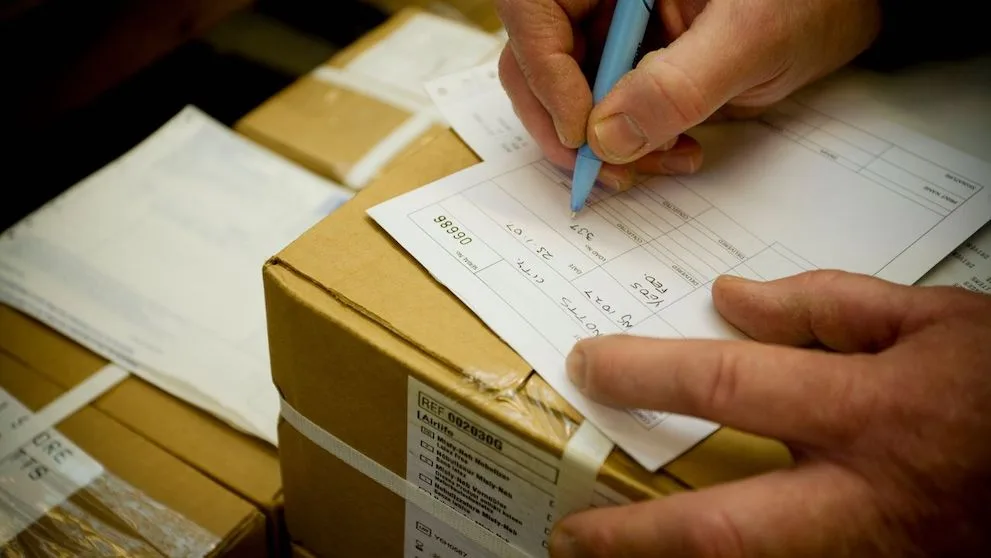
Accurate documentation is essential for smooth customs clearance and efficient international shipping. Before exporting goods from Singapore, businesses should ensure all required shipping documents are completed accurately and contain consistent information across all records.
Commonly required documents include:
- Commercial invoice
- Packing list
- Airway bill or bill of lading
- Relevant permits or licences (where applicable)
Requirements may vary depending on the type of goods being exported and the import regulations of the destination market. It is important to review destination-country requirements before shipment to ensure all necessary documentation is in place and to avoid potential customs delays.
Ensuring documents are complete, accurate, and submitted on time can help facilitate smoother customs clearance and reduce the risk of shipment disruptions.
5. Prepare Your Shipment for Export Clearance
Once the relevant permits have been approved and shipping documents prepared, cargo can be presented for export clearance.
Businesses should ensure that permit information and supporting documents are readily available when required by customs or checkpoint authorities. Any permit conditions associated with controlled or dutiable goods must also be fulfilled before export.
Having complete and accurate information ready can help minimise delays during the clearance process.
Tips for Successful Exporting
Before exporting, businesses should:
- Verify destination-country import requirements before shipment
- Use accurate product descriptions and HS classifications
- Prepare commercial invoices with complete information
- Check whether duties and taxes apply at destination
- Package goods appropriately for international transit
- Work with an experienced logistics partner
These steps can help reduce customs delays and support a more efficient international shipping process.
Advantages of using DHL Express
Once businesses have addressed export compliance and documentation requirements, choosing the right logistics partner can help simplify international shipping. DHL Express supports exporters with customs expertise, shipment visibility, and a global delivery network.
- Its door-to-door shipping service makes international shipping easy
- DHL’s wide range of services and network covers 220 territories across the globe
- Thanks to MyDHL+, MyGTS, MyBill, and ODD (On-Demand Delivery), the shipping process is made much easier and safer
- Real-time updates about the shipment’s clearance statuses are readily given to customers
- With the help of DHL’s flexible delivery options, now customers can decide the time and place of their shipment delivery

Ready to start exporting your goods?
Whether you're expanding into new markets or growing your export operations, DHL Express can help you move goods across borders efficiently and reliably.
Ship with DHL Express


 Share
Similar Stories