#LogisticsAdvice

Shipping from South Africa: How Durban's Ports Connect You to the World

Zanele Malaza
Zanele Malaza
Marketing Specialist, South Africa
Shipping from South Africa
This article covers:
Why Durban’s ports drive South Africa’s global exports.
How export documentation keeps shipments moving.
When to use ocean freight or DHL Express for exports.

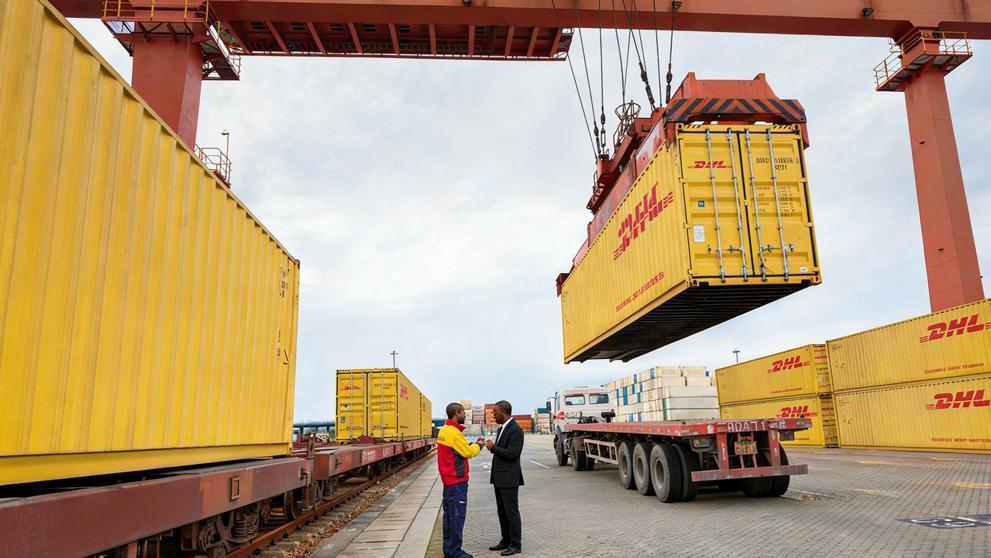
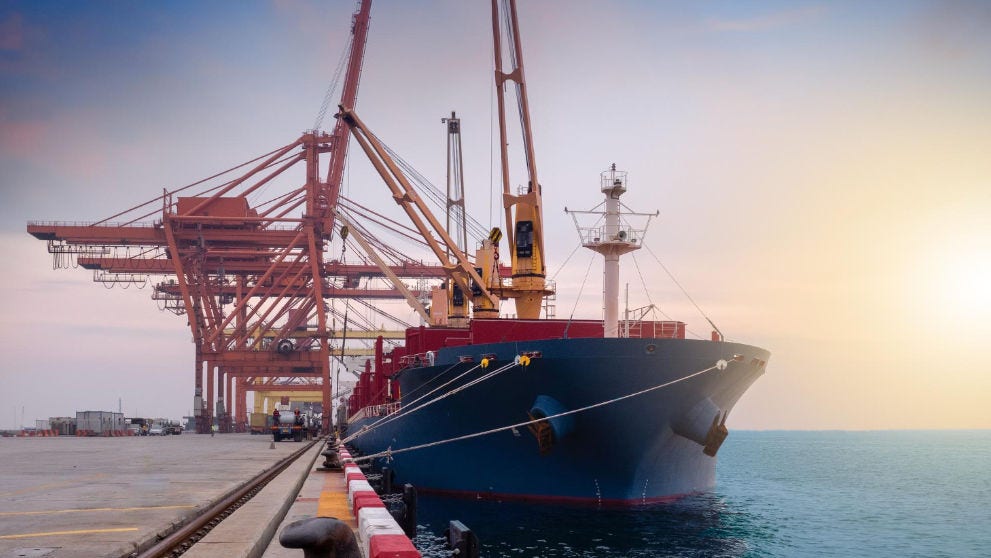
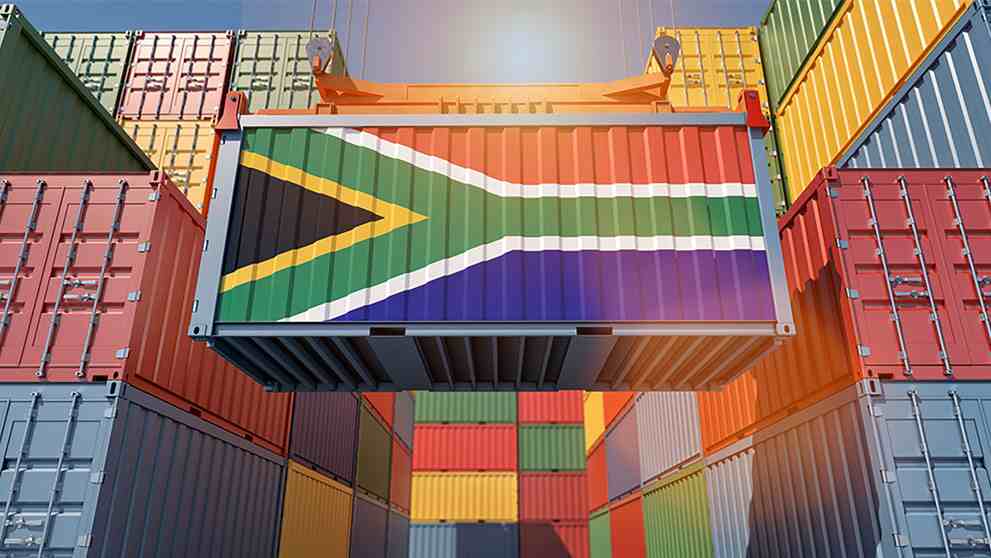
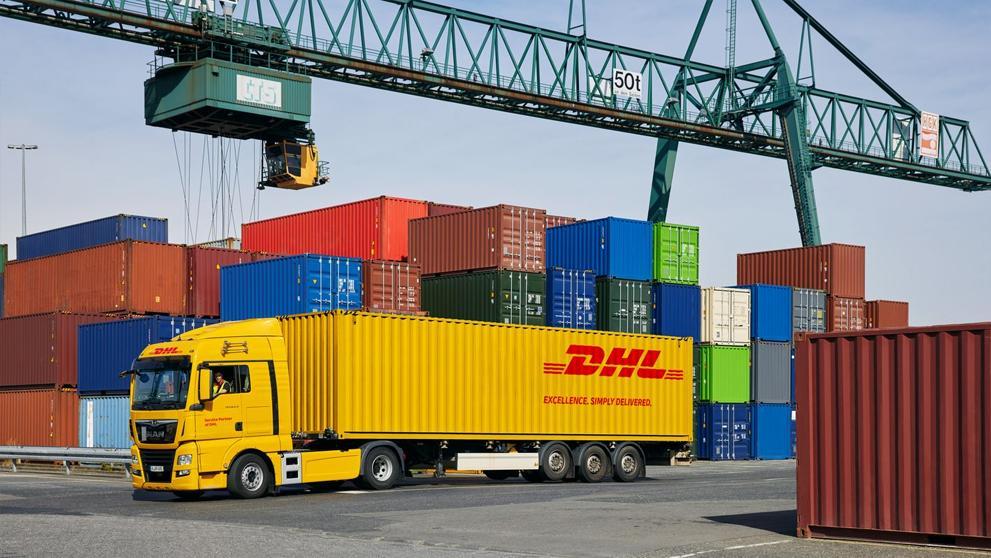
Picture this: the hum of cranes, the glint of steel, and containers stacked high against Durban’s skyline. If you’re in the business of moving goods out of South Africa, this view is more than just scenery. It’s where your global journey begins.

Most exports that leave our shores pass through one of eight commercial ports, but Durban is the real powerhouse. Whether your business is in Gauteng’s industrial heartland or you’re packing fruit in the Cape, understanding how your cargo makes its way from factory floor to the ship is what separates the pros from the rest. Here’s how South Africa’s ports keep the wheels of trade turning, and what you need to know to make your next export smooth and hassle-free.

South Africa’s Main Ports: The Beating Heart of Trade

Transnet National Ports Authority manages eight key commercial ports along our coast, but container shipping is all about a handful of stars. Durban is the heavyweight, moving between 4 and 4.5 million TEUs a year through Pier 1 and Pier 2. Big news landed in early 2026 when International Container Terminal Services took over Pier 2 with a 25-year concession, promising faster turnaround and sharper crane operations, a real win for anyone chasing tight shipping windows.

Cape Town grabs the spotlight when fruit season hits, with chilled containers and those legendary southeasterly winds giving logistics teams a run for their money. Ngqura leads on transshipment, while Port Elizabeth and Richards Bay focus on regional and specialist cargo. Richards Bay? That’s the home of bulk: coal, minerals, and heavy industry.

/content/dam/south-africa/logistics-advice/logistics-insight/How Your Export Gets from Factory to Ship.jpg

How Your Export Gets from Factory to Ship

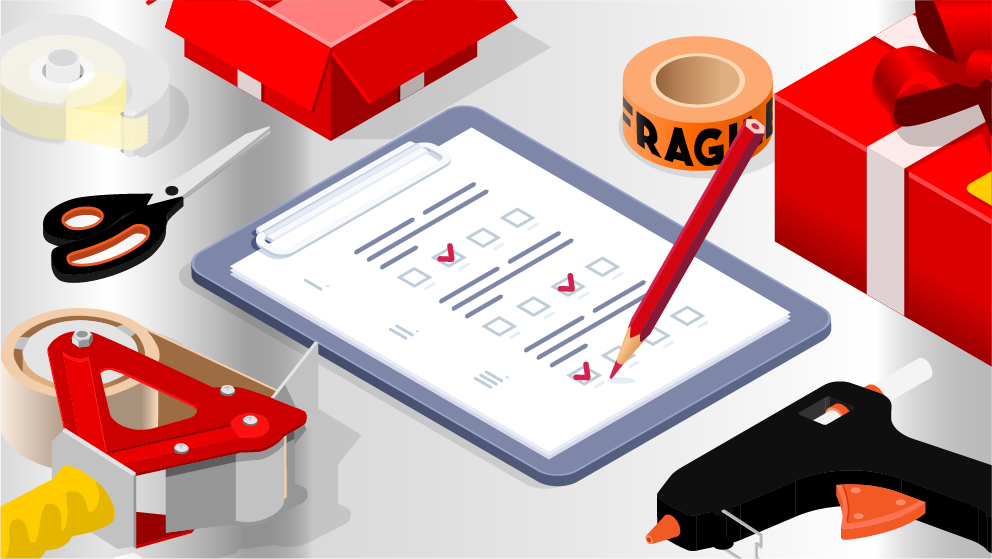
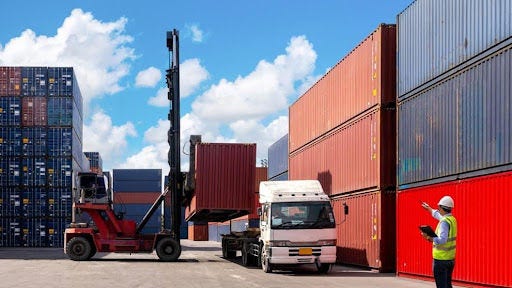
Exporting starts well before your goods hit the port. First, you or your freight forwarder books space with an ocean carrier and packs the cargo. Got enough to fill a container?

That’s an FCL (full container load). Shipping something smaller? Your goods will travel as LCL (less than container load), sharing space with cargo from other exporters. Timing is everything: containers must arrive at the terminal before the vessel’s cut-off, with all paperwork sorted and customs-ready. Miss a deadline or turn up with the wrong documents, and your shipment could be left waiting for the next vessel.

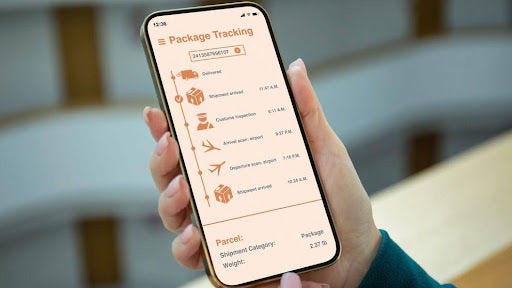
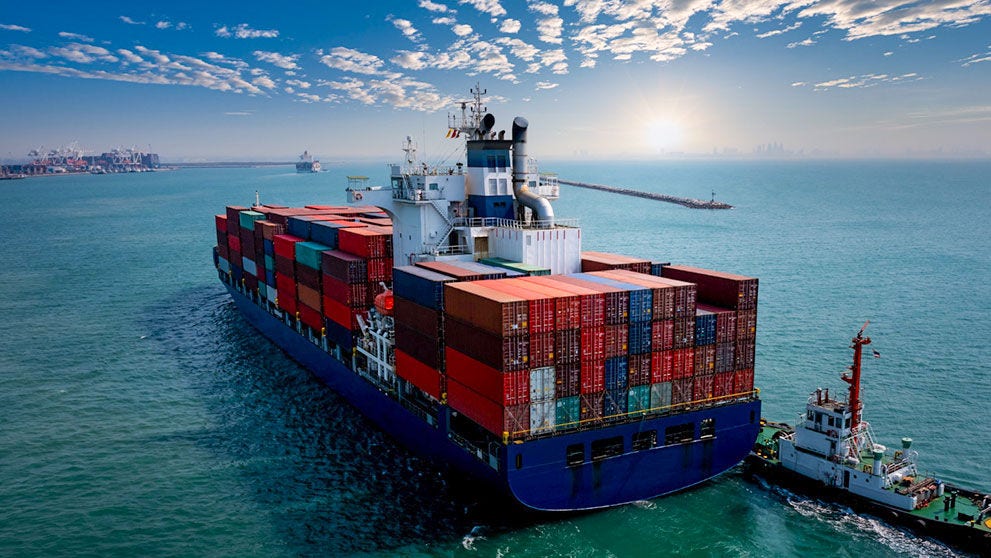
Once your container is on board, it’s off across the world’s shipping lanes : Europe, Asia, the Americas, or other African ports. These days, real-time tracking tools are a must, offering a clear view of your cargo’s journey and arrival times.

Export Paperwork: Getting It Right from Day One

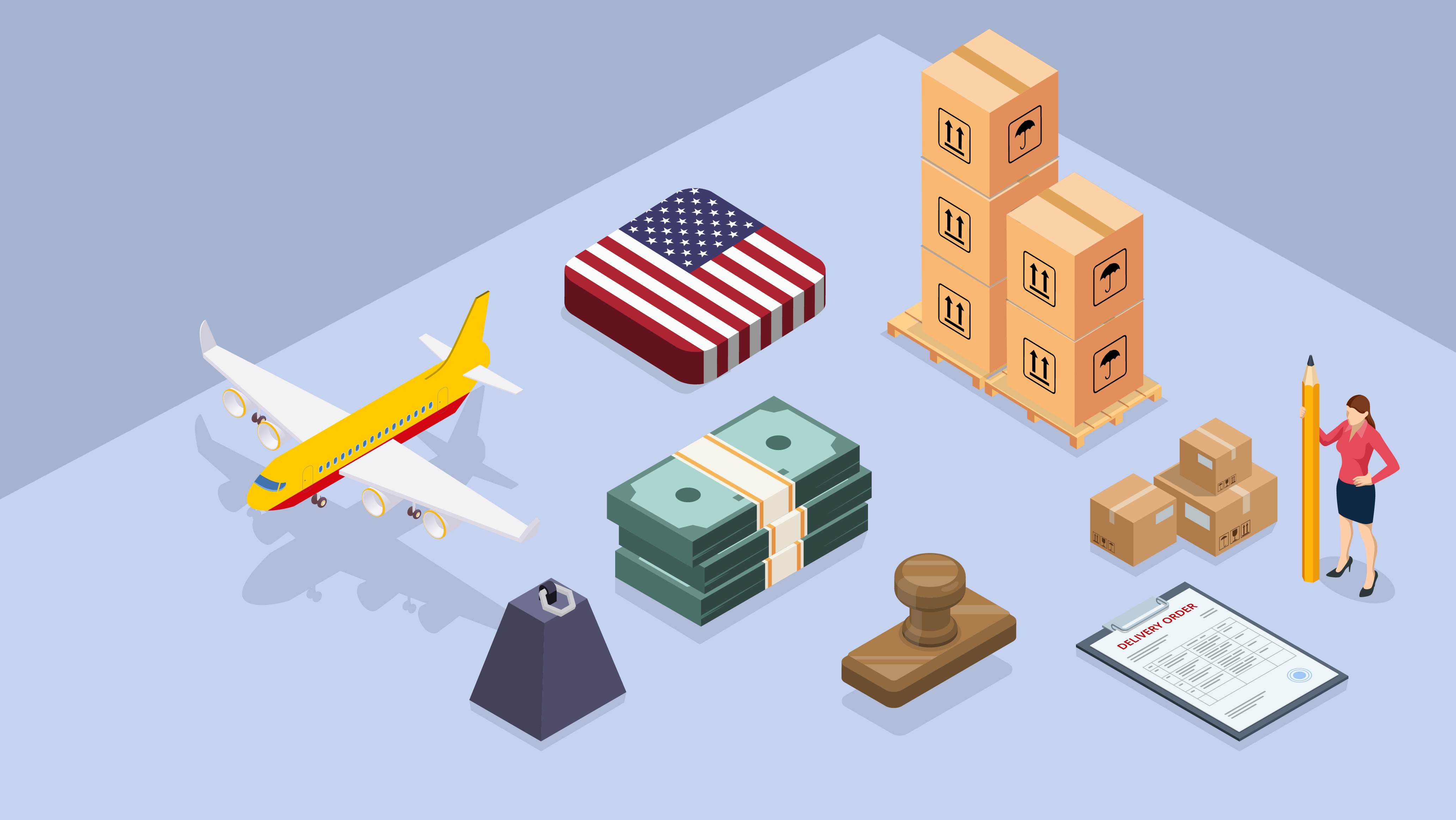
It’s easy to trip up here, especially if you’re new to exporting. Before your first shipment, you’ll need to register with SARS as an exporter and secure a customs client number. Each shipment must have a full set of documents, including:

  • The SAD 500 customs declaration (the main SARS export form)

  • A detailed commercial invoice

  • A packing list matching the invoice

  • A bill of lading (or similar transport document)

  • The correct HS code for your goods

Depending on where you’re sending your cargo, you might also need a certificate of origin (like the EUR.1 for EU exports under the EU–SADC agreement) or an export permit from ITAC for restricted items. Accuracy matters; the wrong code or missing info causes delays, as do customs inspections and port congestion. Remember, SARS expects you to keep your records for five years.

/content/dam/south-africa/logistics-advice/logistics-insight/Beyond Containers.jpg

Beyond Containers: How DHL Takes Your Exports Further

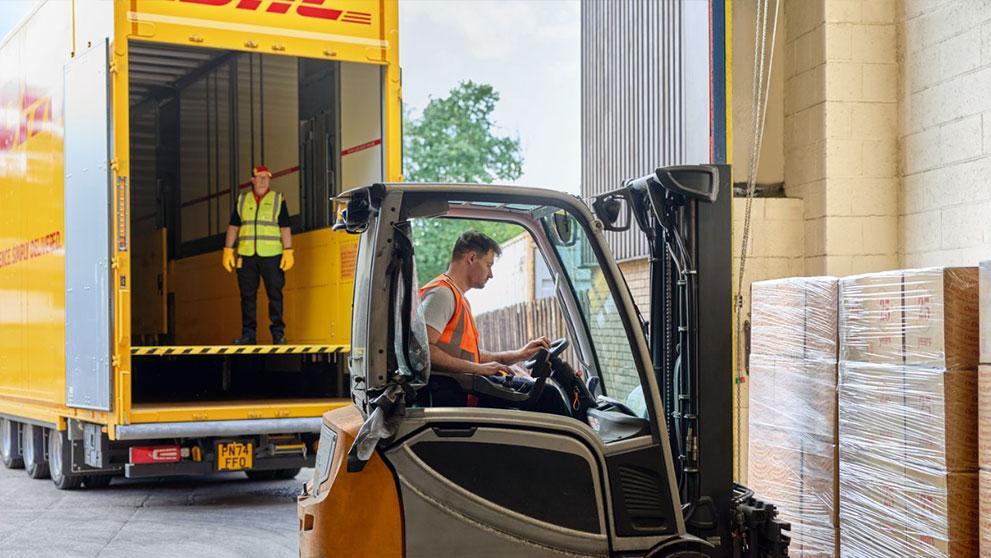
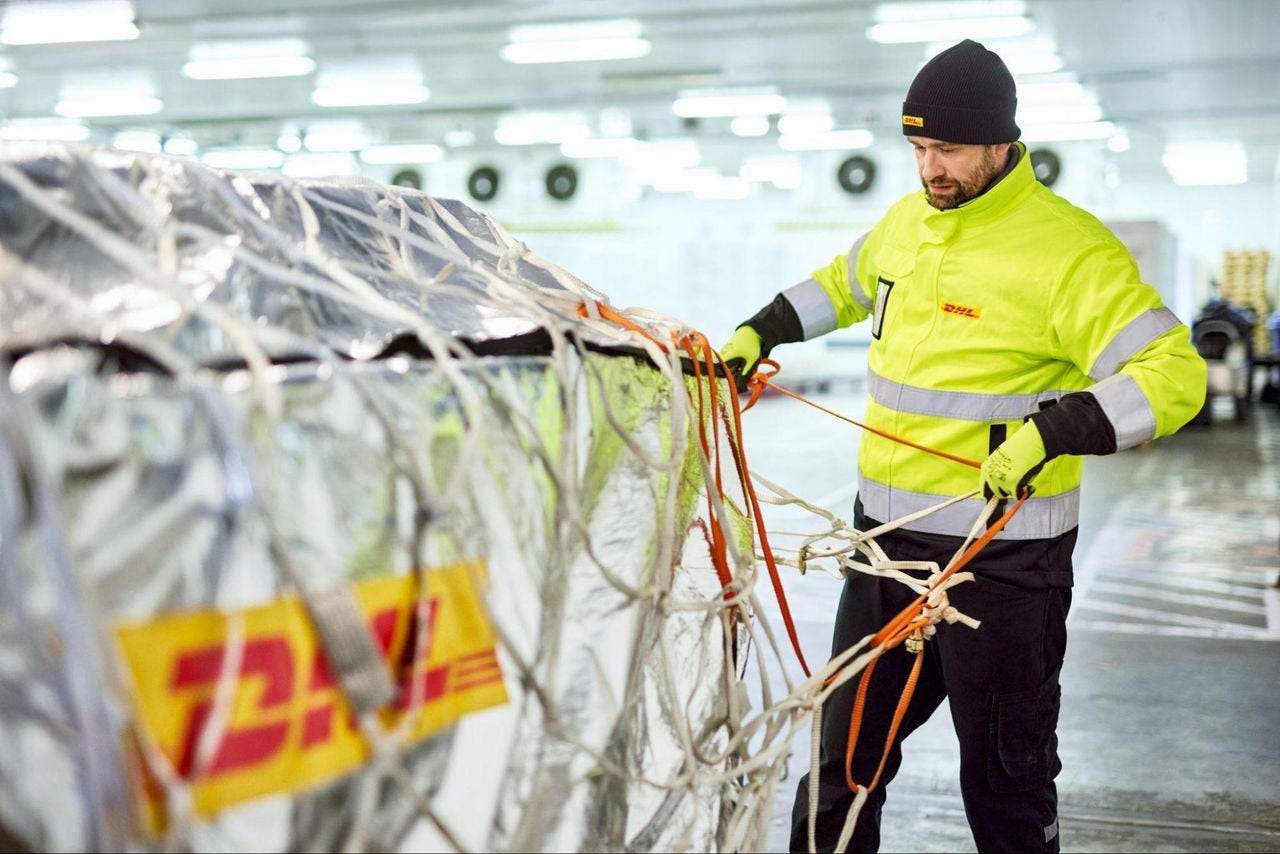
Ocean freight is the backbone of global trade, and that’s where DHL Global Forwarding steps in, managing both FCL and LCL shipments with global carriers and expert support. But not everything belongs in a container.

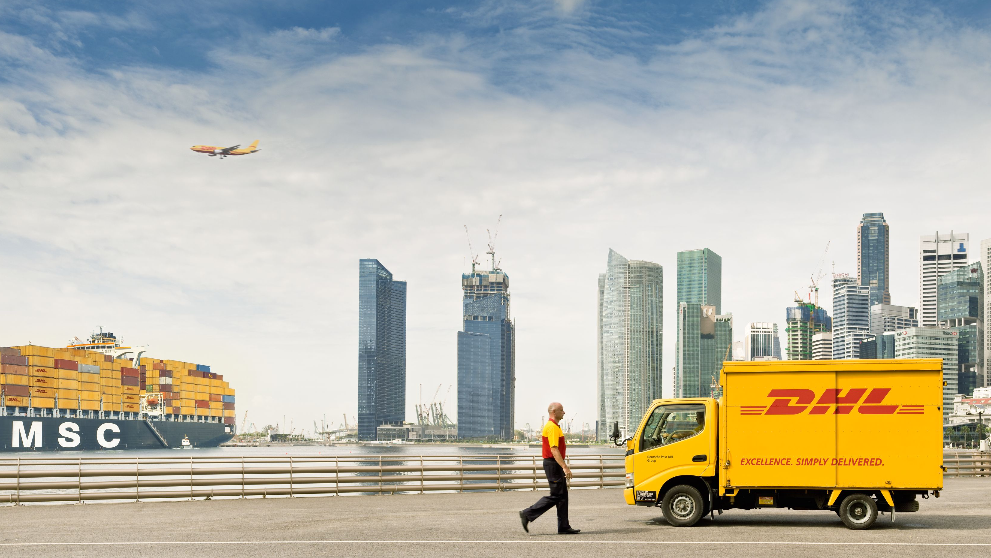
When you need to move samples, urgent spares, contracts, or small e-commerce orders, speed is what counts. That’s where DHL Express takes over, delivering door-to-door by air to more than 220 countries and territories, with full customs support and real-time tracking via MyDHL+.


Think of it like this: DHL Global Forwarding moves your big shipments by sea, while DHL Express delivers your smaller, time-sensitive parcels by air ; fast, reliable, and always traceable.

No matter what you’re exporting, a DHL business account makes life easier: preferential rates, streamlined billing, expert customs support, and tracking at your fingertips. Open an account today and take your South African business global with confidence.

FAQs

Before exporting, you'll generally need a commercial invoice, packing list, transport document (such as a bill of lading for ocean freight), the correct HS code, and the required SARS customs declaration. Depending on the destination or type of goods, you may also need certificates of origin or export permits. Preparing complete and accurate documentation before your shipment reaches the port helps reduce customs delays and keeps your cargo moving. See Get Your Goods Moving: Documentation Essentials for South African Exporters

The HS code identifies your product for customs purposes and helps determine the applicable duties, taxes, and regulatory requirements in the destination market. An incorrect classification can delay customs clearance or lead to additional assessments and compliance issues. Using the correct HS code from the start helps ensure your shipment is processed accurately. See Cross-Border Trade in South Africa: How SARS Customs Works and How to Stay Ahead

The main difference between express shipping (like DHL Express) and standard shipping is speed, but there are other service distinctions that matter depending on your delivery needs.

Express Shipping (e.g., DHL Express):

  • Time-definite delivery, often by the next business day

  • Real-time tracking and proactive delivery updates

  • Simplified customs clearance with DHL Express expertise

  • Best for urgent, valuable, or time-sensitive shipments

Standard Shipping:

  • Slower delivery (from several days to weeks)

  • Basic tracking

  • Customs may take longer

  • Suited for non-urgent or cost-sensitive shipments

  • If speed, reliability, and visibility matter, express shipping is the better option