#LogisticsAdvice



 Share
Share
Rethinking Freight: Why South African Manufacturers Choose Multimodal Transport
Share
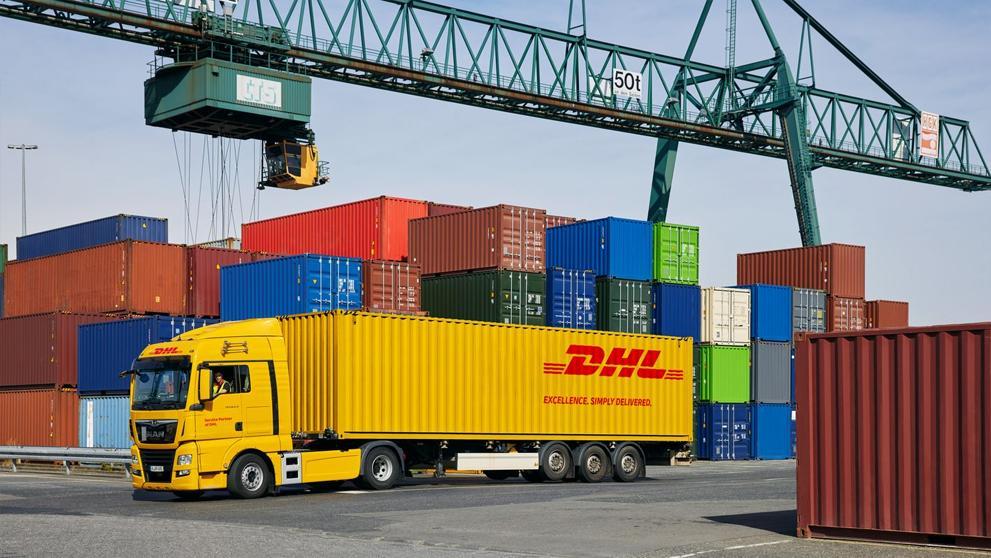
For years, road freight has been the backbone of South Africa’s manufacturing supply chain. Trucks link factories with suppliers, ports, warehouses, and customers across the country, moving over 80% of inland freight volume, according to Mordor Intelligence. It’s a system that’s hard to beat for its reach and flexibility.
But when it comes to shifting heavy machinery, production equipment, or large volumes of materials, the fastest or simplest route isn’t always the smartest. Rising fuel costs, congested roads, long distances, and shifting production schedules all put pressure on supply chains that rely too heavily on just one mode of transport.
As manufacturing networks get more complex, savvy businesses are thinking beyond the highways. By blending road, rail, ocean, and air freight where it makes sense, manufacturers can tailor their transport strategies to each shipment’s unique needs rather than squeezing everything into the same box.

One Mode Doesn’t Suit Every Journey
Imagine you’re bringing in heavy production equipment through the Port of Durban destined for a factory in Gauteng. At first glance, road freight seems like the obvious choice, offering flexibility and direct delivery from port to factory.
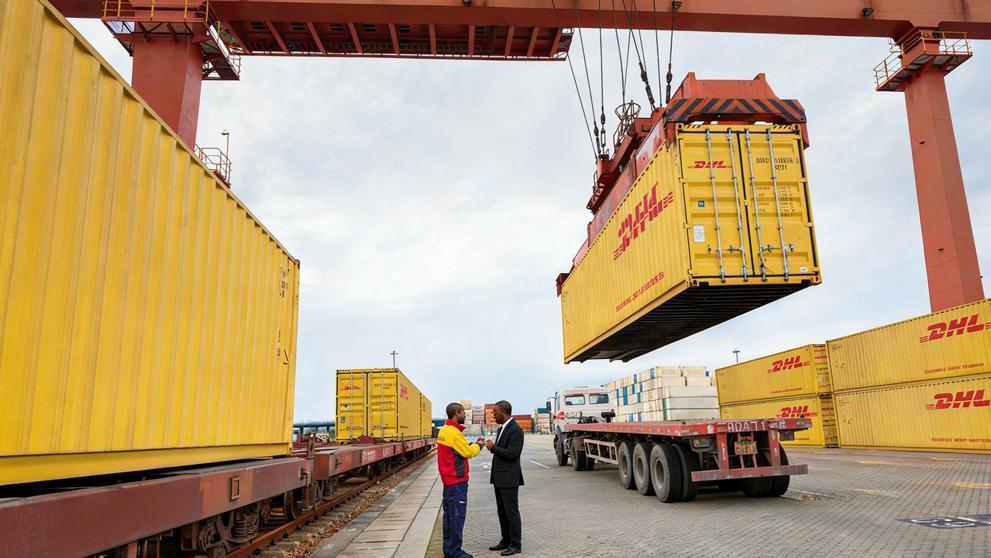
But if that shipment has to cover hundreds of kilometres inland, factors like cost, capacity, congestion, and delivery deadlines might point to a smarter approach. Maybe ocean freight handles the international leg, rail transport or another inland mode covers the long haul, and road transport takes care of the final stretch to the factory.
The key takeaway? Different legs of the journey call for different strengths. That’s the essence of multimodal transport, combining various modes to craft a practical, efficient solution, not pitting road, rail, sea, and air against each other.
Choosing the Right Mode for the Job
When should manufacturers opt for road, rail, ocean, or air freight? Here’s how each plays its part:
Road Freight: Flexibility When It Counts
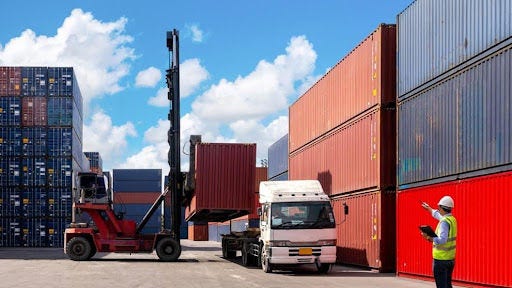
Road freight remains the workhorse for local manufacturing. It picks up materials from suppliers, links factories to warehouses, and handles first- and last-mile deliveries. Its strength lies in flexible routing and door-to-door service, making it indispensable for moving goods between nearby sites or delivering finished products straight to customers.
Rail Freight: Big Loads Over Long Distances
Rail shines when moving large volumes across long distances. Scheduled departures and fixed arrival times help manufacturers plan regular shipments efficiently. Rail cargo can also offer cost savings and a greener footprint, depending on routes and shipments. For businesses with steady, predictable freight needs, rail complements the road option rather than replacing it.
Ocean Freight: Heavy Cargo, Global Reach
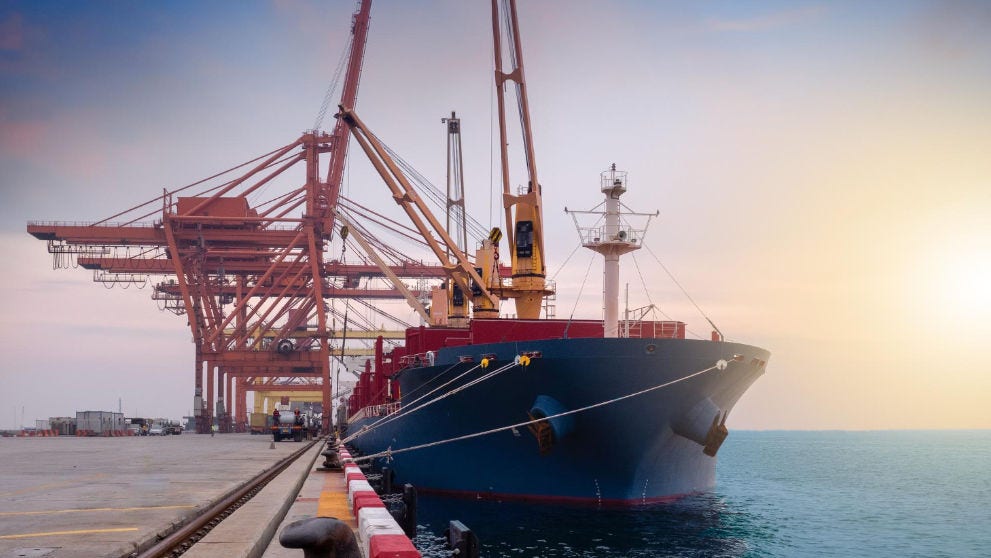
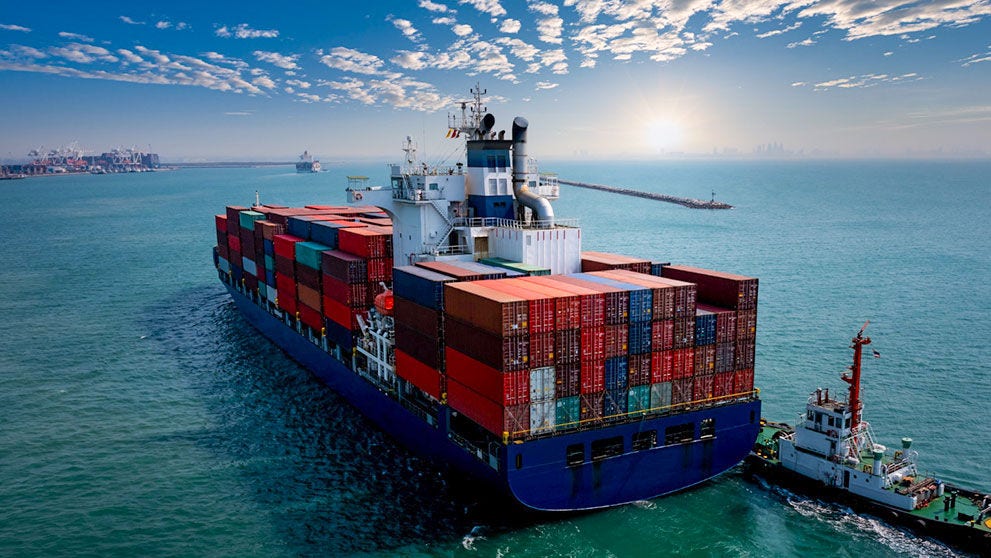
For importing heavy machinery or components from overseas, ocean freight is often the cost-effective choice, especially when delivery times aren’t urgent. It excels at handling large shipments over long distances. The trade-off is time, so when a production line needs a part urgently, waiting for the next ship might not cut it.
Air Freight: When Every Minute Counts
Sometimes speed trumps cost. When a critical replacement part, urgent production input, or a time-sensitive customer order is on the line, air freight can be a lifesaver. It’s less about convenience and more about avoiding costly production downtime or missed commitments.

Why Mix It Up?
Today’s supply chains don’t run in a straight line from port to factory. Raw materials might come from China, manufacturing happens in Gauteng, and finished goods are shipped from Durban to Cape Town and beyond.
Today’s supply chains don’t run in a straight line from port to factory. Raw materials might come from China, manufacturing happens in Gauteng, and finished goods are shipped from Durban to Cape Town and beyond. Managing all this with separate logistics providers can get messy, leading to fragmented communication, limited visibility, and unnecessary complexity.
Multimodal transport streamlines this by bringing different modes together under one coordinated strategy. Instead of juggling separate road, rail, sea, and air providers, manufacturers get an integrated solution with unified planning, customs support, and end-to-end shipment visibility.
This approach also offers flexibility. When production schedules shift, demand spikes, or routes become less viable, having multiple transport options makes adjusting plans smoother and faster.
Building a More Agile Manufacturing Supply Chain
Choosing between road, rail, sea, and air isn’t the right question anymore. For South African manufacturers, the better question is how to combine these modes for the ideal mix of cost, speed, and reliability.
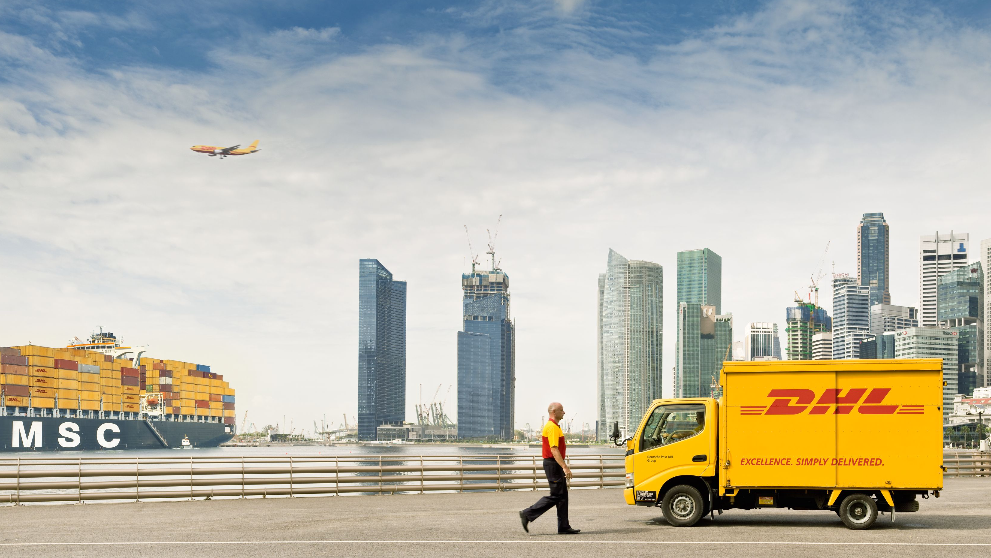
DHL’s Multimodal Transport Solutions bring together the speed of air, the flexibility of inland transport, and the cost-efficiency of ocean freight. Whether it’s less-than-container-load or full-container-load shipments, manufacturers can move cargo faster than traditional ocean freight but spend less than they would on air.
Beyond just moving freight, DHL supports these journeys with customs expertise, shipment value protection, and seamless coordination across every stage, lifting the burden of complexity from your international supply chain.
Open a DHL Express Business Account today and discover how to build a manufacturing supply chain that’s flexible, resilient, and ready for tomorrow’s challenges.
FAQs
Manufacturers should consider multimodal transport when handling heavy cargo across vast distances, importing essential production equipment, or managing complex international supply chains where relying on a single transport mode just won’t cut it. Multimodal solutions offer flexibility and efficiency, combining the strengths of different transport methods to meet every logistical challenge. For a detailed look at optimising heavy manufacturing shipments, DHL’s guide, Making Light Work of Heavy Weight Shipments, offers practical insights tailored for South African businesses navigating global trade.
Multimodal transport often provides a cost-effective alternative to exclusive air freight by applying faster, premium transport only when it truly counts. For example, manufacturers might opt to ship standard or bulky goods by sea, reserving air freight for urgent or time-sensitive components. The ideal choice depends on factors like shipment weight, delivery urgency, final destination, and the potential cost of delays. For a deeper dive into balancing speed and cost, DHL’s South Africa to Europe Shipping: Air or Sea Freight? breaks down how businesses can make smart, cost-saving decisions.
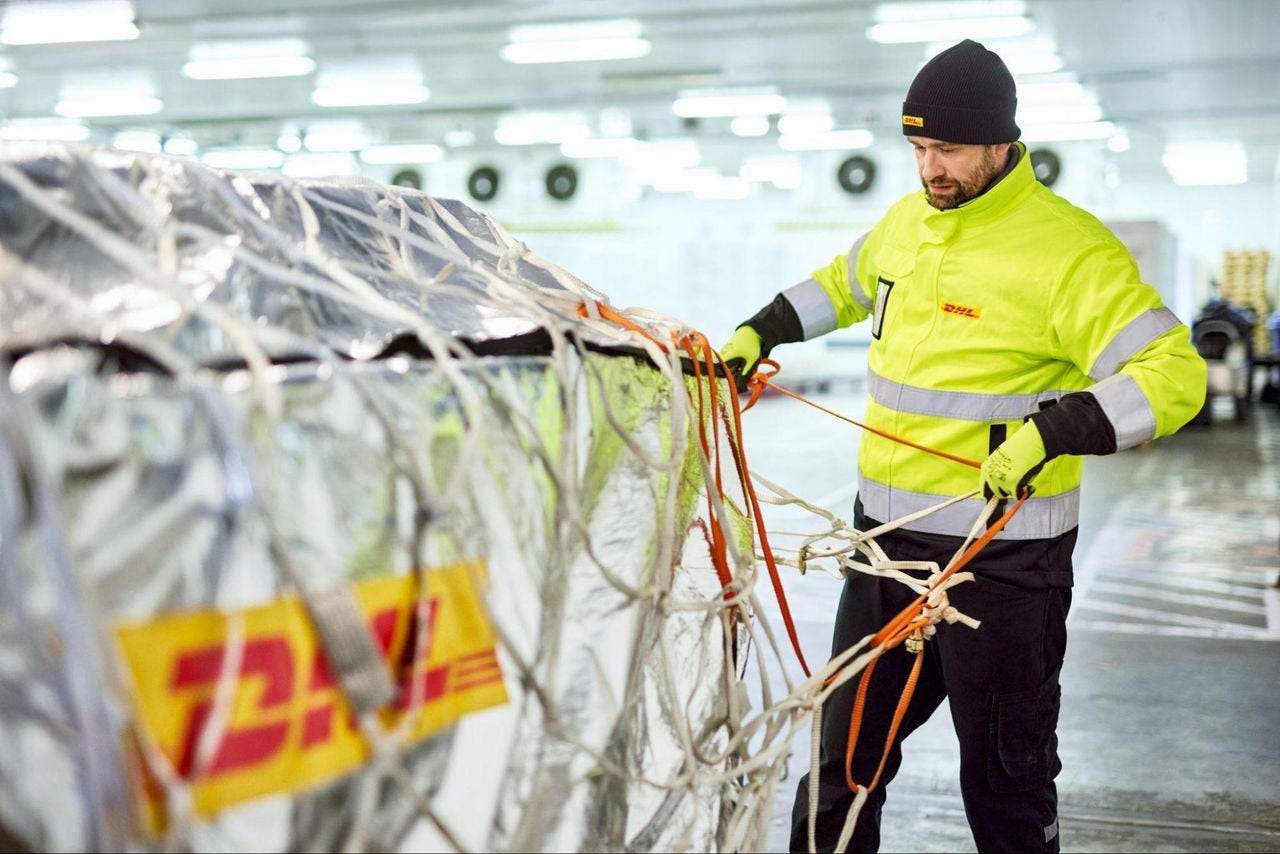
Absolutely. Heavy machinery and production equipment can be transported using a blend of transport modes, carefully selected based on the shipment’s size, weight, destination, and delivery timelines. Moving heavy cargo demands expert packaging, precise load securing, and strategic route planning, thinking beyond just the mode of transport. Manufacturers need to view the entire journey holistically. DHL’s Move Big Shipments with Confidence guide outlines the critical considerations when shipping heavy and oversized freight within South Africa, helping businesses stay ahead of the complexities.
Minimising damage starts with robust packaging, balanced weight distribution, and secure loading, paired with clear, accurate shipment documentation. Heavy freight often changes hands multiple times, so it’s crucial to prepare for every stage, from loading and unloading to mechanical handling and the transit itself. DHL’s How To Prevent Heavy Freight Failures: Damages, Delays & Challenges offers practical advice to help manufacturers safeguard their valuable equipment throughout the shipping process.
Share
Similar Stories